Our emerging photographer series aims to shed a light on up-and-coming talent. Photographers are offered a platform to share their work with a wider audience through the AP channels, with the scope of furthering their careers. We also get an insight into their inspirations, the camera gear used and future aspirations, as well as the journey taken into photography – which doesn’t have to be the most traditional route!
Success stories
Si Jubb and Ethan Parker, who won our Emerging Photographer of the Year award at this year’s AP Awards, recently spoke at our Festival of Photography: Documentary event. Previous emerging photographer award winners include Aliz Kovacs-Zoldi and Tariq Sadu. We’ll be sharing the work of photographers on our website and social media and even in the magazine. If you have recently started your photography journey or are a student / graduate, share your work with us at [email protected]
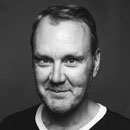
For this chapter, Ryley Morton speaks with Peter Dench
When and why did you start taking photographs?
As a teenager, I was obsessed with BMX. I spent nearly every free moment at the skatepark chasing cleaner, higher and riskier tricks. I started venturing out of my town, catching trains to different cities or pedalling for hours to find new spots: steep stairs, forgotten corners of towns or hidden ledges that hadn’t yet seen pegs grinds.
Around 14, I started borrowing my mom’s old Sony Cybershot bridge camera. It was clunky and terrible for fast action, but good enough at the time. I began shooting my friends mid-trick, but soon became more drawn to the moments in between – the urban decay, post-ride smiles, and long shadows as the sun set behind buildings.
Which genre do you tend to work mostly in?
I shoot everything from action and documentary to portraits and street scenes, I don’t stick to one genre. What captivates me is the freedom to explore different styles and ways of seeing the world. Lately, my work often involves people. I find them the most compelling subjects. I’m passionate about stories and believe there’s always something to learn from others.
What draws you towards your favoured genre?
My favourite genre has evolved over time. I started photography in solitude, shooting empty streets and long night exposures during college. It was quiet and reflective of where I was emotionally. Now people are at the heart of my practice. Growing up in the rich cultural mix of the Black Country and Birmingham sparked a deep curiosity about identity, culture, and lived experience. I was also taught to question dominant narratives and stand with voices often overlooked.
Tell us a little bit more about your photographic training – what did your course entail etc? Why did you want to study on this particular course?
I studied photography at A-Level from 2016-2018, where my passion exploded. I enjoyed shooting street photography at night, doing long exposures, and light painting, often in abandoned buildings for the dark, blank canvas.
After college, I wasn’t sure if university was the right choice. I thought I could succeed without it, especially as a freelancer. I decided to pursue photography independently, but quickly shifted to being an electrician, believing I could still chase my dream in my free time. However, lack of time and understanding of the industry made it difficult to succeed. I only knew wedding photography, which I hated!
When COVID hit and I lost my job, I gave photography one last shot, realising university was my best option. Going to university was the best decision I made.
What has been your biggest photographic obstacle to date?
As a freelance photographer, I manage everything – from creating and promoting work to handling admin, networking, and chasing opportunities. It’s easy to get hyper-focused on one area while neglecting others.
Balancing personal projects, paid work, social media, client outreach, grant writing, and competitions – plus a personal life – is a constant juggle. When that balance slips, I’ve hit burnout and frustration, often feeling stuck or unproductive. Learning to manage it all while keeping creativity alive has been one of my biggest challenges.
Who are your biggest influences?
It’s hard to pinpoint my biggest influence, as many people, experiences and art inspire me for different reasons throughout my journey. Hannah Starkey was the first photographer I heard speak. I attended her 2016 seminar at Warwick University, before starting college. Her photos are stunning!
While at college, Rut Blees Luxemburg’s work deeply influenced me. Growing up in the Black Country, my nights were bathed in the warm amber glow of HID streetlights. Their light filled my room at night, interrupted by passing headlights casting shifting shapes. When the UK announced their replacement with harsh LEDs, I felt compelled to document the disappearing glow.
Over the past year, I’ve had the extraordinary privilege of being mentored by Anderson & Low. They inspire me greatly and have been keeping me on track whenever I’ve drifted. They have a remarkable adaptability in style and subject that I find deeply inspiring and aligns with my own creative aspirations. It always surprises me the sheer number of outstanding projects they’ve completed.
Other influences include: Alex Webb, Edward Curtis, Saul Leiter, Don McCullin, Joel Meyerowitz, Tish Murtha, Laura Pannack to name a few amongst a great many.
What equipment do you use?
I use the Nikon Z 6II for documentary and low light work because it’s fast focusing and lightweight, and the Fuji GFX 100SII for portraits. I’m mainly a prime lens shooter, with the 50mm f/1.8 (“Nifty Fifty”) as my favourite, cheapest and most used lens.
What would be your dream equipment to work with?
While gear doesn’t make a good photo, using different equipment changes your approach and outcome. With this in mind I’d love a large format film camera.
What has been the highlight of your photography career so far?
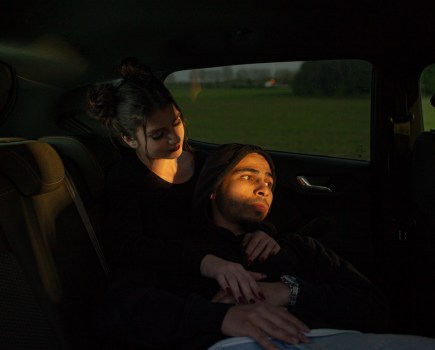
My most meaningful moments in my photography journey include capturing the spirit of music performances and festivals like WOMAD. Travelling across the UK for my project No Other World But England, connecting with the richness of cultural, religious, and traditional celebrations that shape this country. I’ve been fortunate to work with acclaimed photographers Anderson & Low, and honoured to see my work gain recognition, from winning BJP Portrait of Britain in 2024, to having my Loud and Queer series featured in Huck magazine. Recently, I was commissioned by the Royal Geographical Society to create a documentary on Birmingham’s Queercore scene for their Annual Summit, and a portrait from No Other World But England was featured in Amateur Photographer magazine. And while it might sit outside the typical definition of a “career highlight,” my time studying at Birmingham City University was truly a blast! I was surrounded by passionate lecturers, technicians, and peers who continue to inspire and uplift my work to this day.
What are your hopes for your photography career in the future?
I hope I can continue to meet extraordinary people who challenge my view points, and teach me about life. To find a life filled with adventure, meaningful work, and a sustainable career. Grow my recognition in the field and have my work featured in respected galleries, publications, and platforms, allowing me to connect with a broader audience and share stories that matter.
Do you have a dream assignment?
I’ve always wanted the opportunity to travel abroad on an assignment with my camera. I really love travelling and to have my camera take me to another country would be a dream! I’ve never let go of my childhood BMX dream. I’m hooked on the idea of photographing riders, chasing new street spots, and living the BMX life. Maybe that will be my next project…
What piece of advice would you give to other aspiring photographers, particularly those currently embarking, or about to embark, on a photographic course?
Life as a freelance photographer can be incredibly rewarding, but also undeniably tough, which is why I’d encourage any aspiring photographer to stay proactive, curious, and connected. Go to exhibitions, reach out to photographers you admire, sign up to newsletters, and keep building your network, opportunities often come from the relationships you nurture. Shoot constantly. Learn the business side of things: invoicing, contracts, pricing, and marketing. Above all, celebrate your small wins, be patient with yourself, and look after your wellbeing.
For those who are thinking of embarking on a photographic course… Do your research, ensure it’s the right course for you and be prepared to spend as much time as physically possible absorbing information, using resources and networking.
Tell us more about your project?
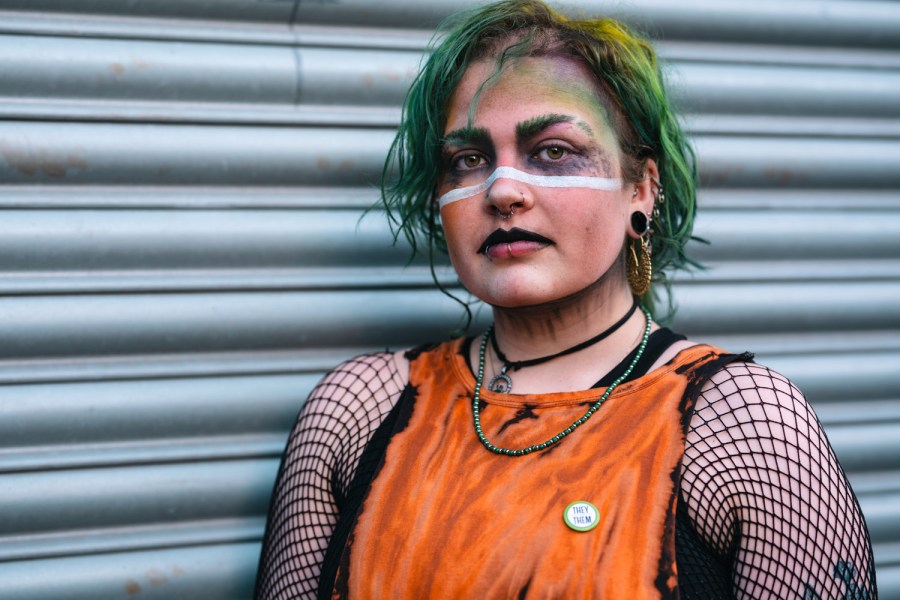
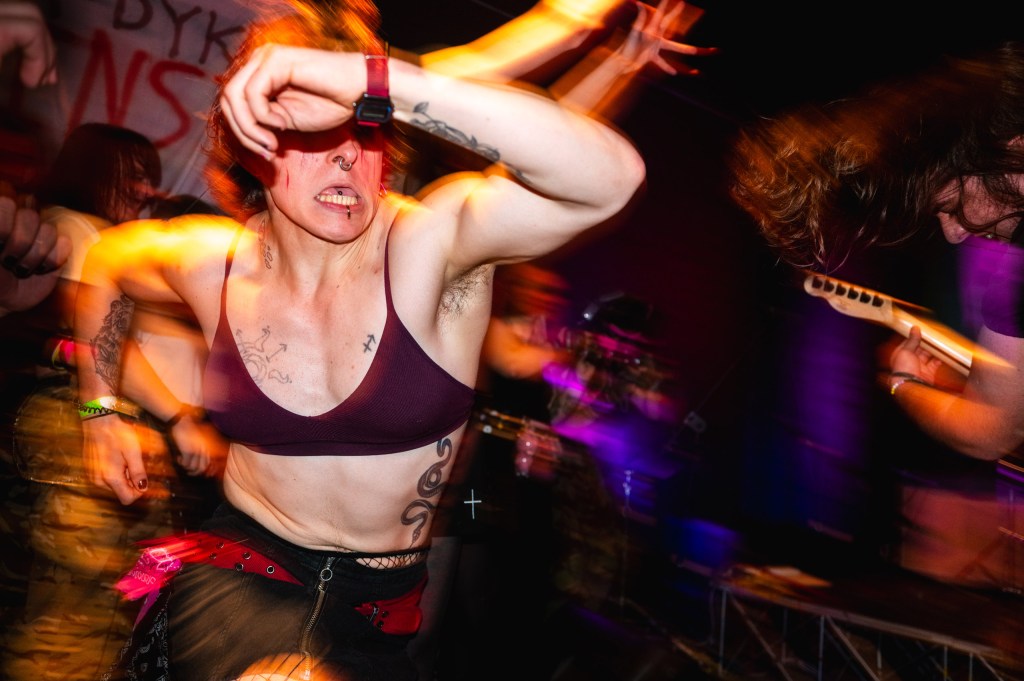
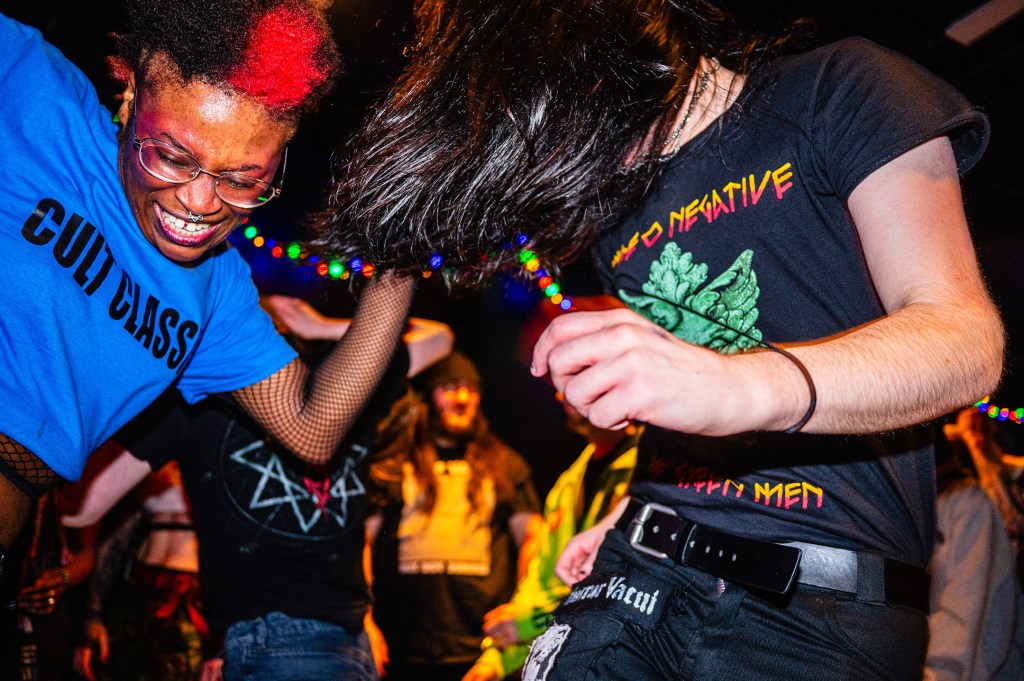
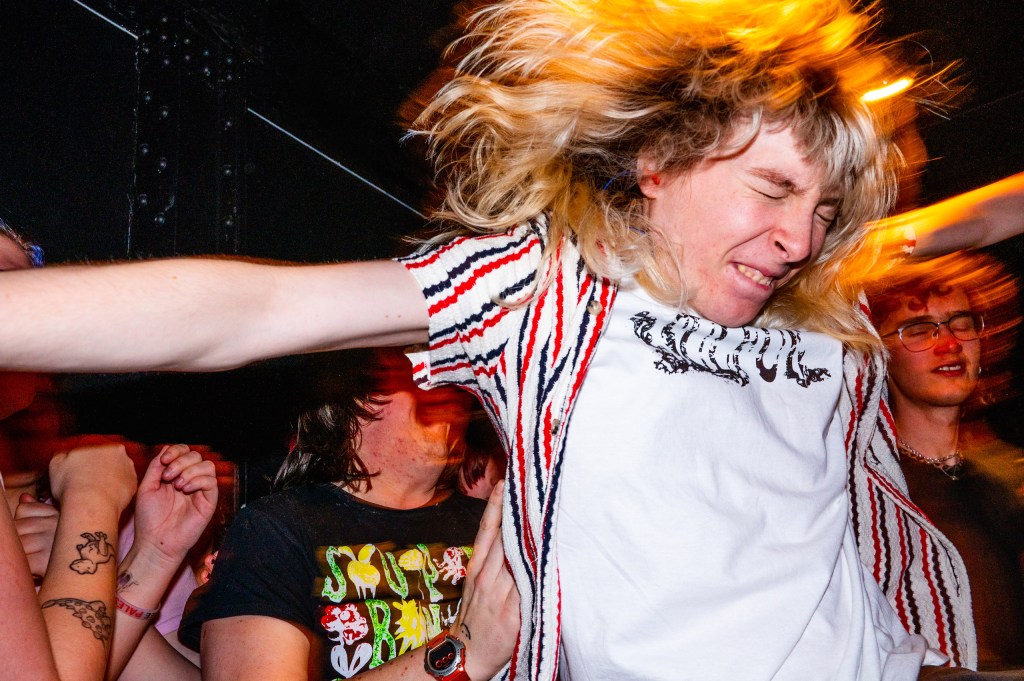
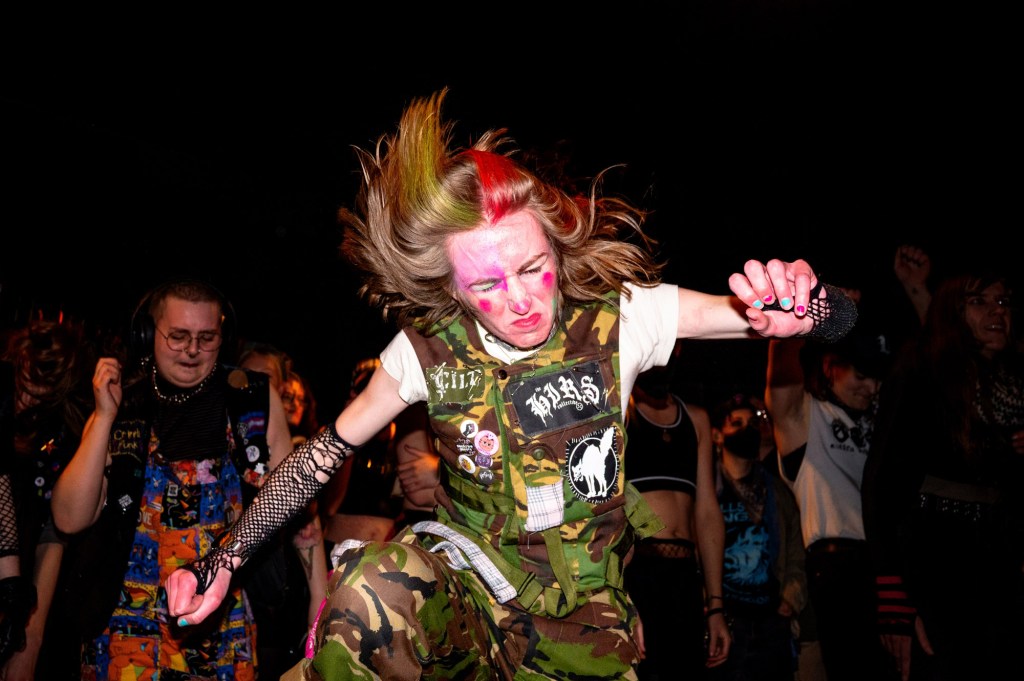
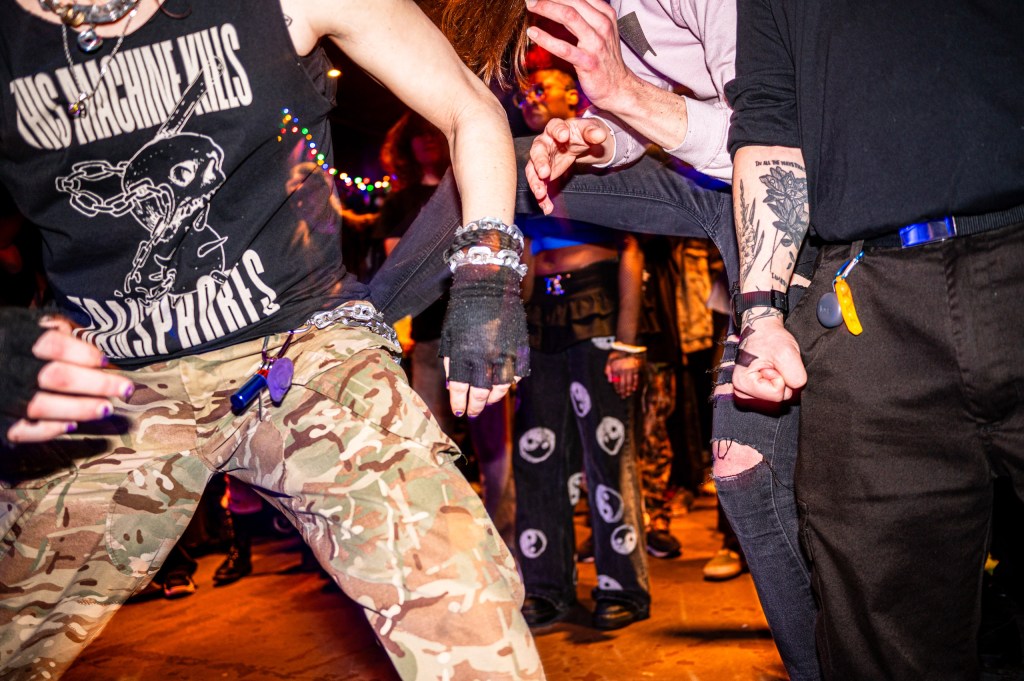
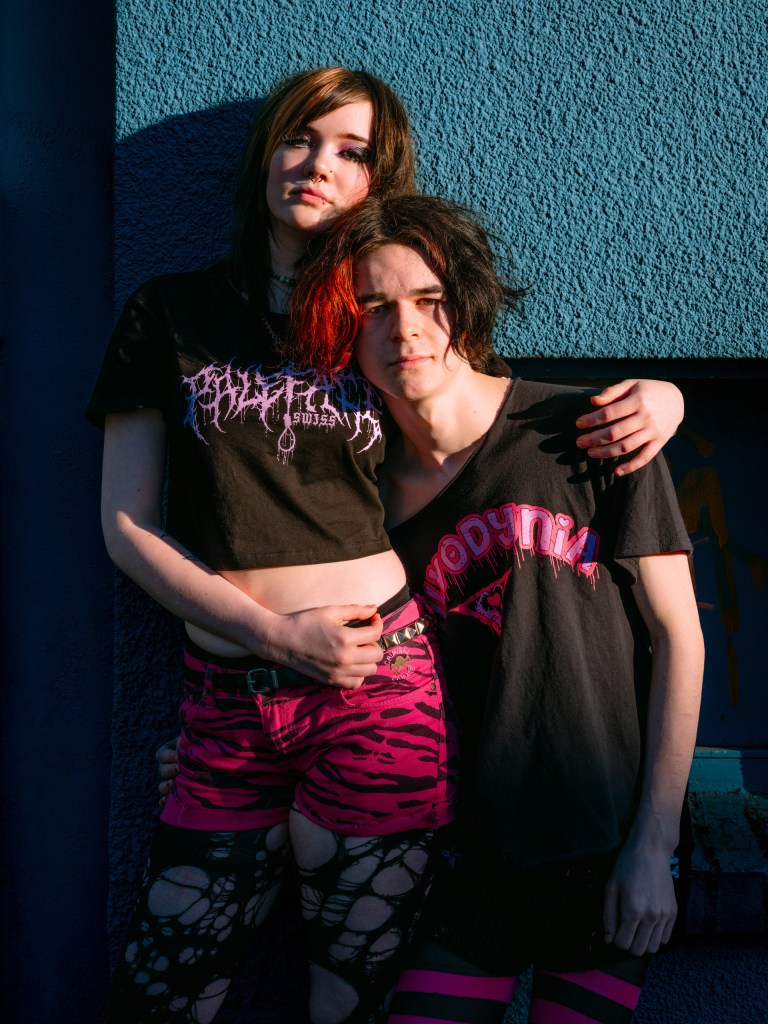
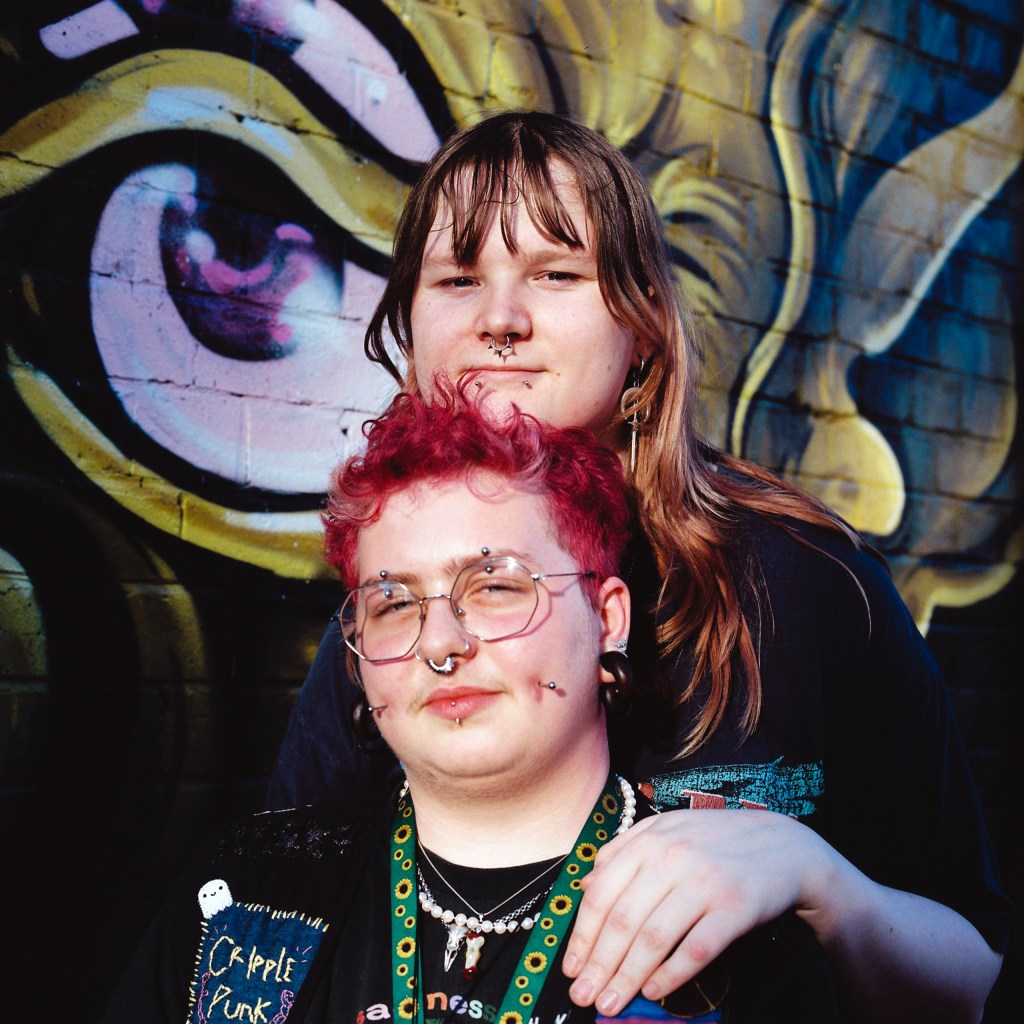
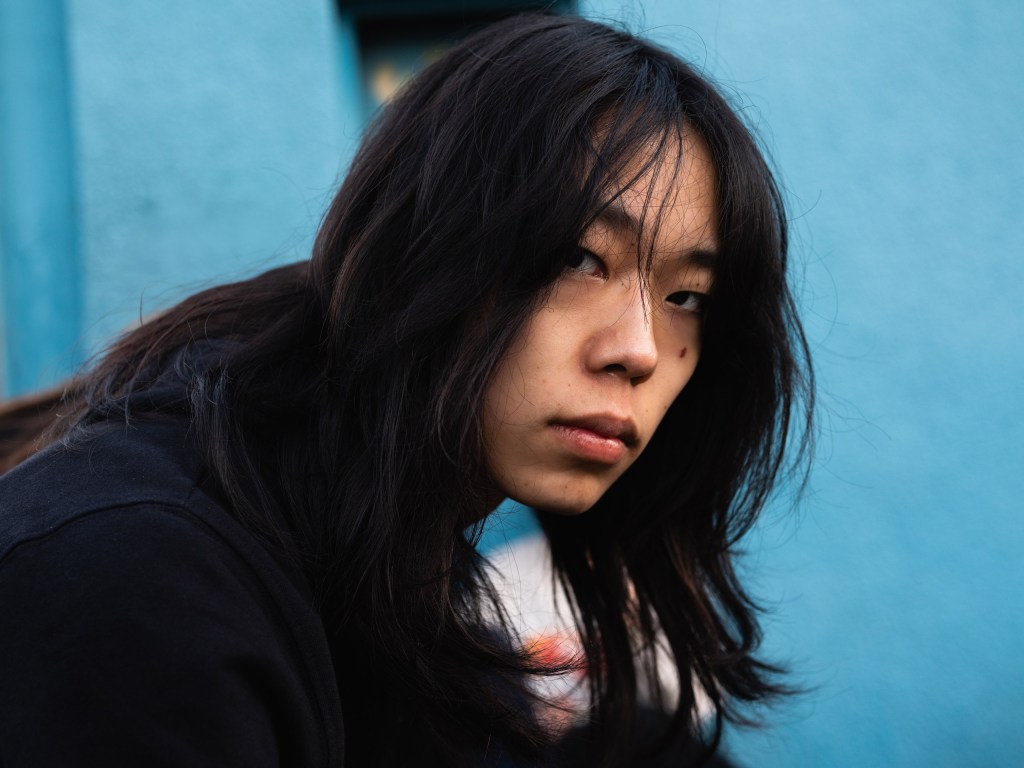
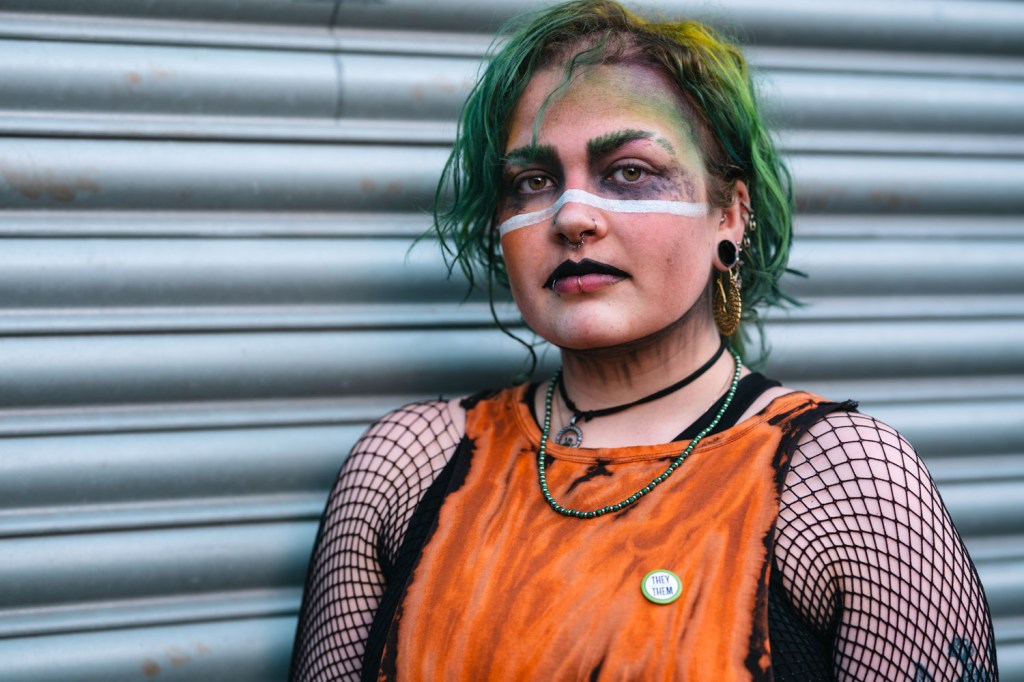
Over the last year I’ve been working on a new project based on a unique musical subculture called Queercore. Motivated by a deep desire to better understand and support my sister, who is trans, I began exploring trans communities and discovered Queercore.
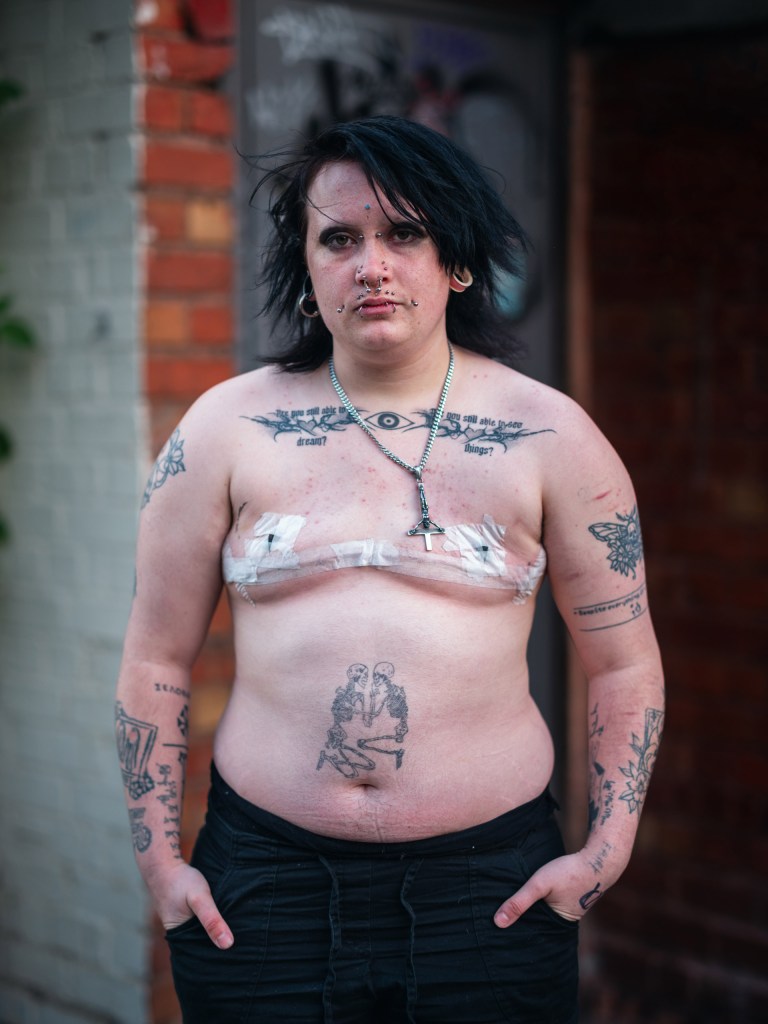
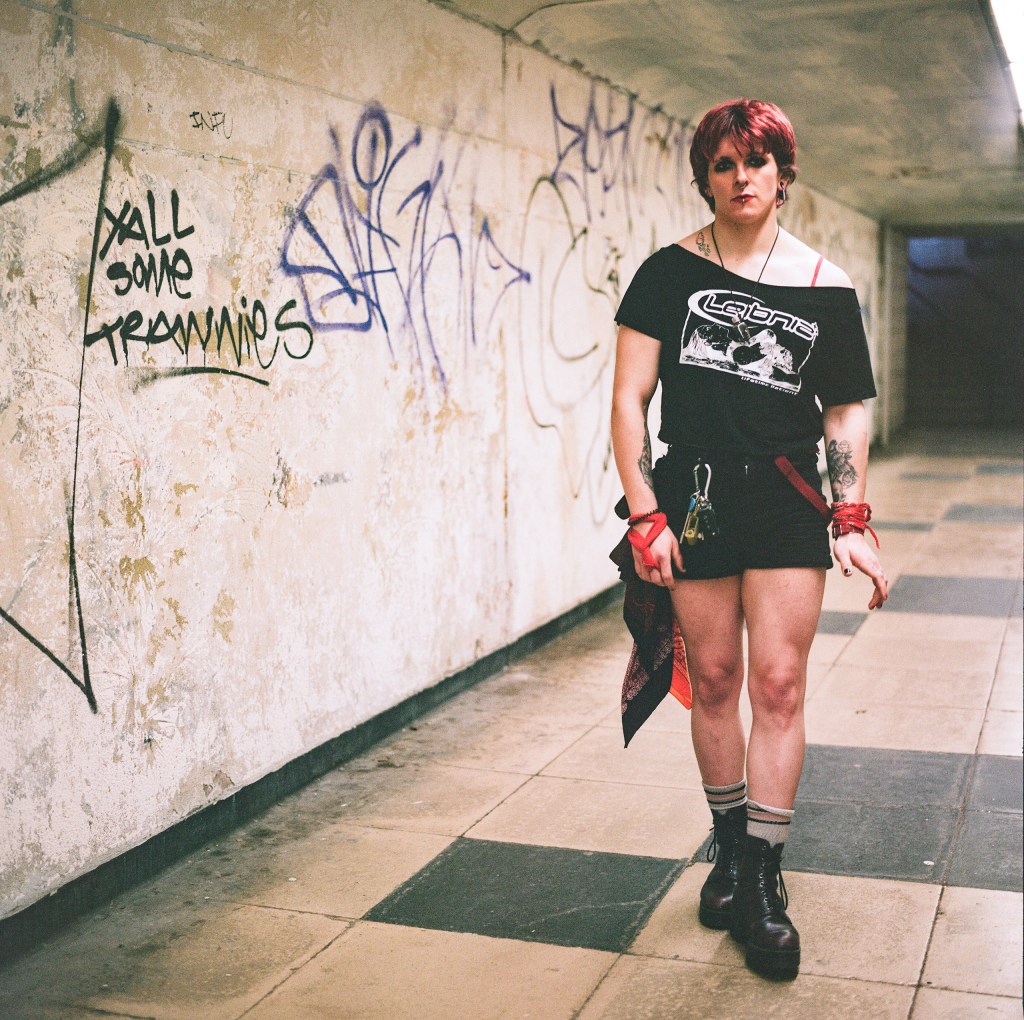
Loud and Queer is a documentary and portrait-based exploration of Queercore – a radical, defiant expression of identity that transcends genre to become a lifeline for many in the LGBTQ+ community. Emerging in the mid-1980s as an offshoot of hardcore punk, Queercore carves out a space where queerness and sonic intensity collide. It is a movement that thrives on chaos yet fosters deep community. An unexpected contrast where resistance gives rise to sanctuary.
In Birmingham, the Queercore scene is evolving rapidly. I aim to document this emergence and evolution – capturing the energy, emotion, and distinct aesthetics that define it. From expressive fashion and uninhibited performance to moments of quiet vulnerability behind the scenes, this work celebrates those who use Queercore not only as a form of self-expression but also as a fundamental declaration of existence.
I seek to honour the people who find refuge in Queercore. Their stories – told through portraits, candid moments, and scenes from the margins – are narratives of defiance, joy, survival, inclusion and acceptance. Loud and Queer is not just a description of the music; it is a statement of identity, a form of resistance, and an embodiment of community power. This project is a tribute to those who form chosen families through noise, rebellion, inclusion, and care – those who, despite rejection, create spaces where they live freely and unapologetically.
Follow AP on Facebook, Instagram, YouTube and TikTok.