Buying the right camera is one thing, but then it’s vital you have a clear sense of what you want to achieve with your photography and the best approach for you to take. Here’s an approach you might not have heard of – maximalist photography. Er, sorry?
Don’t beat yourself up if you haven’t heard of maximalist photography, as even the sages on the Amateur Photographer team scratched their heads when they first heard about a forthcoming book called The Maximalist Photographer.
The author, Antony Zacharias, explains more about maximalist photography below, and while the term maybe unfamiliar, many experienced photographers will be utilising some of its concepts and tools without realising it.
In essence, it encourages you to shoot ‘busy’ and sometimes very visually complex images, using narrative, colour and other devices to pull everything together so you just don’t end up with a messy, amateurish-looking end result.
So it’s very different to the ever-popular minimalist photography, but as Anthony reveals, the two approaches can actually complement each other…
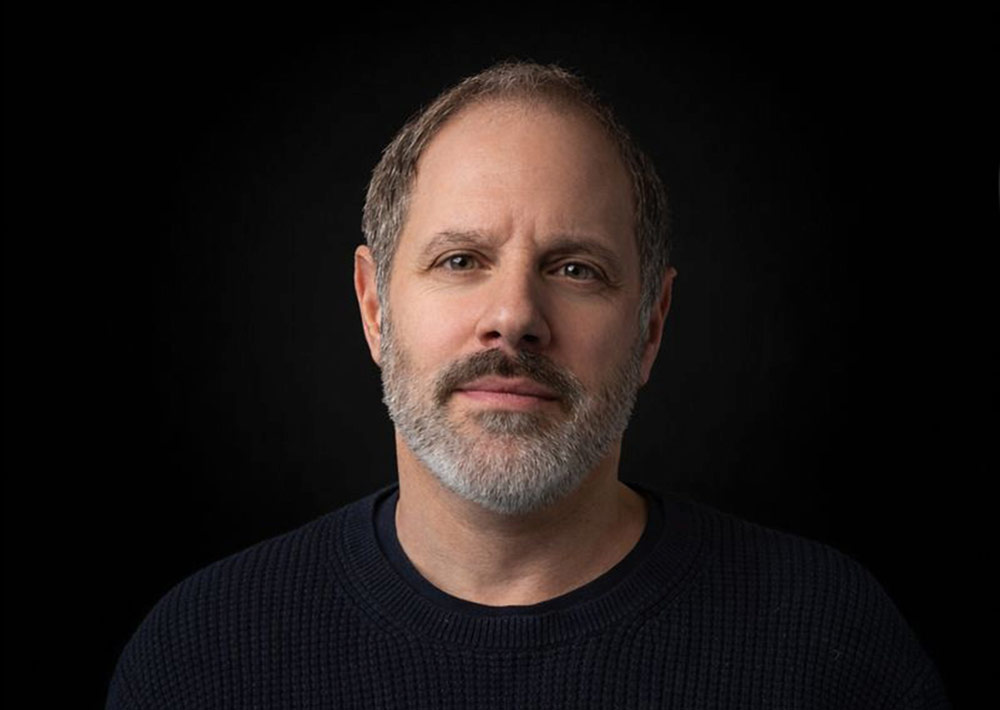
Is ‘Maximalism’ a new term – one that was coined to differentiate it from minimalist photography, about which you’ve already written a book?
Not really. Maximalism has existed for decades in art and design as a recognised aesthetic approach. Using the term specifically to photography is relatively new, however.
Photography usually has a strong emphasis on simplification and reduction and so maximalism has received less attention. I don’t see maximalist photography as a reaction against minimalism, but as an equally valid way of interpreting the world through a camera.
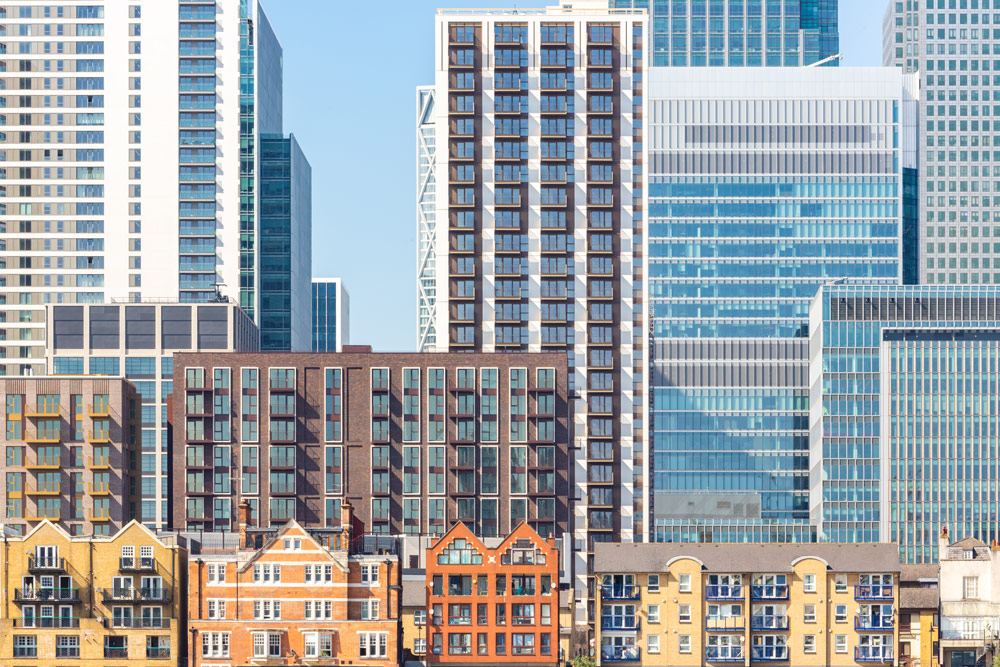
So how would you define ‘maximalist photography’ – what specifically differentiates it from, say, urban/architectural or street/documentary photography in a busy location?
Maximalist photography embraces complexity, abundance and visual richness. The frame is often filled with information, colour, texture, layers and relationships between elements.
The difference is that a busy scene alone does not make a photograph maximalist. A crowded street can simply be a documentary record of a location. A maximalist image uses that complexity deliberately, transforming visual abundance into part of the photograph’s structure, impact and story.
What attracted you to maximalist photography and why did you decide to write the book now?
After spending many years exploring minimalist photography, I became increasingly interested in the opposite challenge. Minimalism asks what can be removed from a frame; maximalism asks how much can be included while still creating a coherent image.
As photographers, we often hear advice about eliminating distractions, but many of the world’s most fascinating places are wonderfully complex. I felt the subject deserved a dedicated exploration, particularly because there are pretty much no books that examine maximalism as a photographic discipline in its own right.

In the book, you talk about ‘organised chaos,’ which seems a basic way of understanding maximalism in the context of visual literacy. Do you mean that it’s important for the ‘maximalist’ photographer to still try and organise the elements in the frame?
Absolutely – organised chaos is perhaps the central idea of maximalist photography. The goal is not to create visual confusion, but to find structure within complexity.
A successful maximalist image may contain many competing elements, but there is still an underlying framework that guides the viewer through the photograph.
The photographer’s role is to recognise patterns, relationships, repetition, colour connections or narratives that bring order to what initially appears chaotic.
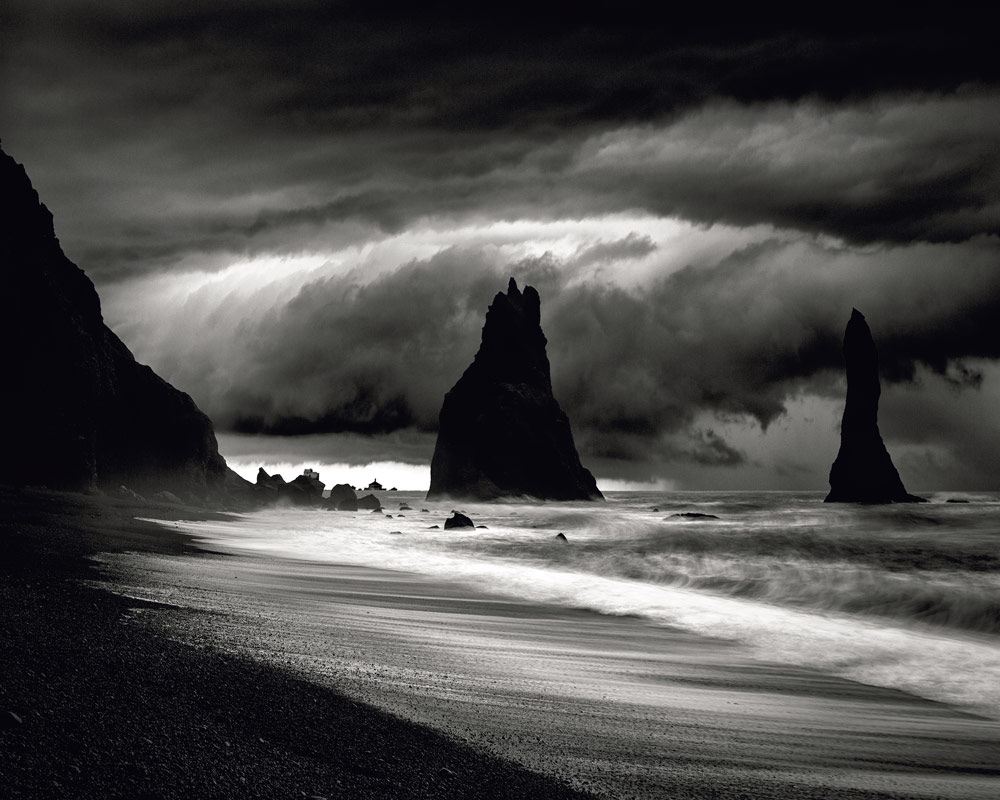
So is it best suited to situations and scenarios where you have time to consider and organise the elements in your shot, rather than, say, from-the-hip street shooting?
Time can certainly help – that extra opportunity to slow down and observe will help most aspects of photography and especially when facing complex scenes.
However, I don’t think maximalism is limited to slow-paced photography. Like any compositional approach, it becomes more intuitive with practice. Experienced street photographers often make incredibly sophisticated compositional decisions in fractions of a second.
Over time, you begin to recognise visual patterns and opportunities instinctively, even within rapidly changing environments.
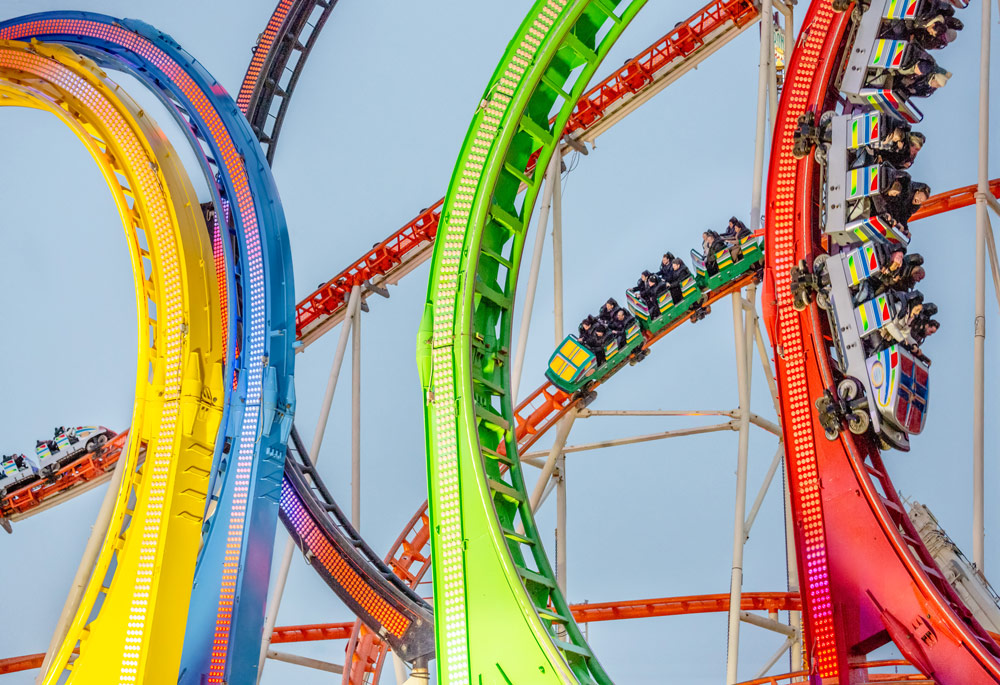
You talk a lot about colour in the book and how to use it in maximalist photography. So when thinking about colour, the emphasis is not much about studying how colours harmonise, but welcoming colour clash and contrast?
Both approaches can work. Traditional colour theory remains useful because it helps us understand how colours interact. However, maximalism gives photographers the opportunity to use colour to create tension, contrast and even conflict.
Clashing colours can create energy and excitement. The key is that the colour relationships contribute to the emotional impact of the image rather than appearing accidental.
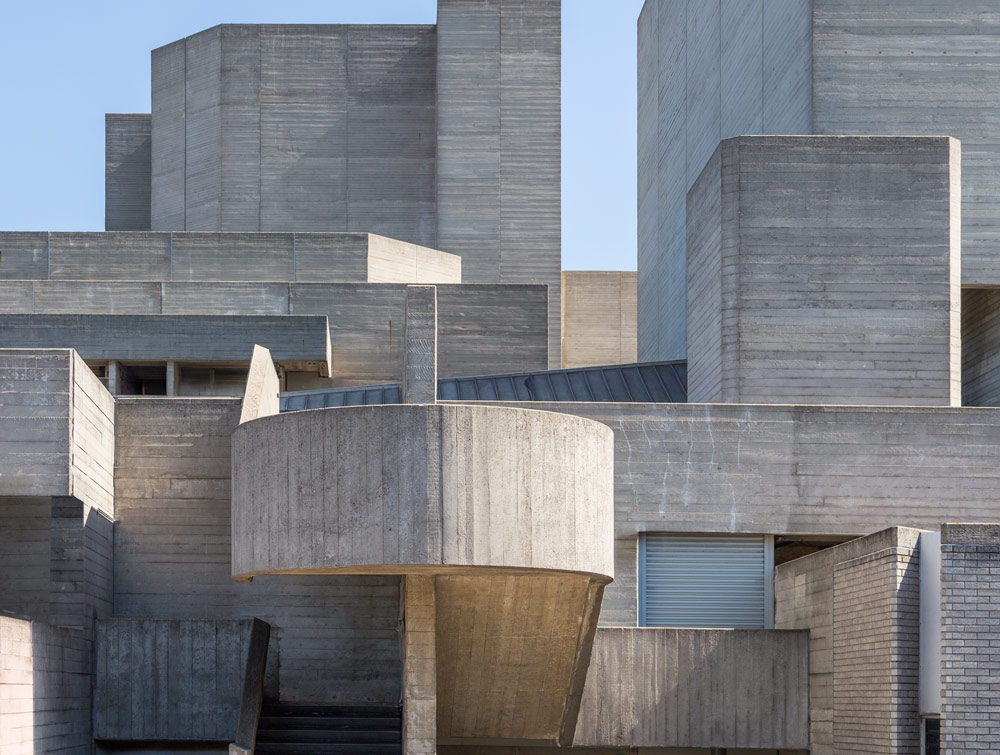
Then there is the emphasis on establishing a clear narrative, which is also an element for bringing order to seemingly chaotic scenes, right?
Yes. Narrative is one of the most effective ways to organise complexity. When viewers can identify a story, a theme or a central idea, they have an entry point into the image.
Narrative acts as an anchor: It allows photographers to include large amounts of visual information without overwhelming the viewer because the various elements become connected through meaning.
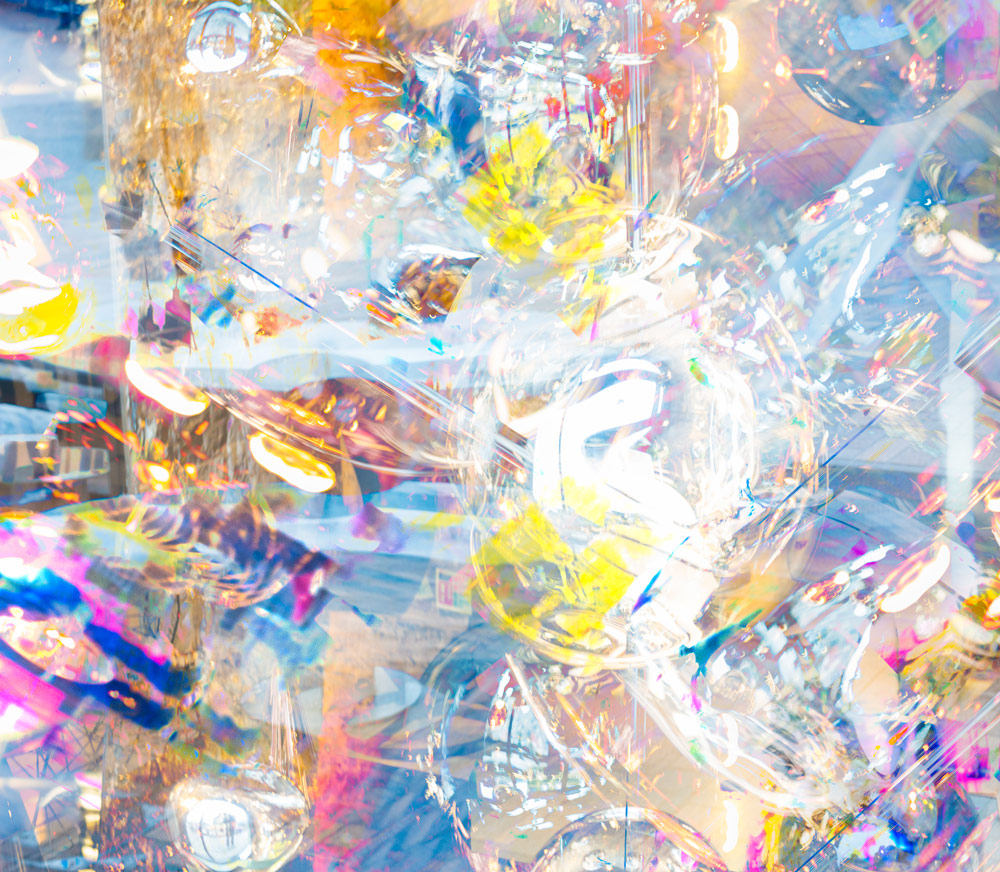
It seems like maximalist photography is a very broad church, as it also encompasses collages, abstraction, and digital art. How does it all fit together?
What unites these diverse approaches is not subject matter or technique but mindset. Whether we’re looking at a documentary photograph, a collage, an abstract image or a digitally constructed artwork, maximalism celebrates richness, layering and complexity.
The common thread – despite the differing methods – is the desire to engage with abundance rather than reduction.
So would using generative AI, for example, to create a maximalist image be seen as somehow cheating?
I think using AI to add non-existent elements to an image moves a work beyond photography and into the realm of digital image creation: much as extensive compositing and manipulation in Photoshop has done for many years.
For me, honesty in photography is important. There is a unique magic in creating an image that is your personal interpretation of a real scene and preserving a genuine moment in time.
AI-generated imagery is a different medium with it’s creative possibilities. Of course we can see that AI can create highly detailed and visually complex maximalist images, but the challenge to find and organise complexity in the real world in camera is incredibly rewarding.
I do think that transparency is what matters most. Audiences should understand how an image was created so they can appreciate it and evaluate it in the context of how it was made.
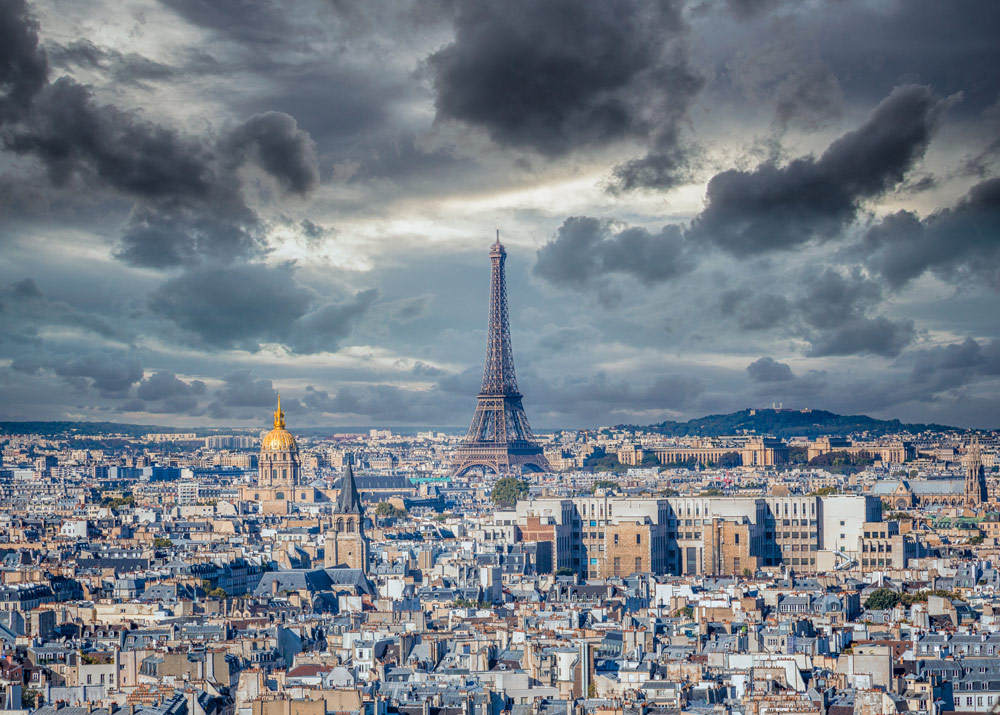
Do you think maximalism is a more ‘honest and realistic’ photographic approach to the hectic modern world than minimalism – or can the two approaches co-exist?
Again, I see them as complementary rather than competing approaches. The world contains moments of simplicity and moments of complexity.
Minimalism and maximalism simply provide different ways of capturing and interpreting those experiences. As a photographer, I wouldn’t want to be limited to either one. Sometimes the strongest image comes from removing everything except the essential.
At other times, the richness of the scene is precisely what makes it compelling. Both approaches help us see differently.
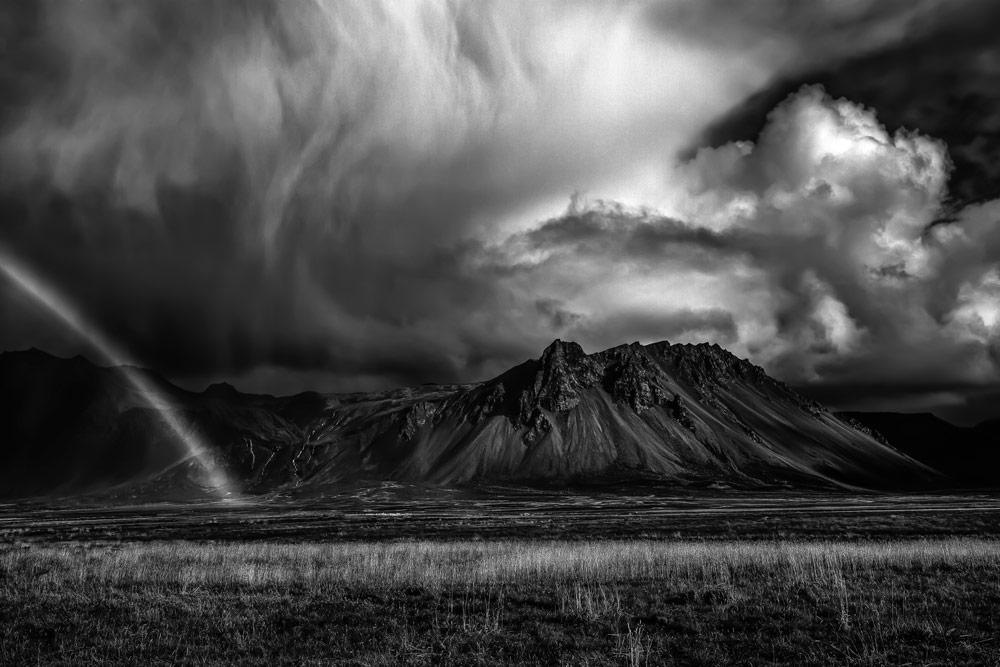
So to sum up, is maximalist photography best suited to more experienced photographers? After all, a lot of relative beginners are told not to over-clutter their compositions and avoid distractions
Many of the principles are actually rooted in photographic fundamentals. Concepts such as balance, hierarchy, visual flow, colour, timing and storytelling are just as important in maximalism as they are in any other genre.
Beginners often benefit from learning simplification first because it teaches visual discipline – it can be more straightforward to initially focus on one theme or subject in a frame.
However, a maximalist approach will strengthen compositional skills as it encourages photographers to think critically about how multiple elements interact together within a frame.
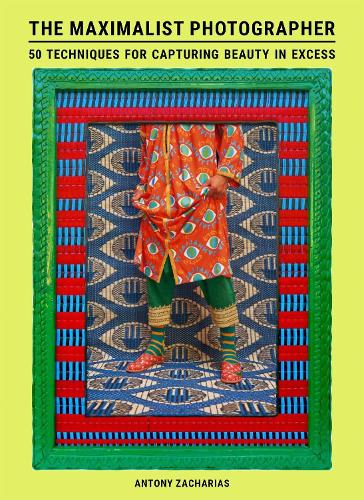
The Maximalist Photographer: 50 Techniques for Capturing Beauty in Excess is published by Laurence King on the 23rd July 2026 and the price will be £16.99/$22. You can pre-order here.
Related reading:
Do you want to win some great prizes for your photography? Enter your photos in our International Amateur Photographer of the Year competition. Free entry for photographers aged 13-21.
Follow AP on Facebook, Instagram, YouTube, TikTok and Irys.