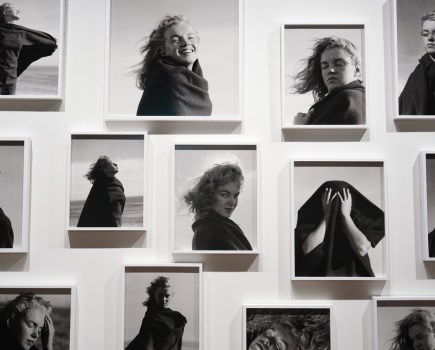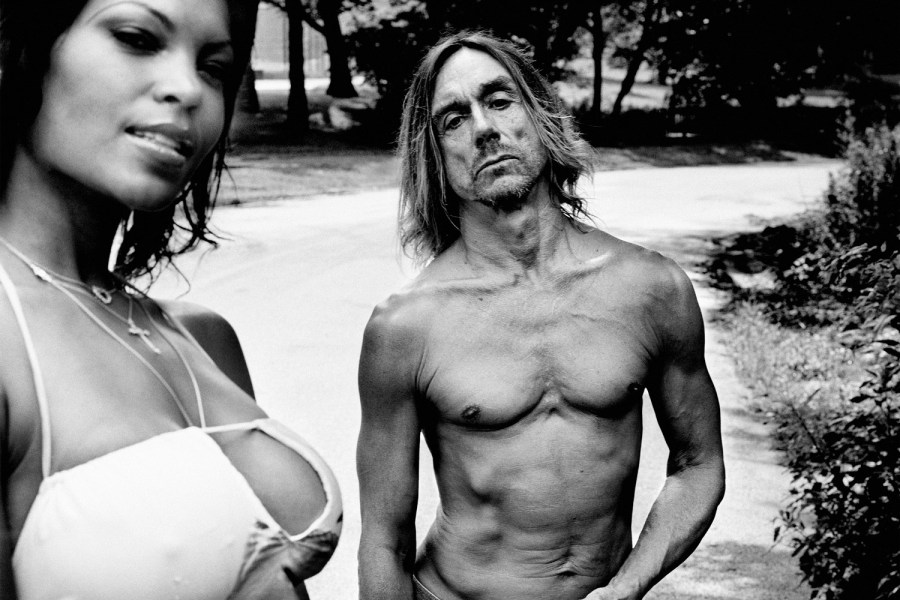
The face of Anton Corbijn pops up on-screen live from his Amsterdam offices as we commence a Zoom call – he’s bearded, smiling and his side-parted hair flops over his forehead. In May 2025 Corbijn celebrated his 70th birthday and we’re here to talk about his career, his journey into photography and how what was originally an exhibition catalogue ended up as a 560-page showcase of his images from 1972 to 2024.
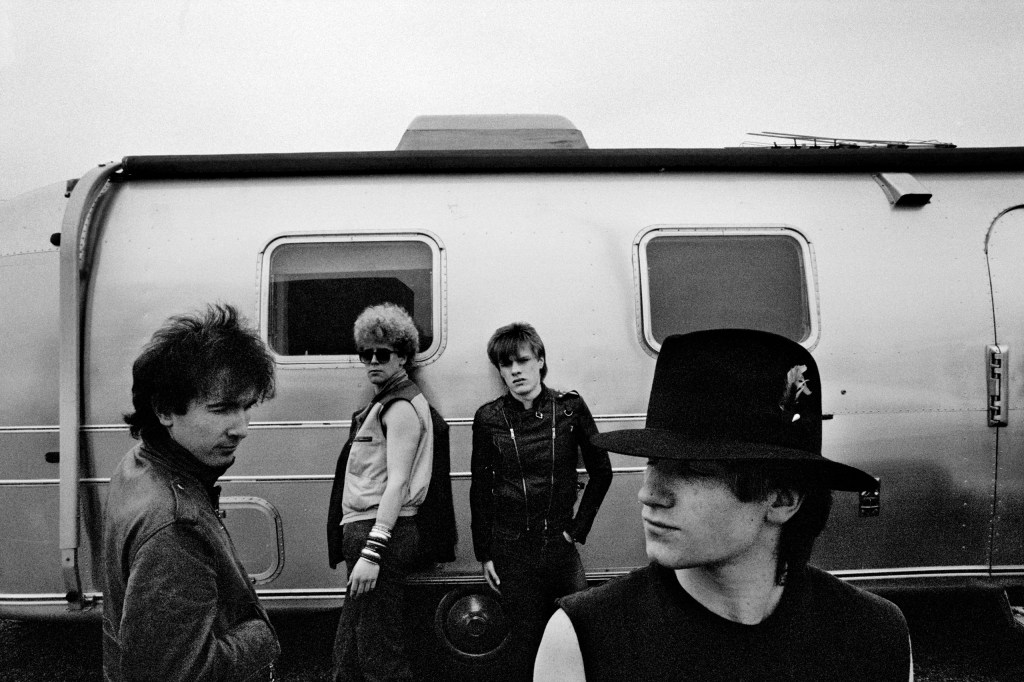
Corbijn (which he pronounces as Cor-bine, in his heavy Dutch accent, when sharing his email address) is arguably best known for his still images of the iconic bands U2 and Depeche Mode. He famously shot the cover of U2’s The Joshua Tree album with a hired, Russian-made, Horizont panoramic camera and has worked with Depeche Mode since first photographing them for an NME cover in 1981, although Corbijn originally felt their music was ‘too poppy’ for his tastes.
His vast visual talent has embraced directing feature films (his latest, Switzerland, starring Helen Mirren, is out in 2026), photography, music videos and designing stage sets for long-term collaborators, Depeche Mode. We begin by talking about his days as a teenager in the Netherlands who was seeking a way into the music world…
Early inspirations
When he was 17, Anton Corbijn’s family moved to the city of Groningen. One day he borrowed his father’s 35mm Mamiya camera to shoot a concert by the Dutch prog rock band Solution in the city’s Grote Markt. He explains, ‘I was so shy. I thought I’d borrow my father’s camera, so that would give me a reason to go to the front of the crowd. When you’re shy you quite often think that people look at you and talk about you and it makes you very aware of that. I took nine pictures in total and sent them to a magazine. They published a few, but I didn’t think that was a way into the music world, apart from that particular afternoon, which allowed me to walk to the stage. I guess you could say that photography found me that way.’
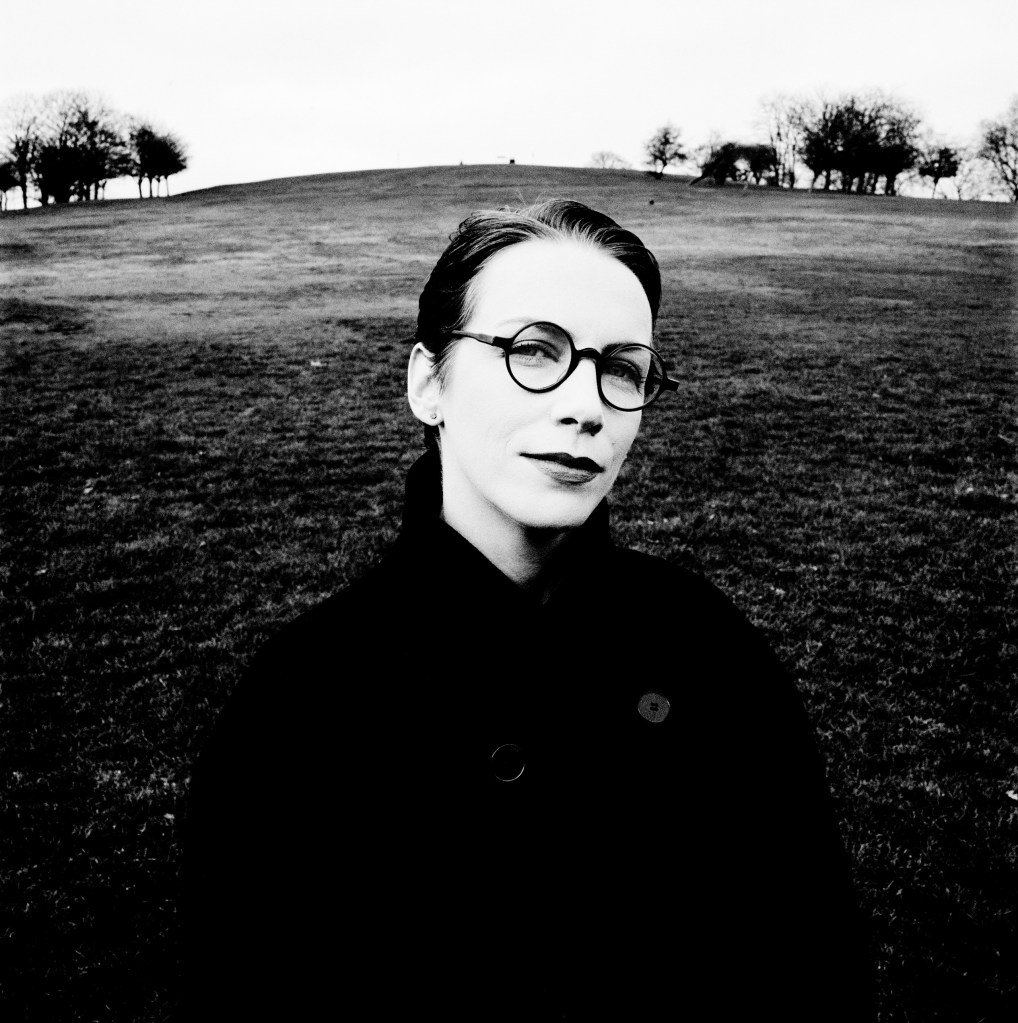
With his interest in music and his first pictures published in Muziek Parade magazine, Corbijn did slowly realise that photography could be his best route into the music industry. He was a fan of the work of music photographers Jim Marshall, Elliott Landy, David Gahr and Michael Cooper. ‘Initially, because I didn’t know anything about photography, I just looked at music photographers. I got to know all of them apart from Michael Cooper, because he passed away prior to me touching a camera.’
He adds, ‘Documentary photography was quite big in Holland in the early ‘70s when you had all these revolutions in the South of America. Photographers were always there and the work was published in weekly magazines in Holland. There was some great photography, so that was a big influence. Maybe not consciously, but, I think the way I photograph, it’s definitely there.’
Starting an NME
For three years Corbijn worked for the Dutch music magazine Oor and then decided to try his luck in London. He admits, ‘It was slightly out of desperation. I didn’t know what else to do. I felt I’d photographed all of the Dutch bands by then and was ambitious enough to try it. It also meant I’d “burnt all my ships” in Holland and couldn’t go back. There was no safety net and I had to really work at it. I was lucky that I came at a time that people were open to that kind of photography.’
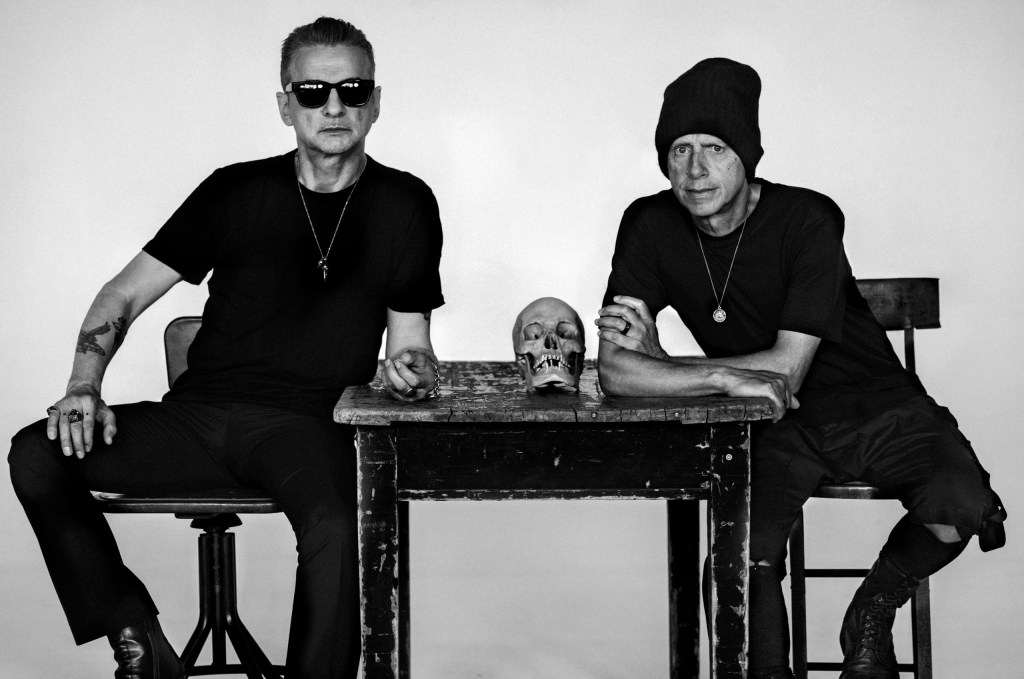
In the summer of 1979, Corbijn had been in London and showed some of his pictures of Elvis Costello and Johnny Rotten to the then editor of NME, Neil Spencer. These were later published and, at that time, Spencer promised Anton Corbijn that he’d have work for him if he came back to England.
Corbijn recounts, ‘I moved to London in the last week of October ‘79… a big move for me. I knocked on the NME door again in November and Neil Spencer didn’t know who I was! I said, “you said you’d give me some work”. Then he took me round the offices; it was very chaotic compared to the Dutch music magazines, which were all very neat. All these people were typing and he said, “This is Anton; he’s from Holland and he’s a great photographer. Anybody got some work?” The typing stopped and they looked over the books they had on their desks. Slowly somebody started to type again and one guy started to sing, “I hate the fucking Dutch”. That was my welcome at NME in very much NME-style. But it worked out, so I was very happy.’
Film v digital
Indeed, his arrival at NME did work out and he soon became the music paper’s chief photographer. During the 1980s and ‘90s his reputation skyrocketed with his entry into music videos and his eye-catching array of black and white album covers for U2, Depeche Mode, Nick Cave, Bon Jovi and many more.
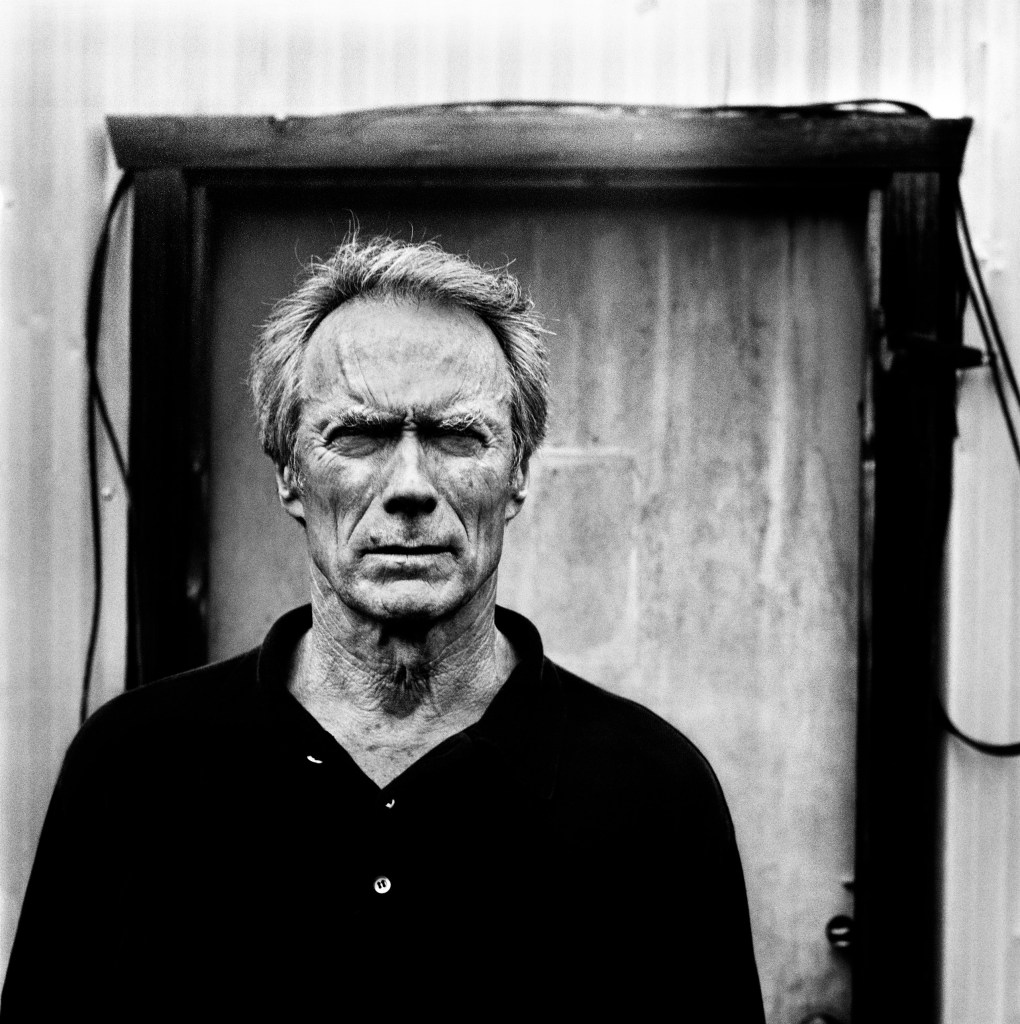
By the late 1980s Corbijn had begun to tire of the 35mm format and also started experimenting with colour, using filters. He reveals, ‘In ’89, I changed cameras from 35mm to a square format, because I wanted to rethink my compositions. I started to look through the camera and saw compositions I’d already done – it started to feel lazy. By changing to a different camera format, I was forced to rethink all that. I started to do more album sleeves, and they’re usually in square format, so it fitted in with that.’
Smartphone photos
Despite embracing the digital age – he shot the 2022 book Instanton only using a smartphone – Corbijn is still a devout fan of film photography. ‘The quality of film and grain that’s in the film is so beautiful. I liked the uncertainty after you’ve photographed on film. You don’t know what you’ve got and it could be a week later before seeing the results. That’s really challenging and interesting, so you’re more aware of when you take pictures – you don’t have 100 shots. I think the whole idea of perfection is overrated. Now I’ve got used to digital as well because it makes life easy, but the most beautiful things are still, for me, on film.’
Corbijn is on record as saying that all photographs have to have something about the person, something about him and be unlike anything seen before, so I ask him what this means. ‘I always try to have these three points. It doesn’t matter how they converge, but, as long as all three are part of the picture, I think you’ll be OK. To have a bit of yourself in there does matter. Otherwise, everybody else can take that picture, so there has to be something of yourself in that shot that makes it yours. Ideally, you make a photo that people don’t know yet.’
Book origins
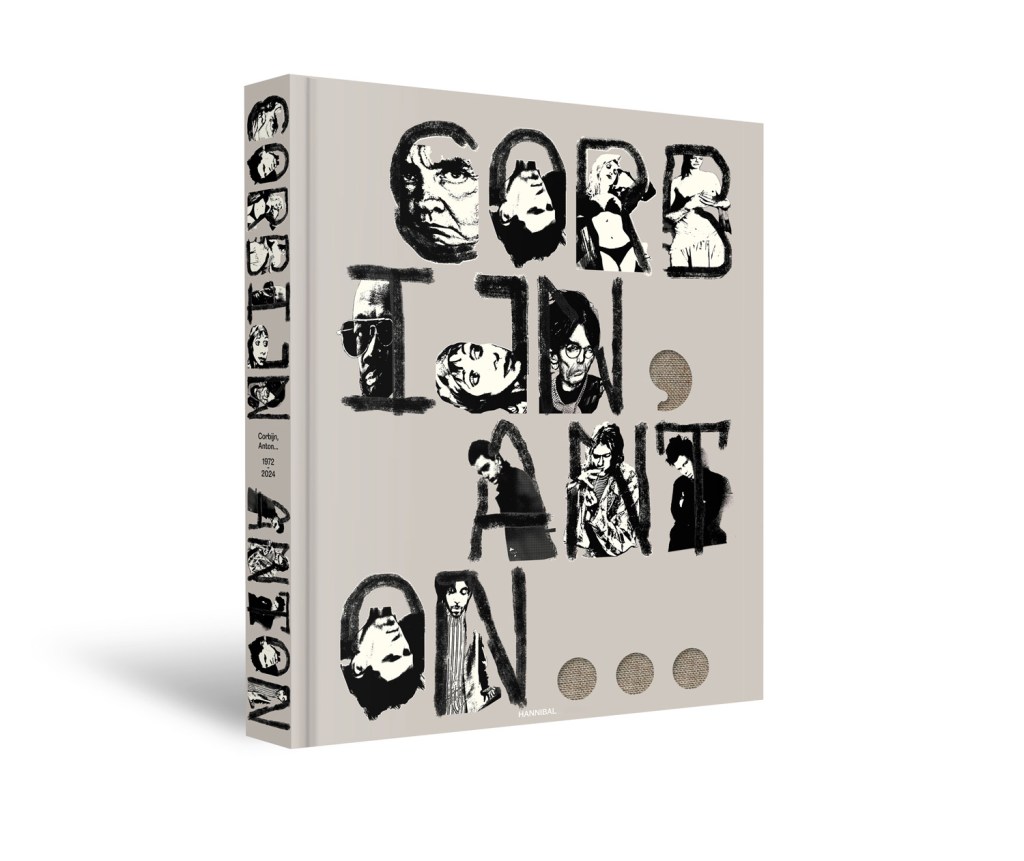
The impressive new 560-page tome CORBIJN, ANTON showcases around 400 of his stunning images. Of its origin, he reveals, ‘I had some exhibitions; starting in Stockholm, and the idea was creating a catalogue. Then it coincided with my 70th birthday, so it became a “70th Yearbook” and a bit bigger than I anticipated.’
One noticeable thing about the book is the vast majority of its images were shot outside. Corbijn explains, ‘I don’t like a studio environment. I think you can use an environment to say a lot about the people. It’s something to play with and you don’t shoot the same picture all the time as I think you tend to do in studios. Outdoors is also, for me, about documentary photography.’
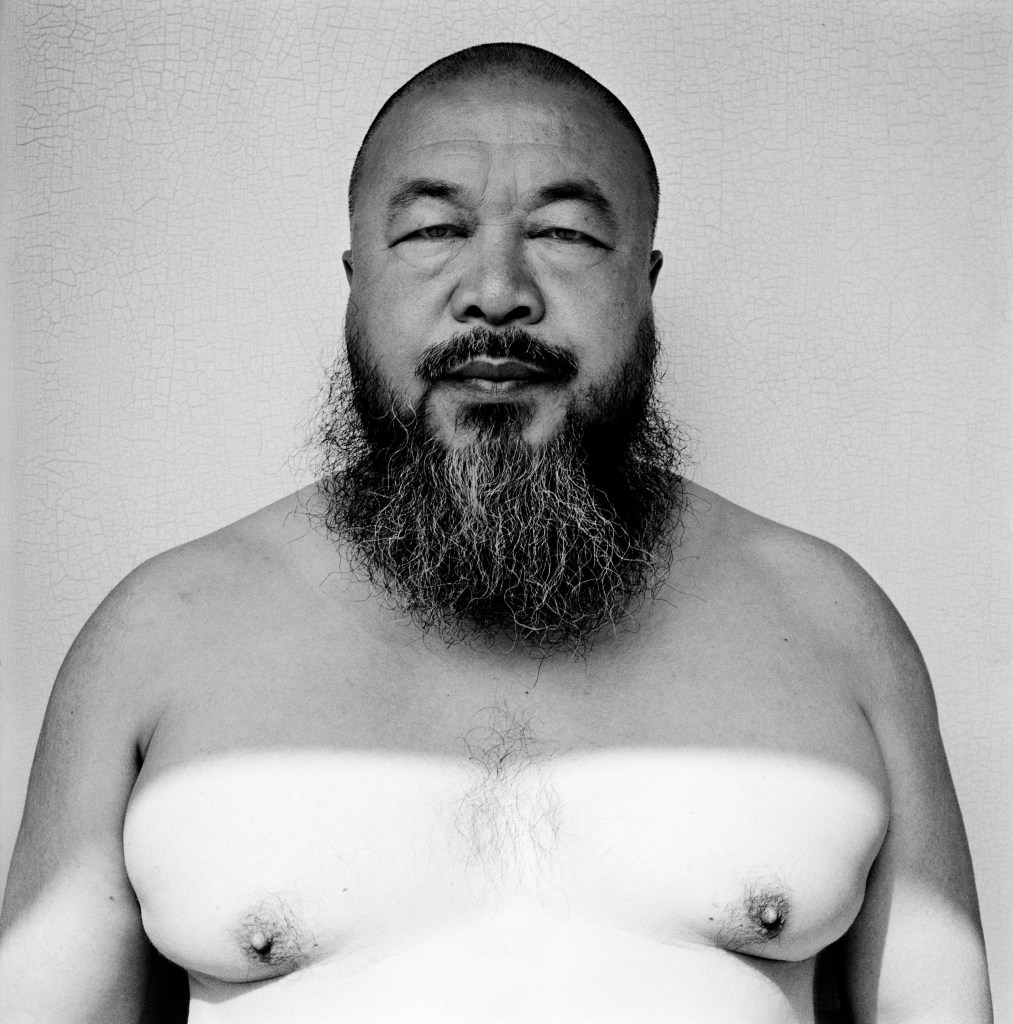
He adds, ‘All these pictures remind me of journeys to go to places and, even if the picture maybe isn’t great, the memory is very positive. I really enjoy meeting people and taking their photograph. Going to Nelson Mandela’s house, meeting Miles Davis a few times and meeting Joni Mitchell… all beautiful things because you felt like you were part of a creative, interesting world. My life is not simple, but the idea of it is simple. You meet somebody, you take their photograph, you go back home and you develop your film.’
To edit the images for a book Corbijn admits is ‘…always difficult. You fall back on some of your “Greatest Hits”, but then you check to see if that was really the best shot from that photoshoot.’ The book was designed by the Paris-based design company M/M, who are famous for their creative work with pop star Björk, and includes ‘very playful’ lettering and imagery throughout to break the book up into timeline chapters.
Working with musicians
The book is peppered with testimonials from people who’ve worked with Anton Corbijn, including U2 bassist Adam Clayton who tells a story of the photographer asking the band to be involved in ‘making a photograph’.
Corbijn recalls, ‘In the beginning nobody knew my work, so I had to prove myself every time. After a while, especially when you photograph the same people, as with U2, there’s a trust. You don’t have to reintroduce yourself and they sometimes will take [pose for] pictures that they wouldn’t necessarily do with other people; something that makes it look cool rather than awkward. But, if you’re too familiar, you sometimes don’t push enough. You need to keep pushing, but it’s difficult If you make your friends feel uncomfortable.’
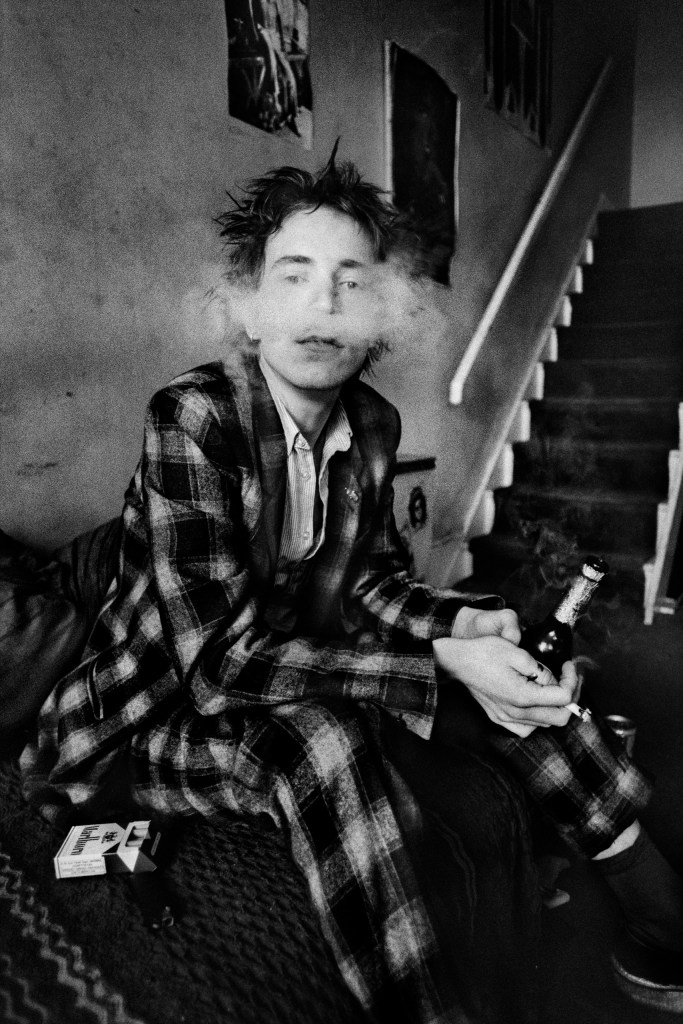
Corbijn has some regrets about people he hasn’t photographed and names painter Cy Twombly and rock star Ozzy Osbourne as two subjects he wishes he’d got in front of his lens whilst they were alive. He also tells the story of a planned London shoot with The Who that never happened because the band’s PR kept him sipping tea in a café for an hour, during which time the band were ready for the shoot. ‘Peter [Townshend] was angry I wasn’t there. He said, “We’re all packed up to go. What do you want to do? Take a quick picture now or next week in America?” I said, “next week in America”. It sounded more exciting than shooting in a dead rehearsal space. John Entwistle died in between, so I learnt that you always have to take the picture.’
Changing times
The modern-day music industry likes to carefully control the visual output surrounding their artists – a factor that Corbijn is pleased he’s not constrained by. He reveals, ‘I prefer photographing individuals to bands, but I’m more known as a band photographer. In the ‘80s I was in Atlanta with The Police for the NME. Their manager, Miles Copeland, came to me with a contract that I could only shoot three songs and I said, “I’ve come all the way from London, you must be joking.” I tore it up in front of him and walked out very angry. He came after me and said, “OK, you can shoot the whole gig”. I was never keen on these rules. I always tried to fight it.’
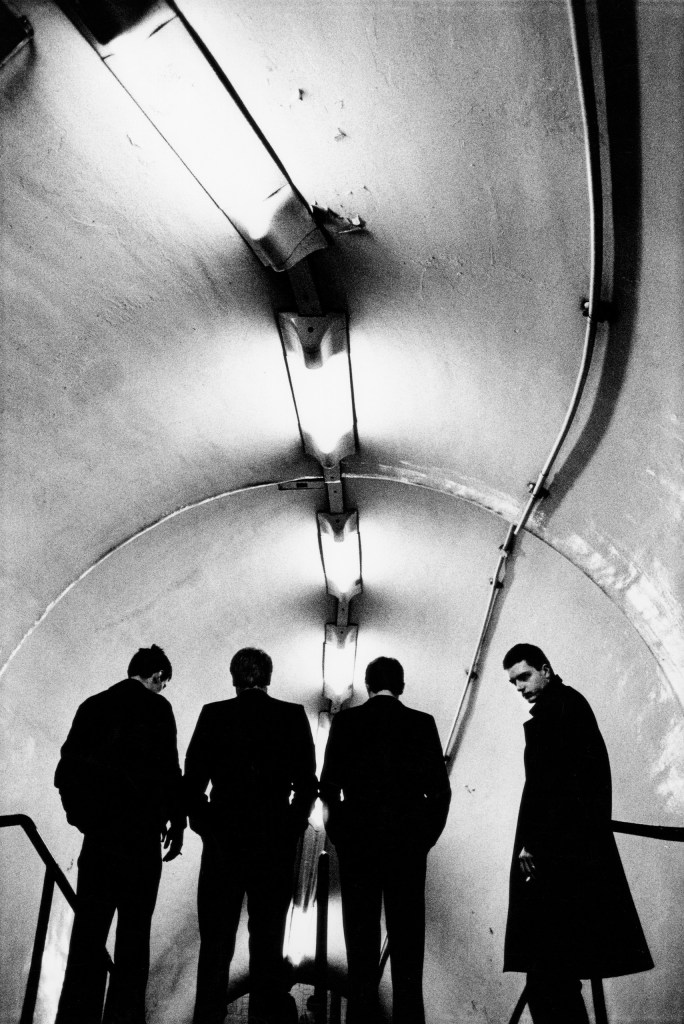
Many of Corbijn’s images have become iconic, especially a prescient shot of Joy Division in a tube station in London, in which only Ian Curtis, the band’s singer, faced his camera. When Curtis committed suicide months later the image graced the front cover of NME. ‘I knew it would be a strong picture but, when Ian passed away, that picture started to look very different. It started to look like I knew something that I didn’t. You can’t redirect that – that’s just how people read it a certain way and you have to let it be.’
Power of the photograph
Corbijn is also wary of not giving away too many stories behind his pictures. ‘As an audience, you look at a photograph and you can make it yours. You can think of the person, think of what happened before and after, and the meaning of it. If I start telling you how it’s done I think that usually devalues the photograph and takes away any sort of fantasy you have about the circumstances. I think it’s a shame to limit the power of the photograph.’
As the 40 minutes of our Zoom call are nearly up I ask Anton Corbijn if he’s happy with his new book. Somewhat modestly, he replies, ‘I’m very happy. I did three signing sessions with huge turnouts, so I’m really happy that, at my age, there’s still an audience. I don’t take that for granted. I’m not into perfection at all, but I do work hard at what I achieve.’
The book CORBIJN, ANTON by Anton Corbijn (ISBN: 9789464941609) is published by Hannibal Books and has an RRP of £135.
Biography
Anton Corbijn is a Dutch photographer, filmmaker and video artist who was born in May 1955. He began shooting local bands at the age of 17, before moving to London to work for NME magazine as a staff photographer. He has directed over 80 music videos for musicians, including Nirvana, U2, Metallica, Depeche Mode and Joy Division. Corbijn has directed five feature films and shot album covers for U2, Depeche Mode, Nick Cave, Bon Jovi, Bruce Springsteen, the Rolling Stones and many more. The 2012 documentary Anton Corbijn Inside Out explored his professional and personal life.
www.antoncorbijn.com
Corbijn’s advice to young photographers
‘Don’t listen to me or other people. Just do your own thing – that’s the only way you’re gonna get the pictures you want. I don’t know whether you’ll be successful or not, but, as an artist, you have to make what you believe in. You can’t be depending on commercial things, unless you want to become a very commercial artist. I mix it up a bit. I do some things that I get money for, some other things I do for myself and, sometimes, they are commercially viable too. But don’t start with that.’