Our emerging photographer series aims to shed a light on up-and-coming talent. Photographers are offered a platform to share their work with a wider audience through the AP channels, with the scope of furthering their careers. We also get an insight into their inspirations, the camera gear used and future aspirations, as well as the journey taken into photography – which doesn’t have to be the most traditional route!
Successes stories
Si Jubb and Ethan Parker, who won our Emerging Photographer of the Year award at this year’s AP Awards, recently spoke at our Festival of Photography: Documentary event. Previous emerging photographer award winners include Aliz Kovacs-Zoldi and Tariq Sadu. We’ll be sharing the work of photographers on our website and social media and even in the magazine. If you have recently started your photography journey or are a student / graduate, share your work with us at [email protected]
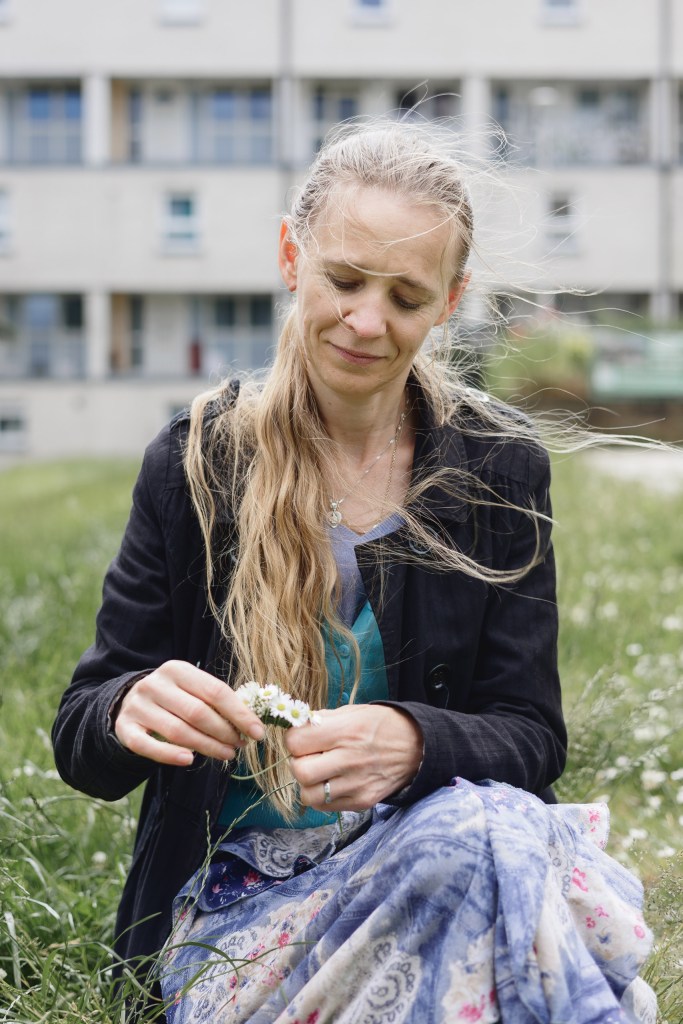
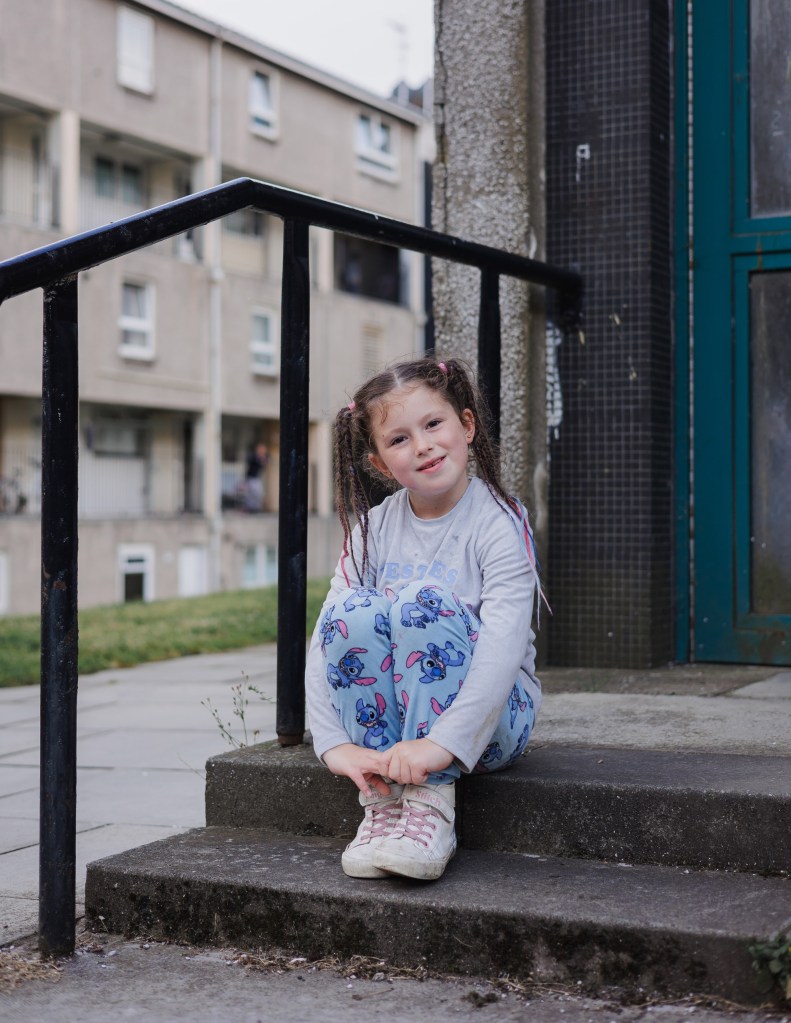
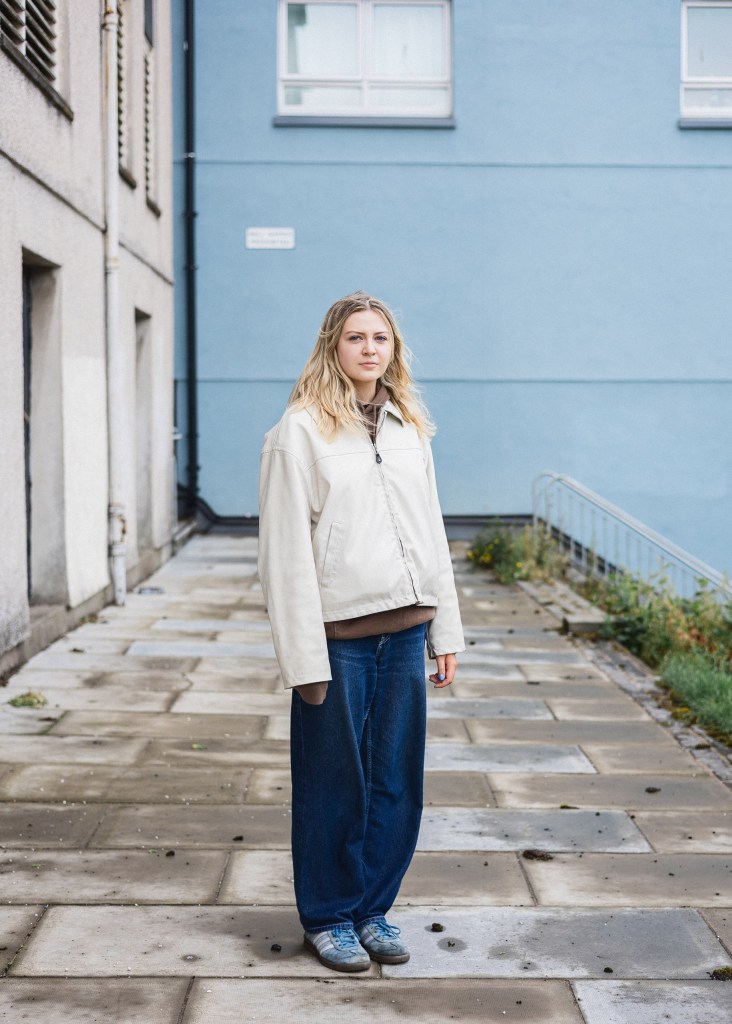
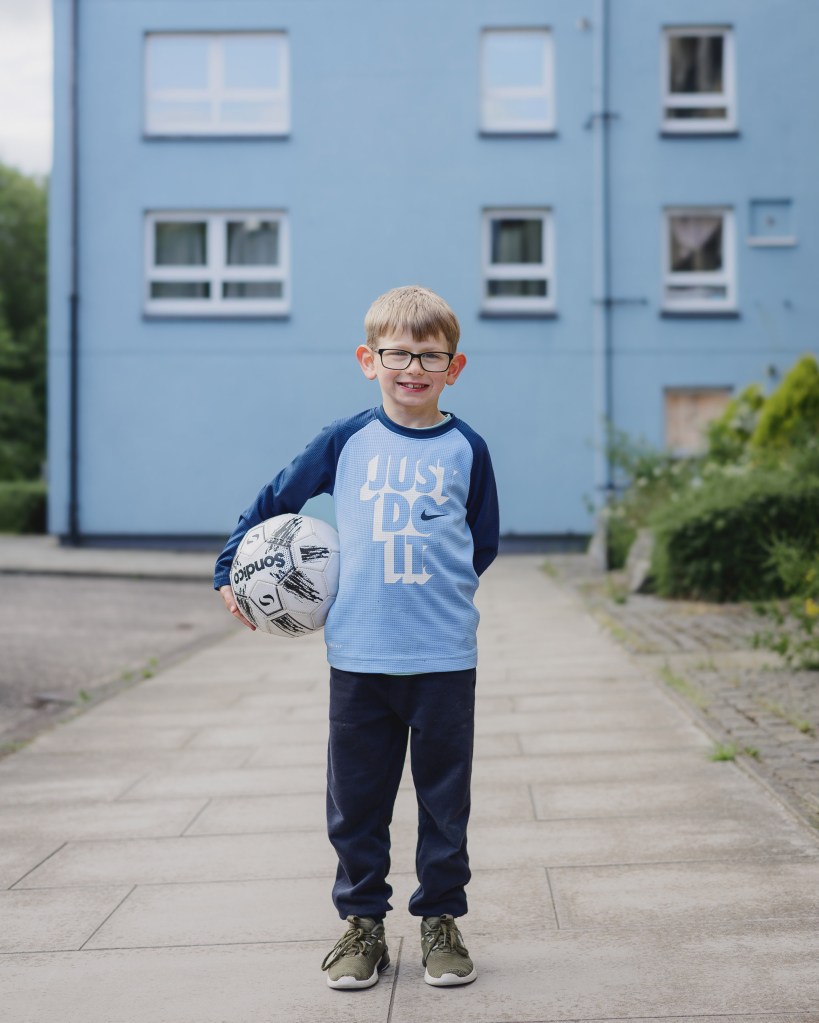
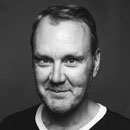
For this chapter, Ritchie Elder speaks with Peter Dench
When and why did you start taking photographs?
I picked up my first DSLR in 2021, with no expectations other than trying out a new hobby. At the time, I was working in financial services — not exactly the most creative profession! For the first time in my adult life, photography gave me a chance to experiment with something artistic. Over time, I grew to love making pictures, often heading out after work to capture life on the street.
Which genre do you tend to work mostly in?
I class myself as a portrait and documentary photographer.
What draws you towards your favoured genre?
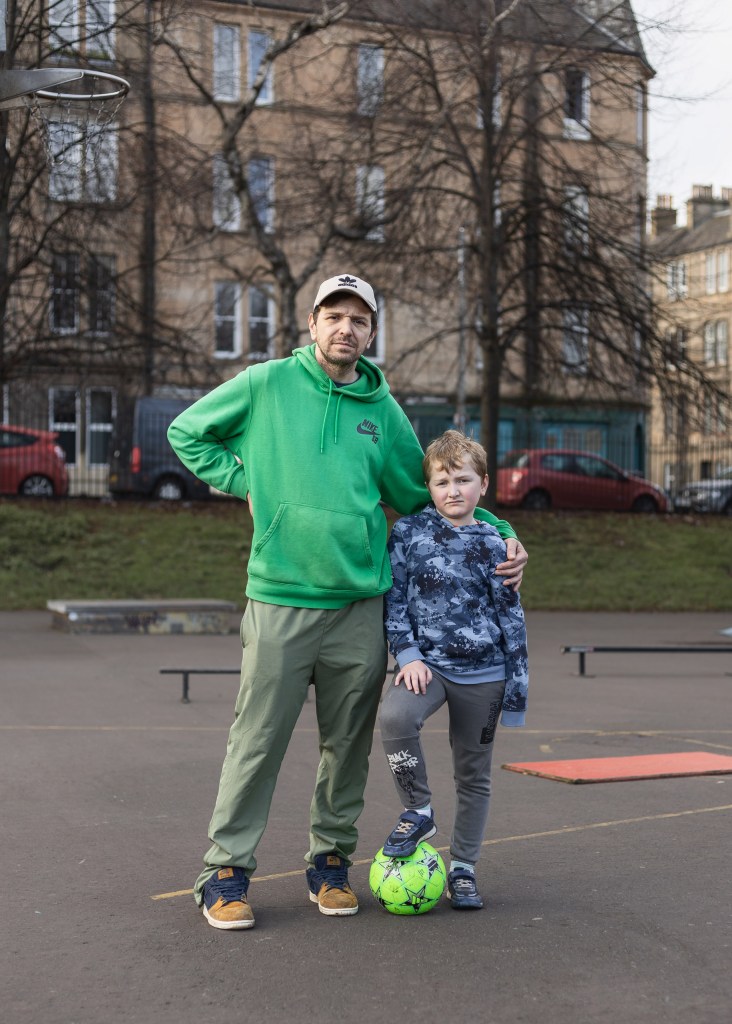
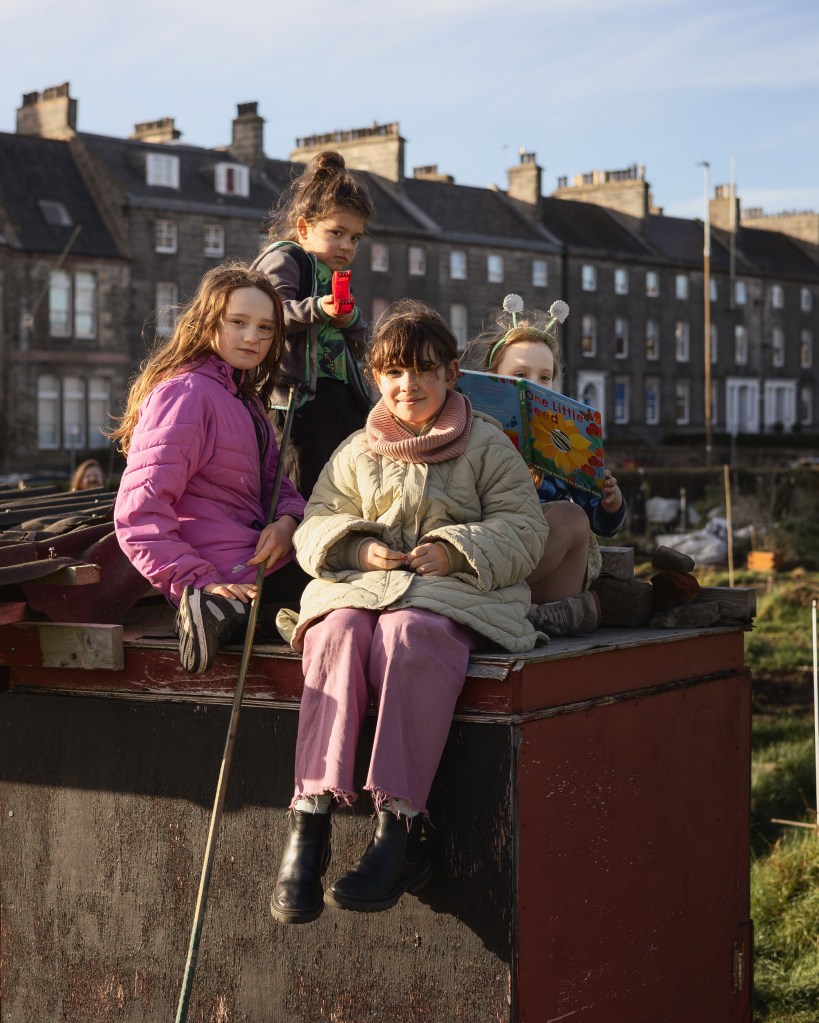
I’m fascinated by creating bodies of work that inform and engage the viewer. I particularly enjoy collaborating with people and exploring the relationship with their environments. My practice also examines cultural, social, and economic issues I feel are important to share with others.
Tell us a little bit more about your photographic training (if any) – what does/did your course entail and why did you want to study on this particular course?
Wanting to dive deeper into photography I decided to enrole in the HND in Professional Photography course at Edinburgh College in 2022, studying full-time alongside my day job. I was drawn to studying photography so I could learn from current and former professionals, explore other genres, and receive continuous feedback. I enjoyed it so much that I decided to continue onto the BA (Hons) in Professional Photography course in 2024. The honours course offered the chance to specialise in my chosen discipline, work on projects I’m passionate about, and receive ongoing feedback from tutors and peers. Plus, I came away with a degree — something I never thought I would achieve!
What has been your biggest photographic obstacle to date?
Fully committing to a long-term project was a challenge for me. At the start of my most recent project, Faith, I often doubted whether it would amount to anything worthwhile – a common trait among photographers. I had a couple of unsuccessful shoots early on, which dented my confidence, and I almost gave it up altogether. Ultimately, I persisted and it paid off. My lecturers were hugely supportive during this period.
Who are your biggest influences?
There are so many incredible Scottish photographers I am inspired by: Margaret Mitchell, Niall McDiarmid, Sophie Gerrard and Simon Murphy have all been hugely influential on my work. Further afield, I admire the work of Steve McCurry, Alec Soth and Joey Lawrence.
What equipment do you use?
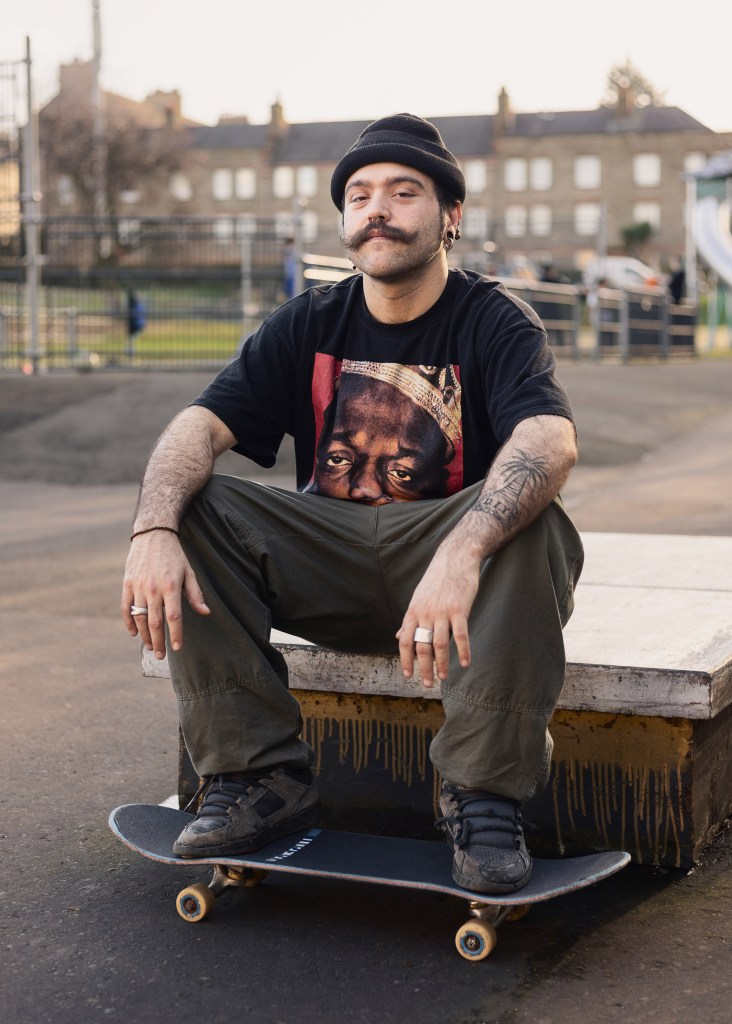
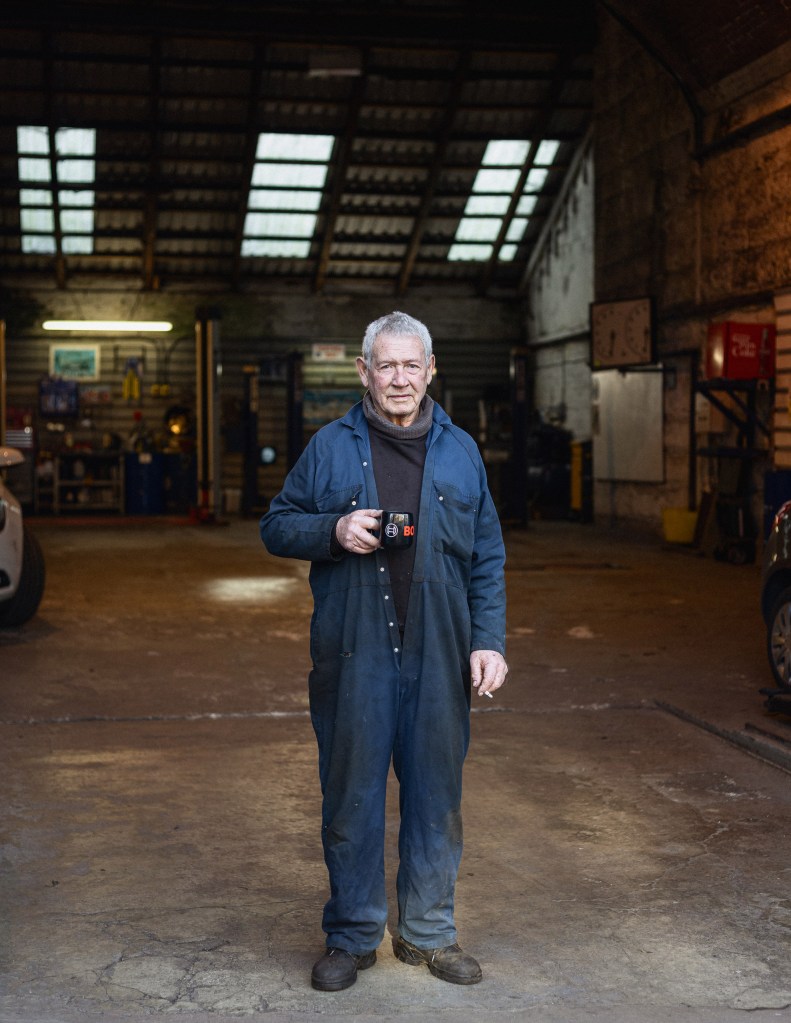
Most of my work is shot on a Canon R6 with the RF 50mm f/1.2. I find this setup ideal for my style, as a 50mm lens can produce beautiful environmental portraits. I use Godox lighting, usually keeping things simple on location by using just one light. This is important to my process, as I want to focus on connecting with the subject and putting them at ease, rather than setting up multiple lights — especially if they aren’t completely comfortable in front of the camera.
What would be your dream equipment to work with?
I can see myself moving to a medium-format system eventually, as I think the larger sensor would complement my style. The Fuji GFX lineup is the most appealing, though it’s beyond my price range at the moment!
What has been the highlight of your photography career so far?
This year has been hugely rewarding for me. I was selected as Best in Show and Winner of the People category at the AOP Student Awards. I also won the PhotoNorth Festival Student Competition and was named runner-up at the MPB Student Awards. Most recently, I was awarded first place in the Portrait (non-professional) category at the International Photography Awards (IPA).
What are your hopes for your photography career in the future?
Now that I’ve graduated, my focus needs to be on building a sustainable career. Commissions are always welcome, but I’m also interested in working with creative agencies or within the editorial space – I think my style would lend itself well to those sectors. At the same time, I hope to continue developing my personal projects alongside professional work.
Do you have a dream assignment?
Being commissioned to do my own projects would be amazing. Ultimately, I most enjoy collaborating with people and communities, especially groups whose voices are often overlooked. Having the creative freedom to tell their stories and shape the work would be ideal.
What piece of advice would you give to other aspiring photographers, particularly those currently embarking, or about to embark, on a photographic course?
My advice is not to view a photography course purely as a way to earn a qualification — although gaining a diploma or degree is certainly an achievement. Instead, see it as an opportunity to develop your portfolio, experiment with different styles and techniques, and push yourself creatively. A course gives you access to resources, guidance from experienced tutors, and feedback from peers, all of which can be far more beneficial for your growth as a photographer than the certificate itself.
Tell us more about your projects?
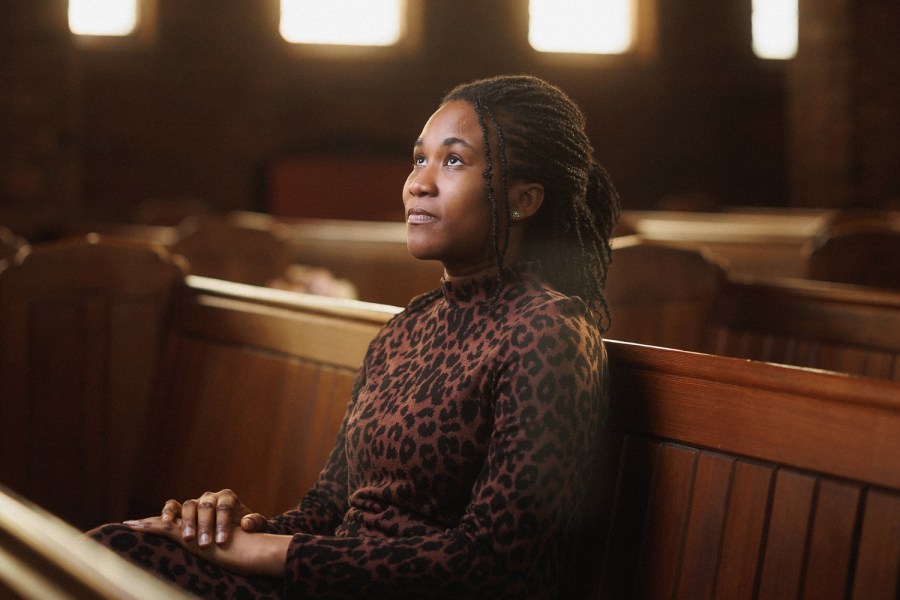
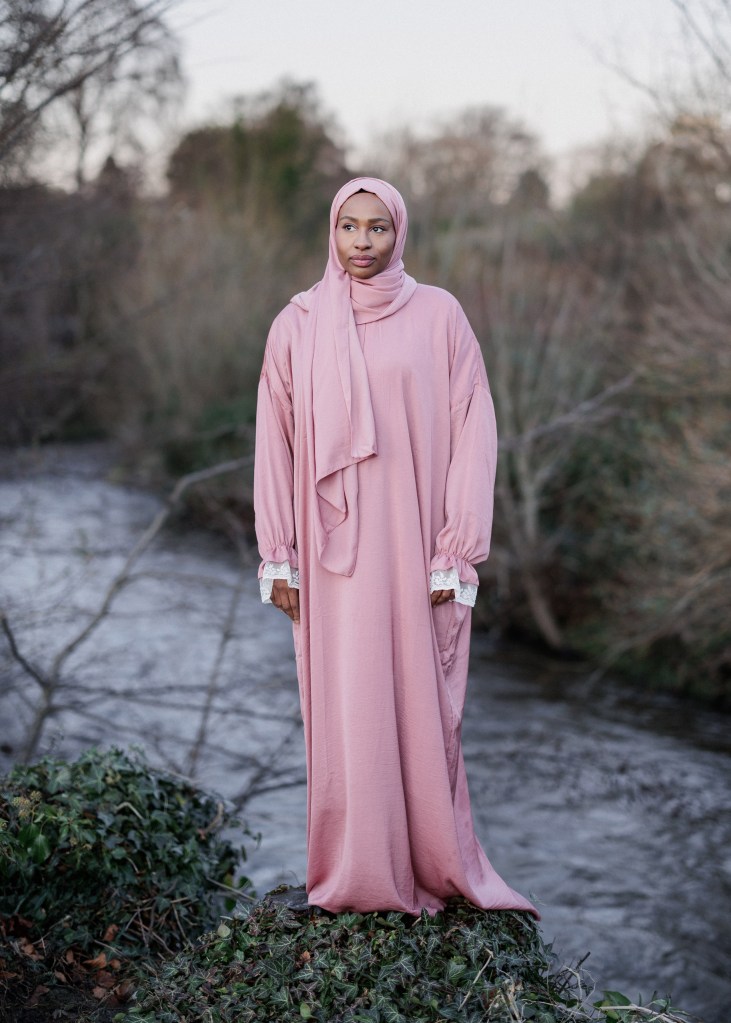
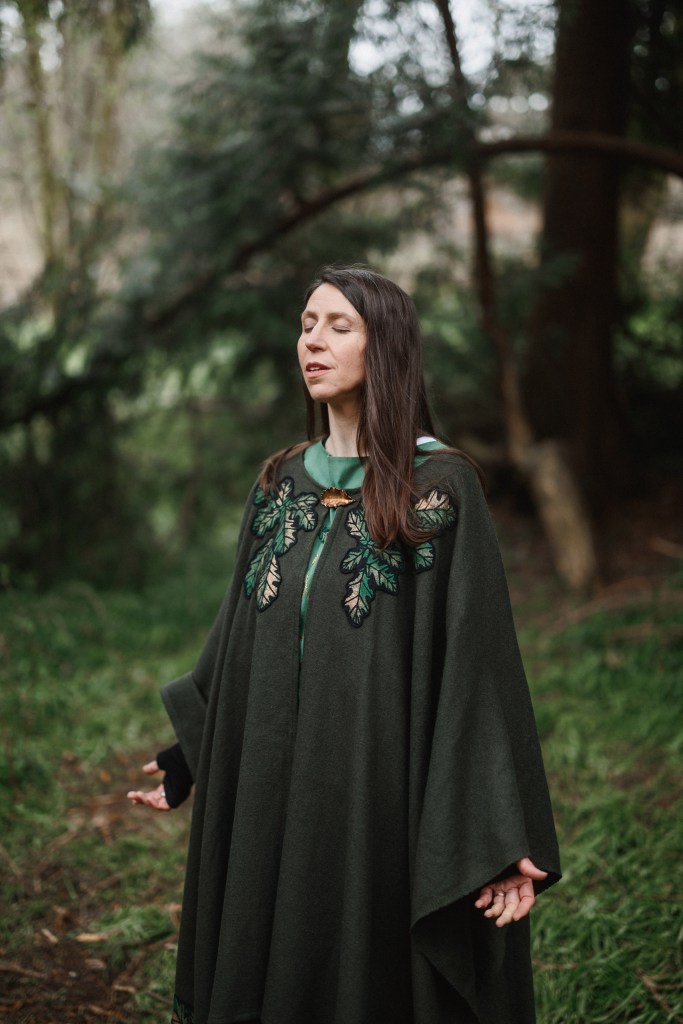
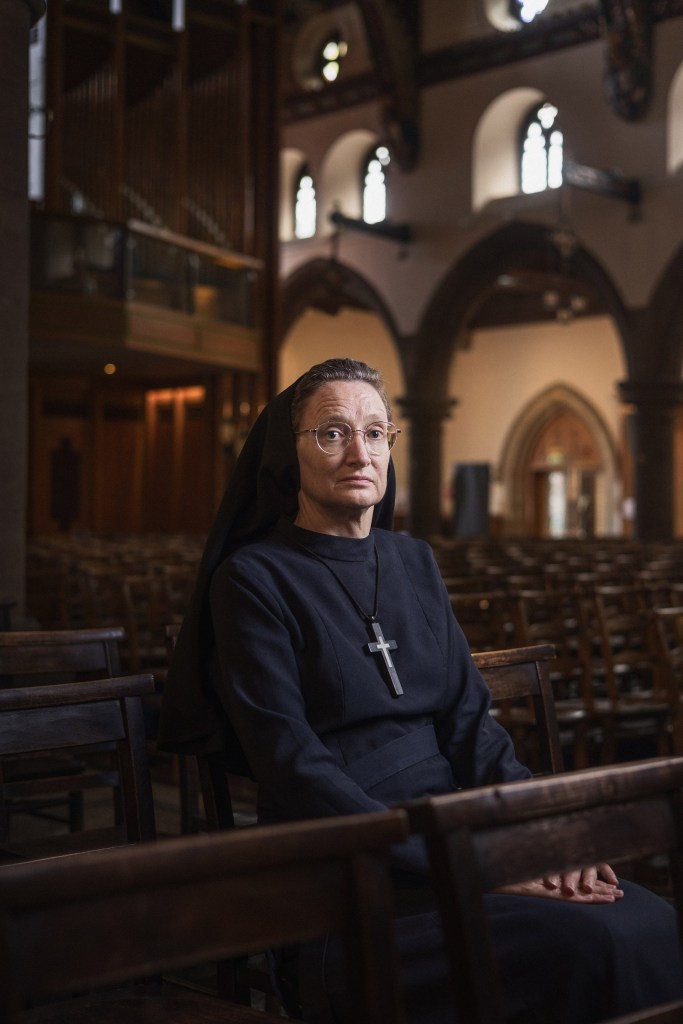
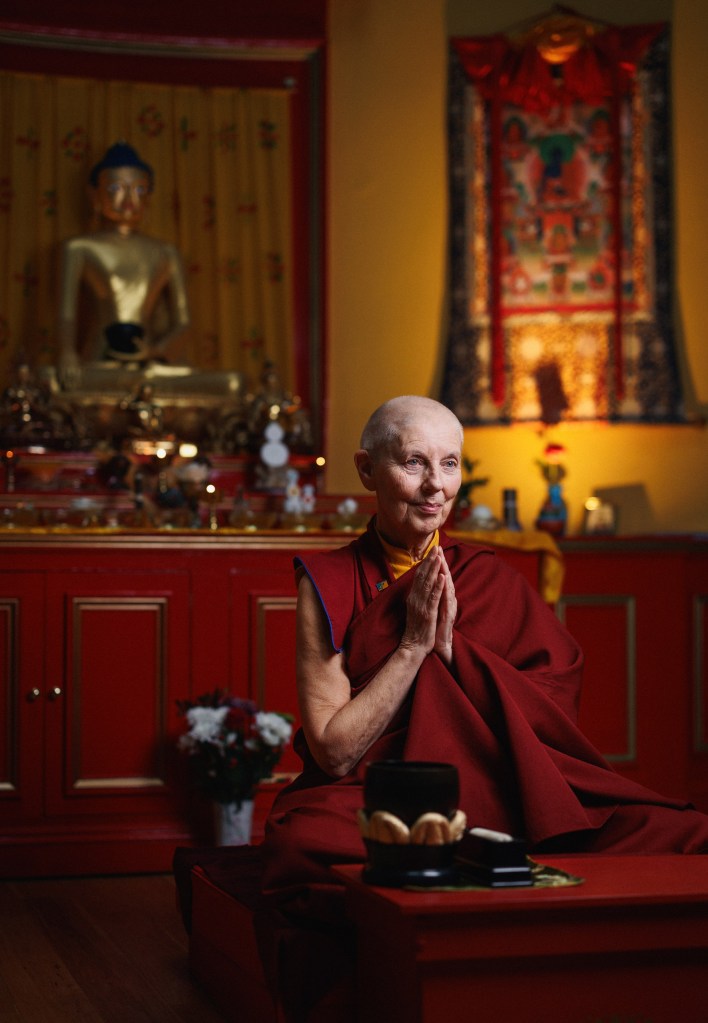
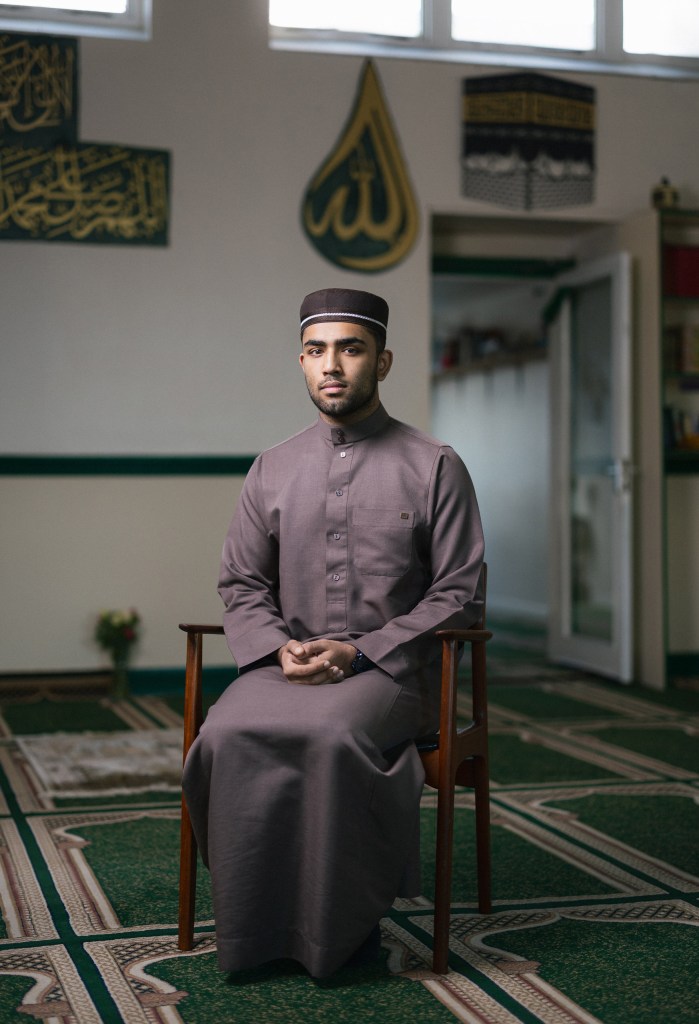
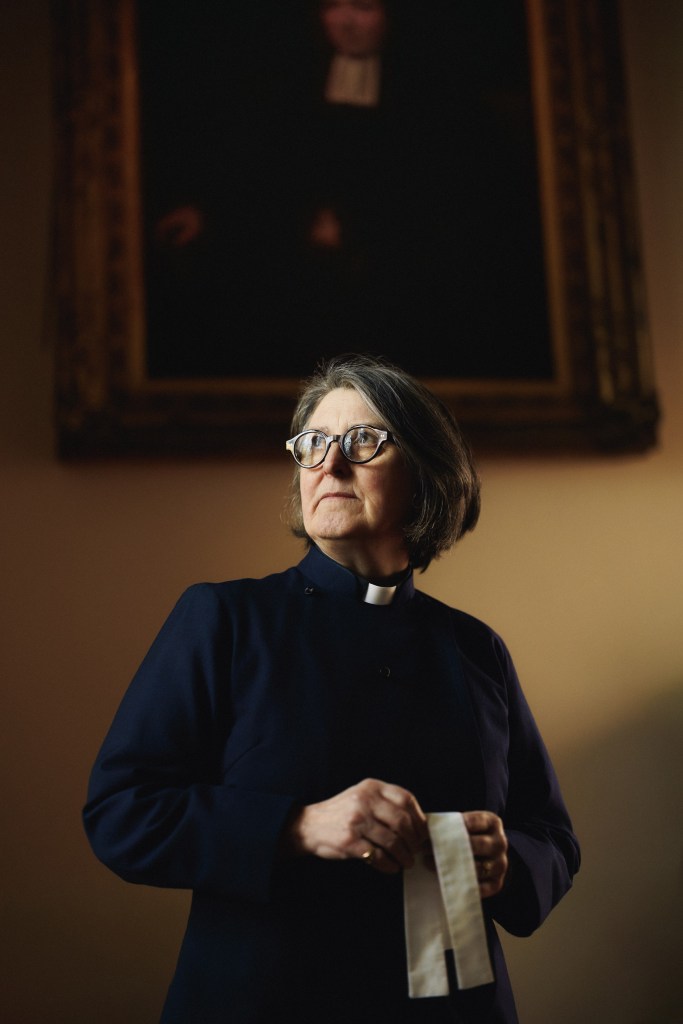
Faith is a documentary project examining the diversity of religious experience across Edinburgh. This work seeks to foster a deeper understanding of how spirituality shapes daily life, community, and culture. It highlights the unique expressions of religion across different groups, exploring the intersection of faith and personal identity. Through collaboration with a range of communities, I observe how faith continues to adapt within an increasingly secular Scottish society.
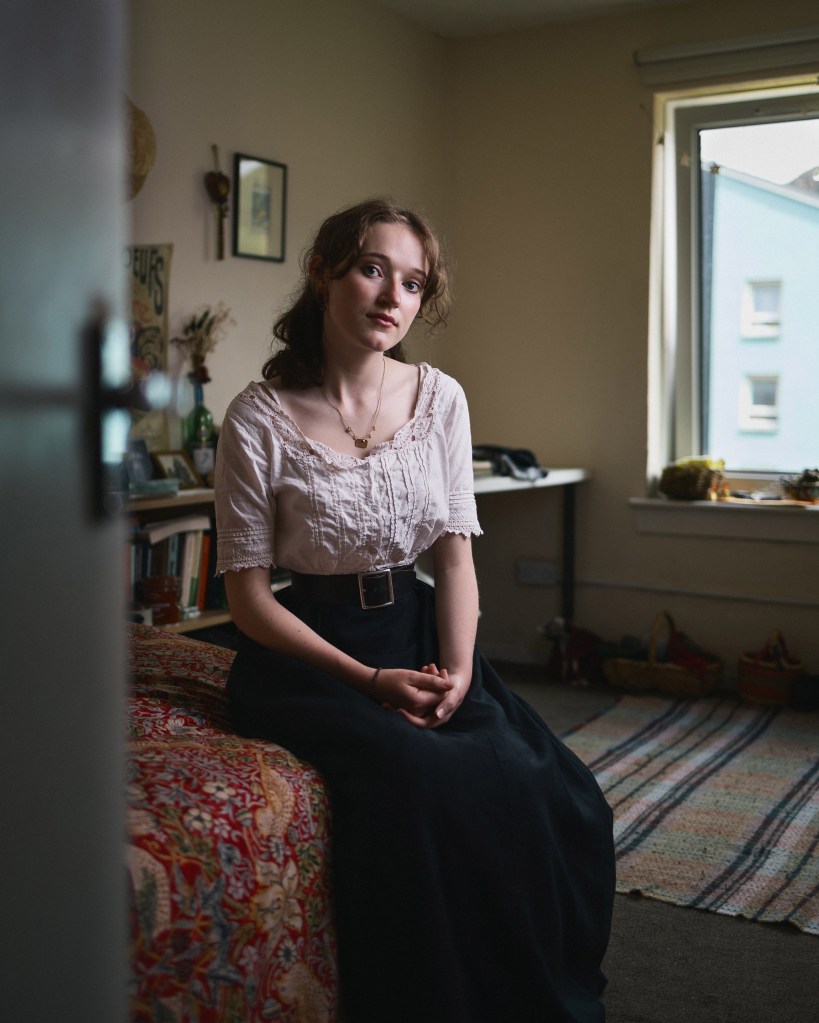
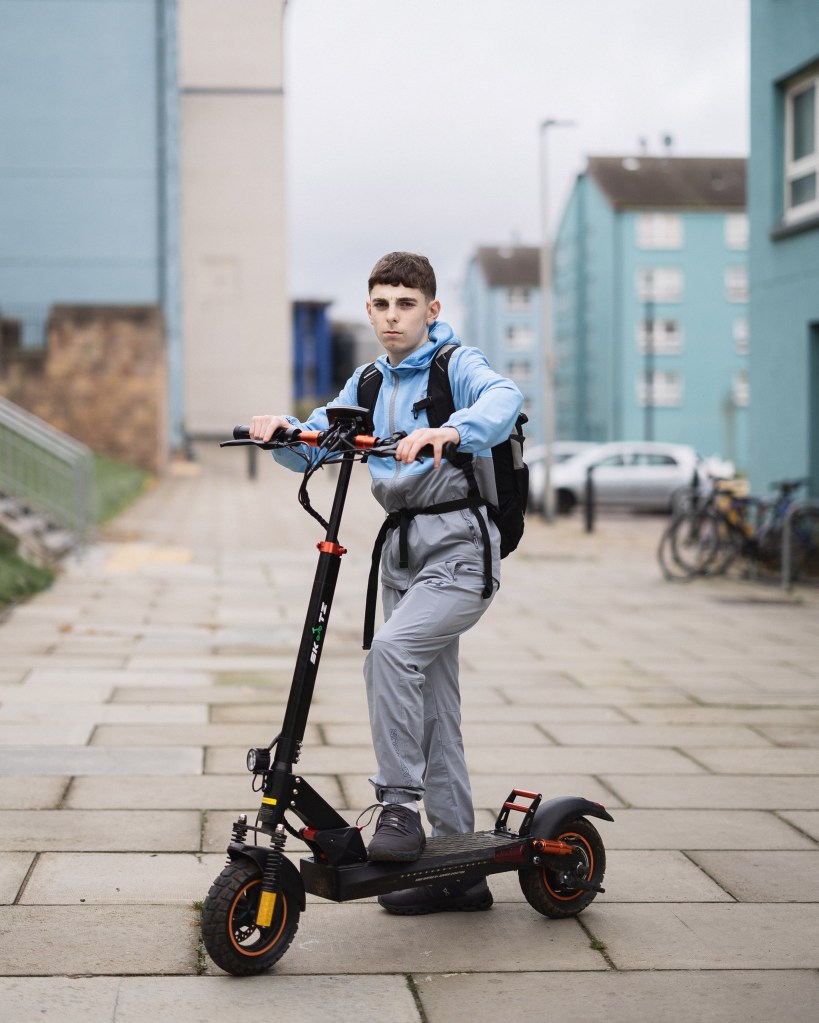
The Dumbiedykes housing estate is uniquely situated beside Edinburgh’s Old Town and the Scottish Parliament. Built in the early 1960s on condemned tenement sites, Dumbiedykes stands in contrast to its affluent surroundings and continues to spark debate about social inequality in Edinburgh. My childhood memories of the estate inspired me to return and document the area and its residents. After more than twenty years away, revisiting Dumbiedykes challenged me to reconnect with a place that had shaped my early experiences.
What kind of reaction have they had?
The reaction to both projects has been incredible. They are quite distinct from one another, and it’s been pleasing to see the different ways people connect with them. Most importantly, many of the subjects themselves have responded positively — knowing they feel represented in the work matters a great deal to me.
Instagram ritchie_creative