In this day and age, it’s hard to get away from screens. While photography is a peaceful, mindful hobby that’s great for decompressing, all the best cameras for photography still require an amount of engagement with the digital realm.
Even if you’re not chimping at the rear screen, you’ve still got to download the photos from the card, spend time editing them in software. And if you’re not printing, which most people aren’t, you’ve then got to share them online if anyone other than you is going to see them.
And to be honest, film photography is pretty much the same way in the modern age. Sure, the cameras themselves are analogue. But, unless you have a full darkroom and printing setup in your house – which, again, most people don’t – it’s likely you’re going to ultimately end up with digital files, probably scans from a local lab. Many film photographers also now put their images through Lightroom workflows of similar depth and complexity to digital photographers. Shooting on 35mm or 120 in 2026 isn’t really the wholly analogue experience you might expect it to be.
The digital detox is a concept that’s gaining in popularity, with more and more people looking to break the stranglehold their smartphone has over their attention spans. If you’re looking for a photographic digital detox, for my money, there’s only one route left to go down. Have you guessed what it is yet?
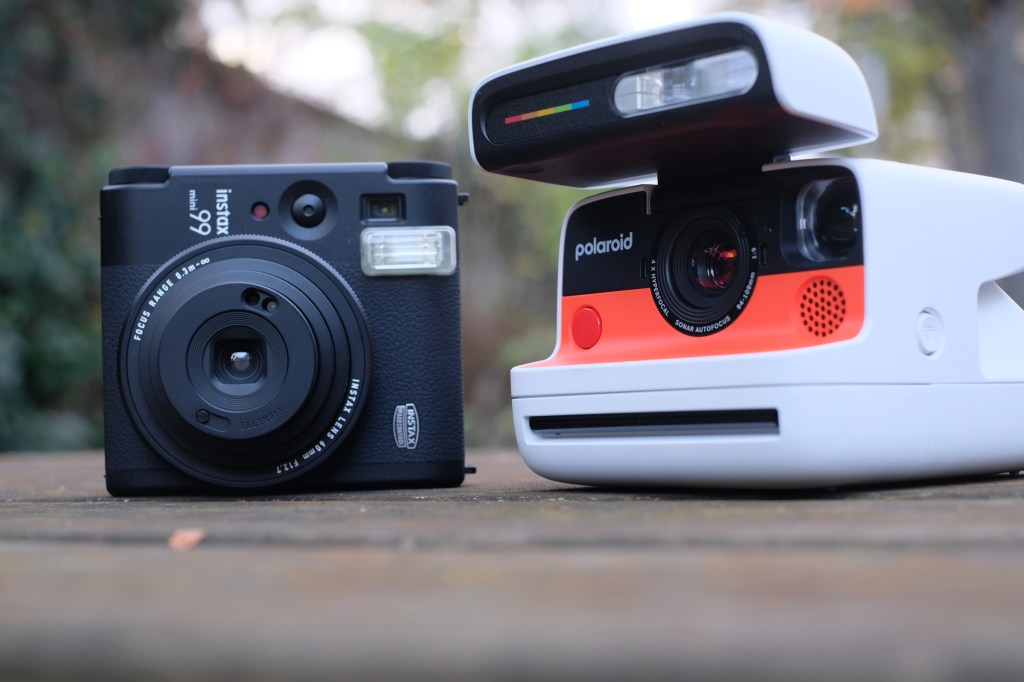
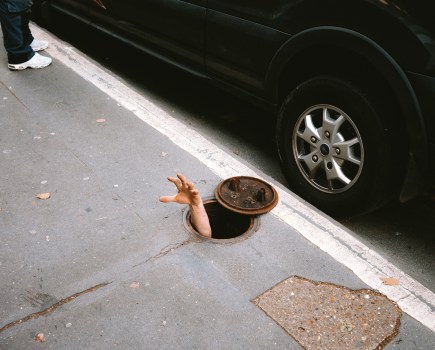
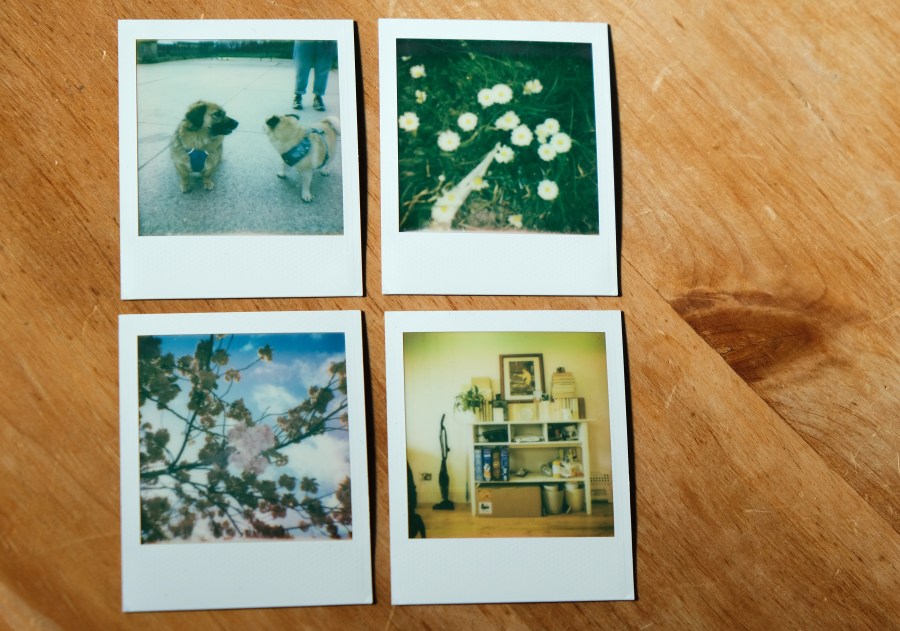
Well, you probably had, because you saw the picture at the top, but yes – instant photography. You point, you push a button, and a physical photo print comes out. If you want to get a break from screens in the modern age, this is likely going to be the best way you can do it.
Polaroid and Fujifilm Instax both produce fantastic ranges of fun, tactile instant-film cameras, of which all can be operated entirely without the need for a phone or a computer. Sure, they have digital integration features like app-based control – but they don’t need it, leaving you with the option of leaving the phone at home.
Instant photography is limited in terms of its image quality, compared to both digital sensors and 35mm or 120 film. But for me, that’s another point in its favour when it comes to digital detoxing. With the digital age has come an obsession with technical perfection. Digital photography aficionados obsess over pixel peeping, while film nerds get hot and bothered over characteristics curves of different stocks.
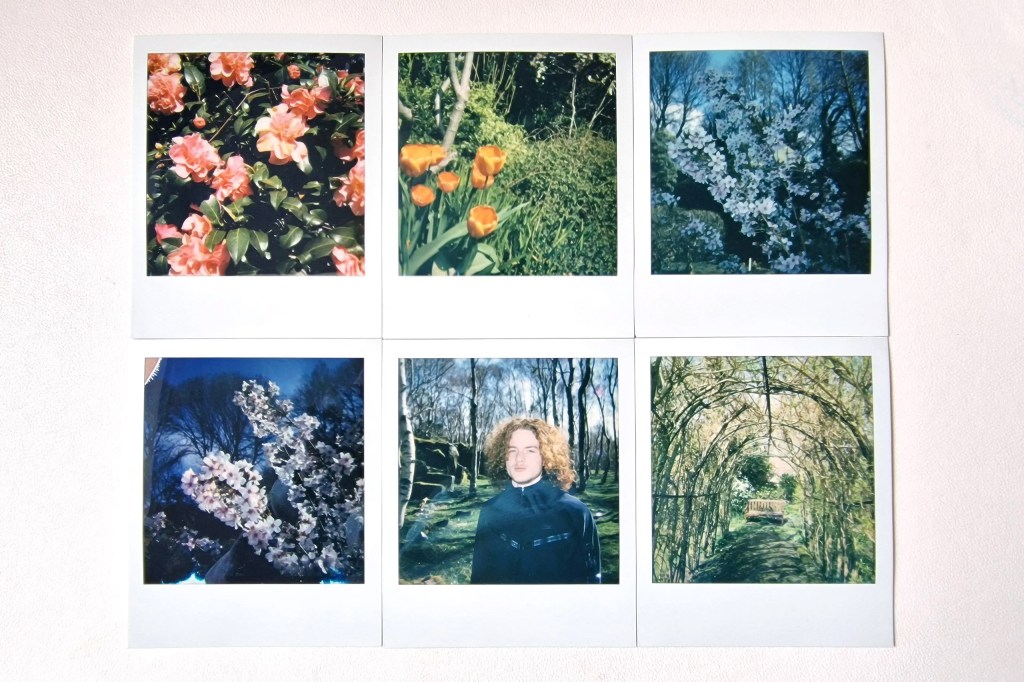
Whereas instant film photography just doesn’t support that type of magnifying-glass pedantry (I mean, the nerds will still try, but there’s limited scope for it). It frees you up to just have fun, to shoot and create in a tactile, expressive way, without worrying that a bunch of online know-it-alls are going to tell you that you’re doing it ‘wrong’.
And as for sharing – sure, you can take photos of your instant print and upload it to socials. But for me, the best way to share an instant photograph is the old-fashioned way. Give it to someone! Hand them out to friends and family. Or pop them up on your shelves for others to admire when they visit.
That’s why, when I want a true break from the constant sensory barrage of the digital world, I won’t reach for my Fujifilm digital camera, or even my Pentax ME Super. I’ll pick up my Polaroid Flip.
Related reading:
- Is the monochrome camera revival a black and white issue?
- Forget high-tech mirrorless – 2026 is the year of the toy camera
- Is this the start of the compact camera renaissance?
The views expressed in this column are not necessarily those of Amateur Photographer magazine or Kelsey Media Limited. If you have an opinion you’d like to share on this topic, or any other photography related subject, email: [email protected]
Follow AP on Facebook, Instagram, YouTube and TikTok.