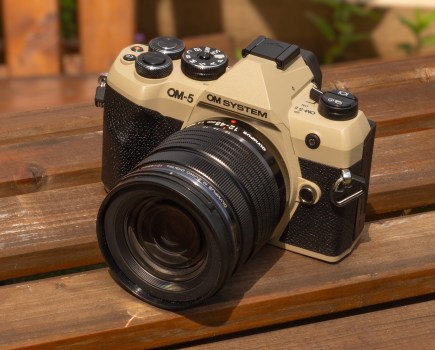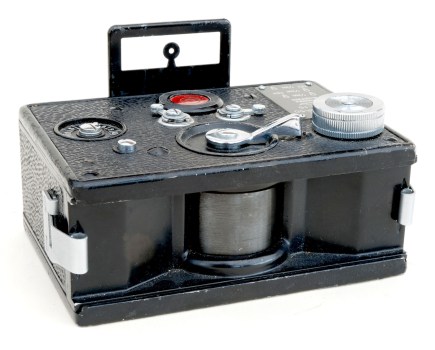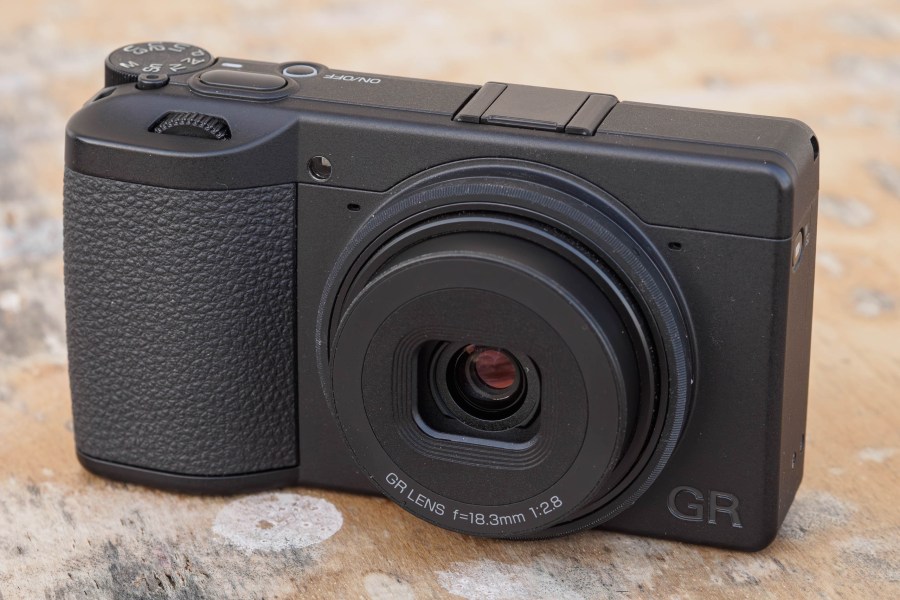
Life is colour and colour is life, so stripping that away when it comes to photography seems counter-productive, perverse even. Yet lately there’s been a growing trend for monochrome sensor digital cameras. Leica has been a pioneer in this regard with its Leica M11 Monochrom and Leica Q3 Monochrom cameras, while Ricoh has offered up the GR IV Monochrome compact and previously the Pentax K-3 Mark III Monochrome DSLR.
Manufacturers have claimed stripping away the ‘distraction’ of colour enables a return to a purer form of photography. And, indeed, when I think of greats like Cartier-Bresson, Avedon, Penn or Bailey in his golden era, the imagery I strongly recall is black and white. For example, Bailey’s Box of Pin Ups which now commands silly money, Cartier-Bresson’s puddle-jumping man, plus the sailor kissing the nurse in Times Square on VJ Day, captured by Alfred Eisenstaedt.
Of course, all were shooting on black and white film, not digital, as the prime tool at their disposal. But I don’t believe a desire to shoot monochromatic imagery in the present day is at all to do with nostalgia. There is something about black and white that gets straight to the point – and reveals the true essence of the photographer’s intent.
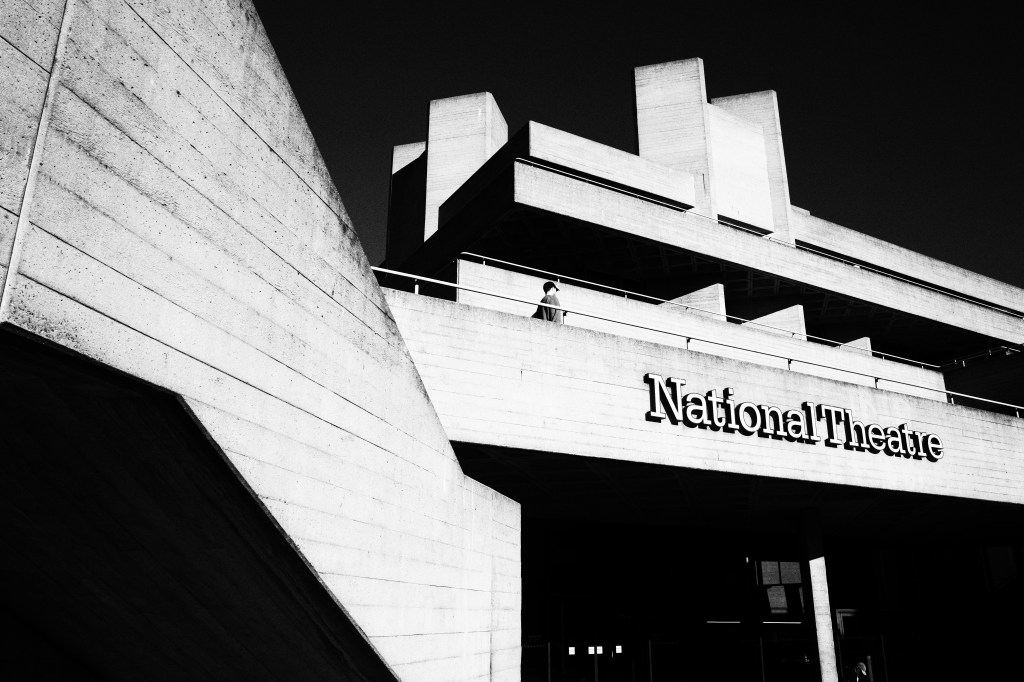
Black and white can simply feel more authentic; authenticity being increasingly prized in an era in which we’re flooded with AI enabled fakery. I’m told my posts are more likely to be seen online if I’m sharing the fruits of my personal expertise and experience.
Scroll-stopping impact
If you’ve doomscrolled through Instagram you’ll also appreciate that a strong black and white image can stop us in our tracks, amid all the high gloss social media friendly snaps.
The same is true in the real world. I recently visited the Brit School for performing arts, which has a wall in reception showcasing its most successful ex-pupils. Amid 40 or so colour portraits including Adele, FKA Twigs, Lola Young and Tom Holland, one jumped out at me. It was the only print in black and white. And it was of the late Amy Winehouse. Now I can’t tell you if that choice was made because it was the best picture they had, and it just so happened to be B&W, or they deliberately wanted her to stand out from the crowd – and the living. But stand out she did.
While I admire the boldness of manufacturers releasing monochrome sensor cameras, that in theory give us finer detail and reduced noise, it does still feel spectacularly niche, however. Especially when I can instantly convert a colour file to B&W in any image editor if it looks punchier that way, less is more, or I want to more graphically focus on light and shade.
As ever, it’s horses for courses. But I think a large part of the appeal is not that B&W images simply look more ‘classic’. It’s that, even though our world is one of colour and increasing noise, by limiting ourselves we can cut through all of that and finally be seen.
Related reading:
- Best cameras for black and white photography
- Is this the start of the compact camera renaissance?
- Complete guide to black and white photography
The views expressed in this column are not necessarily those of Amateur Photographer magazine or Kelsey Media Limited. If you have an opinion you’d like to share on this topic, or any other photography related subject, email: [email protected]
Follow AP on Facebook, Instagram, YouTube and TikTok.