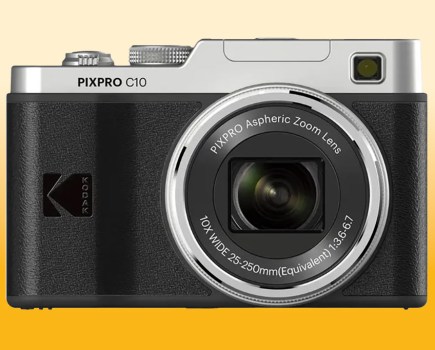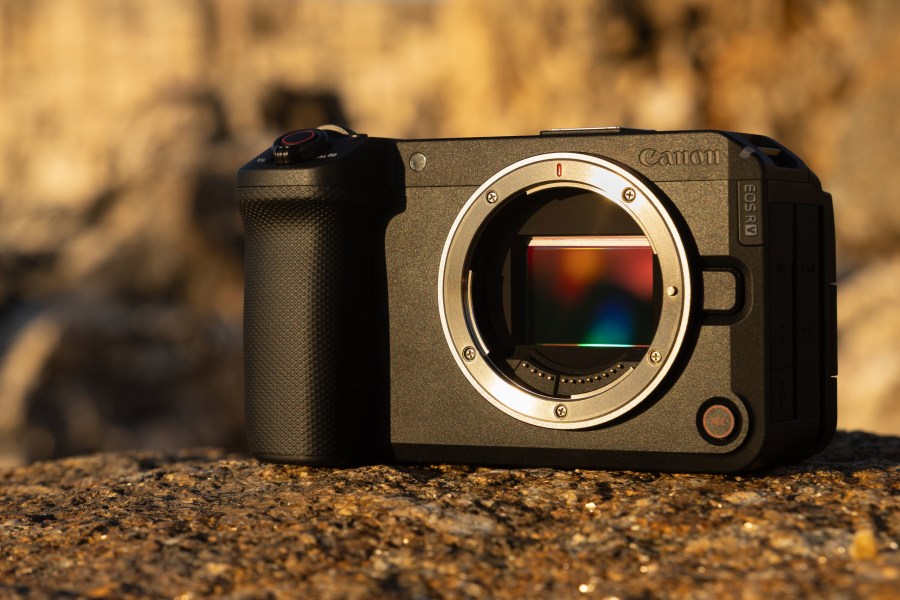
Recent figures1 from camera industry watcher CIPA (Camera and Imaging Products Association) in Japan reflect what we’ve been conscious of for a while. Namely, that shipments of fixed lens compact cameras continue to rise 30% year-on-year – a growth rate that surpasses all other camera categories – while the DSLR segment continues its drawn-out decline, with shipments down 30% compared to last year.
Neither of those are particularly surprising bits of info, as, unlike most major manufacturers want to acknowledge, it appears interest in compact cameras now goes beyond what they might have once dismissed as a blip. Or, indeed, a short-lived trend hyped up by social media influencers.
But what is more unexpected news is a potential slowdown – in fact a modest 2.6% fall expected by CIPA across the whole of 2026 – when it comes to mirrorless cameras.
That equates to CIPA predicting 6.82 million camera bodies will ship in the current year, compared with seven million units in 2025. While mirrorless cameras are still outselling fixed lens compacts, the gap between them appears to be narrowing. The industry guru expects we’ll see 2.77 million fixed lens compact cameras ship this year.
Less fervour for full frame?
The mirrorless category that seems to be the hardest hit is higher end, large format, full frame cameras. CIPA reports shipments are down by just over 11% for the first four months of 2026, compared to the same period last year.
If we take photography seriously, a full frame model is what we aspire to. So, if sales are suffering, might it indicate, broadly, that camera users no longer feel image quality is the be-all-and-end-all? That the market, at least at the pro/enthusiast photographer level, has peaked? Or just that fewer new products have been launched in the full frame category of late, and existing examples are showing their age and are less desirable?
It certainly seems that for those who do want a dedicated digital camera, a fixed lens compact offering ‘good enough’ results, is indeed good enough. And not everybody needs a full frame camera, or the bulk / expense that comes with it, as we’ve written about before.
For its part, CIPA suggests fixed lens cameras are growing in popularity due to, it says, consumers ‘valuing functional characteristics’ including high magnification zooms, video recording, portability, convenience and image quality. Also rising is the average selling price of such cameras, as fixed lens compacts include the premium likes of the Fujifilm X100VI and Ricoh GR series, not just bog-standard snapshots.
Overall, though, total camera shipments when all categories are combined are expected to match that of 2025, with a dip in February this year for interchangeable lens cameras balanced by a rise this April, to take one example. I hope we see further interesting products from both major players and smaller licensees alike to stimulate the photography market further before the year is out.
Related reading:
- Here’s why you don’t need a full-frame camera
- Forget megapixels: The one spec that actually matters in a camera
- APS-C vs full-frame – which sensor size is best, and why it matters
The views expressed in this column are not necessarily those of Amateur Photographer magazine or Kelsey Media Limited. If you have an opinion you’d like to share on this topic, or any other photography related subject, email: [email protected]
- CIPA April 2026: Compact Cameras Surge 30%, Mirrorless Steady, DSLR Fading Fast | ShutterCount.net ↩︎
Follow AP on Facebook, Instagram, YouTube and TikTok.