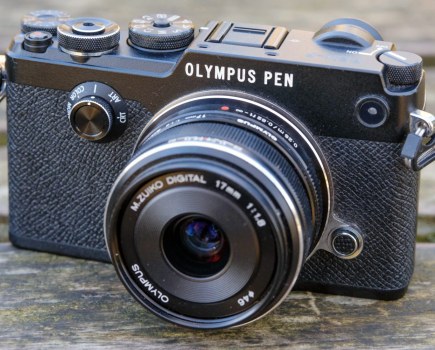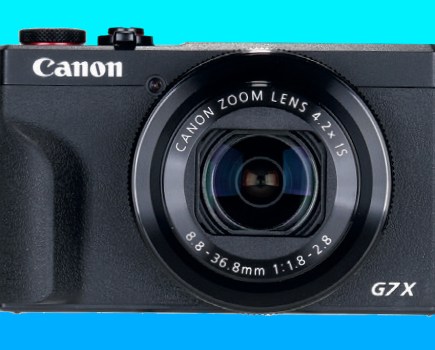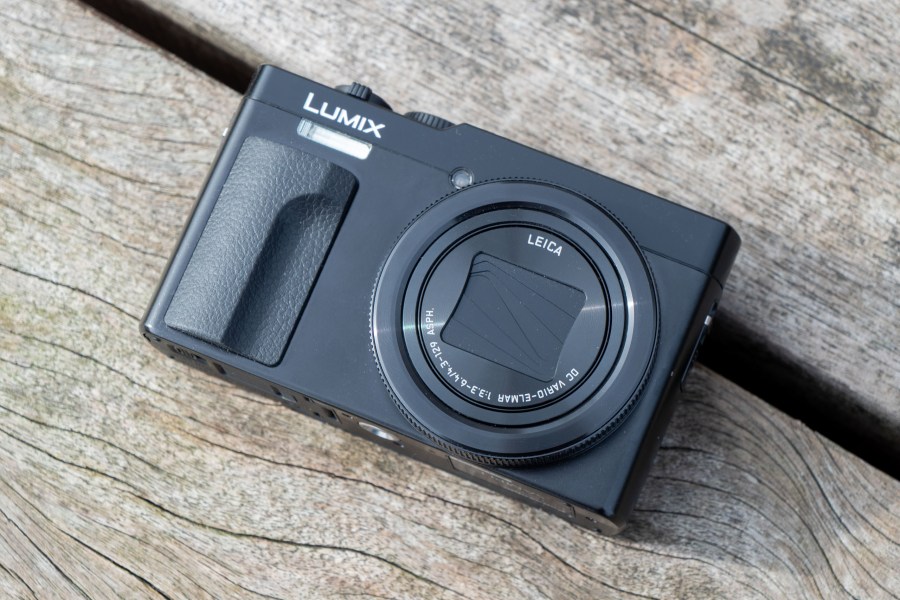
On holiday with friends recently, I fished a compact travel zoom camera out of my pocket. ‘Huh, you don’t see many of those anymore,’ one remarked. Considering I write about photography and review cameras, I found it slightly insulting. Their point being that, since almost everyone is content to use a smartphone for travel snaps, it seemed eccentric to use a dedicated digital camera. I get it; a phone typically provides the quickest and easiest way to capture an image and share it with friends and family back home. And why would you need anything else, when travel photography for most means standing with our backs to a sunset and making a heart shape with our fingers?
Yet the travel camera was a burgeoning, dedicated market segment fifteen years ago. The term was used to describe and market pocket-sized, largely point-and-shoot cameras with ever-increasing zoom power: 10x, 12x, 20x, and so on.
These compacts justified their existence because they offered something different to the smartphone – namely the propelling optical zoom on the front – which delivered a great variety of framing options, even when we were stood stock still on spot. One of the major players was Panasonic, which had its own dedicated ‘TZ’ for ‘Travel Zoom’ range, at the time offering a capable, portable product at a fair price. It introduced its first 10x Lumix TZ1 camera back in 2006 and arguably led the charge thereafter.
Despite this, the inevitable mass-market dominance of the camera phone meant most other major camera manufacturers lost interest in this segment. The pandemic, when we weren’t travelling at all, appeared to be the final nail in the coffin. Add in the shortage of sensors and components at the time, and the travel camera was dead.

Jump forward to now and a quick Internet search will reveal various travel camera round ups. But buyers’ guides are typically made up of bigger-bodied, larger sensor models like Fujifilm’s ever-popular X100V or X100VI. The closest equivalents to what was once termed a travel camera are not only more expensive today, but they’ve evolved beyond simple point-and shoots with long focal lengths that any member of the family could pick up and use from scratch.
So-called travel cameras are nowadays just enthusiast targeted cameras that happen to be compact enough to squeeze into a jacket pocket or small rucksack. That’s what makes them possible options to travel with. Not their features per se.
There’s now also overlap with cameras targeted at vlogger/content creators, spear-headed by Sony with its ‘ZV’ series. These models are deliberately compact and portable, while featuring the ability to shoot wide and cram more into our frame. We’re now easily able to show both ourselves and our surroundings when recording with the camera held out at arm’s length, lens facing toward us. Such models can readily serve as travel cameras, perfect for a weekend getaway or a longer trip, where posting a travel blog to social media at regular intervals is a must.
With travel photography today defined by sharing our personal experiences and interactions as much as the destination itself, what we demand from a camera on our travels has evolved with it. Or it could just be that the major camera companies’ thirst to jump on the content-creator camera bandwagon is further driving that change.
Maybe I’m premature in declaring the demise of the old school travel compact. In a surprisingly nostalgic move, doubtless emboldened by current social media fervour for second-hand compact cameras like the Nikon Coolpix, Panasonic recently broke its decade-long drought and launched the 30x optical zoom Panasonic Lumix ZS99/TZ99. Is this the beginning of a wider revival of a category most of us thought dead? Or is it simply paying lip service to the TikTok hipsters?
Time will tell. Just don’t let my friends know that, as late in the day as 2026, there is a fresh alternative to their smartphones for capturing heart shapes or V-signs in front of a sunset.
The views expressed in this column are not necessarily those of Amateur Photographer magazine or Kelsey Media Limited. If you have an opinion you’d like to share on this topic, or any other photography related subject, email: [email protected]
Follow AP on Facebook, Instagram, YouTube and TikTok.