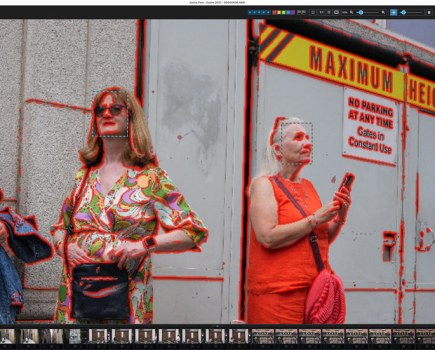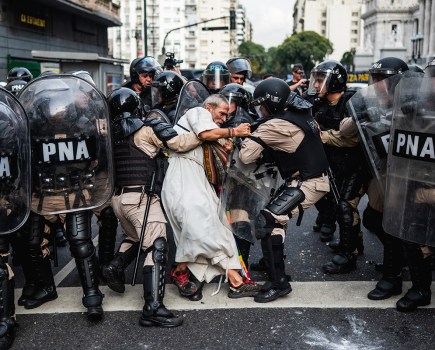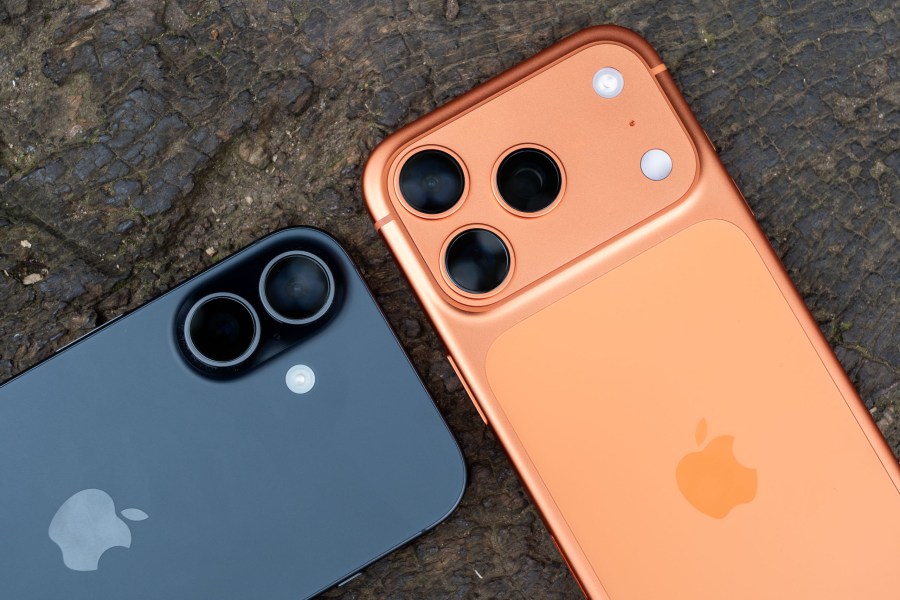
What is reality? That’s an admittedly weighty opening line for a column about iPhone photography. But it’s a question photographers have had to grapple with since the advent of AI. It’s now trivially easy to rewrite a photo in an instant, swapping people’s faces so everyone has a perfect smile or amusingly inserting a realistic tiger into every single one of your holiday snaps. (“Him? Oh, that’s Terry. Lovely chap.”)
However, photography has never been pure, objective truth. Even in the medium’s earliest days, choices around equipment, film stock and darkroom techniques could dramatically change the mood and appearance of a final print. Manual retouching allowed further adjustments to what was in the frame. Today’s digital tools are more flexible and powerful, but anxieties about what’s ‘real’ have plagued us since the beginning.
Still, I increasingly feel we haven’t just crossed a line but that the line has been vaporised. Today, AI too often seeks to invent entirely new realities rather than help you capture the one in front of you. It regularly tilts towards fakery rather than enhancement. Tech bros cheer on immediacy over craft. And this is notably stark in the approaches that have been taken by Apple and some of its competitors.
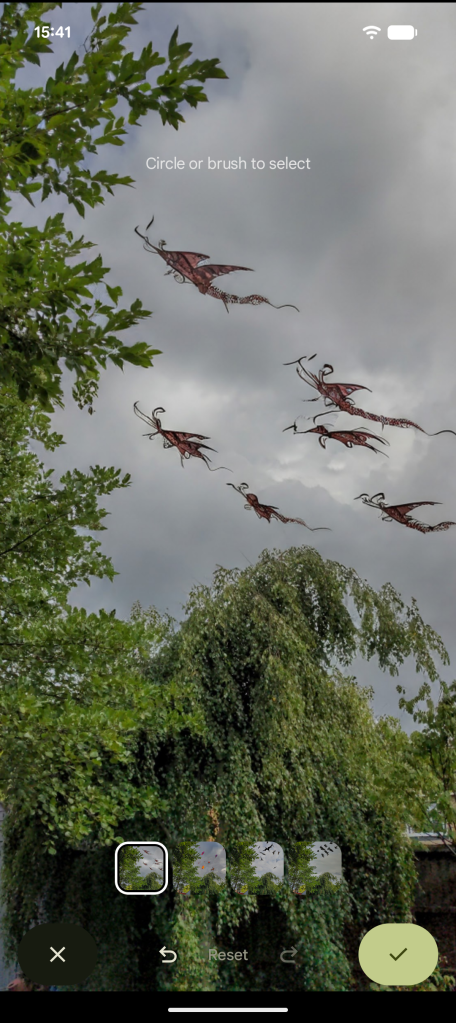
Over in Android land, we’ve seen all manner of AI shenanigans. One infamous example was Samsung’s Space Zoom, which promised you the moon. Literally. The claim was a phone was all you needed to capture our celestial neighbour in detailed form. Only it turned out if you shot a blurred image of the moon on a PC’s display, the phone would dutifully fill in the moon texture anyway. It was all smoke and mirrors.
Since then, Android phones have tended to integrate AI in a less egregious fashion. Even so, built-in editing apps may encourage changes that feel more like clever collages than moments in time. Apple, meanwhile, has been notably cautious. Despite all the Apple Intelligence hype, AI’s influence on iPhone photography has been comparatively restrained.
Sure, Apple’s complex imaging pipeline merges data from multiple frames to provide a composite of what it thinks is the best shot, rather than a literal single-frame capture. And, yes, its algorithms aim to extract the maximum possible detail. Elsewhere, the Clean Up tool in Photos uses AI to help you quickly paint out small blemishes with a finger.
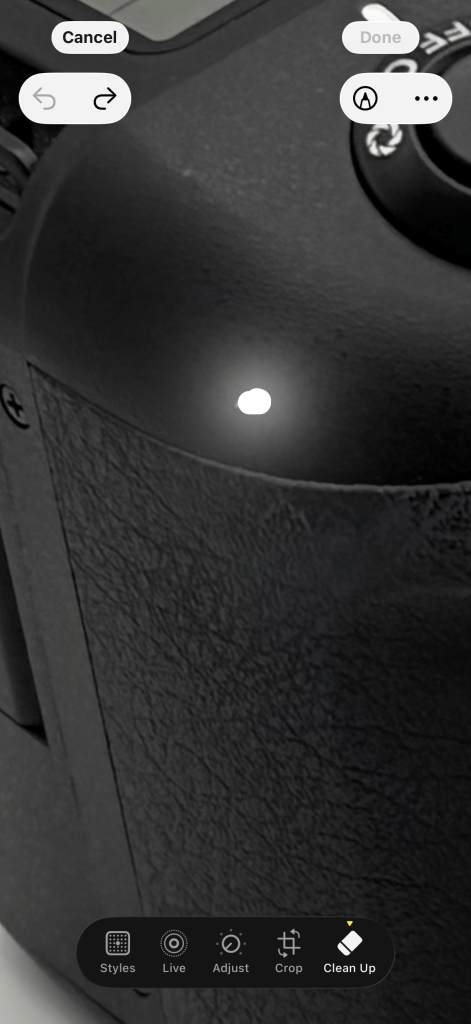
You might argue even these relatively subtle assists should be stripped out so we can return to a ‘purist’ vision of digital photography. (If so, Halide’s Process Zero is worth a look.) But there’s no fake moon. No face swapping. No tigers. If you’re desperate for that stuff, Apple would no doubt remind you “there’s an app for that” and point you towards the App Store. But I’m happy that, inside its own apps, Apple seems committed to helping you polish the reality you capture rather than letting AI reinvent it.
Related reading
- Why I think iPhone is a game changer for photography (and always has been)
- The 10 most significant iPhones ever released and how they changed photography
- I compared photos taken on my iPhone with my £4000 mirrorless camera, and was shocked
The views expressed in this column are not necessarily those of Amateur Photographer magazine or Kelsey Media Limited. If you have an opinion you’d like to share on this topic, or any other photography related subject, email: [email protected].
Follow AP on Facebook, Instagram, YouTube and TikTok.