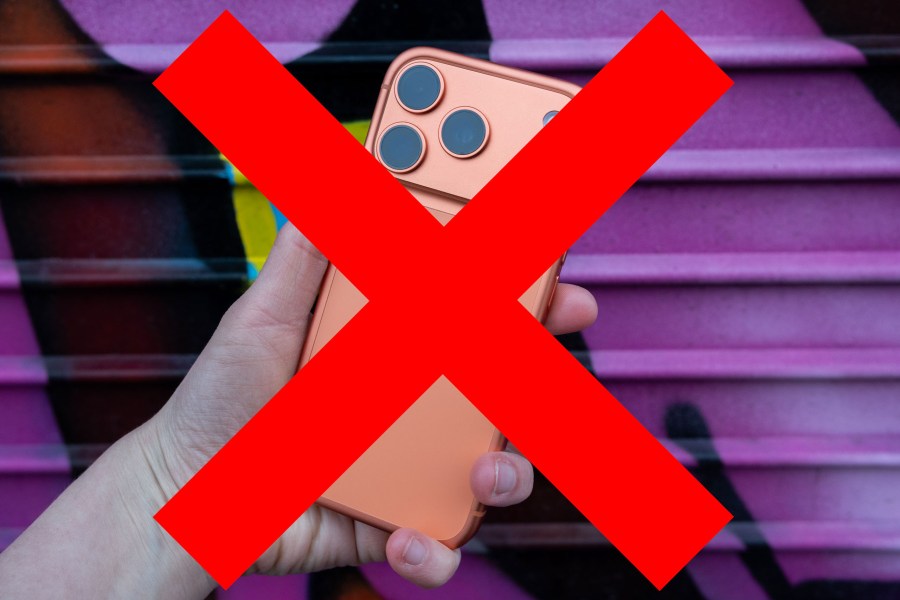
Globally, Apple has the biggest share of the smartphone market, at over 32%. Samsung is also a big player, at 20%, while all of the others fight it out for smaller chunks of the pie – for example Xiaomi is the third biggest, but has only 8.8% of the market. (Source: Statcounter). Other players include Vivo (5.87%) and Oppo (5.64%). Depending on the region you’re in, different manufacturers will have different market shares.
You might argue that in recent years, Apple has become a bit complacent about what it offers to new buyers – hardly a surprise when the company is so dominant.
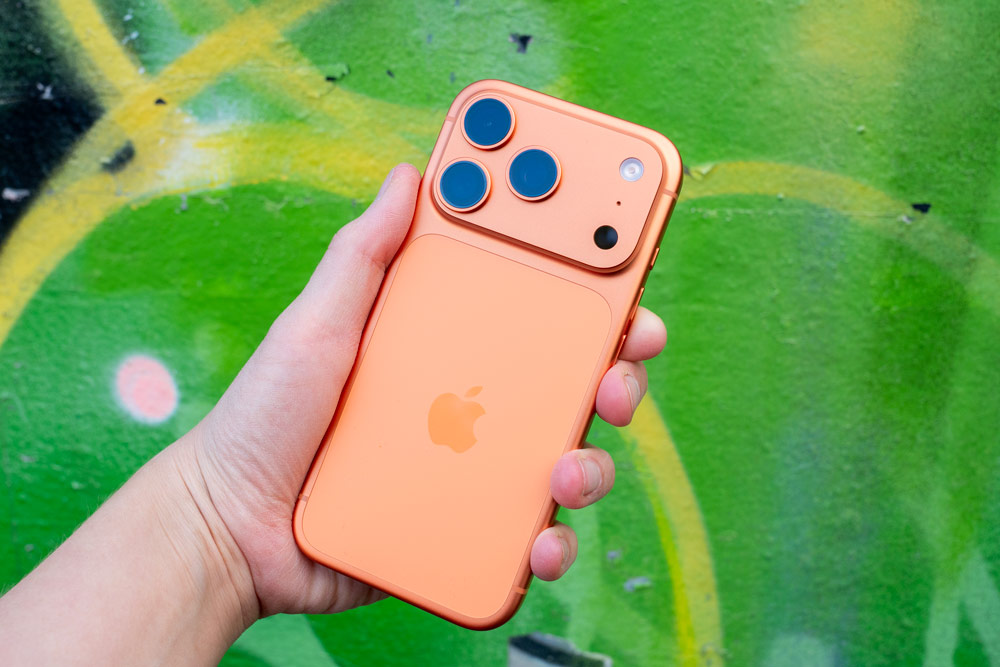
I review all of the major smartphones and over the years it has been proven over and over again that you simply get more for your money when you choose an Android. Whether that be right at the top, with flagship models, or right at the bottom with the cheaper offerings.
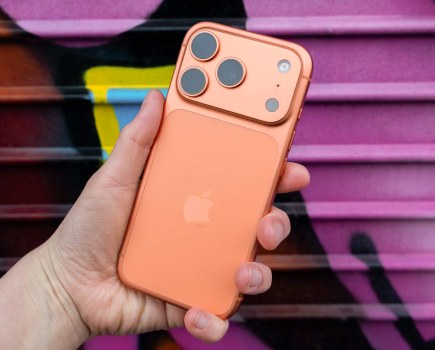
The current line-up of iPhones comprises the iPhone 17 Pro/Max, the iPhone 17 and the iPhone 17e, each at different price points.
I’ll take a look at some great alternatives here – they won’t necessarily be cheap, but they all offer something an iPhone doesn’t. So, if you’re prepared to make the switch, you should get a lot more for your money – especially from a photography point of view.
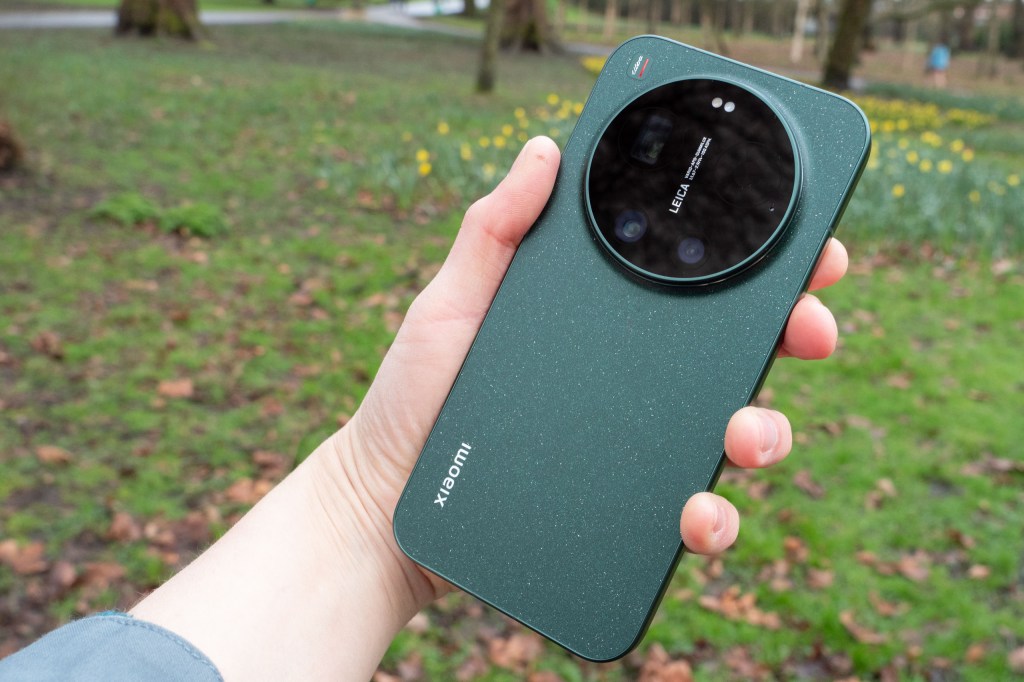
Don’t buy the iPhone 17 Pro Max… buy the Xiaomi 17 Ultra
iPhone Price: £1399 (512GB)
Xiaomi Price: £1299 (512GB)
| iPhone 17 Pro Max | Xiaomi 17 Ultra |
| 3 x 50MP cameras – 1x, ultrawide and 4x zoom | 2 x 50MP cameras, 1 x 200MP camera – 1x, ultrawide and 3-4x zoom |
| 18MP selfie camera | 50MP selfie camera |
| 4K 60fps video recording | 8K 30fps video recording |
| 6.9-inch OLED screen, 2868 x 1320 pixels, 120Hz, 3000 nits max brightness | 6.9-inch OLED screen, 2608 x 1200 pixels, 120Hz, 3500 nits max brightness |
| 256GB base storage | 512GB base storage |
Although the iPhone 17 Pro is undeniably a great phone – and I would still highly recommend it – the Xiaomi 17 Ultra is simply excellent for photographers for a number of reasons.
Biggest among those is the huge (for a smartphone) one-inch 50MP sensor behind the main 23mm f/1.6 equivalent camera lens. It produces beautiful images which are highly detailed – it’s essentially like having a premium compact in your pocket, which can also make phone calls and do emails.
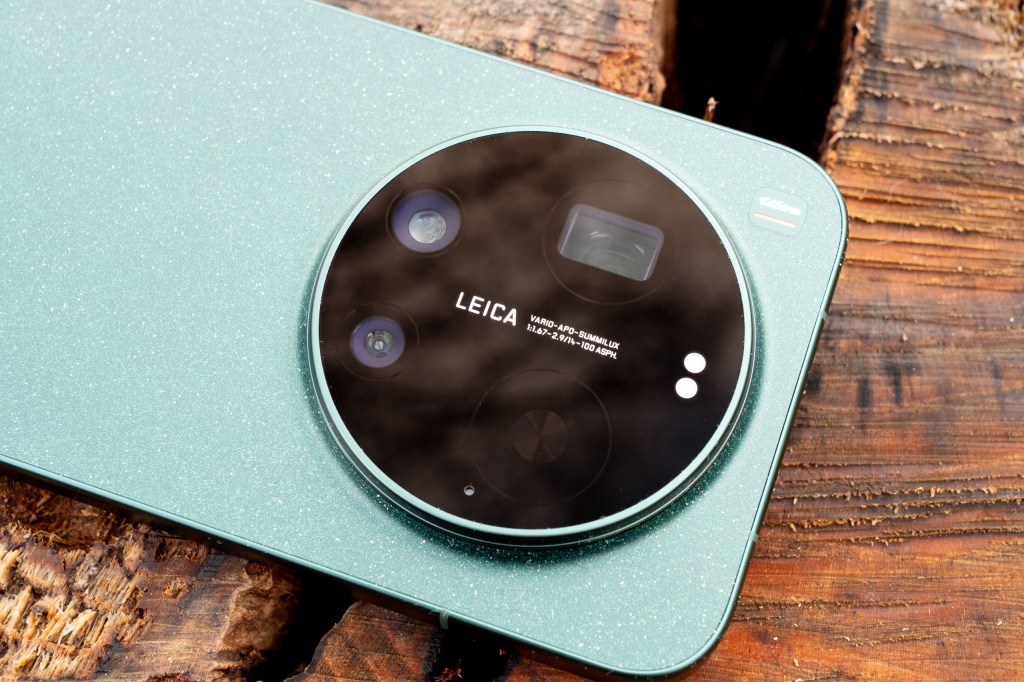
Along with the 1x lens, there’s also a 50MP 14mm ultrawide and a 200mm telephoto lens which actually has an optical zoom giving you 75-100mm at f/2.39-f/2.96. So essentially you’ve got four lenses here instead of the iPhone 17 Pro Max’s three. Remember too that all three of the lenses are Leica branded, so you can feel confident of high quality.
Other fantastic features include telephoto macro shooting which give better results than the iPhone, 8K video recording (the iPhone tops out at 4K), a 50MP selfie camera (the iPhone’s is 18MP) and a massive 6000 mAh battery with superfast charging.

Although not cheap at £1299, for that you get 512GB of onboard memory – the equivalent iPhone 17 Pro Max is priced at £1399, so it’s still a bit of a saving.
Don’t buy the iPhone 17… buy a Google Pixel 10 Pro
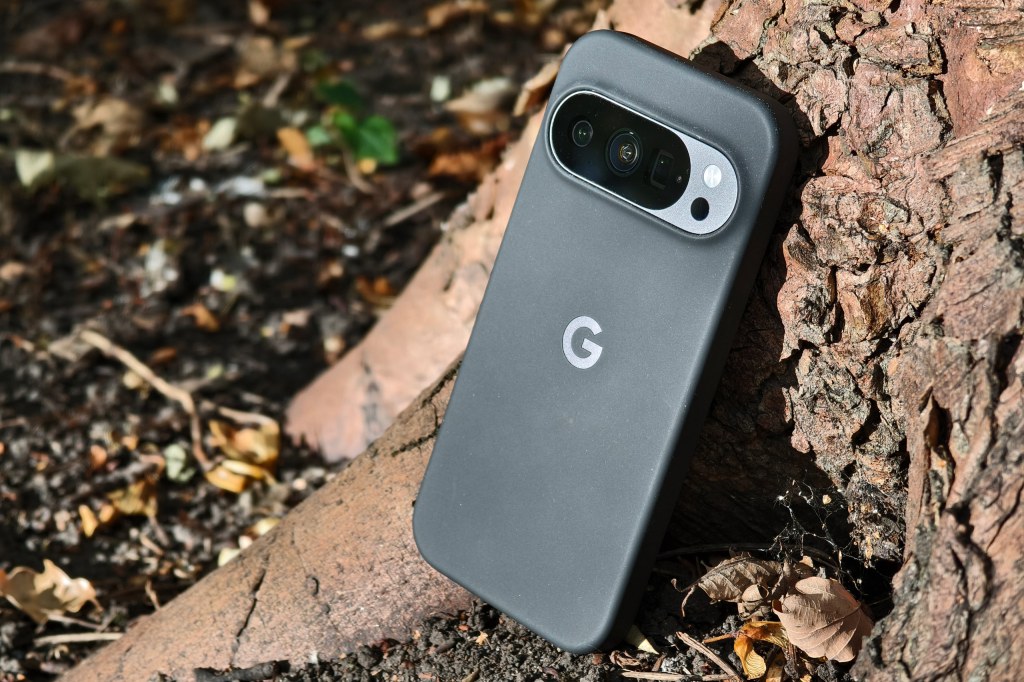
iPhone price: £799 (256GB)
Google price: £799 (128GB)
| iPhone 17 | Google Pixel 10 Pro |
| 2 x 48MP cameras, 1x and ultrawide | 1 x 50MP camera, 2 x 48MP cameras, 1x, ultrawide and 5x zoom |
| 18MP selfie camera | 42MP selfie camera with AF |
| 4K 60fps video | 8K 30fps video (via Video Boost) |
| 6.3-inch OLED screen, 2622 x 1206 pixels, 120Hz, 3000 nits max brightness | 6.3-inch OLED screen, 2856 x 1200 pixels, 120Hz, 3300 nits max brightness |
| 256GB base storage | 128GB base storage |
For the same price as the iPhone’s mid-tier option, you can get a Pixel flagship, albeit with less storage.
The iPhone 17 is a great all-rounder, and is reasonably priced – for an iPhone at least. But it’s still a mid-range model with only two lenses – you’ll get three with a Pixel 10 Pro.
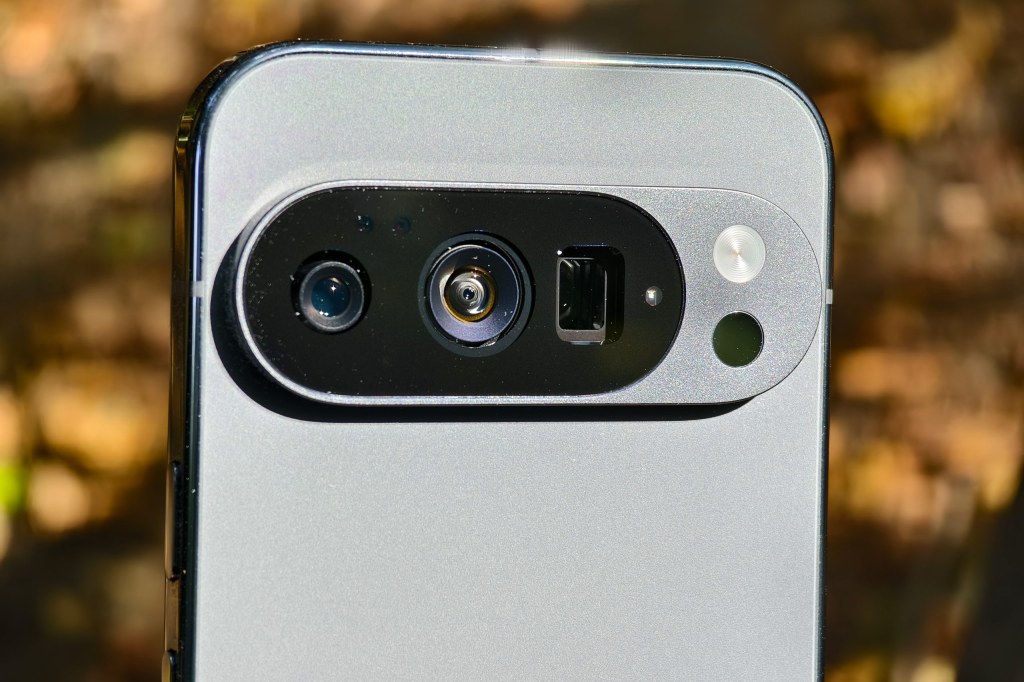
So that means you get a 50MP 25mm f/1.7 equivalent, alongside a 48MP f/1.7 ultrawide and a 48MP 113mm (5x) f/2.8 telephoto lens. It’s a bit like buying an iPhone 17 Pro for the price of an iPhone 17 in that respect – bargain.
On top of that though, there are other photographic specs of interest that beat the iPhone. There’s a range of fun shooting modes, such as the innovative “Add Me” feature for taking couple shots without the need for another photographer, as well as things like Long Exposure and Action Pan. There’s also a Pro mode, which Apple is still reluctant to include in its models.

I also think that the AI editing tools with a Pixel are superior to an iPhone too, with more scope to change scenes quite dramatically (while still retaining the original essence of your picture) than you get with the more basic offering from an iPhone.
Elsewhere, the screen are almost the same in terms of brightness, refresh rate and size, so you won’t be missing out there by going for the Pixel either.
All of this in a phone for under £800 (or £900 if you want more storage) makes the Pixel 10 Pro the much more sensible buy.
Don’t buy the iPhone 17e… buy a Samsung Galaxy A56
iPhone price: £599 (256GB)
Samsung price: £499 (256GB)
| iPhone 17e | Samsung Galaxy A56 |
| 1 x 48MP camera, 1x | 1 x 50MP, 1x 12MP, 1 x 5MP camera, 1x, ultrawide, macro |
| 12MP selfie camera | 12MP selfie camera |
| 4K 60fps video | 4K 30fps video |
| 6.1-inch OLED screen, 2532 x 1170 pixels, 60Hz, 1200 nits peak brightness | 6.7-inch OLED screen, 2340 x 1080 pixels, 60Hz, 1900 nits peak brightness |
| 256GB base storage | 256GB base storage |
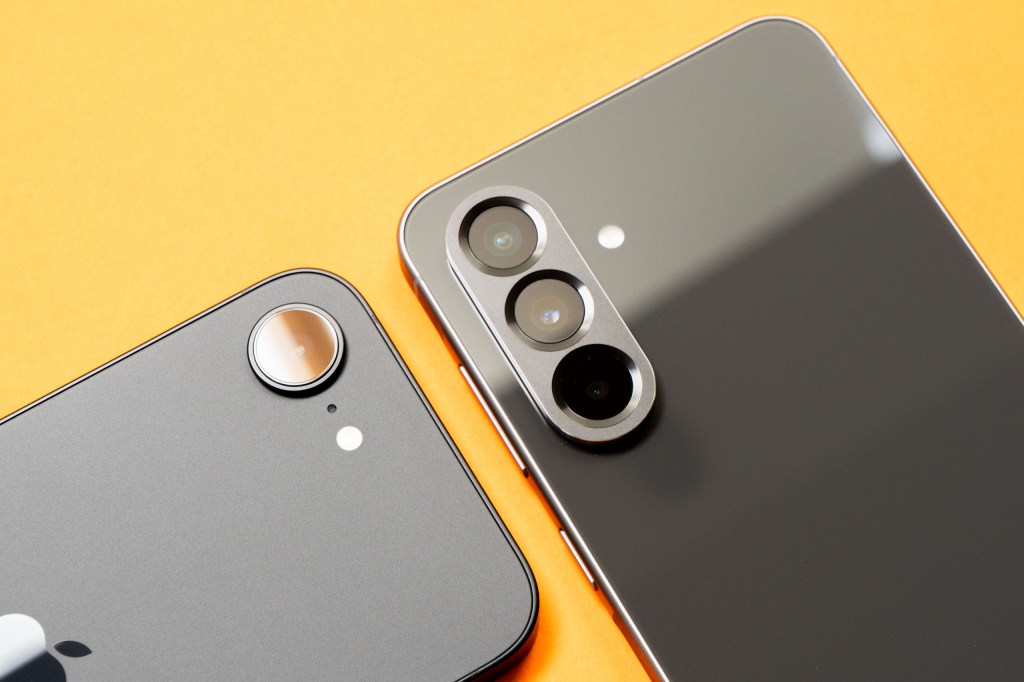
The iPhone 17e feels like a bit of an oddity in 2026. Only offering one camera feels a bit “retro” (and not in a good way). The 48MP 26mm f/1.6 unit is a good camera, but most Androids at this price point will offer at least two.
Indeed, the Samsung Galaxy A56 actually offers three – as well as the 1x 50MP f/1.8 camera, there’s a 12MP f/2.2 ultrawide, and a 5MP macro mode. In all honesty, that third lens may as well be ignored, but you still get two decent lenses for less than the iPhone will set you back.
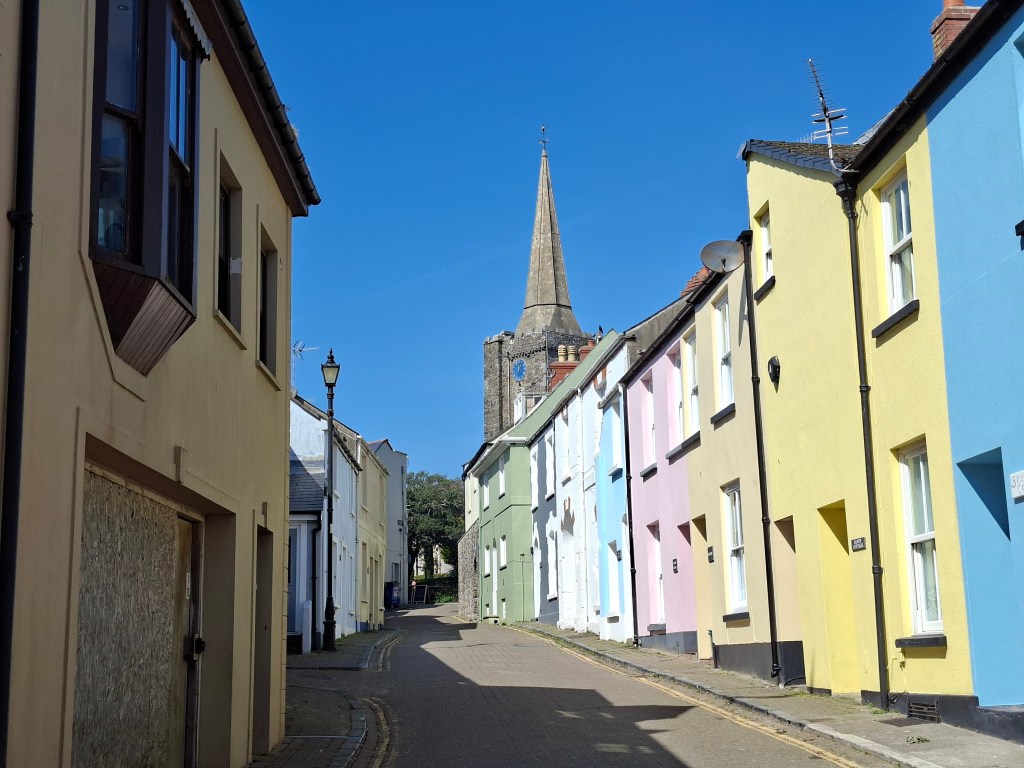
On top of that, you also get a much bigger 6.7-inch screen with the Samsung A56, and it’s brighter too.
Elsewhere, specifications are broadly similar, with 256GB storage available for both, as well as 12MP selfie cameras. The A56 has a more extensive native camera app than the iPhone, and surprisingly even features a Pro mode – not bad for something at this price point.
There’s AI editing available on both models, but there’s a bit more flexibility with the Samsung option, too.
Samsung’s A series models have proved exceptionally popular in recent times, and with a good range of specs in a package which is under £500, it’s not difficult to see why.
Related Reading:
- Apple made a big mistake with the iPhone Air – I’d never buy one and here’s why
- Hear me out, your old iPhone is always better than a new one…
- I review iPhones for a living – these are the best iPhones for photography
Follow AP on Facebook, Instagram, YouTube and TikTok.