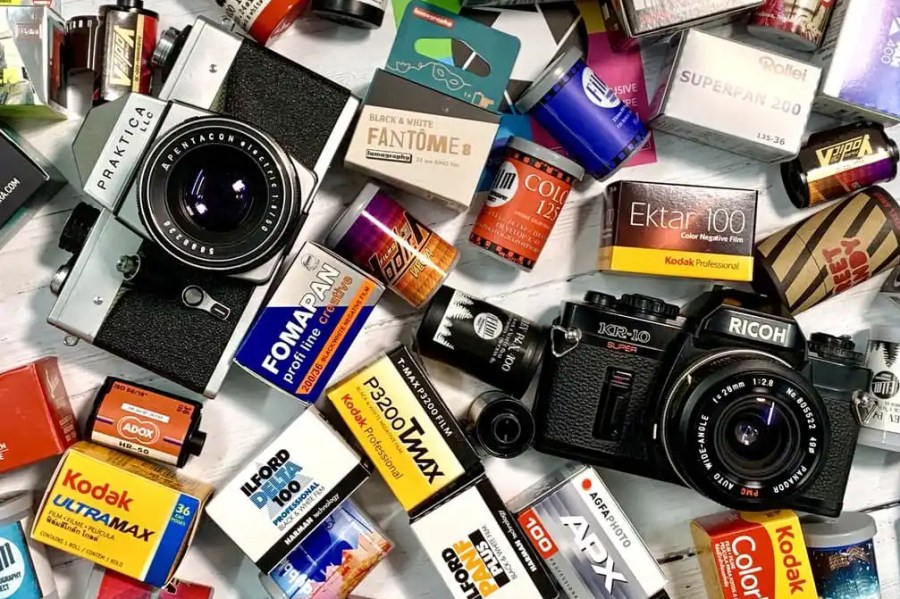
I’ve shot a lot of the best 35mm film over the years. Colour, black & white, cheap, expensive – I love it all. And even with costs rising and supplies dwindling, I still get that same little thrill of excitement when I load a roll into a camera. You just can’t beat it.
But which 35mm film stocks are the best? I get asked this quite often, so I’ve constructed this list to help anyone who’s thinking about getting into shooting film, but isn’t sure where to start. I’ve included colour and black & white film stocks, with budget-friendly options as well as some more premium favourites.
Check out John Wade’s excellent breakdown of the best 35mm film cameras if you’re looking for something to shoot film on, too. Otherwise, read on to see what I’ve picked as the best 35mm film you can buy.
Best 35mm film: our quick list
Best colour 35mm film:
- Best beginner colour film: Kodak Gold 200 – buy now
- Best colour film for fun/experimentation: Harman Phoenix II – buy now
- Best colour film for fine grain: Kodak Ektar 100 – buy now
- Best colour film for low light: Cinestill 800T – buy now
Best black & white 35mm film:
- Best beginner B&W film: Ilford HP5 Plus 400 – buy now
- Best cheap B&W film: Kentmere Pan 200 – buy now
- Best high-contrast B&W film: Kodak Tri-X 400 – buy now
- Best B&W film for easy development: Ilford XP2 Super 400 – buy now
For the best deal on 35mm film: not only will you find the best 35mm film, but also some of the best deals, as our ‘Buy now’ buttons are set to automatically take you to the best prices from trusted retailers. There is a list of other retailers below each entry so you can find the right deal for you.
Why you can trust Amateur Photographer
We spend many hours testing every product we recommend, in detail, in a variety of situations and shooting scenarios, and only use experts for our reviews, so you can be sure that you’re getting the best products. Find out more about our expert writers.
Best 35mm colour film
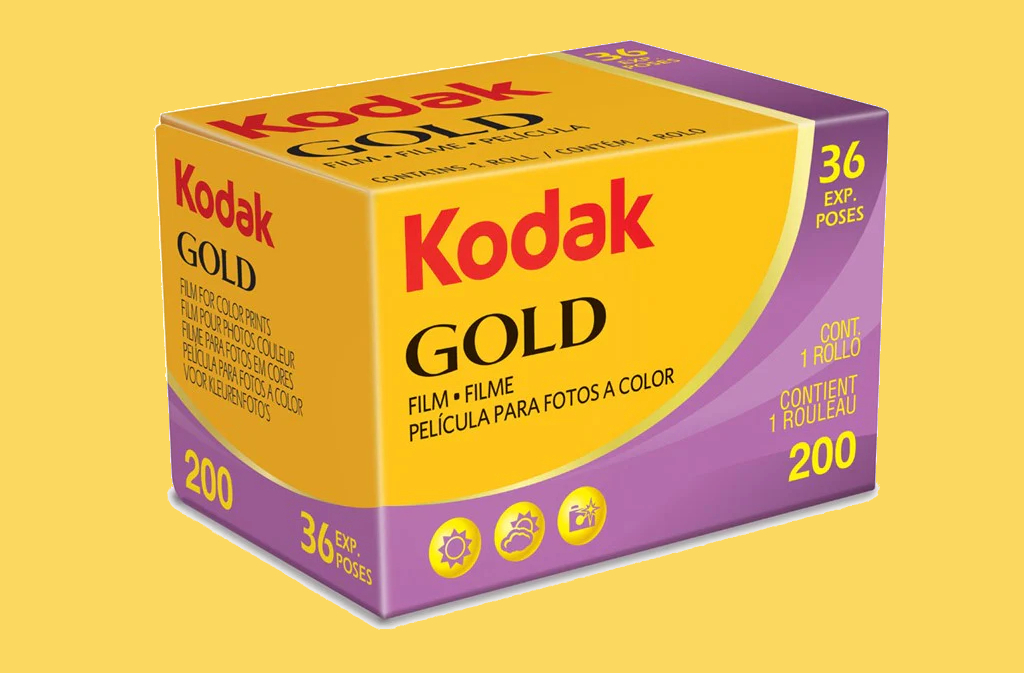
Best beginner colour film: Kodak Gold 200
Amateur Photographer verdict
Its warm tones, fine (but perceptible) grain and vibrant colours all add up to make Kodak Gold 200 one of the most routinely effective gateway drugs for film photography.- Attractively warm colour palette
- Reasonably priced and easy to get
- ISO 200 is balanced for most conditions
- Won’t do well in low light
| Specifications | Kodak Gold 200 |
|---|---|
| ISO | 200 |
| Formats | 35mm, 120 |
| Process | C41 |
| Price per roll (35mm) | $8-12 / £10-14 |
When you balance all the factors in play, including price, Kodak Gold 200 is my favourite film stock. It’s not the cheapest colour film out there, but it’s on the affordable end of the scale. It produces images with a beautifully warm colour tone to them – lots of rich yellows and deep blues. Skin tones look natural, and I’ve used this word already, but images really do just have a lovely warmth to them.
The ISO rating of 200 makes Kodak Gold a well-balanced film from daylight to evening, and only once the sun is a sliver on the horizon are you going to start to run into difficulties. While this means it’s not as versatile as that perennial everyday favourite, Kodak Ultramax 400, it also means that you get a finer grain, and better image detail. Images on Gold still have enough grain and bite to be perceptibly shot on film, but they also deliver sharpness where it counts.

If you’re looking for your first roll of colour film, I would one hundred per cent recommend starting with Kodak Gold 200. I’ve shot it for years, and I still get excited when I load it into the camera.
Read our Kodak Gold 200 review
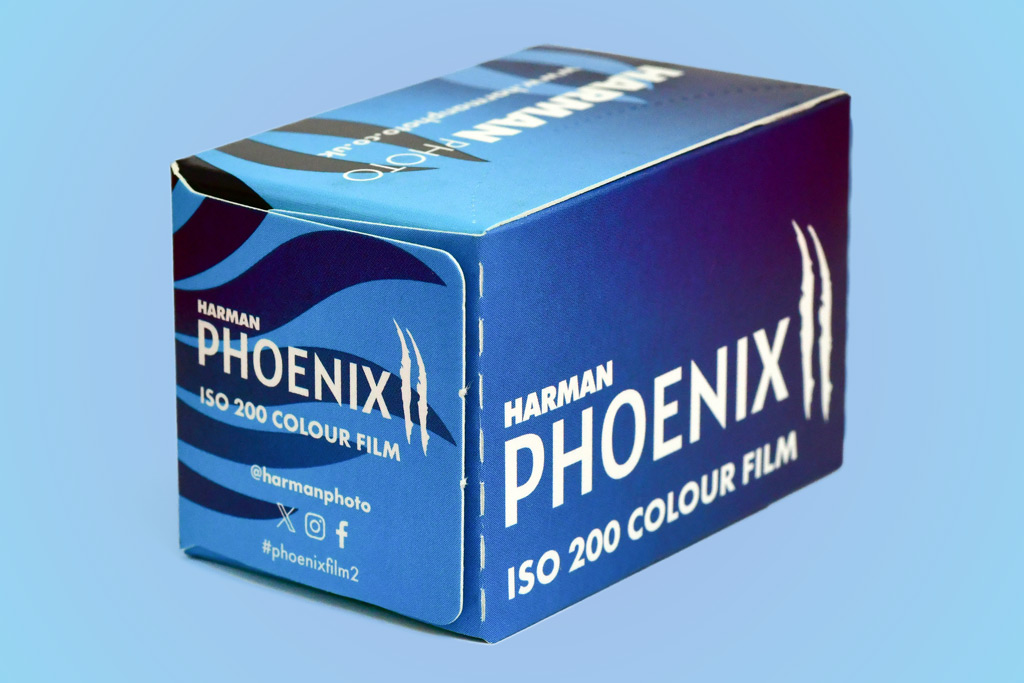
Best colour film for fun/experimentation: Harman Phoenix II
Amateur Photographer verdict
Want a bit of adventure? Harman’s Phoenix II is a colour film stock with a dash of unpredictability. Its warm colours and glowing halations produce images that are memorable and full of character.- Vibrant, exciting colour rendition
- Reasonable price
- Dramatic halation effects
- Colours aren’t particularly accurate
- Unpredictability isn’t always desirable
| Specifications | Harman Phoenix II |
|---|---|
| ISO | 200 |
| Formats | 35mm, 120 |
| Process | C41 |
| Price per roll (35mm) | $13.99 / £12.99 |
Harman were previously known as black and white specialists, being the umbrella company owning Ilford films (about whom you’ll hear a lot in the B&W section) – so it was exciting times in the film community when the manufacturer announced it would be jumping into colour film. The first attempt, Harman Phoenix 200, was a fun film stock with an unpredictable colour palette, and its successor, Harman Phoenix II is… that again. But I really like it.
The colours produced by Harman Phoenix II are not particularly true to life, but boy are they fun. The bias is warm, with a pronounced purple tint, and the overall effect is a soft retro look that feels very ‘analog’. Grain is present without being overbearing, and shadows are deep for an effective high-contrast look. One thing I also really want to shout out is the halation – the soft glow that comes from strong light sources. It’s unpredictable as to when and how strongly this will kick in, but it can give images a quality that’s really special and unique.

If you want stable, predictable results, stay away from Harman Phoenix II. But given that so much of film photography is all about embracing the chemically unexpected, I would thoroughly recommend loading up a roll and giving it a go. You might hate it – but you don’t know until you try.
Read our Harman Phoenix II review
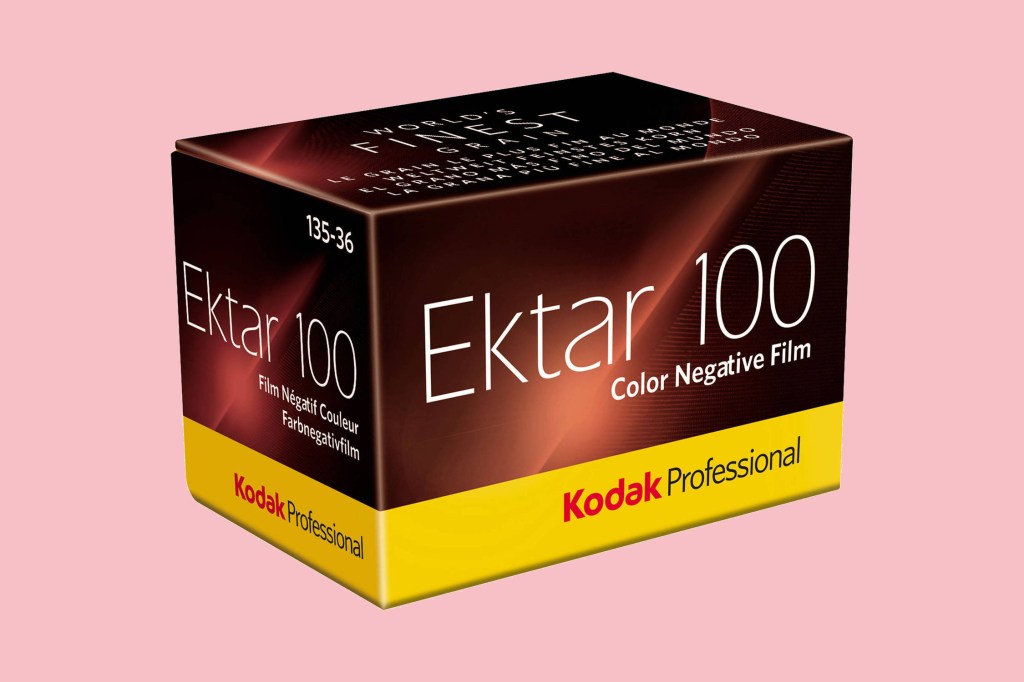
Best colour film for fine grain: Kodak Ektar 100
Amateur Photographer verdict
Grain? What grain? Kodak’s Ektar 100 is a highly detailed film that also produces vivid, punchy colours. It’s unforgiving of focusing or exposure errors, but can deliver amazing imagery.- Super sharp for printing
- Colours are intense and powerful
- Expensive per roll
- Unforgiving of error
| Specifications | Kodak Ektar 100 |
|---|---|
| ISO | 100 |
| Formats | 35mm, 120, 4×5”, 5×7”, 8×10” |
| Process | C41 |
| Price per roll (35mm) | $14.99 / £18.90 |
If you’ve mostly shot with cheap 400 ISO film, loading up Ektar 100 for the first time can come as a bit of a shock. Kodak set out to make the finest-grain film on the market, and achieved that goal: this stuff is clean. Images are incredibly tolerant to cropping, enlarging and printing – you have to really peer to discern much grain at all.
This impressive level of detail is paired with some of the most vivid and punchy colour you can get on film. Ektar images truly pop, with a high level of saturation that results in punchy reds, vivid blues, intense greens – and, well, I’m just pairing synonyms for ‘vivid’ with the different colour names now, aren’t I?

Something worth noting about Ektar is that it is the kind of film you want to ensure you use correctly. A lot of cheaper, higher-sensitivity films really don’t mind being shot a stop or so under or over – some of them, considerably more than that. Ektar, however, is more brittle than that, and even slight mistakes in exposure are very noticeable. It’s a fairly expensive film, too – so you’re going to want to make every shot count.
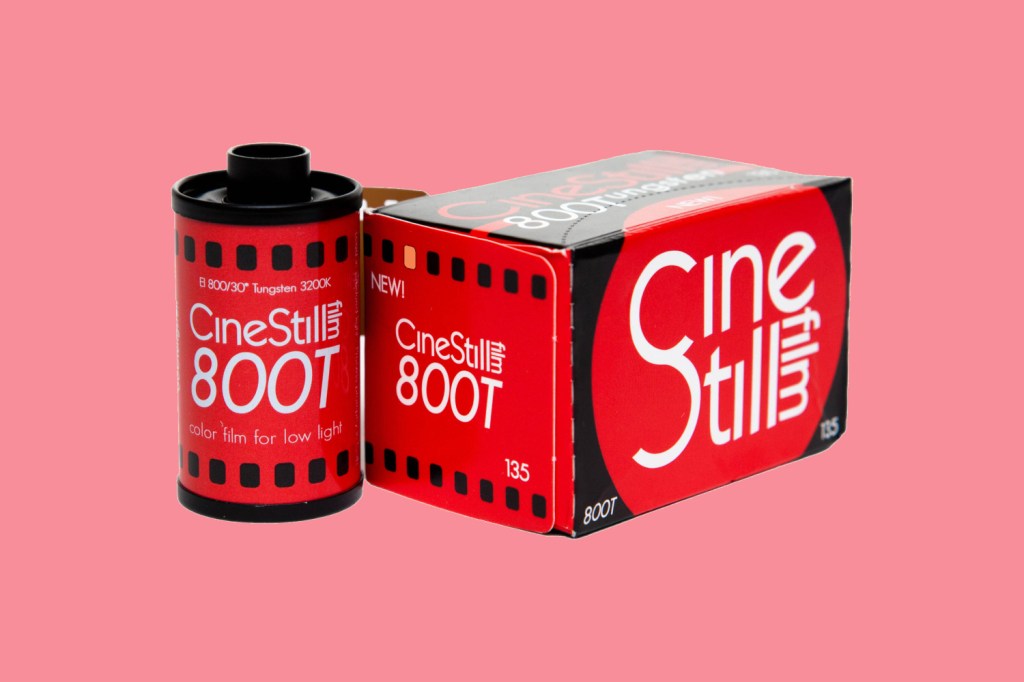
Best colour film for low light: Cinestill 800T
Amateur Photographer verdict
With its distinctive halation and high sensitivity, Cinestill 800T lives for urban evenings and nights under streetlight. It’s expensive, but its muted cinematic look is one you can’t get elsewhere.- High sensitivity for low light
- Excellent detail with fine grain
- Moody, muted look
- Expensive
- Halation may not suit all situations
| Specifications | Cinestill 800T |
|---|---|
| ISO | 800 |
| Formats | 35mm, 120 |
| Process | C41 |
| Price per roll (35mm) | $16.99 / £18.00 |
A converted motion-picture film with the anti-halation rem-jet layer removed, Cinestill 800T is a moody and muted film that can produce images as cinematic as its name implies. The ISO sensitivity of 800 puts hand-held night photography in play, as long as you’ve got a lens with a decently fast maximum aperture. It’s a film balanced specifically for tungsten light, producing a very distinctive halation effect that once you learn to spot, you’ll recognise instantly.
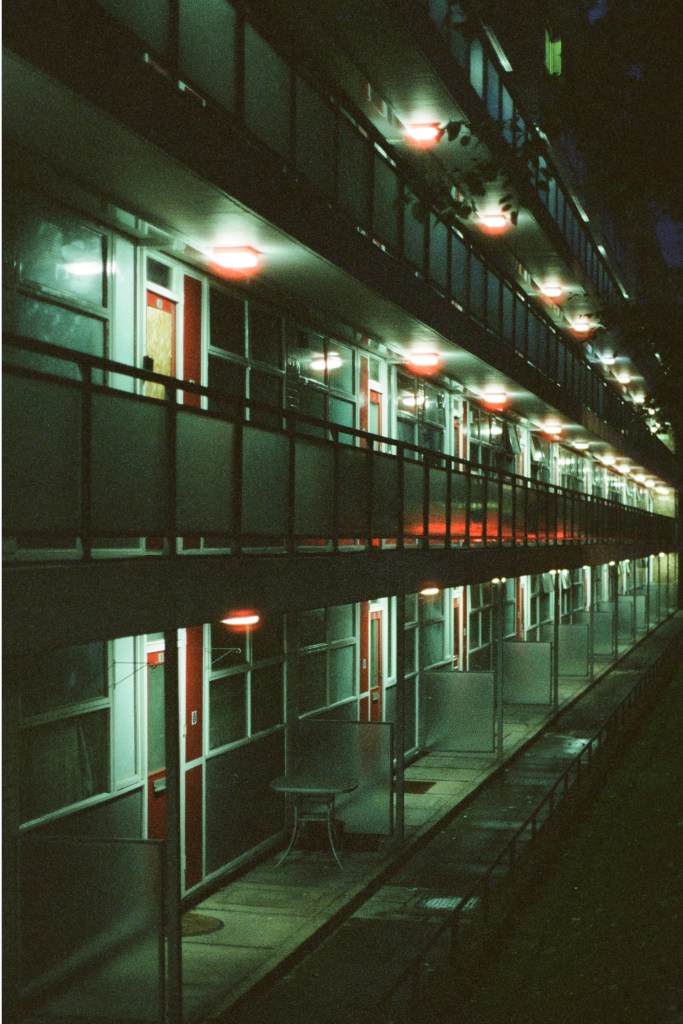
Cinestill 800T’s unique pre-treating allows it to be developed using the standard C41 process, despite the fact that it’s originally a motion-picture film. It’s expensive enough that shooting it feels like a treat, though cheaper than many other 800-rated films like Kodak Portra 800, and as such it’s popular enough that it frequently goes out of stock. Despite its high speed, its grain is fairly fine, and it produces images with a good level of detail.
Best black & white 35mm film
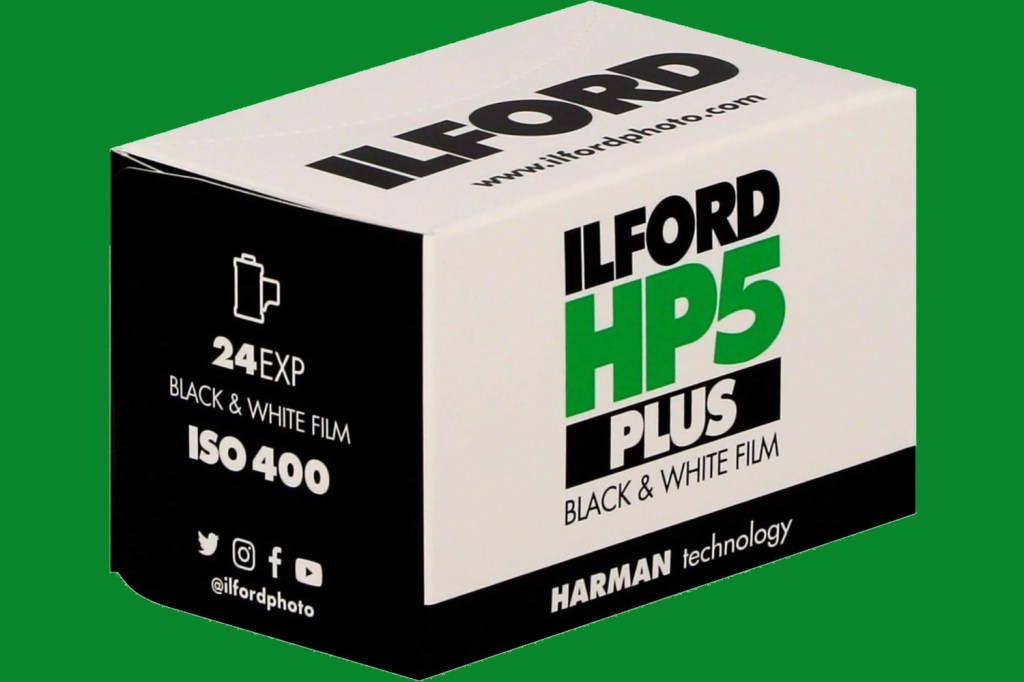
Best beginner B+W film: Ilford HP5 Plus 400
Amateur Photographer verdict
Ol’ reliable Ilford HP5 Plus 400 has seen many a nervous beginner film photographer through their first rolls. Its high speed and broad exposure latitude make it very forgiving and versatile.- Affordable price tag
- Fine grain delivers sharp results
- Nice, subtle contrast
- Tolerant to over/under-exposure
- Some may want more dramatic contrast
| Specifications | Ilford HP5 Plus 400 |
|---|---|
| ISO | 400 |
| Formats | 35mm, 120, 4×5”, 5×7”, 8×10” |
| Process | B+W |
| Price per roll (35mm) | $11.49 / £9.90 |
This pick isn’t going to surprise anyone, but look: Ilford HP5 Plus 400 is the best black & white film for beginners. It just is. It’s not the cheapest B&W film on the market, but it’s very reasonably priced (and can be bought in rolls of 24 to save a bit more cash). With an ISO rating of 400, it can be used in a broad range of lighting conditions, and this is further aided by its extremely broad exposure latitude. HP5 Plus 400 really doesn’t mind being overexposed or underexposed quite significantly, and this can be a boon when you’re still getting to grips with how your camera works.
It also responds very well to pushing and pulling – darkroom techniques that involve developing film at faster or slower speeds than recommended, and this gives it an extended lease of life to experiment with once you’ve got a few rolls under your belt.
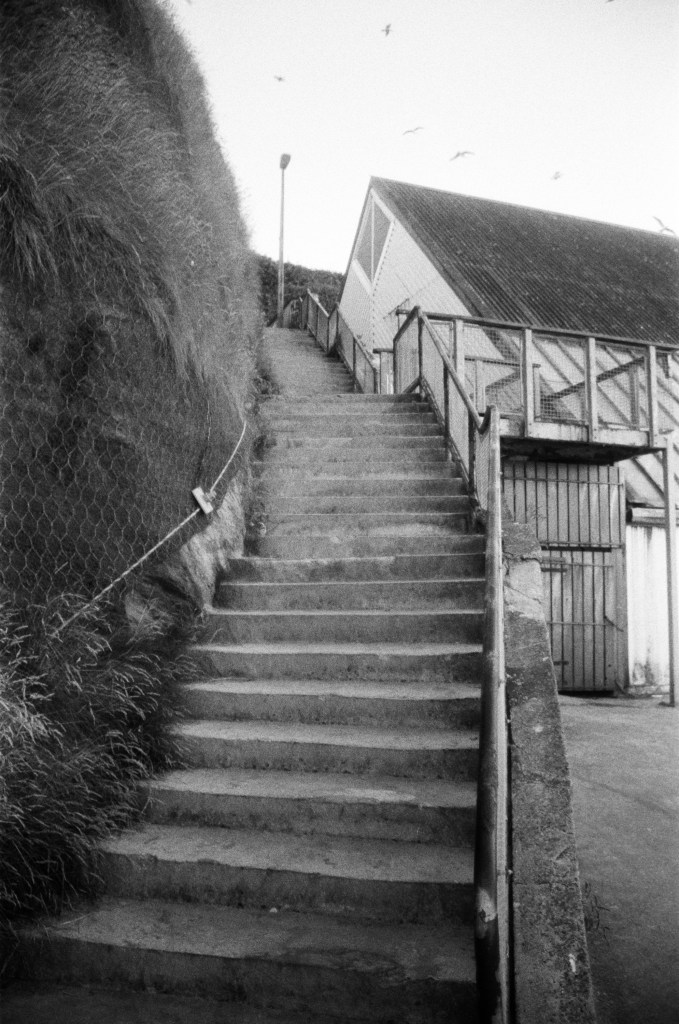
Despite it being an affordable film, the fine grain of Ilford HP5 Plus 400 gives images a professional look, and its pleasingly balanced contrast provides lots of information in the highlights and shadows. It’s not as dramatic as some other black & white films, but drama isn’t always what you want, and HP5 Plus can be depended upon to produce a great-looking image in a broad range of shooting situations.
Best cheap B+W film: Kentmere Pan 200
Amateur Photographer verdict
The most contrasty and interesting of Ilford’s budget Kentmere films, Kentmere Pan 200 is a brilliant affordable option to stock up on so you can ensure that you’ve always got something to shoot.- Very affordable, especially in bulk
- More contrast than Kentmere 100 or 400
- Grain is fine, but present
- Still may be too flat for some
| Specifications | Kentmere Pan 200 |
|---|---|
| ISO | 200 |
| Formats | 35mm, 120 |
| Process | B+W |
| Price per roll (35mm) | $7.99 / £5.50 |
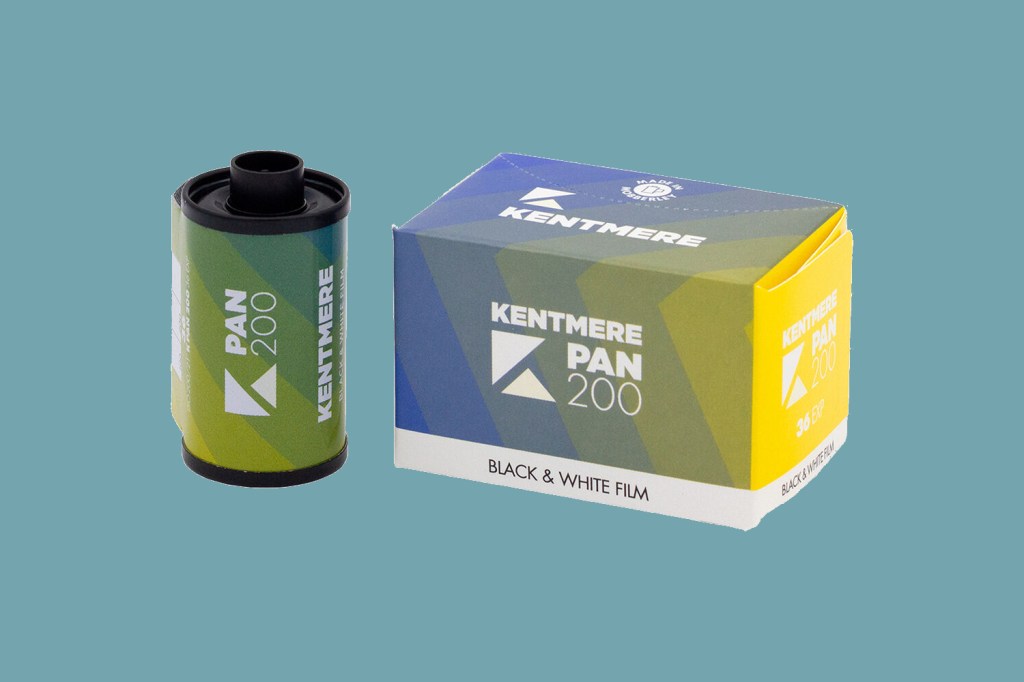
Film photography is a relentlessly expensive pursuit – I’ve sometimes considered whether acquiring a casual heroin habit might prove more cost-effective – so it’s great to see Ilford bringing out new affordable films in its Kentmere range. Kentmere Pan 200 arrived in 2025 and sits in between the other two stocks in the budget range: Kentmere 100 and 400. However, Ilford explained that it had listened to photographer feedback and fiddled with the Kentmere formula with this stock to deliver enhanced contrast.
Having reviewed my images shot on Kentmere Pan 200 alongside older images on 100 and 400, I can see it. The newer stock delivers deeper blacks and crisper highlights without sacrificing too much in the way of detail, and the overall effect is to create images that just jump out a little more. It’s not the most dramatic film in the world, but in my view it’s a marked improvement over the other cheap stocks, which I’d always found rather flat.

With a flexible ISO 200 speed and a fairly fine grain, Kentmere 200 is a great, affordable choice of daily driver.
Best high-contrast B+W film: Kodak Tri-X 400
Amateur Photographer verdict
The film stock beloved by news photographers throughout the 20th century, Kodak Tri-X 400 lives up to its reputation as a high-contrast, high-drama affair.- Rich, deep, powerful contrast
- Grain imbues a proper vintage feel
- Fairly broad exposure latitude
- Pronounced grain won’t suit all shots
- Pricier than other Bu0026W films
| Specifications | Kodak Tri-X 400 |
|---|---|
| ISO | 400 |
| Formats | 35mm, 120 |
| Process | B+W |
| Price per roll (35mm) | $8.99 / £10.95 |
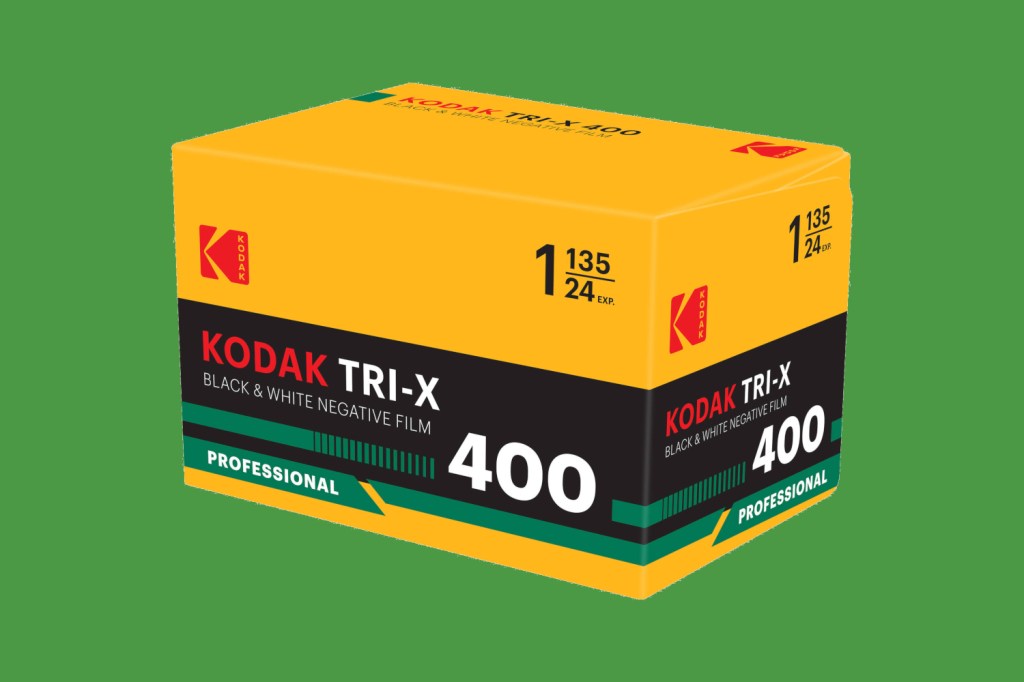
If you’re someone who doesn’t want to spend much time in Lightroom, a high-contrast film like Kodak Tri-X 400 will be just the ticket. Unlike flatter, subtler stocks like Ilford HP5, Tri-X delivers images with punch straight out of the gate. Deep, dark blacks, bright highlights and a good crunchy range in the midtones – it all adds up to drama, and lots of it.

Tri-X was the choice of many a news photographer in the 20th century, and this is perhaps part of what gives it such an irresistibly nostalgic feel. There’s also its quite pronounced grain, which may not prove suitable for all shooting situations, but is extremely stylish and cool. It’s not the cheapest B&W film, but I wouldn’t call it prohibitively expensive – and its broad exposure latitude should ensure you come away with a good helping of keepers.
Best B+W film for easy dev: Ilford XP2 Super 400
Amateur Photographer verdict
Thanks to some clever chemical trickery, Ilford’s XP2 Super 400 Bu0026W film can be developed using the more widely available (and cheaper) C41 colour process. It’s also a great shoot in its own right.- Nice and sharp with subtle grain
- Can be developed using C41 process
- 400 speed is great for action and street
- Some may prefer more contrast
- Oddly expensive in the US
| Specifications | Ilford XP2 400 |
|---|---|
| ISO | 400 |
| Formats | 35mm, 120 |
| Process | C41 |
| Price per roll (35mm) | $18.90 / £9.49 |
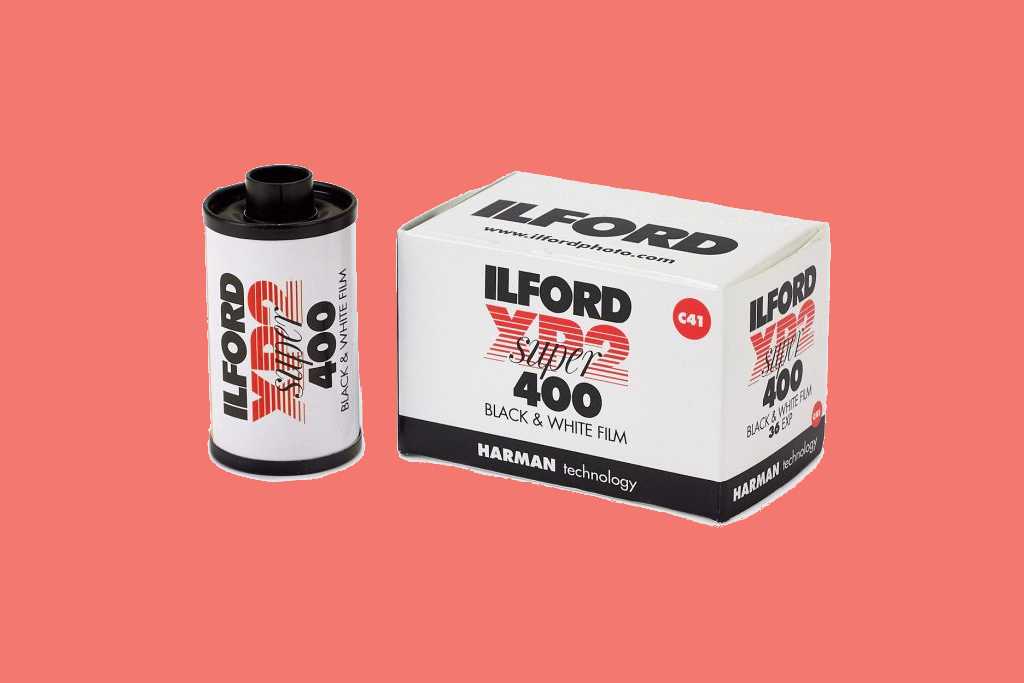
The eternal push-and-pull of saving money in analog photography is that black & white film tends to be cheaper, but black & white development tends to be more expensive. Well, Ilford XP2 Super 400 is a rather neat way to thread that needle, as it’s a monochrome film that can be developed using the standard C41 colour process. Your cheap over-the-counter development lab down the road may not be set up to handle many types of B&W film – but they will be able to handle XP2.

I also really like XP2 Super 400 on its own terms. Its 400 speed rating makes it great for capturing fast action, allowing you to use shorter shutter speeds, but it also has a pleasing sharpness, with a very fine grain. Contrast is pronounced without being overbearing – there’s more there than you get with HP5, and not as much as you get from the likes of Tri-X. It’s a winning all-rounder that in the UK at least is priced quite well – for whatever reason, it’s strangely expensive in the US, to the point where I’d say you’re much better off sticking with HP5 or Kentmere.
Related reading:
- Here’s why I ditched digital for analog film – and I’m not going back
- Film photography and scanning tips
- Here’s what I’ve learned from shooting over 150 rolls of film in the 2020s
How we test 35mm film
We test 35mm film pretty much exactly how you’d expect – we take it out and shoot it. We try it using different cameras in a range of shooting conditions to see how it performs. We assess the film’s tolerance to over- and under-exposure, and sometimes experiment with pushing and pulling. We tend to get film professionally developed and scanned as this is what most consumers are likely to do, and we examine the resulting images in detail to form a considered, informed opinion on the film’s qualities.
Follow AP on Facebook, Instagram, YouTube and TikTok.