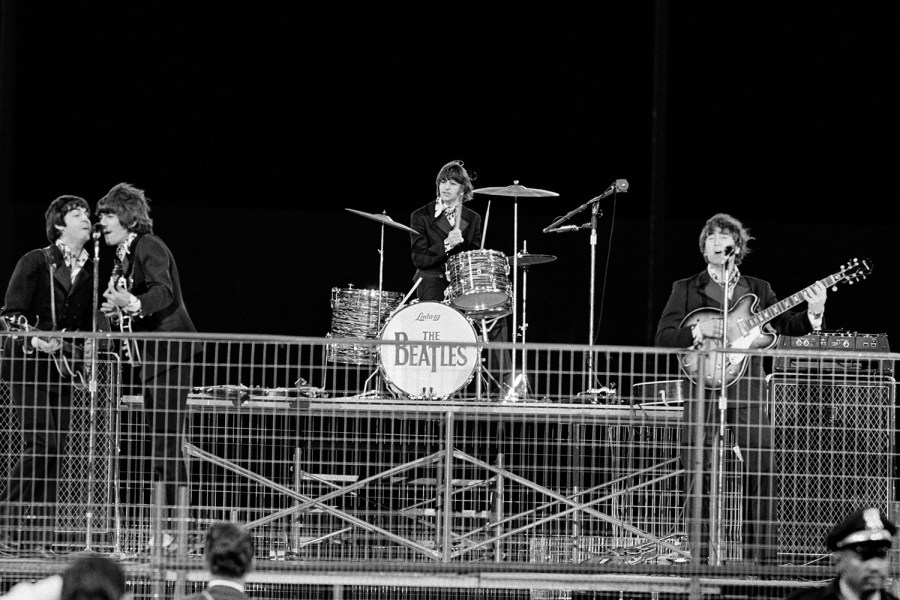
The Beatles’ final public concert took place at San Francisco’s Candlestick Park in 1966. Beyond the historic occasion, Jim Marshall’s images reveal a band on the brink of leaving touring behind forever.
Historic farewell
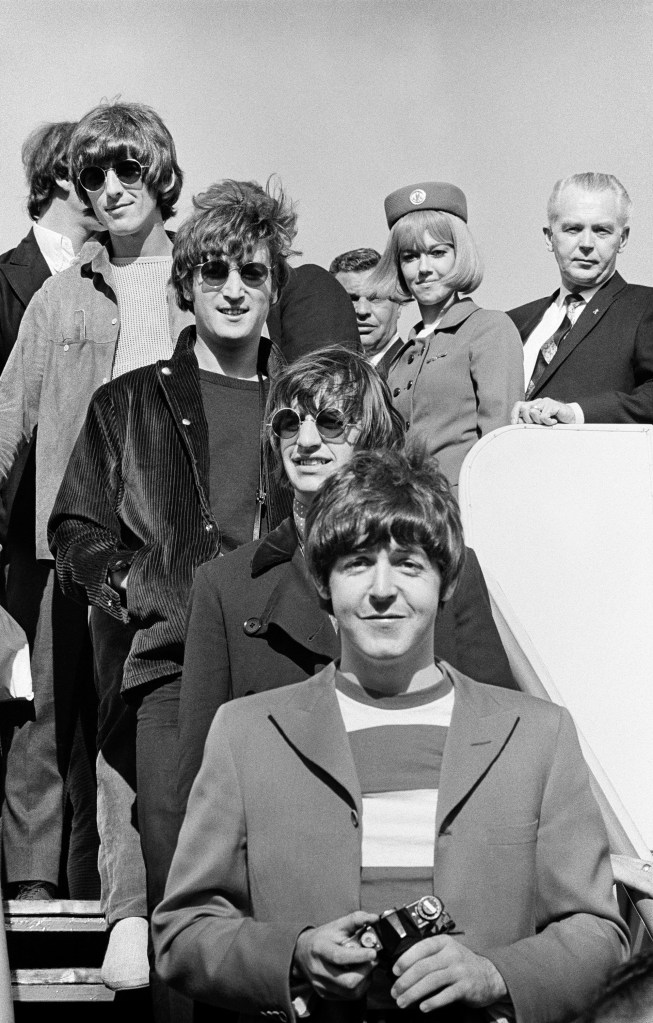
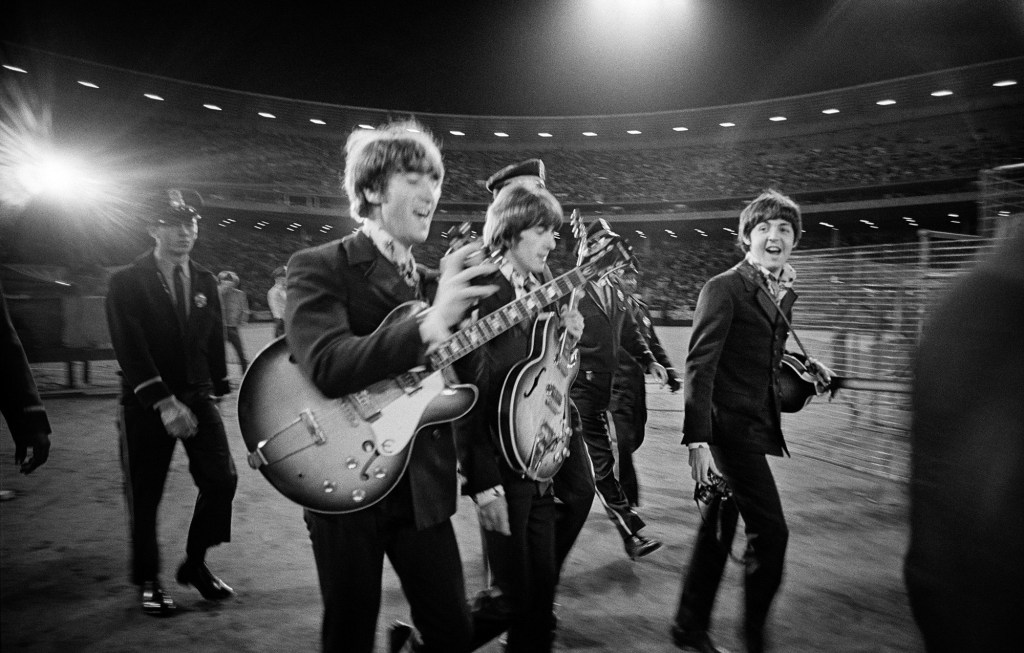
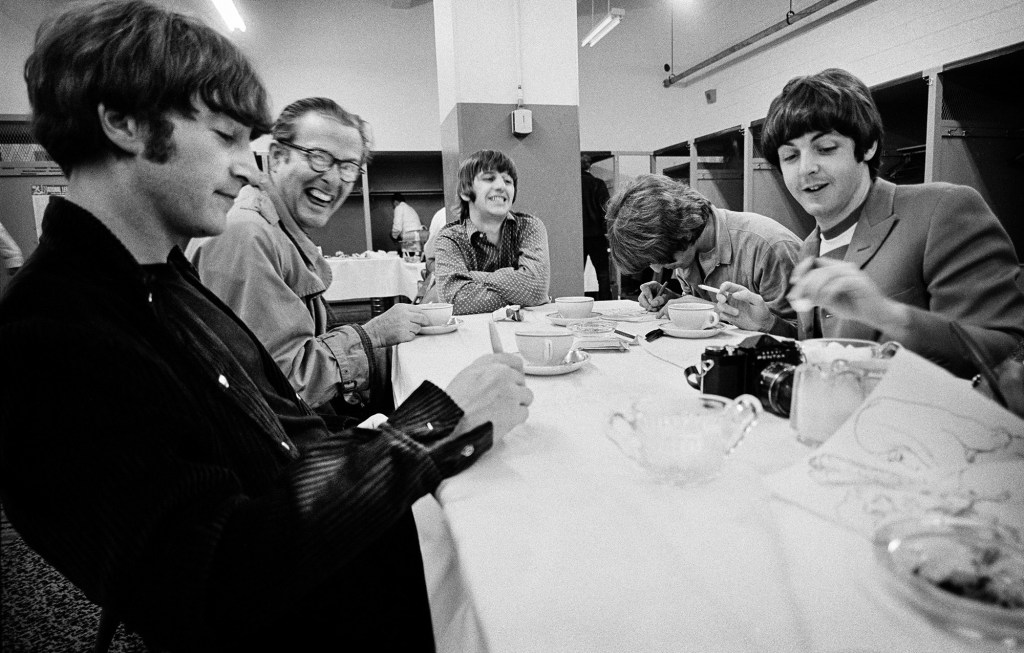
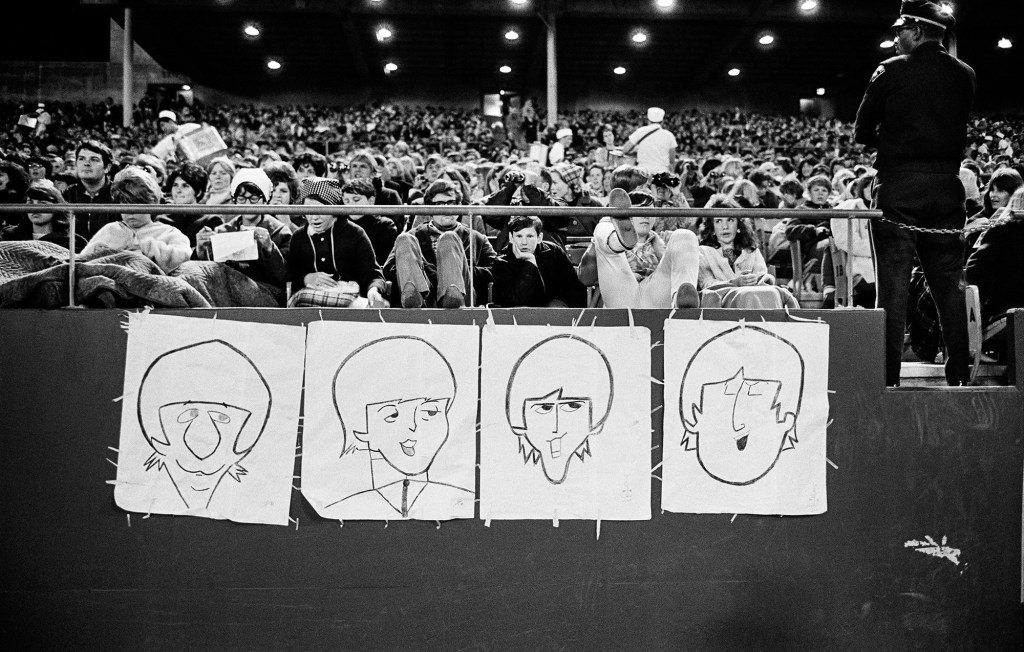
History often takes time to reveal what is significant. On August 29th 1966, four young men from Liverpool, UK, arrived at Candlestick Park, San Francisco, USA. They were greeted by adoring fans, curious journalists, chatted with friends in the dressing room, scribbled drawings on a tablecloth. Eventually they played a half hour set to thousands of screaming devotees. Then they left. It would later become clear that this was the final public concert by The Beatles.
The Beatles: 1966 a new book by photographer Jim Marshall, whips readers back to that moment. The volume published by Chronicle Books, assembles over 150 photographs and proof sheets from Marshall’s access to the band’s final tour stop. Many of the images have never previously been published.
Beyond Beatlemania
The book’s appeal transcends Beatlemania. For Photographers, it demonstrates how the medium can elevate moments into invaluable historical documents. Marshall’s access to musicians was extraordinary. During the 1960s and 1970s he produced images that would become iconic – from Johnny Cash and Jimi Hendrix to Janis Joplin and Bob Dylan. Doyen of photography Annie Leibovitz famously described him simply as “THE rock ‘n’ roll photographer.”
The photos in the book aren’t obviously great photographs. They are often straightforward documentary observations of the Fab Four waiting around or doing their job. The images intrigue builds: Paul McCartney smokes a cigarette in the locker room. Ringo Starr doodles on his matchbook. John Lennon wearing a security guard’s “Moses” name patch. There’s general goofing off. Visitors come and go. Time is passed before the world’s most famous band deliver another performance. Within this context the photographs move from unremarkable to fascinating.
Right place and time
The Beatles had already started the process of moving beyond a touring band. By the time of the Candlestick Park concert, the logistical challenges of performing at giant venues, primitive concert sound systems and relentless attention from the media had begun to take its toll – much of the joy from performing live had seeped away. Lennon’s controversial “more popular than Jesus” comment had added further tension to the American tour. His remark, made during an interview by Maureen Cleave for London’s Evening Standard, created significant backlash in America, where there were some protests and record burnings.
Marshall’s photographs collectively reflect this mood. There’s no evidence of rock-and-roll excess. Even the appearance of comedian Kenny Everett backstage looks dignified. There is the frenzy of arrival and excitement of the concert itself, but between these two, the pages reveal an oddly subdued atmosphere.
No one knew with any certainty this would be the end. The famous London Savile Row rooftop performance was a few years away and the band would continue recording some of the most influential music in popular culture. What the Candlestick Park performance did was mark the conclusion of a distinctive chapter. Having spent years conquering concert halls across the globe, The Beatles would never again undertake a public tour. Marshall was there, lens ready. Right place. Right time.
Cultural icons
Marshall’s proximity to the legends add power to his photographs. He was trusted into the inner circle. Reportedly requested by The Beatles themselves, their trust allowed him to move between private moments and public spectacle. This allows the book to function on several levels. It delivers what many fans want, a glimpse backstage of candid portraits and a front-row seat at one of the most significant points in music history. The book also serves as a reminder that documentary photography often derives its value from timing over visual perfection.
Over time, regulation snaps have become visual treasures. The concert photographs have become more compelling than they might have among decades of Beatles imagery. Ultimately, what may be the books greatest strength and keep it genuinely fresh, are those quieter moments around the edges: the interactions, conversations and pauses that reveal the human beings behind one of the most mythologised bands in history. The inclusion of contact sheets help understand and absorb Marshall’s working methods.
Marshall’s photographs demystify The Beatles as untouchable cultural icons. They are four young men captured as they navigate another hard day’s night. On this occasion, another routine day happened to coincide with the end of one of pop’s most extraordinary music stories. 60 years later Marshall’s shots have become evidence over observation. History, it turns out, was hiding in the locker room.
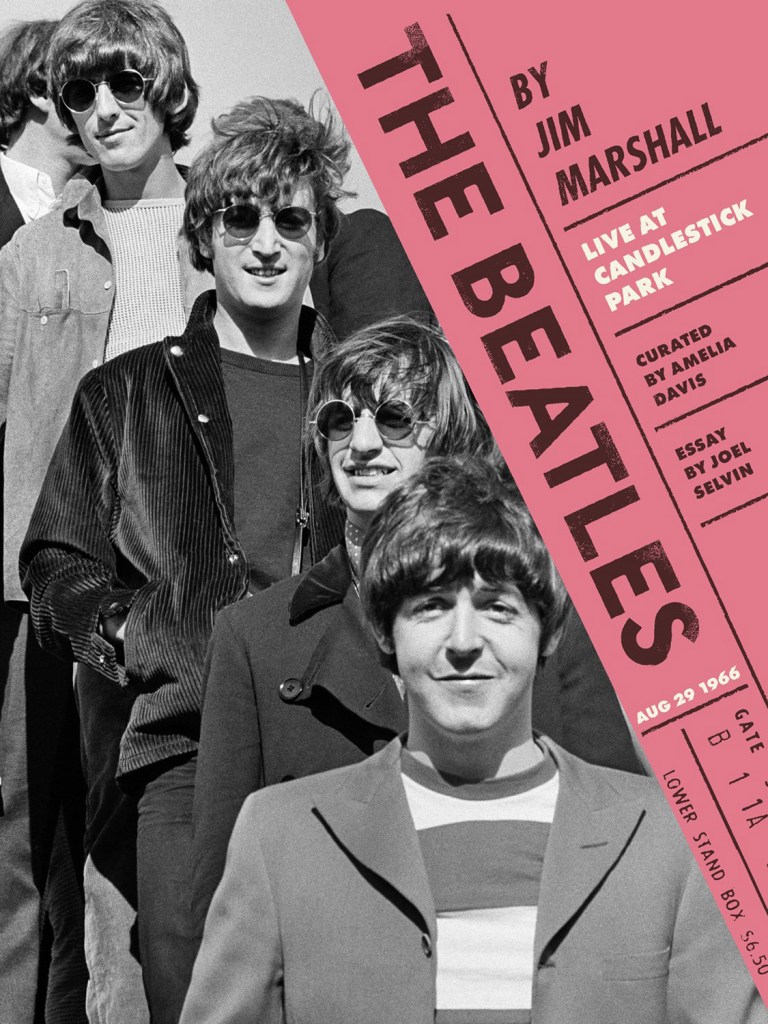
THE BEATLES BY JIM MARSHALL: Live at Candlestick Park 1966 , Essay by Joel Selvin, Curated by Amelia Davis is published by Chronicle Books, and is available now. ISBN: 9781797243962
Related reading:
- 15 tips for live Music Photography for award winning images
- Why every music fan should own this book
- Learn from one of the world’s preeminent fine art, commercial and fashion photographers.
Follow AP on Facebook, Instagram, YouTube and TikTok.