More than two decades ago, a magazine assignment took the American photographer James Balog to the south coast of Iceland. “That assignment turned my head upside down,” he recalls. “We were at a glacier called Sólheimajökull, where the Icelandic glacier-spotters had hammered big stakes into the ground to mark the places where the glacier had been the previous October, and the October before that, and the October before that. You could watch a line of these things marching half a mile up the valley, as the glacier receded year by year by year.”
With a Masters degree in Geomorphology (how landforms are made) and decades of mountain climbing under his belt, Balog had already spent much of his life on and around glaciers. “I felt in my bones that the climate story was going to involve ice, but I didn’t know how to do it,” he tells me. But at Sólheimajökull everything clicked into place. “That was the big revelation. In spite of everything I knew about ice, I didn’t realise a glacier could retreat that fast. All of a sudden, I realised “Holy shit, here’s a subject that could actually blow the doors open on the climate story.”
That idea sparked him into action with his Extreme Ice Survey, which began in 2007 and ended in 2022, a long-term project using time-lapse cameras installed at glaciers across Greenland, Iceland, Alaska, Canada and elsewhere to document dramatic ice loss over the years, producing more than a million images. “It actually was 1.72 million frames,” Balog says of the archive. “As we went through it to prepare the catalogue to go into National Snow and Ice Data Center, we realised that about 220,000 frames were corrupted by having ice on the lens or dirt or dust, so we threw out 220,000 frames and kept 1.5 million.”
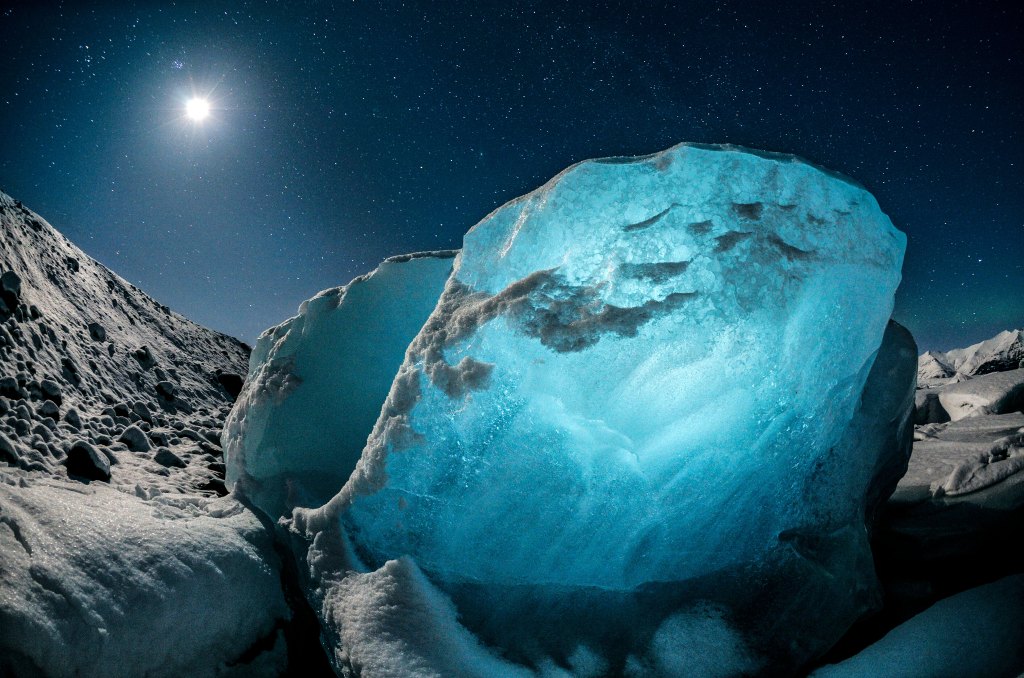
The goal of the Extreme Ice Survey was to demonstrate, with incontrovertible visual evidence, the impacts of climate change. “I think of it as forensic evidence,” Balog explains. “I felt like we were police investigators out there collecting evidence to bring back to the public to say “Ok, here it is. This is the evidence of the real world.”
One of the world’s most influential environmental photographers, Balog is one of the speakers at this year’s Summit Photo 2006 from the Royal Geographic Society, which Amateur Photographer is a partner of. The three-day event will host presentations from world-leading photographers, filmmakers, policy advisors and NGOs working in the field of environmental and humanitarian issues on the power of visual media to inspire, inform and effect change, with other speakers including Chris Rainier, Shahidul Alam, Bertie Gregory and Selene Magnolia Gatti.
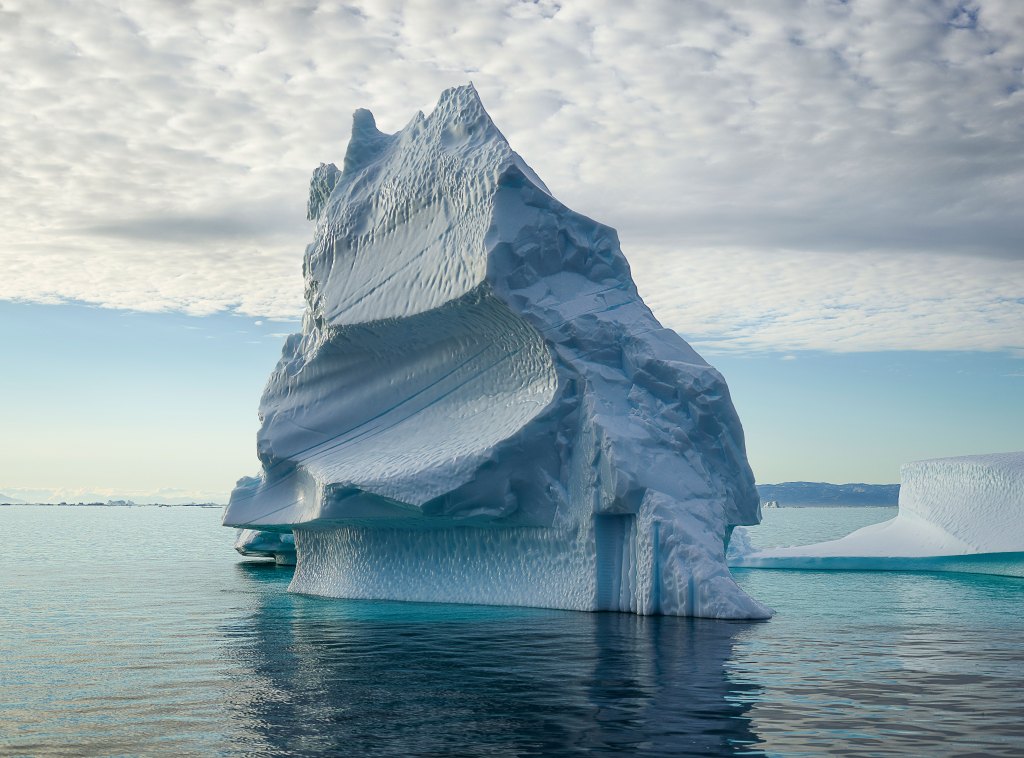
Balog has dedicated his career to ambitious photographic projects that marry art – primarily photography but also film – with science and journalism, especially looking at the effects of human activity on nature and the climate. Born in Danville, Pennsylvania in July, 1952, he was an avid climber and mountaineer, completing expeditions in the Alps, the Himalayas, Alaska and the Andes. “It was just in my blood,” he says. “I loved the outdoors, loved camping, loved climbing trees and rambling around in the forest. That expanded over the years into a lifetime of incredible things experienced and incredible things seen.”
After getting his Masters at the University of Colorado Boulder, he made his name as a photographer in the 1980s and 1990s, his early books, such as Wildlife Requiem and Survivors, exploring issues such as the relationship between hunters and wildlife, and endangered species. A later project, Tree, featured some of North America’s largest trees. “My photographic career was originally motivated by wanting to celebrate nature,” he tells me. “I was very much a traditional outdoor photographer. I wanted to show how pretty things were. But by the time I started to think about these long-term personal projects, I realised “Wow, there’s a lot of other things going on in the world and I want to say something about them.” I became aware early on that it was pretty tough to make a celebratory nature picture, hanging on beauty, unique. One guy’s beautiful sunset is as good as the other guy’s beautiful sunset. You’re a fungible commodity. I wanted to do things that were expressive of my time and place, and do things that were more novel.”
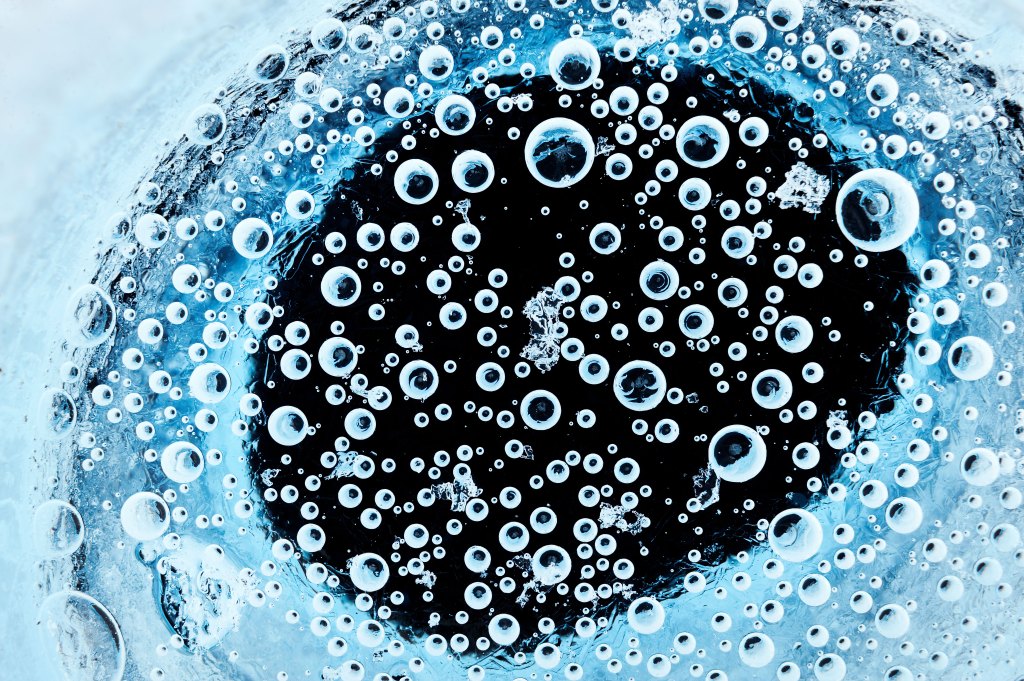
What sets his work apart is the concepts that help him bring art and science together. “I’ve always felt that ideas are almost more important to me than anything else. I want to have an idea about why I’m doing what I’m doing. The next factor that is important is the visceral sense of what the internal reaction is to the world as I see it – that’s the art. And then I’m also always reaching out to the facts of the world, the science of the world, what people know and understand about a certain situation. But it all starts with an idea and an engagement with something out in the world.”
In 2012, Balog set up the Earth Vision Institute (EVI), a non-profit environmental organization, in Boulder, Colorado. EVI’s flagship project has been the Extreme Ice Survey, a research affiliate of the Institute of Arctic and Alpine Research (INSTAAR) at the University of Colorado. The Earth Vision Institute’s mission is to combine art, science and visual storytelling to help people understand humanity’s relationship with nature, particularly climate change.
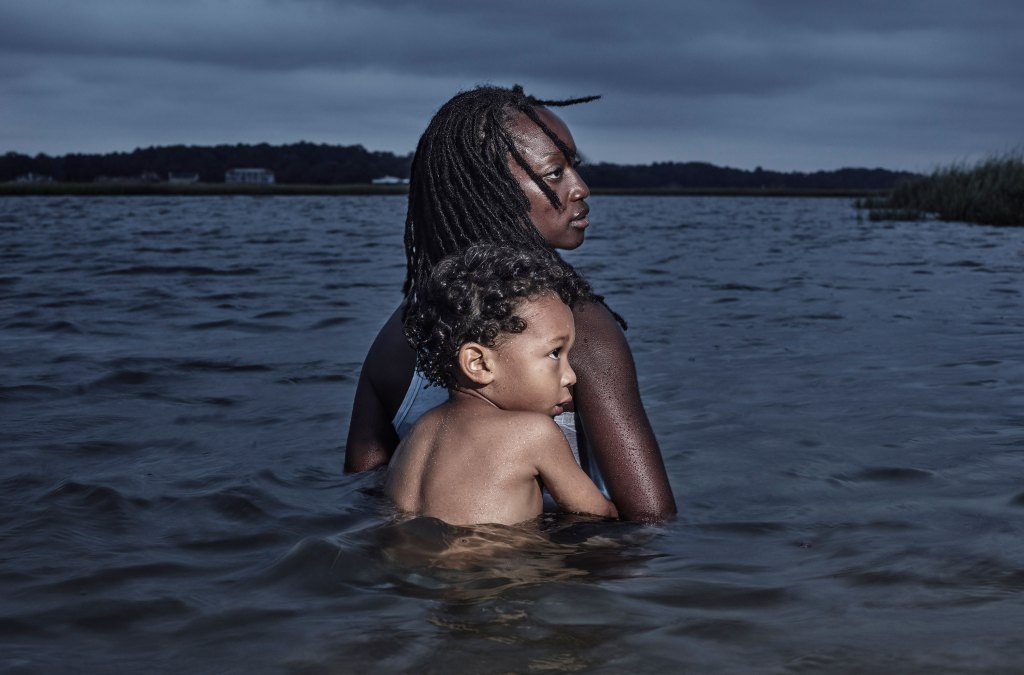
In the same year, Chasing Ice, an acclaimed documentary film was released, which followed Balog and his team as they worked to document the world’s rapidly melting glaciers. A 2024 sequel, Chasing Time, which is available to watch on Youtube, caught up with the team again for the final chapter of the Extreme Ice Survey, as they retrieved the camera gear from remote locations around the world and reflected on the project, climate change and their lives. Balog also wrote and served as a producer on the 2018 film The Human Element, which looked at how climate change is shaping the world, including forest fires and flooding across the United States.
“It’s a tricky subject,” he says, when I ask if photography or film is the more effective communication tool. “I feel like stills have the power to really distil or consolidate very specific irrefutable content that throws something right up into your face. It’s, like, “Boom” and it’s there. It’s somewhat painful to admit that in modern global culture, the cinema has a bigger reach than we stills photographers do. Cinema is a medium where you can combine the tricks of editing – the picture is moving, you can add music, and all that stuff makes for an emotional captivating creative product. But films tend to be ephemeral products – no matter how good they are, they usually have a very limited shelf life. But stills, if you can find the right pathway for them, tend to live a lot longer than a lot of documentaries do.”
Working on the frontline of the climate change issue for decades has been a harrowing, often physically dangerous job, not unlike conflict photography. “James Nachtwey and I have talked about this idea,” Balog tells me. “He’s one of my best friends, and we’re in simpatico with that sense of “Goddamn it, it’s my honour and my duty and my obligation to look at this stuff that may not be particularly easy to experience or easily expressed for an audience, but it has to be done.””
Last time I spoke with Balog, a few years ago, he was recovering from recent treatment for blood cancer, which was diagnosed in 2019. Today, speaking from Colorado (he lives in the foothills of the Rocky Mountains above Boulder, with his wife, Suzanne), he looks and sounds stronger. “It’s an ongoing process,” he tells me. “With the particular kind of cancer I have, multiple myeloma, you never really escape from it. My doctors told me it’s a condition – you take your pills, you keep it suppressed, and you go on with your life. I don’t love the medication but life goes on.”
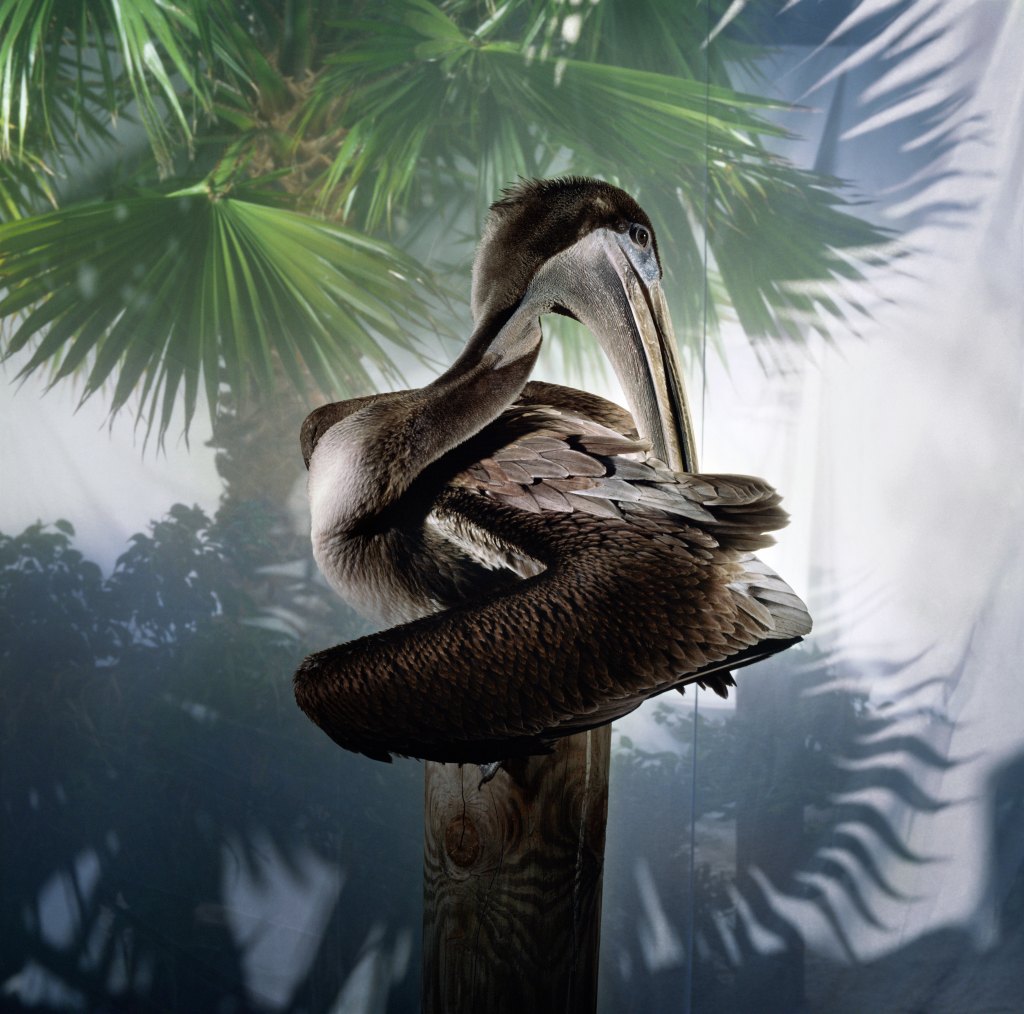
Balog is convinced his cancer was triggered by exposure to contaminants while photographing wildfires in California. “One of the strong probabilities that came up early on is that the doctors say exposure to benzine and formaldehyde are two of the most important triggers for these blood cancers,” he explains. “I hadn’t realised until all that wildfires work was done – four years with wildfires – that it turns out that when you burn conifer trees, it releases benzine and formaldehyde. We were in monstrous, intense smoke.”
It’s one example of him risking his life to cover environmental stories. “I’m kind of stunned when I think back over the decades,” he says. “A lot of these projects carried a lot of anxiety and drama and risk, often physical. The big tree work was very dangerous. I look in hindsight, and I wonder if I was insane. When I look at the ice work, I think I was nuts. I was driven. I couldn’t not do it. You get pulled into these things. You have one voice in your head saying “Maybe I shouldn’t be doing this” and another voice in your head saying “I have to do this. I don’t have any choice.””
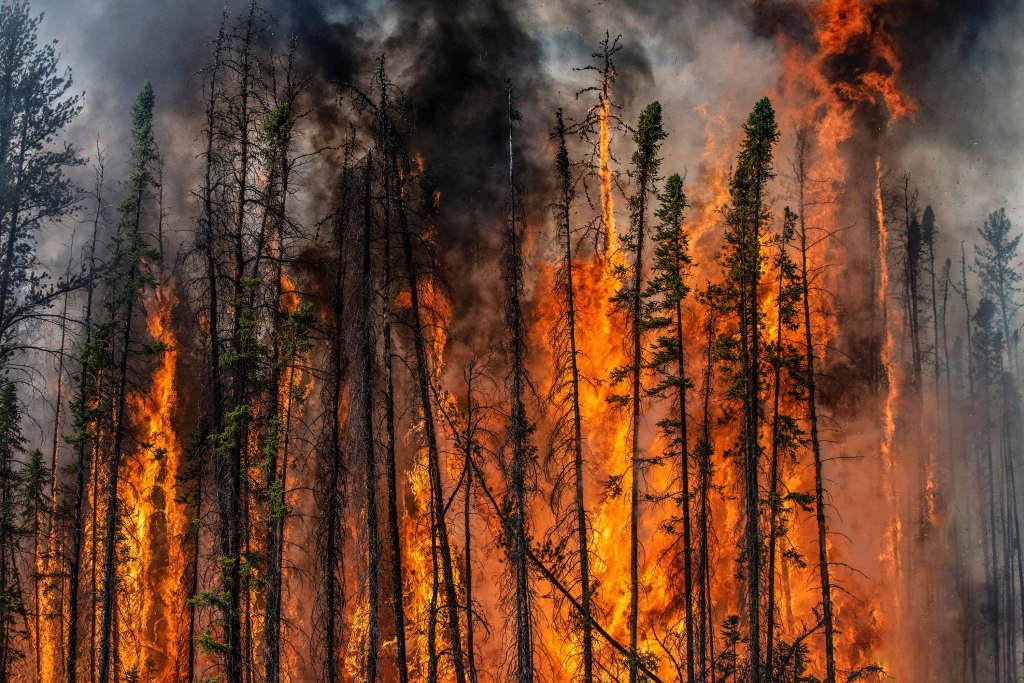
As someone who has put his life on the line for the cause, he is unimpressed that the scientific facts on climate change, biodiversity loss and other human-caused catastrophes are still often debated and dismissed. “I’m horrified at this anti-science retreat of Western civilisation,” he says. “I mean, we’re not making this shit up. It’s real. It’s there. I just can’t believe people have become so bottled up in their ideology that they are unwilling and unable to see the facts as they exist.”
Balog is confident that his work, including the Extreme Ice Survey, has fed into global understanding of climate change, though. “We take a great deal of pride in feeling that we’ve contributed to the perception of this issue. As the images came out and the stuff wound up on social media, it’s contributed to a genuine sense that the general intelligent, educated population takes this issue much more seriously than they did 20 years ago.”
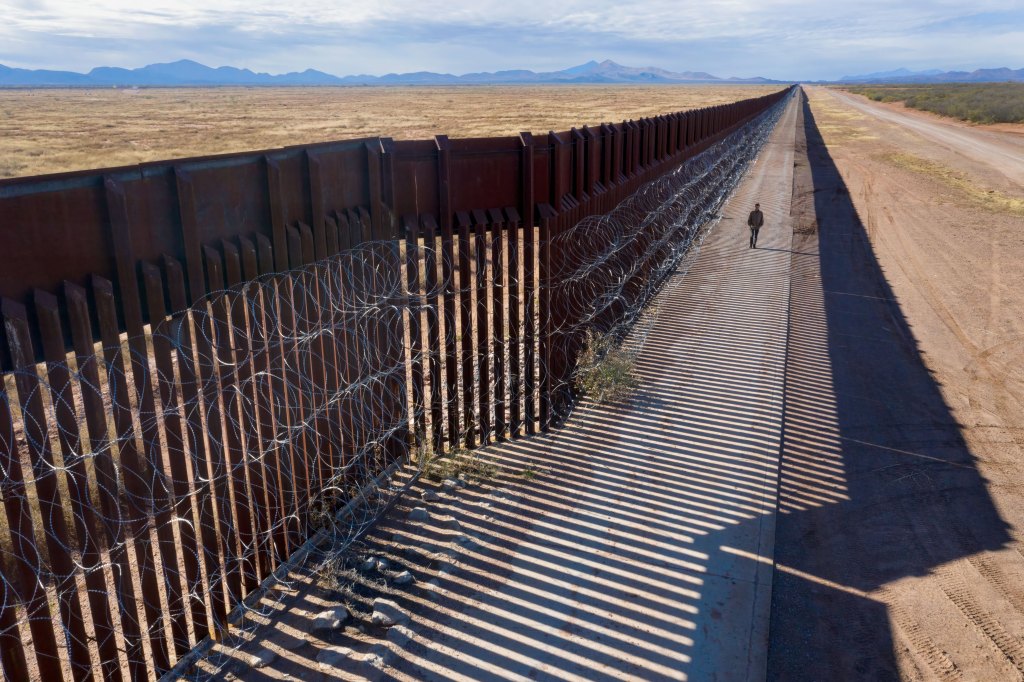
For many years, Balog’s work, alongside other photographers and scientists, was given as a warning to the world, in the hope of averting disaster. With rising temperatures, storms, droughts, fires and floods, we’re all now living in the era of climate change, though, he says, with worse still to come. “I don’t believe the world is coming to an end but I do believe we’re in a lot of trouble. 20 years ago, people talked about the impact of systemic environmental changes being an abstraction relatively far in the future. But all this stuff has happened now, and it’s accelerating and it’s not hypothetical. It’s real – it’s right around us. In the future, there are going to be some very expensive, often painful adaptations that people will have to endure because of the environmental changes that are in front of us.”
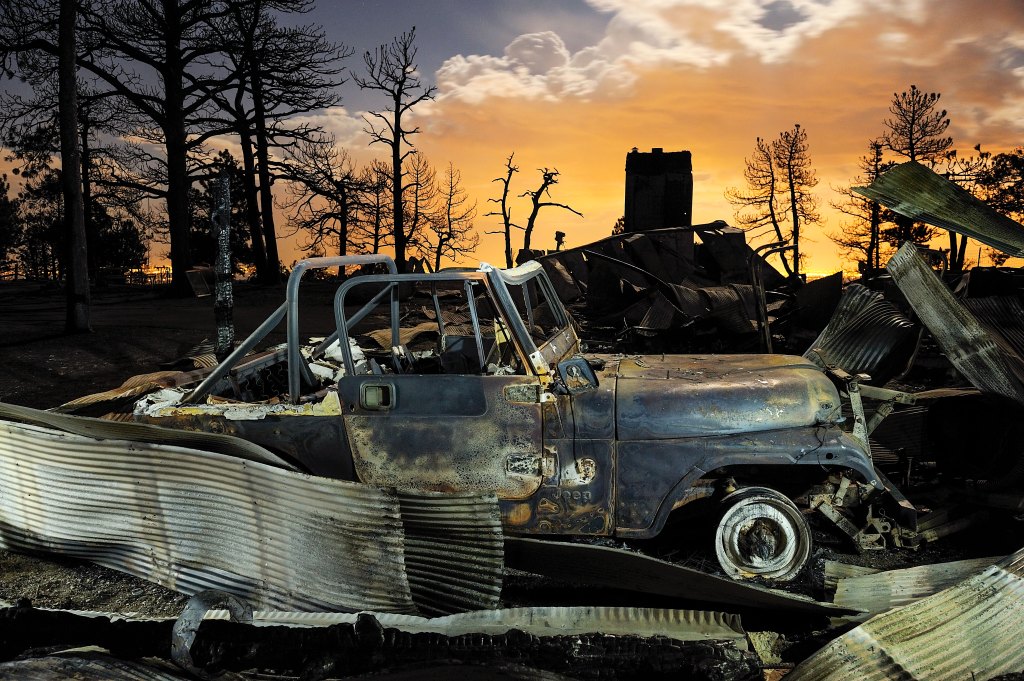
He doesn’t see the fossil fuel industry, which so much of modern life is based around, disappearing anytime soon. But despite all he’s witnessed, he isn’t giving up. “I’ve learned not to fall into despair because despair is a self-inflicted wound,” he says. “It doesn’t do any good. It puts you into a state of depression, where you want to curl up and pull a blanket over your head. I’ve come to realise that I’m part of a community of human beings that understands this issue. The political systems and financial systems are resisting like crazy but the truth of what we’re looking at is the truth, and eventually this species will get smart enough to do something about it. I also take a lot of hope that it’s embedded in the soul of human beings that most people appreciate blue sky and green leaves and running water, and they don’t want to see all that stuff destroyed by the burning of fossil fuels. I also have a baseline of hope in the power of nature. Nature is an incredibly resilient force. If it’s left alone to its own devices, it can do a lot of recovering really fast.”
Summit Photo 2026 is at the Royal Geographical Society in London from July 17-19. Tickets from £15-£25. See www.rgs.org for details.
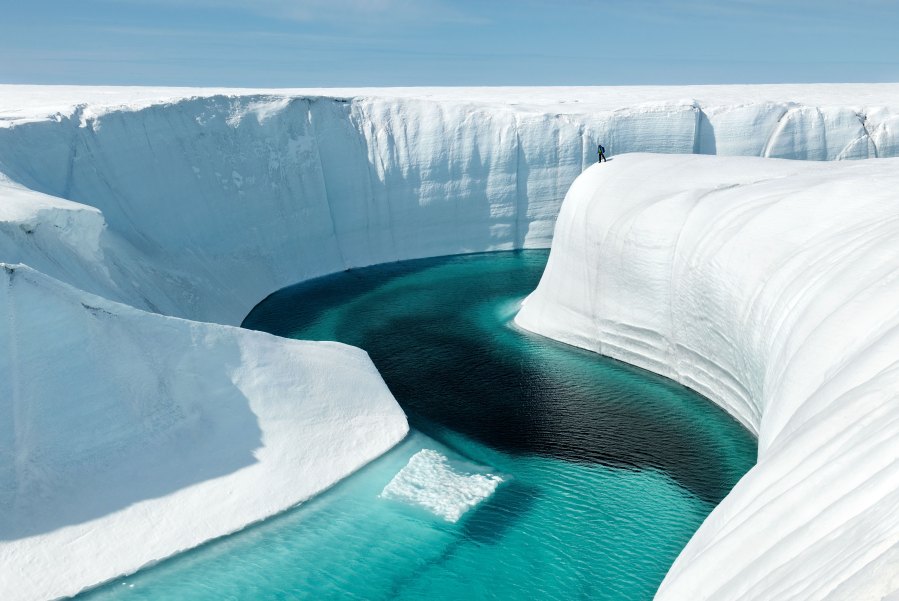
Featured image: Birthday Canyon #4, Greenland Ice Sheet, Greenland, 2009. An Extreme Ice Survey team member stands at the edge of Birthday Canyon (an informal name given to it by the EIS team in honor of their exploration on the night of expedition leader, James Balog’s birthday).© James Balog/Earth Vision Institute All rights reserved
Related reading:
- How a photographer’s ‘attention’ can help the planet
- Documenting the consequences of climate change
- Greenland into White: Shooting on film in the Arctic
Follow AP on Facebook, Instagram, YouTube, TikTok and Irys.