It is hard to wrap your head around a 3,2 gigapixel camera, right? But the Legacy Survey of Space and Time Camera (LSST Camera), which began its 10-year project to map our universe, is exactly that.
To date, the LSST Camera holds the highest resolution ever achieved by an astro camera, and now it will capture roughly 20 terabytes of data every single night to help scientists study dark matter and dark energy and create “the most comprehensive, cinematic record of the Universe in history.”
Despite making up 95% of the mass-energy of the universe, dark matter is still very much a mystery to scientists, but according to the Office of Science, dark matter leaves imprints on the universe that we can see by using a gigantic camera like the LSST.
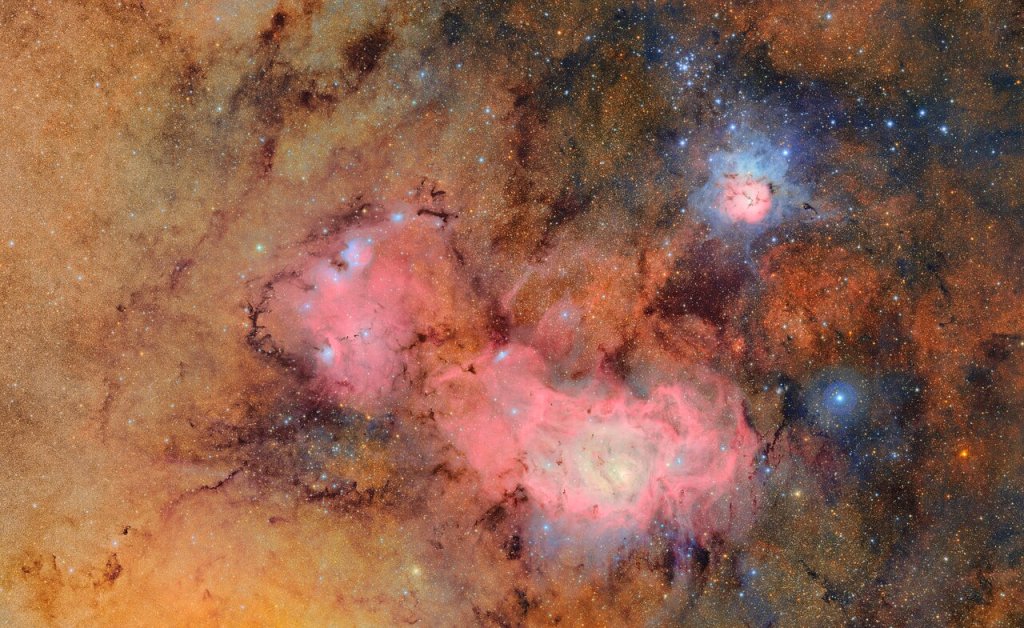
Two years ago, the world’s biggest astro camera was constructed in the US, but it needed one of the darkest places on Earth to take pictures of the cosmos. So the Vera C. Rubin Observatory was built on a windswept mountaintop in the Chilean Andes to tackle light pollution, and last week this record-breaking Legacy Survey of Space and Time camera started snapping our universe.
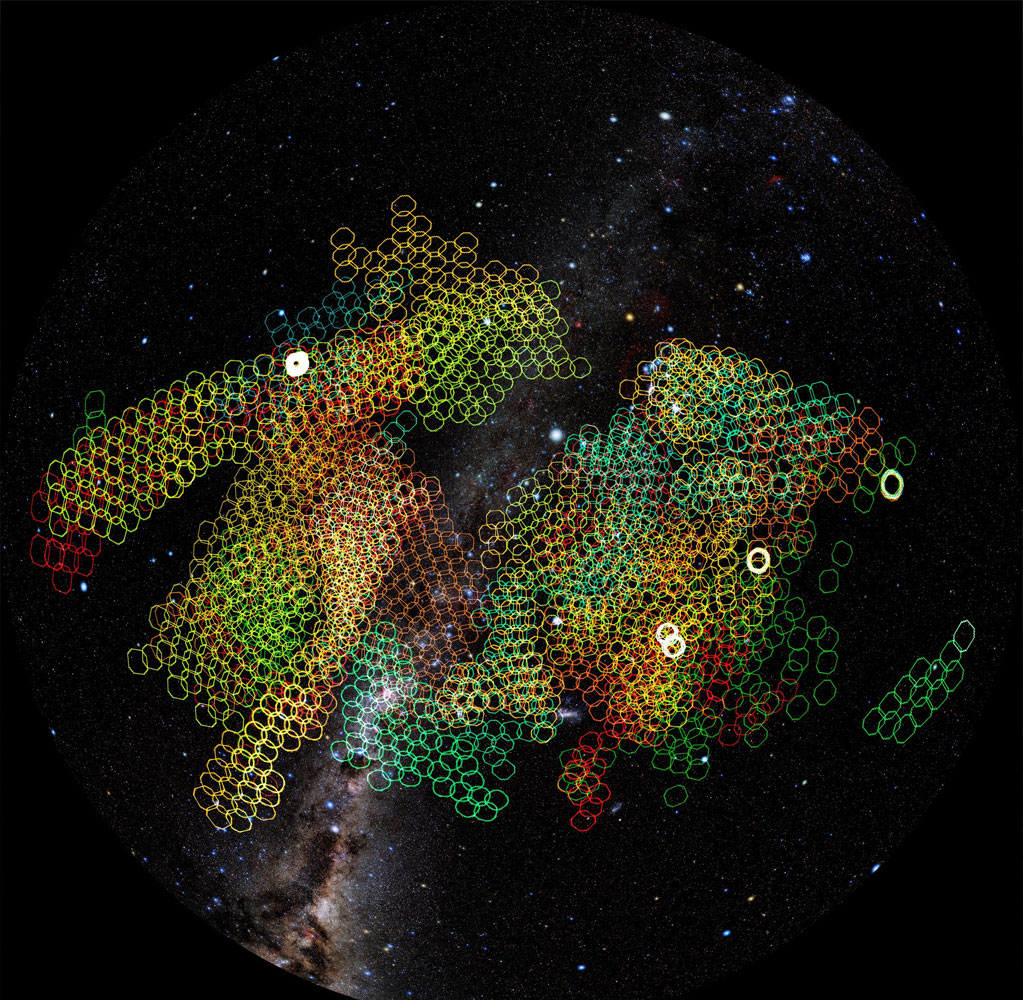
The image below is originally 1.7 gigapixels and shows a field of stars in the Constellation Lupus. Thanks to the incredible light-gathering capability of the LSST camera, the Rubin Observatory can detect even the faintest stars and objects, revealing never-before-seen details. The whispy white clouds here are “galactic cirrus” or in other words “clouds of interstellar gas and dust that can be seen in the foreground of the Milky Way.
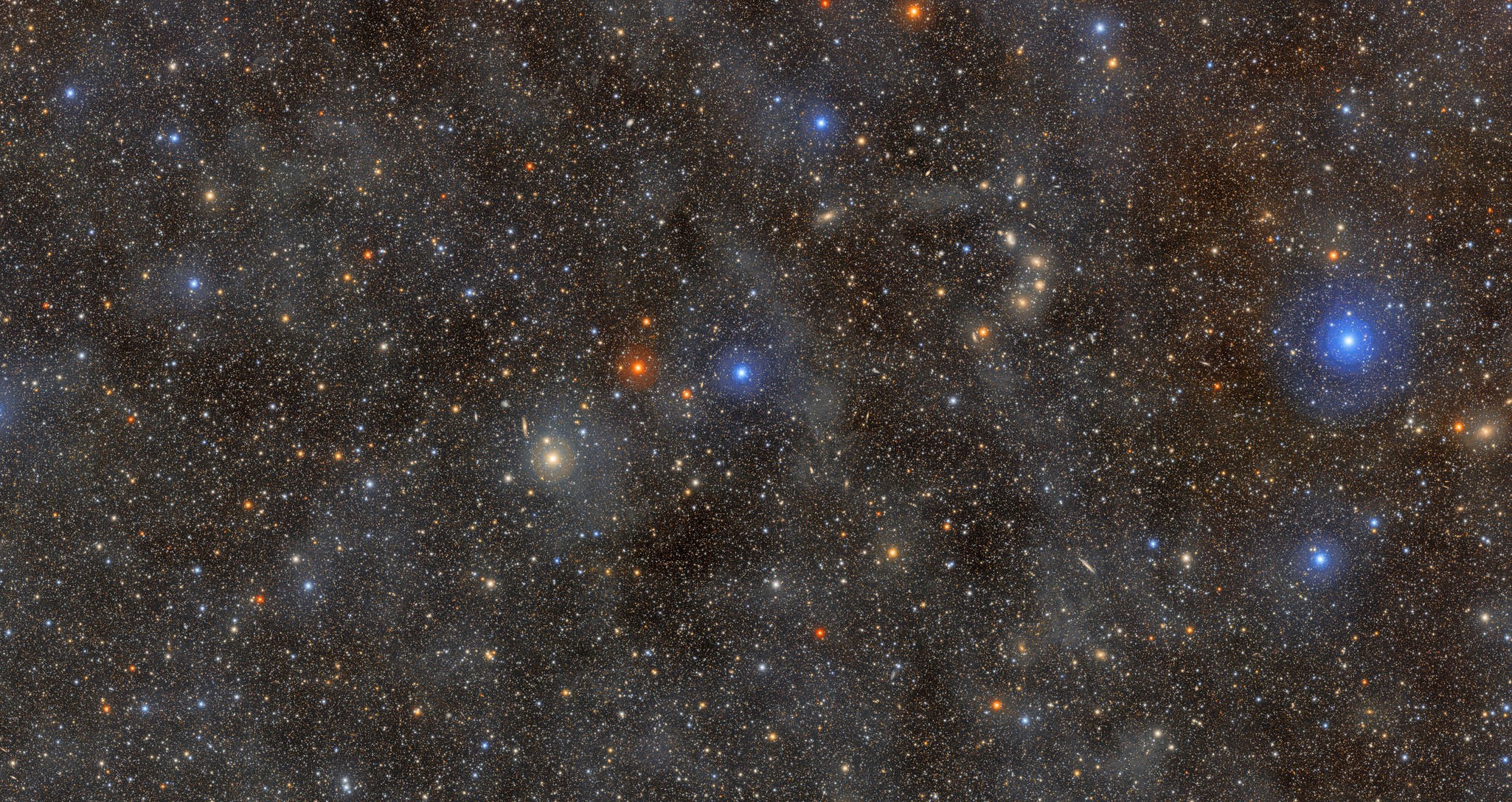
These breathtaking images are just a glimpse of what’s to come. Over the next decade, the LSST camera will capture millions of these deep-sky views, building a comprehensive map of our night sky. Best of all, this massive treasure trove of data is open to the public, inviting stargazers and scientists alike to explore our universe together.
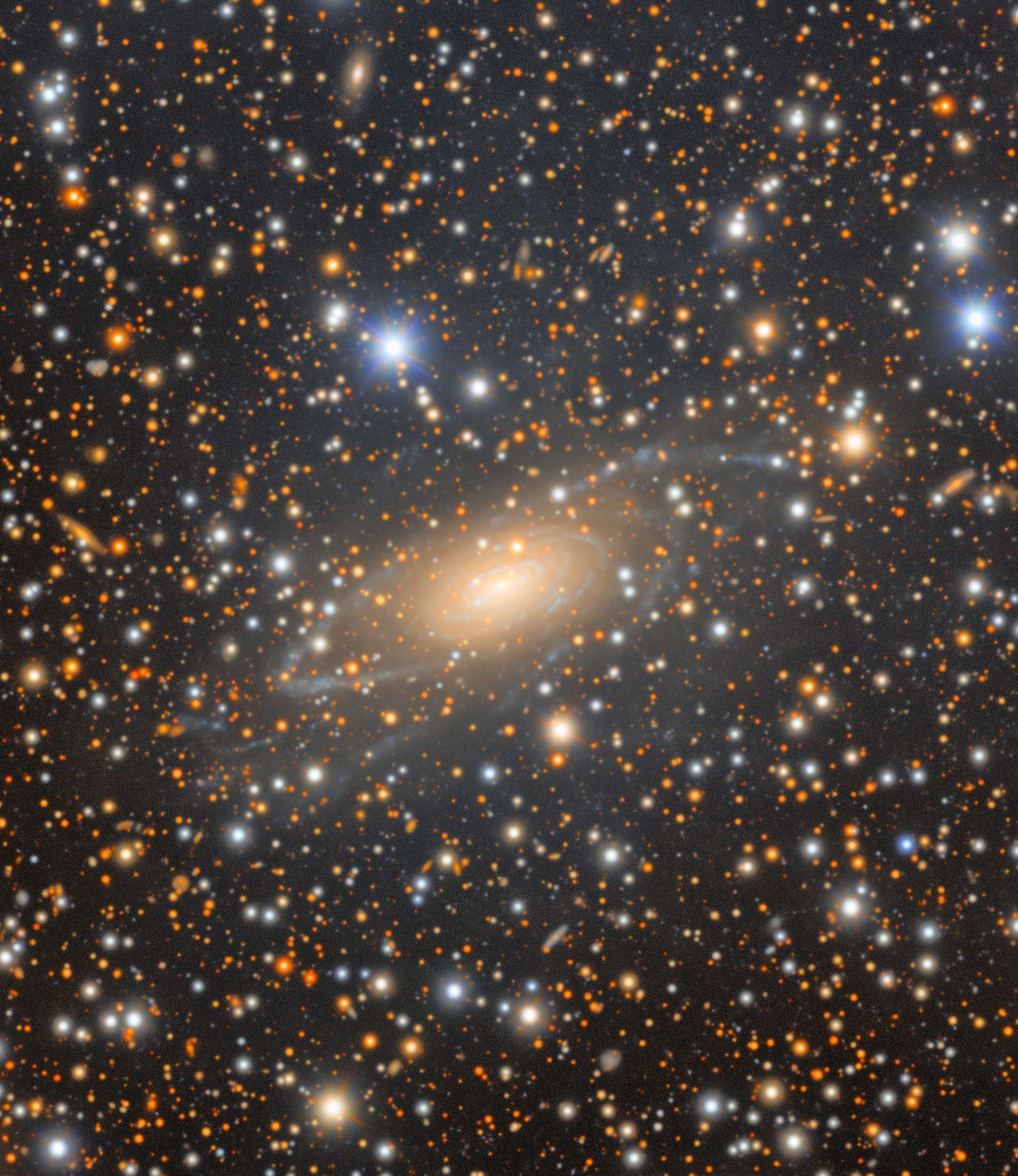
To explore the details yourself, head to the noirlab.edu website to access the full high-resolution image, where you can zoom in and explore the cosmic dust and distant stars in breathtaking detail.
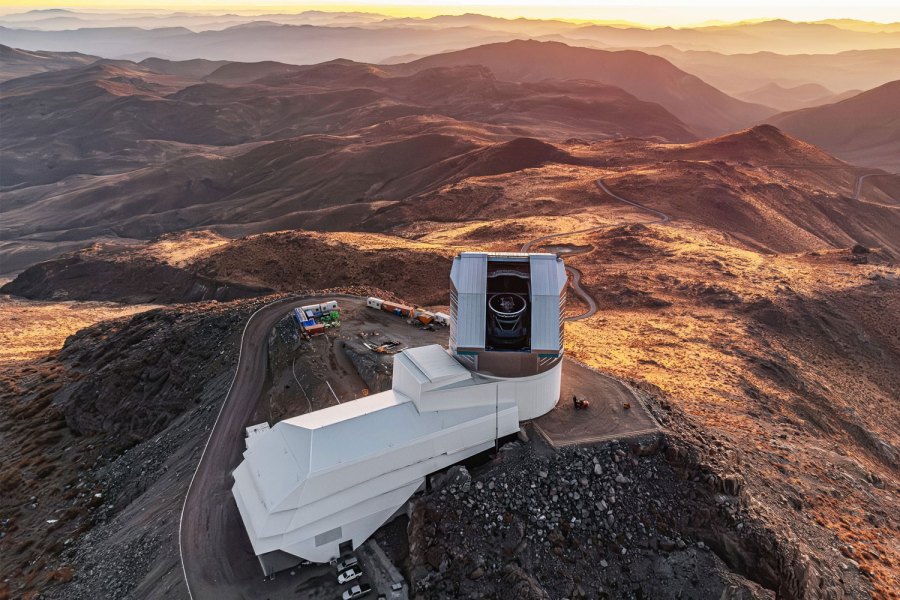
Lead image: Drone view of NSF–DOE Vera C. Rubin Observatory during the First Look observing campaign. Credit: NSF–DOE Rubin Observatory/NOIRLab/SLAC/AURA/T. Matsopoulos
Related reading:
- The best cameras for astrophotography
- The best lenses for astrophotography
- Why Tenerife is THE place for astrophotography
Do you want to win some great prizes for your photography? Enter your photos in our International Amateur Photographer of the Year competition. Free entry for photographers aged 13-21.
Follow AP on Facebook, Instagram, YouTube, TikTok and Irys.