The annual Abbey Road Music Photography Awards (MPAs) have been increasing in popularity since their launch in 2022, with stunning images winning the competition’s categories over the years. It’s easily one of the best competitions you can enter. This year sees the fifth edition of the awards and there are two major advantages to entering the awards – they are free to enter and are open to photographers (over 18) of all experiences. If you’re a keen amateur who is proud of your work, it can be entered and judged alongside images by professional music photographers.
The 2026 categories
This year’s Abbey Road MPAs have eight main categories:
- Festivals – supported by headline partner DHL
- Emerging Photographer of the Year – supported by Adidas
- Music Moment of the Year – supported by Outernet London
- Live Music – supported by Hydro Flask
- Behind the Scenes (BTS) – supported by Abbey Road
- Portrait
- Underground Scenes
- Guest Category – 50 Years of Punk
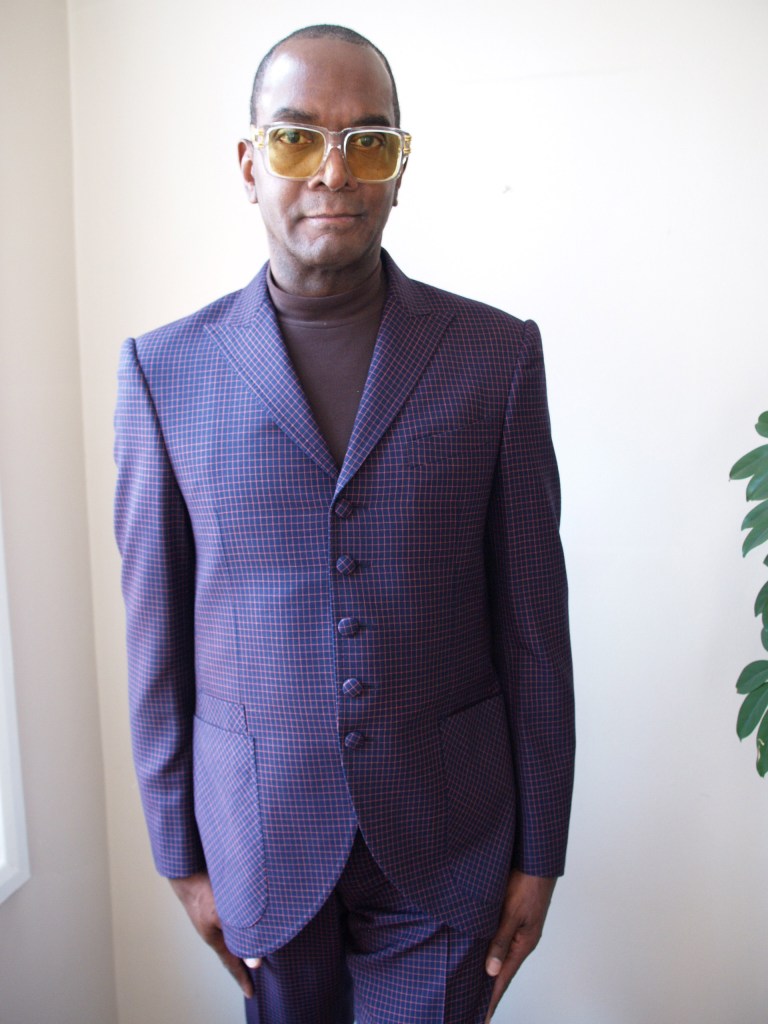
There are also two special awards – the Judges’ Choice, for which the judging panel chooses an image for its outstanding creativity, and the ICON award, which is given to an exceptional photographer for their impact and contribution to the art of music photography. This year the ICON award has been bestowed upon Roberta Bayley, who is best known for her work with the Ramones (she famously photographed the cover of the Ramones self-titled debut album), Blondie and Iggy Pop.
The 2026 judges
The 2026 Abbey Road MPAs has an all-star judging panel, which is headed by the British photographer, publisher and film director Rankin. He’s joined by special guest judge, music legend Nile Rodgers, seven-time BRIT Awards winner Raye, Italian singer-songwriter Damiano David, portrait and documentary photographer Platon, photographer Dean Chalkley, photographer and art director Dennis Morris, Abbey Road producer In Residence Kid Harpoon, Lily Fontaine, previous MPAs finalist Phoebe Fox, US photographer Jackie Lee Young, singer-songwriter Hikaru Itada and guest judge, photographer Simon Wheatley (who chronicled London’s youth culture in his 2010 publication, Don’t Call Me Urban! The Time of Grime).
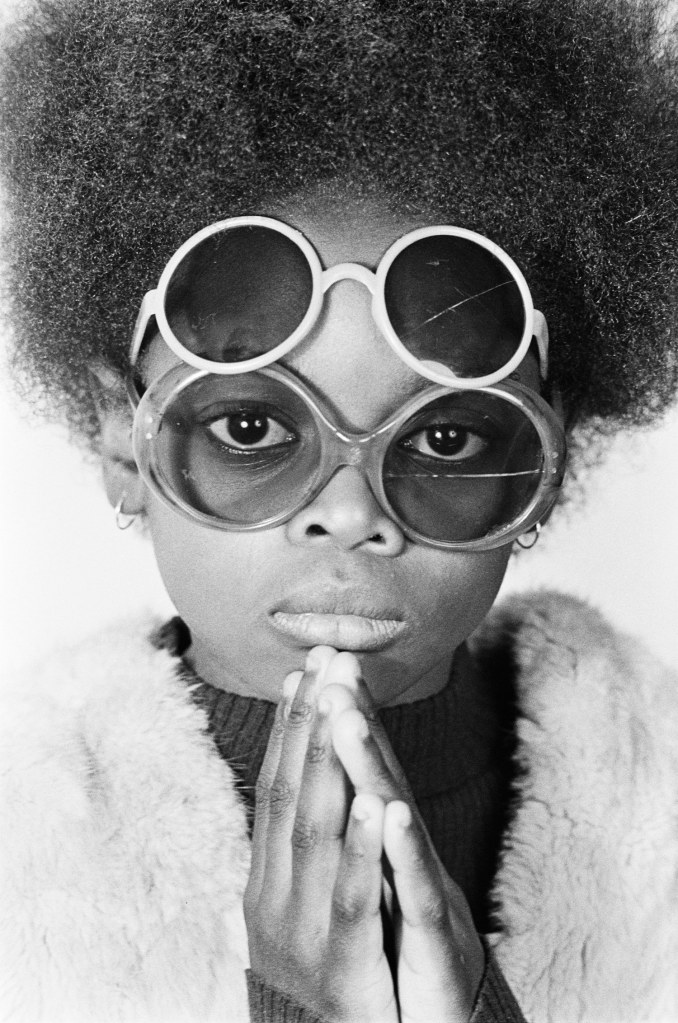
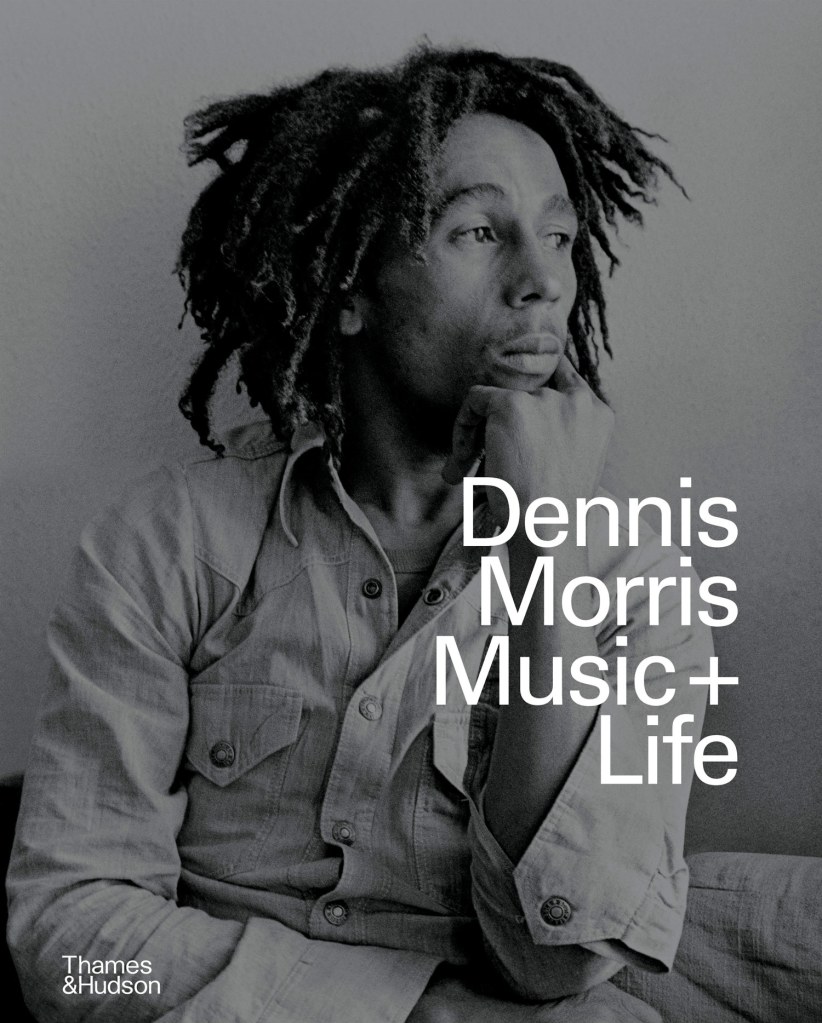
Photographer and art director Dennis Morris
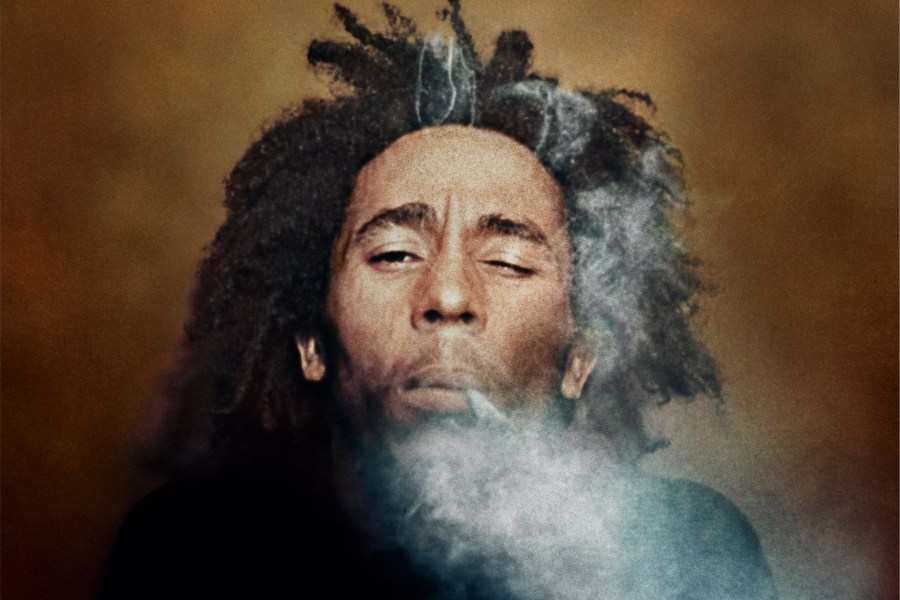
To give you a helping hand with entering the Abbey Road MPAs, I spoke to the art director and documentary and music photographer Dennis Morris, who is judging the Live category, which is looking for images that capture the emotional pull of live performances and the rapport between the artists and their audiences. Morris is best known for his work with reggae superstar Bob Marley (who Morris met as a schoolboy and bunked off school to go on tour with Marley and The Wailers), the Sex Pistols and PiL. Here are Dennis Morris’s top tips for shooting music…
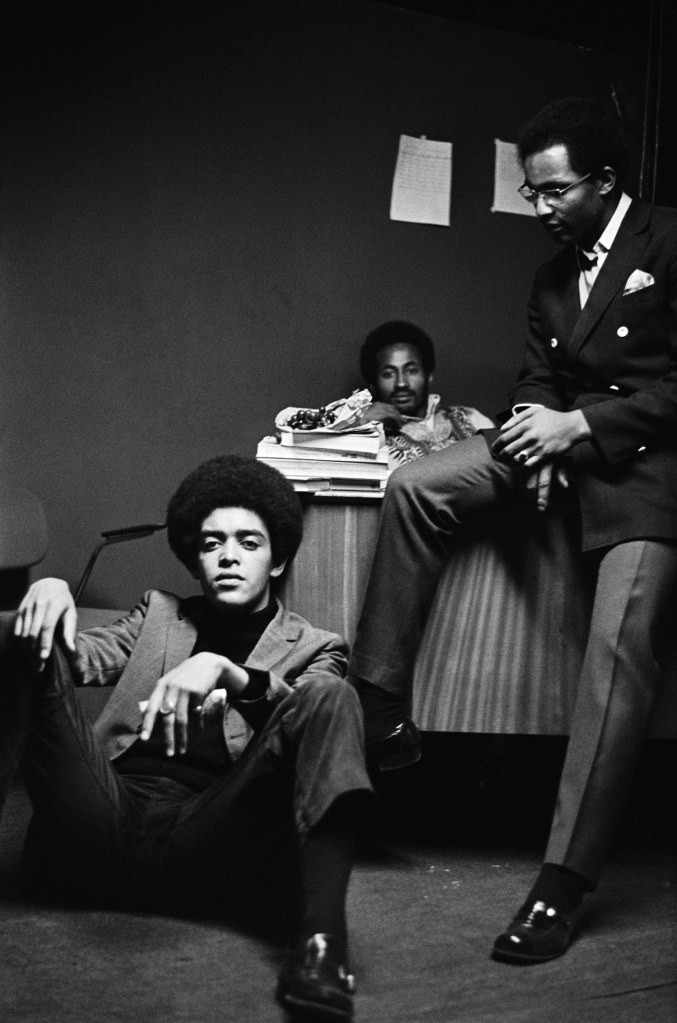
Capture the essence of the band
‘When I was working with the Sex Pistols and doing shots of the Pistols, sometimes I never really concentrated on the band. I concentrated on the fans to try and capture an image that could sum up what was going on in the gig or could largely sum up the band without seeing the band. One of the things I’ve noticed now is when people go to gigs they don’t actually look at the band – they’re looking at their phones. It’s a very strange perspective to be looking at a band through your phone and not just using your eyes. Because when you’re doing that, you’re not really capturing the energy if you’re looking at it straight on. Try and get a short or a series of shots which captures what the band is about. For instance, the shots that Pennie Smith took of Paul Simonon smashing the guitar (used on the front cover of the album London Calling) sums up The Clash, sums up punk and sums up rock and roll.’
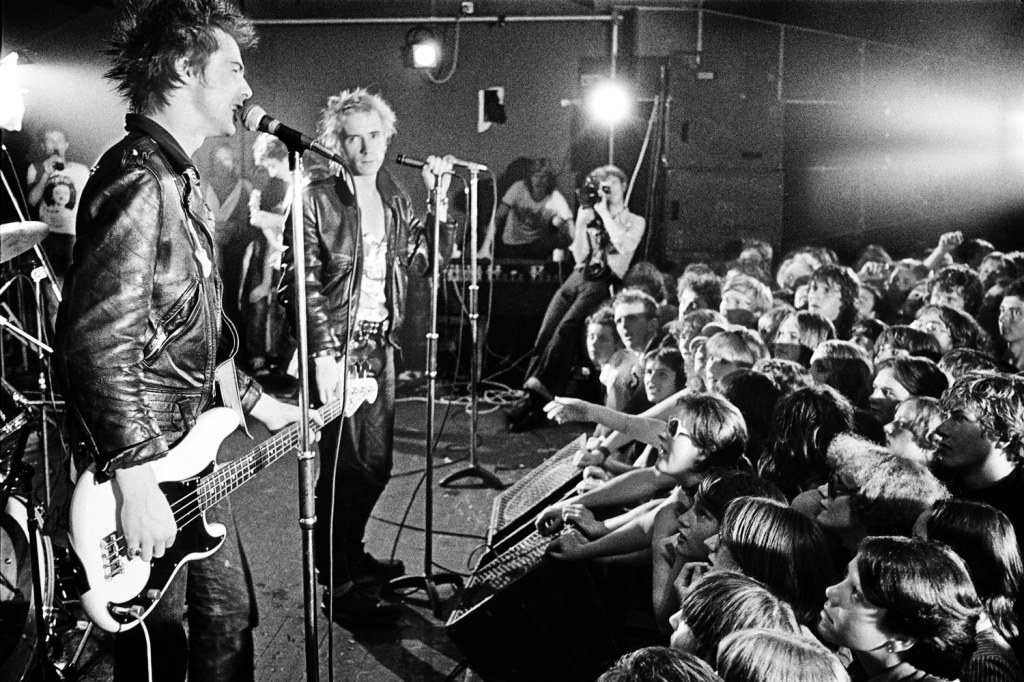
Do as much research as you can
‘Apart from the Pistols there were a lot of bands that I did shots of live, so it’s good to know their music. The commissions I got when I was doing stuff for NME were never just reggae; some of it was rock, so I would always make sure I listened to the music if I needed to know anything about the band. You get a vibe of what I’m going to prepare myself towards reflecting. There’s a lot of research involved. You can’t just go into it cold. You’ve got to do as much research as you can.’
Turn up early
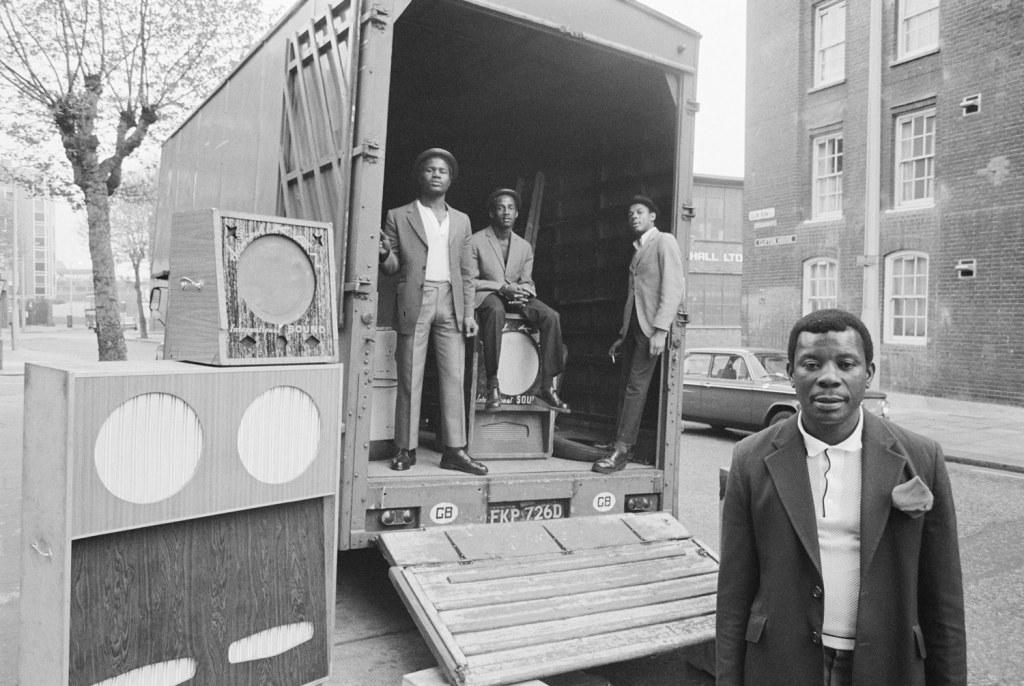
‘The other good thing is to turn up early. Seriously, don’t walk in and start setting up when the man’s already on stage! Get there as early as you can. You need to get there an hour before really. If you get the possibility of seeing them setting up or doing a soundcheck, all that kind of vibe, you can get a feeling of what they’re about and of the actual venue as well.’
Capture the energy of music
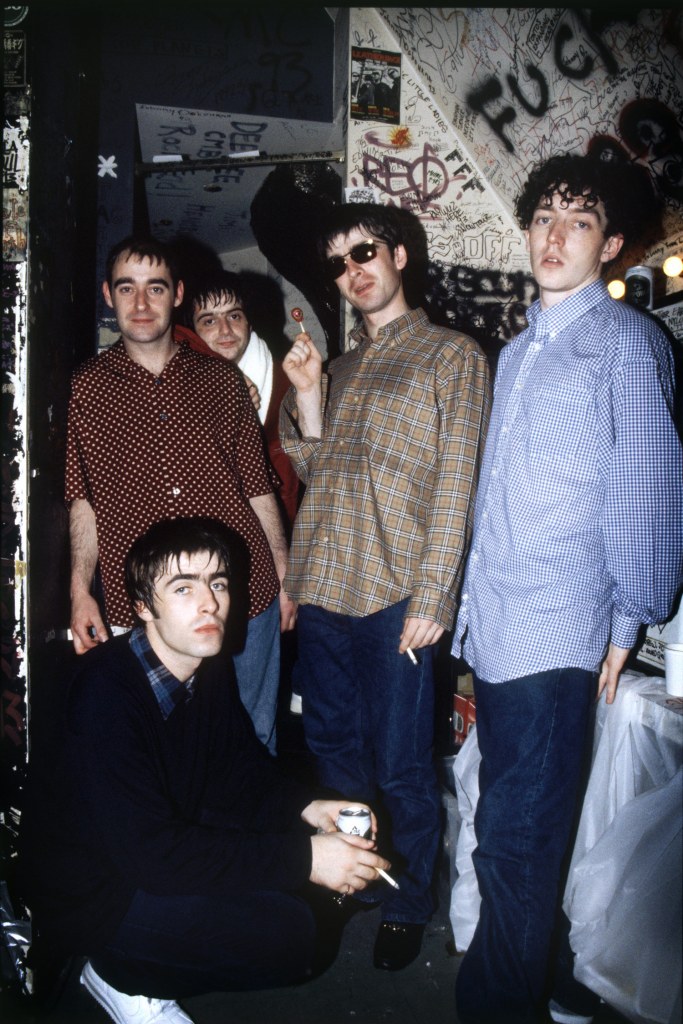
‘For me, punk was just pure, raw energy. It was a time where you could really do what you wanted to. Whatever medium you’re in… if you’re a photographer, artist or designer, whatever, you had that period where you had that space and that freedom to create and do what you wanted to do. There were no restrictions in that sense. So, one of the things that I got from it was just that freedom to be able to do that and also the energy that was there was incredible. It was really a very incredible time.’
Music portraits: always remember what your subject is about
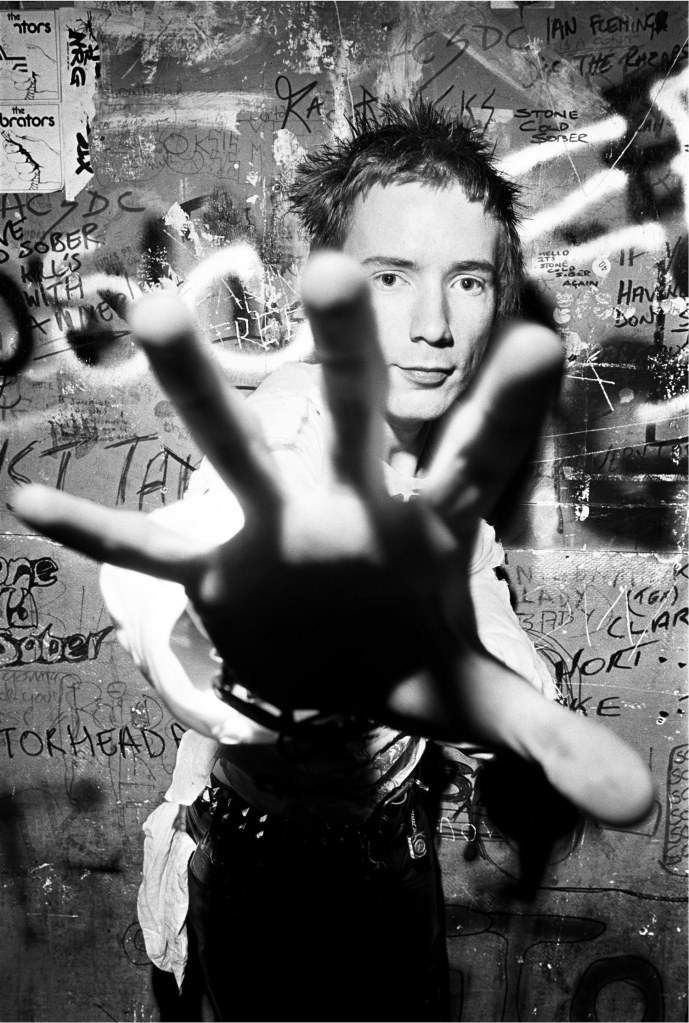
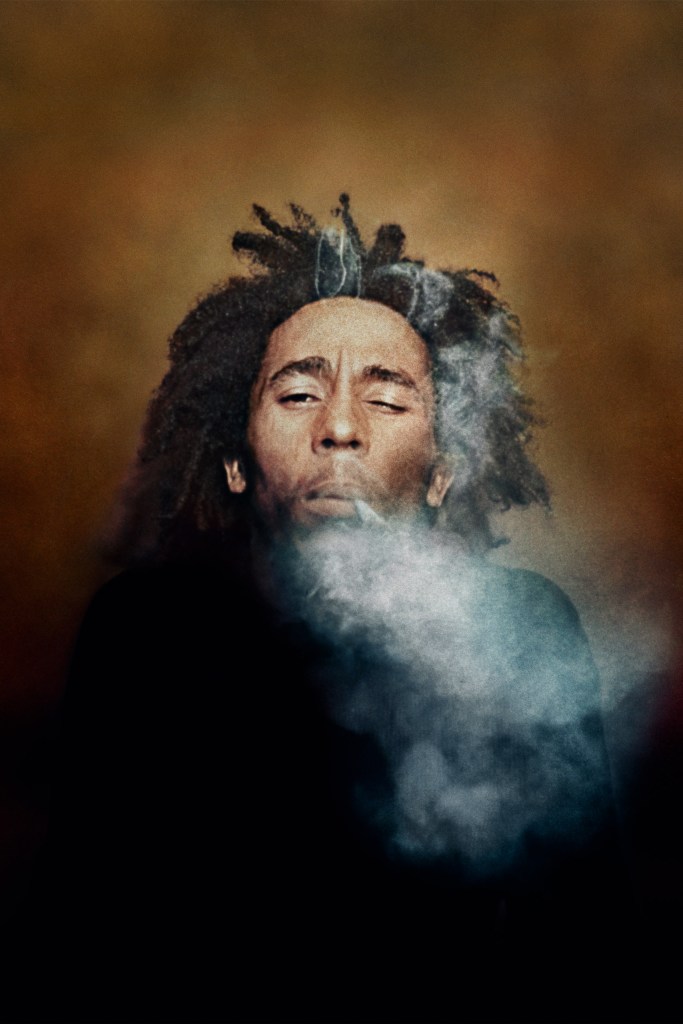
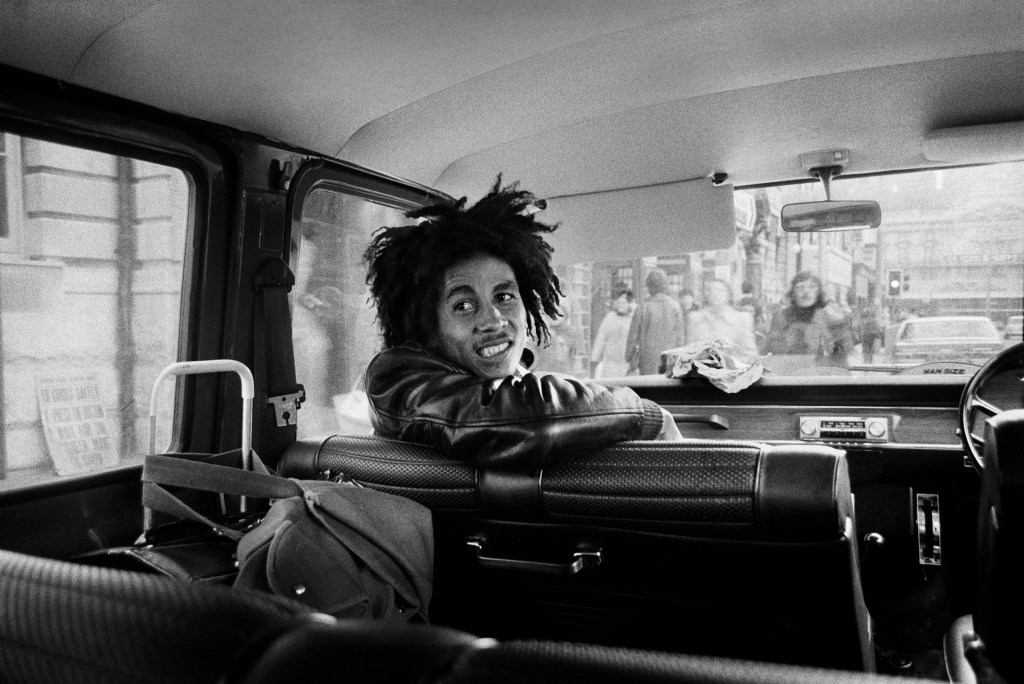
‘With Bob Marley I was lucky and fortunate enough when I first met him and then, from that meeting, I then learnt more or less what he was about as a person. Once we started doing things together it was always very important to know what he was about and to capture those moments of what he was about. The thing about Bob was that anything that ever happened was quite instantaneous; nothing was ever planned.
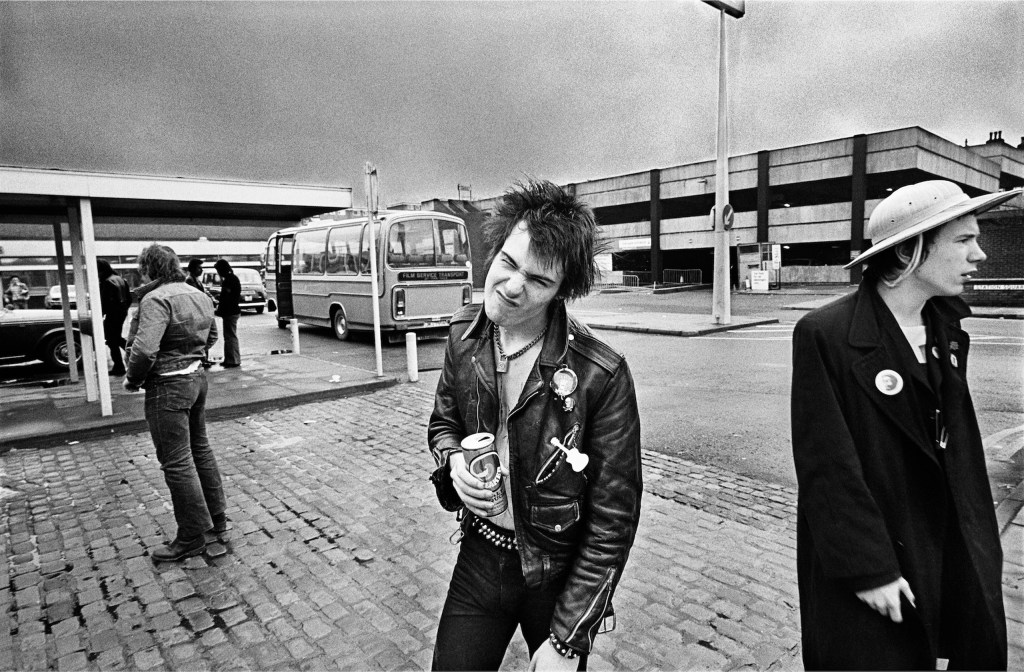
What he liked about me was the fact that when he saw those pictures when he did something I’d never said to him, “Oh, that was great, can you do that again?” He knew that whatever he did I was ready and I would get it [the picture]. There was never any posing in any shape or form. It was just us being together and then just seeing that little something and then getting it. He would more or less get into it as well and he’d just do something else.
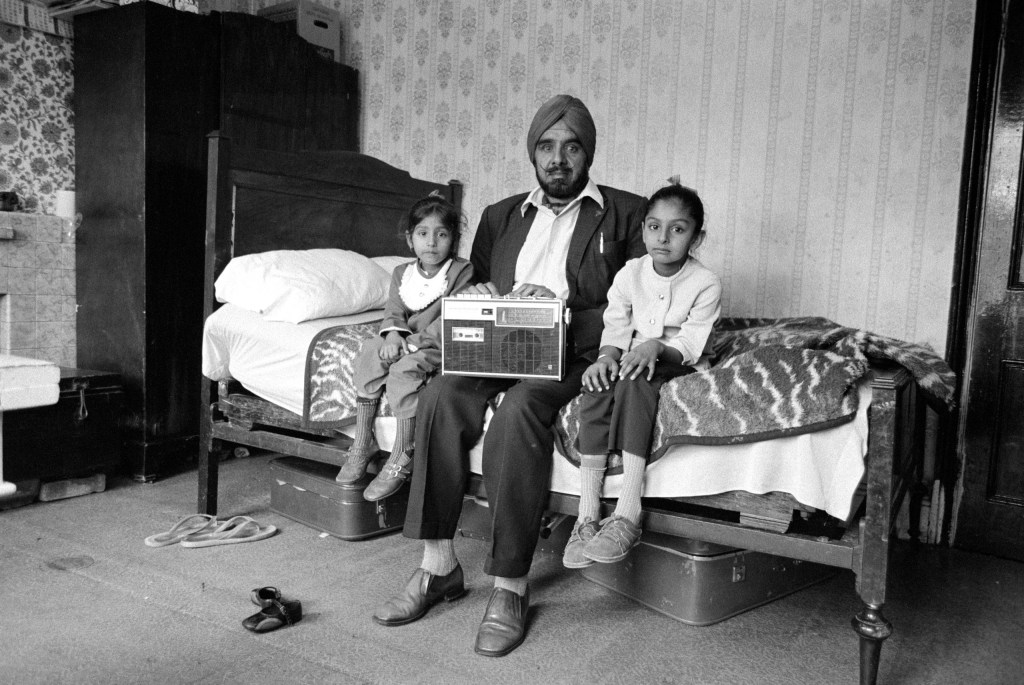
So, that’s really important to get to know something about your subject or knowing the music or reading up about the person and find out as much information as you can. Then, if you get fortunate enough to get close, always remember what that person’s about, so you’re just there and you’re not just this person who keeps interrupting and saying “Can I do this? or Can I do that?” You just do what you’re there for.’
Judges want to see great moments
‘For the [MPAs] category that I’m judging, which is Live, I’ve already got in my mind what I’m looking for. So, when I see that shot, or those shots, those are the ones I’m looking for and I would separate them from what’s there. I’m looking for something specifically because that’s what, for me, live photography is about and can be about, so I’m looking for those shots. I’m looking for those moments that capture that gig, the fans, whatever it may be, which sums up what the band are about.’
Enter the Abbey Road Music Photography Awards
The 2026 Abbey Road Music Photography Awards are open for entries till 30 June 2026. Entrants must be over 18 years of age and in each category you can enter between three and five images. To find out more, just go to https://abbeyroadmusicphotographyawards.com/competition
Related reading:
- Skipping Class for Grass – a schoolboy’s love of Bob Marley turned an afternoon of mischief into a photography career
- Chanel x Vogue – some of the biggest icons in photography appear in this stunning collection of images
- This new book shares intimate and important street photos of the New York City queer community for Pride Month
Follow AP on Facebook, Instagram, YouTube, TikTok and Irys.