A new book, A Corner of a Foreign Field, combines poetry from WW1 with photography from the trenches and home front. We find out more, including the painstaking photo-restoration process.
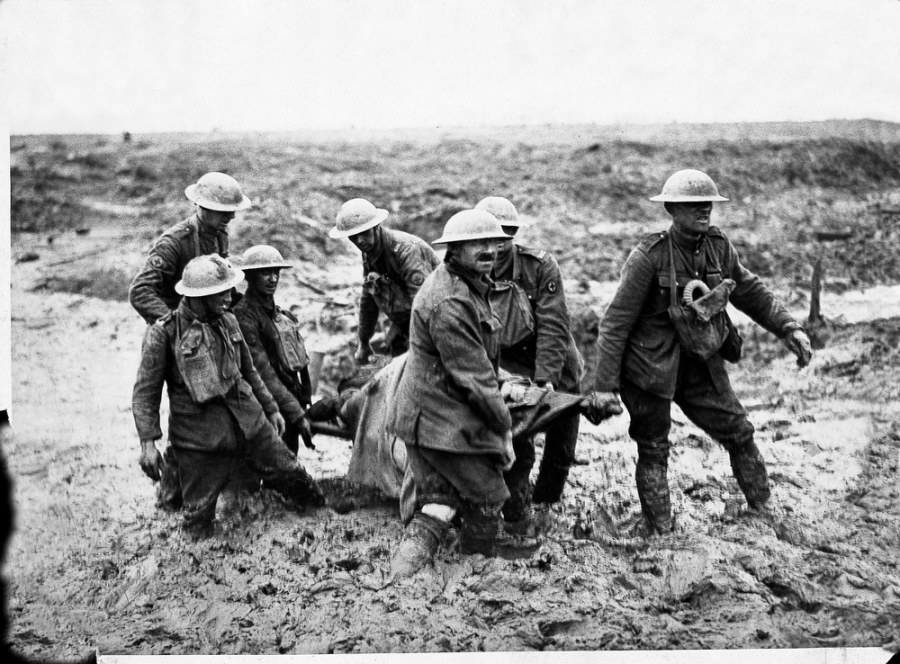
We are soon approaching the 107th anniversary of the signing of the armistice that ended WW1. The ‘war to end all wars’ is remembered for many things, mainly the mud, horror and unfathomable carnage, but it was the first global conflict to be extensively photographed by all sides.
WW1 was also the first major conflict where many of the soldiers were able to take cameras to the front. Kodak had introduced the revolutionary Brownie in 1900, opening up photography to the masses, and another leap forward in camera technology came in 1912 with the release of the Vest Pocket Kodak.
The camera got its name as it could be tucked into a soldier’s ‘vest,’ and the results proved a valuable addition to the ‘official’ images of the war that appeared in the press.
An unforgettable archive
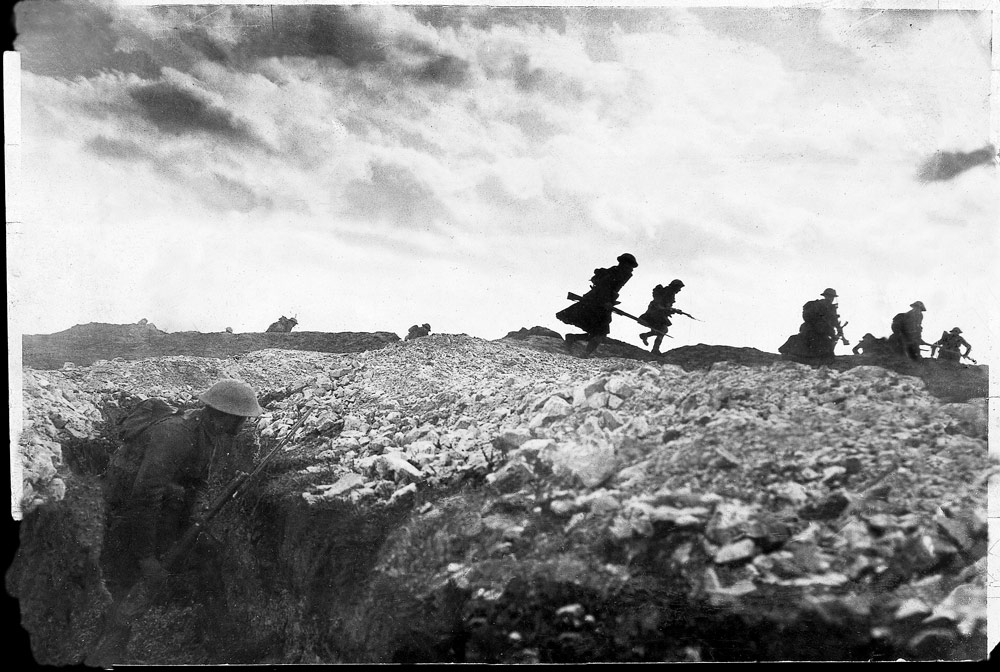
Which brings us on this new book, A Corner of a Foreign Field. It combines 180 black & white photographs from WW1 alongside poems from contemporary poets (a number of whom saw action themselves).
These include such literary celebrities as Wilfred Owen, Siegfried Sassoon, Robert Graves and Rudyard Kipling, alongside less well-known voices and soldiers’ ballads. The images in the book come from the Daily Mail’s extensive archive, which covers 1896-2016.
The images in A Corner of a Foreign Field are certainly powerful, but it’s important to remember the context in which they were taken and originally published. Even though most of the British public were hugely supportive of going to war in 1914, and newspaper barons such as the Daily Mail’s owner Lord Northcliffe were avowedly patriotic, the government of the time still felt it necessary to pass The Defence of the Realm Act.
It came into force four days after hostilities began, and one section stated: ‘no person shall by word of mouth or in writing spread reports likely to cause disaffection or alarm among any of His Majesty’s forces or among the civilian population.’
Pictures from hell
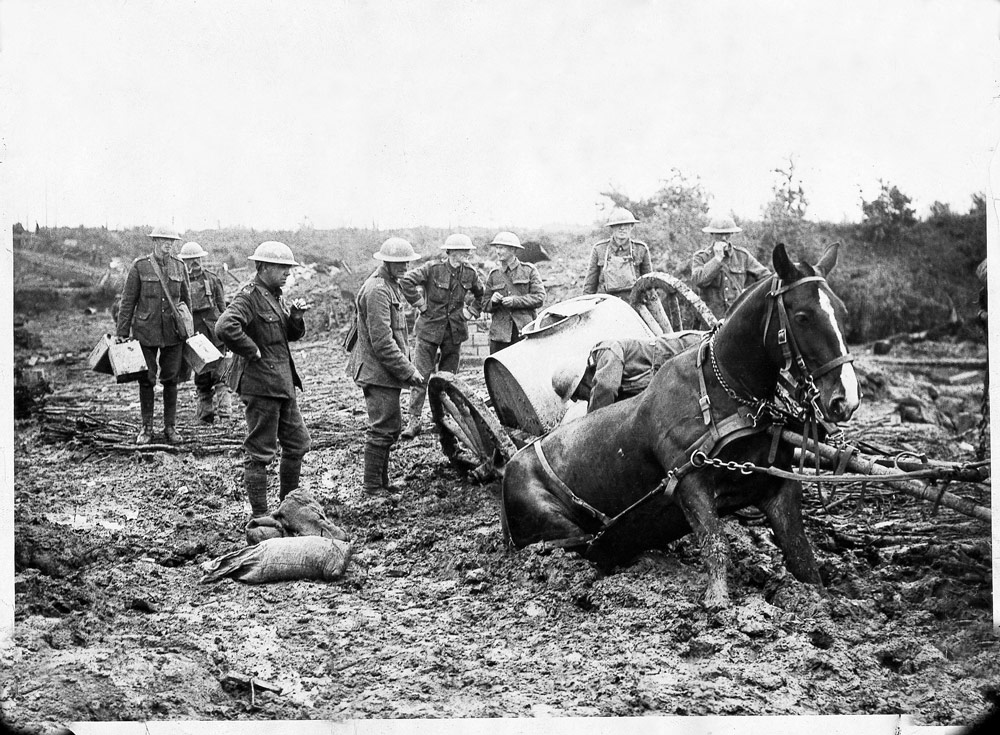
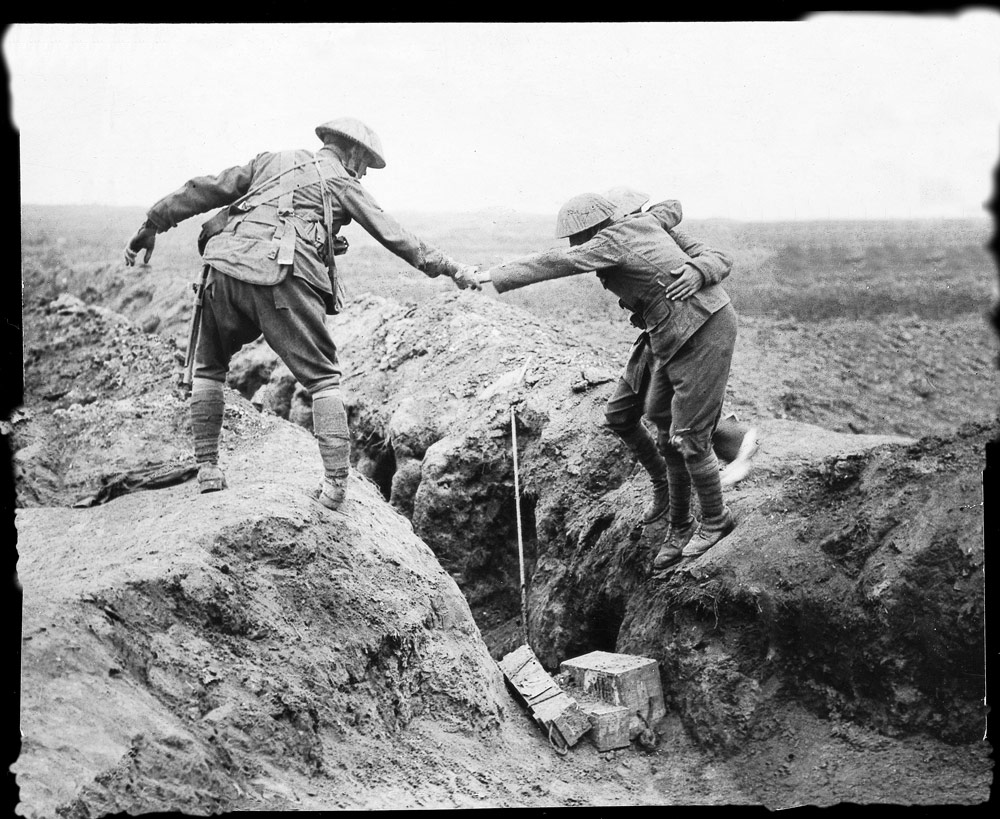
This explains why quite a few images in A Corner of a Foreign Field show front-line Allied soldiers either looking upbeat for the camera, or at least showing a quiet determination as they squat in mud-filled trenches or deal with the daily grind.

This said, the generation of soldiers who fought from 1914-18 were generally a tough and stoic bunch (not entirely surprising, as troops who refused to obey orders or deserted were either harshly disciplined or shot). They didn’t want to let their comrades down, either.
As the book’s curator, Fiona Waters, notes in her introduction: ‘If you look at so many of the photographic images in this book what you see is relentlessly cheerful faces, smiling in the face of the darkest of adversity. You see comradeship of the most truthful kind.’
As for many of the poets featured, they certainly didn’t worry about upsetting censors or morale back home. They told what they saw. ‘I’m back again from hell, With loathsome thoughts to sell,’ wrote Siegfried Sassoon in To the Warmongers. ‘Secrets of death to tell, And horrors from the abyss. Young faces bleared with blood, Sucked down into the mud…’
Painstaking recreation
When it came to restoring images for the book, publisher Atlantic Publishing had a challenging job on its hands. ‘A cardinal rule is not to add anything that wasn’t there in the first place and to make as few changes to content as possible,’ the company explained.
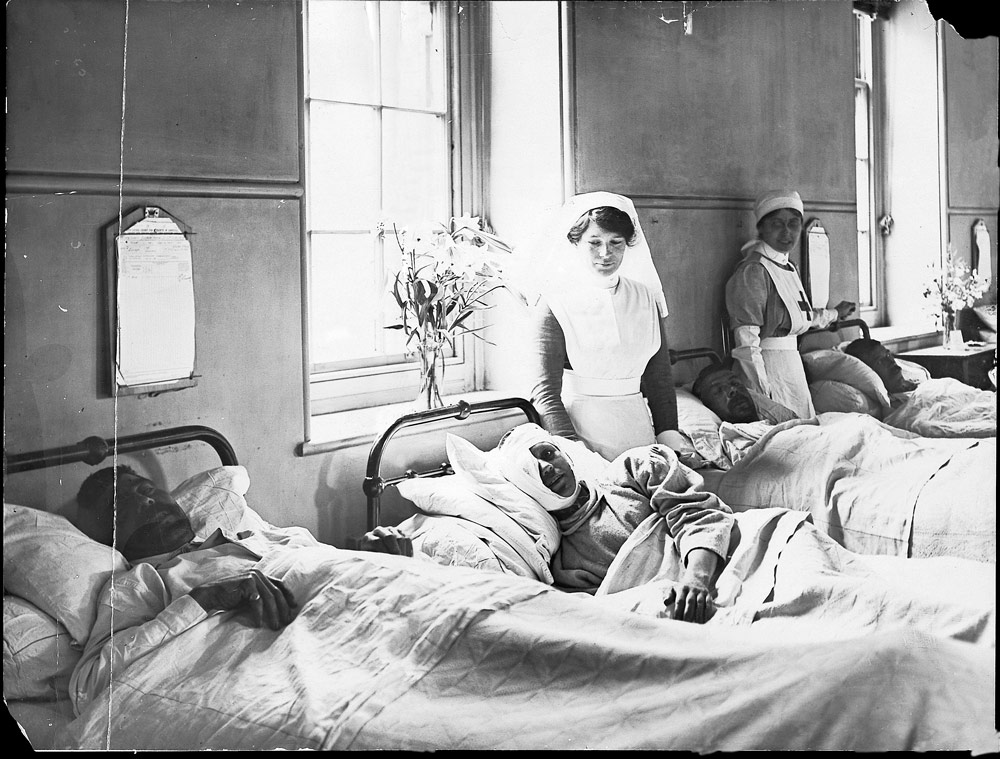
‘The picture desk of print media a century ago handled photo prints robustly adding, vignetting and retouching on one hand and whiting out on the other to give the best effect on crude letterpress printing. Atlantic’s first stage in conservation is restoration – removing the crude pre-press additions that conceal valuable detail…
When the image, usually a paper print photo, is as clean as possible we use the latest scanning technology at 400dpi resolution to get our ‘warts and all’ base image ready for digital restoration. This includes returning faded and sepia images to full black and white.’
Atlantic did a great job and so on this Remembrance Sunday, we congratulate everyone involved in the project.

Further reading
Rare photos – how Indian, African and Caribbean troops fought for Britain in two world wars