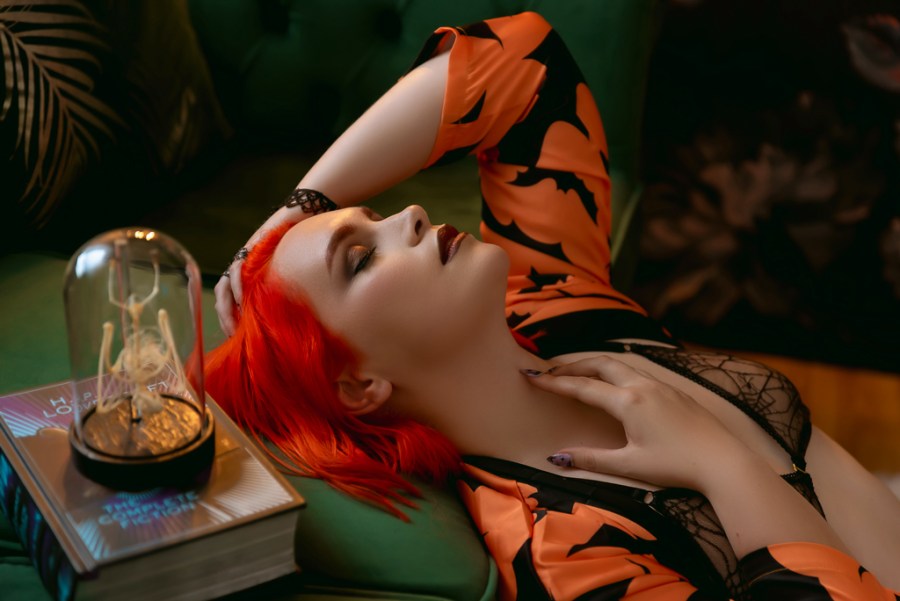
Boudoir photography requires a particular kind of courage to step in front of the camera in your most vulnerable state, and it takes a particular kind of skill to make one feel safe enough to do so. Lize Okoh, the face behind Okoh’s Boudoir, has spent seven years mastering both.
Lize has built a business and a brand that extends well beyond technically correct images. Operating with an all-female team, her boudoir photography has become a channel for empowering women and reframing the purpose of genre.
I sat down with Lize to understand the mindset behind her practice and the technical craft of good boudoir photography.
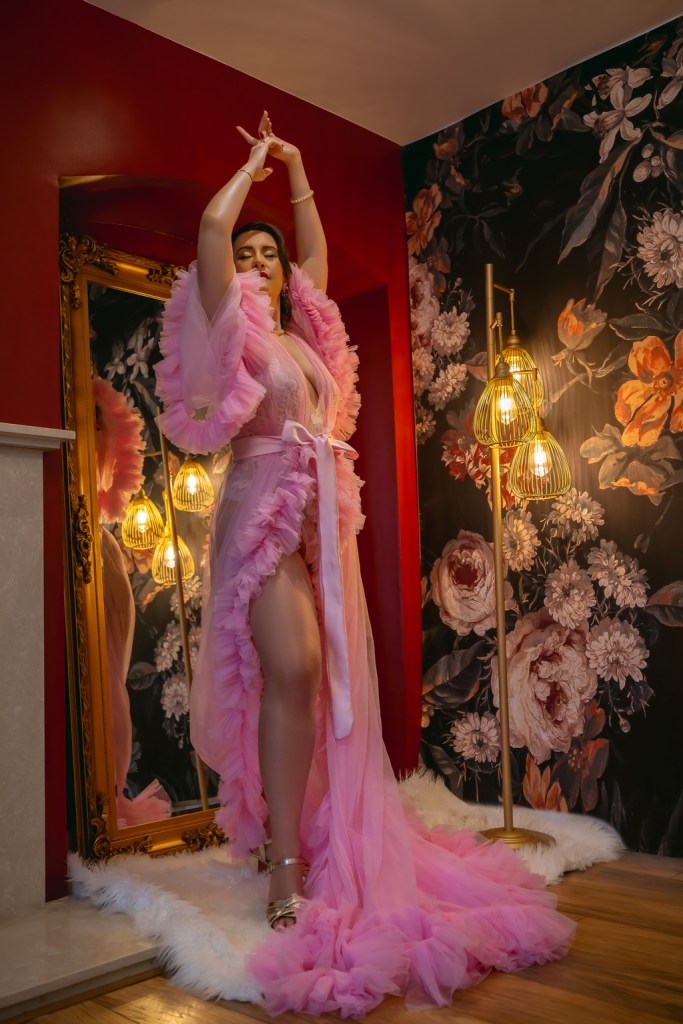
Boudoir photography sits at the intersection of portraiture and fine art. How do you define your style and what compositional choices give your images their character?
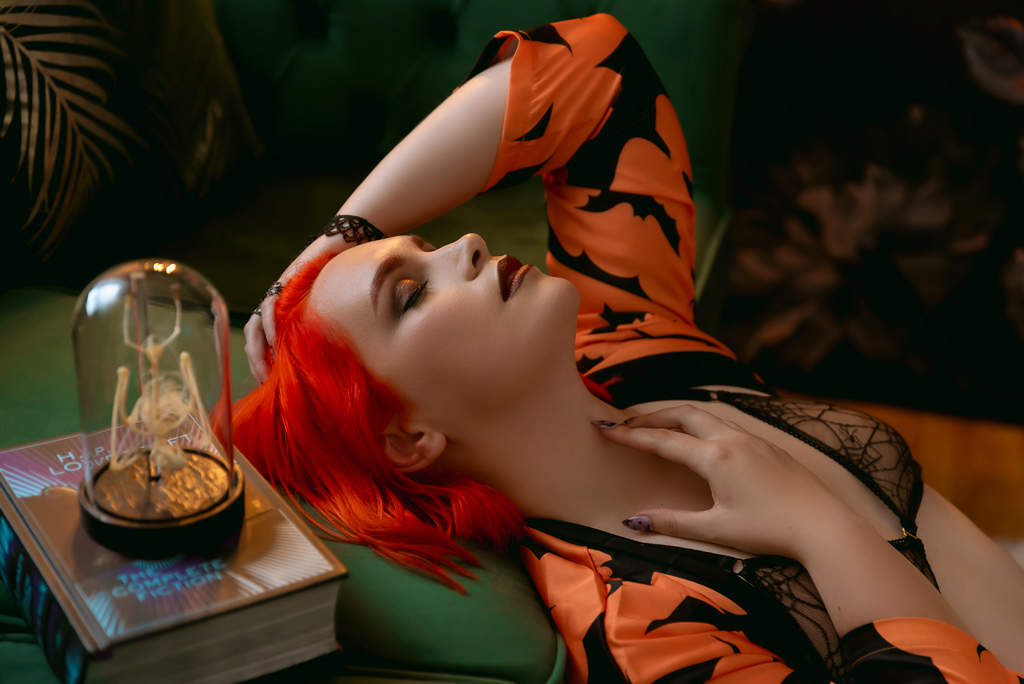
I’ve always found it difficult to pinpoint my visual style in any of my portraiture work, as I often go by how I want the subject or viewer to feel when looking at the photograph. However, thinking about it now, I’d say there’s a cinematic essence to my work.
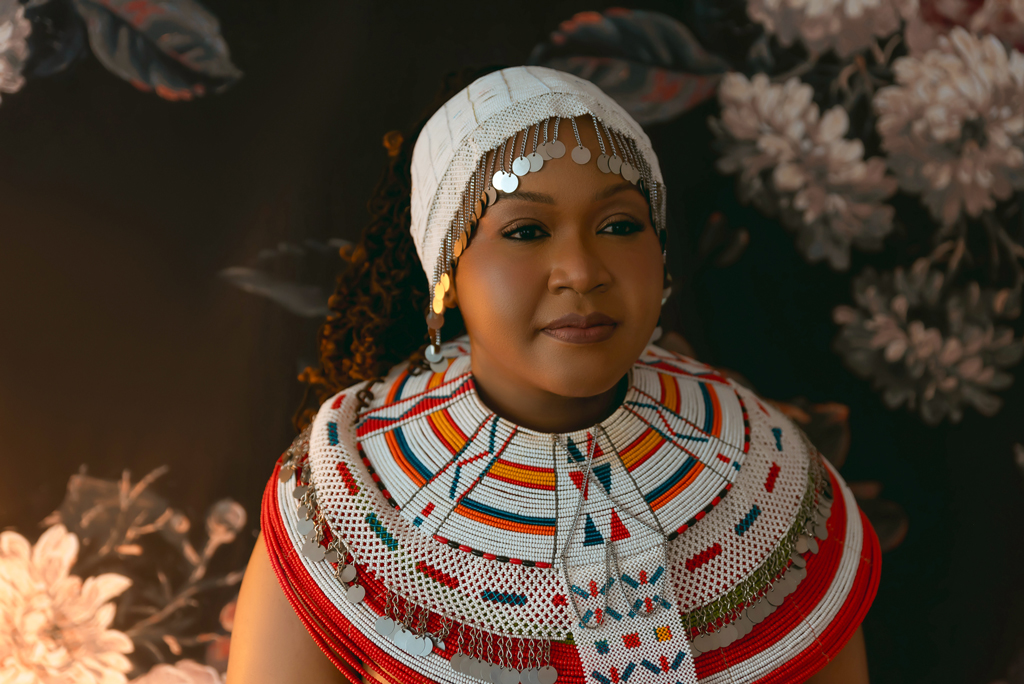
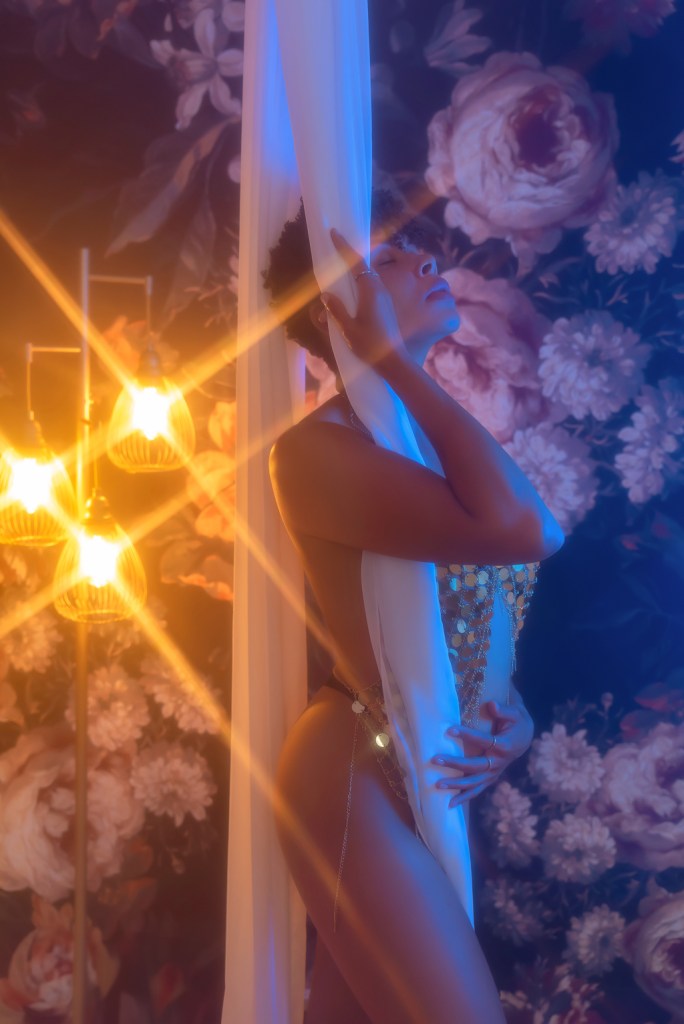
I love to play with colours, both in the setting and while colour grading. I’m also very intentional about how I expose the image during retouching, and I love the images to be warm, but not overly done to the point where it distorts their true skin tone.
Most importantly, I want the image to tell a story, so the emotion and expression on their face are just as important.
What’s in your kit bag and what’s your set up for studio sessions?
I’ve always used a Nikon camera. I recently bought the Z8 mirrorless camera and the 24–70mm lens. Previously, I used a Nikon D750 DSLR and a Tamron 24–70mm lens.
For boudoir photography, I always shoot with natural light. But on overly cloudy days, I use my Nikon flash.
For other portrait work in a traditional studio setting, I use the Elinchrom speed lights available.

You work with an all-female team – was that a deliberate decision and how does it affect the experience of the client?
It was very intentional to ensure my clients, who are mainly female, are comfortable with being photographed. Having a boudoir photoshoot puts most people in a vulnerable place where they have to put down some barriers and confront their perception of themselves and their bodies.
So, walking into a space knowing that it’s a fellow woman providing you with this experience helps to calm their nerves.
Also, for some conservative or religious women, having a man in the studio would be out of the question. Importantly, it also serves as a duty of care to ensure it’s a comfortable and safe space.
That being said, there are, of course, some men who photograph boudoir. But having a woman present as well is usually best for everyone involved, the male photographer and the female client.

Your portfolio shows that you’ve photographed diverse clients, including a blind woman. How do you adapt your posing direction to be accommodating for all?
Interestingly, I don’t change my poses themselves, even with a diverse client base. My posing direction is created to build confidence and exude sensuality. I’ve just gotten better at reading people and understanding what areas most women feel uncomfortable about, and I ensure I photograph them from flattering angles.
But sometimes, it’s about challenging them to look at what they deem as a flaw, find grace for themselves, and appreciate the body that carries them through life.
When it comes to how I communicate, that is when it can differ slightly. For some people, I have to repeat myself several times as they aren’t so great at taking direction, or they are so used to being in control that they don’t relax and trust what you’re saying.
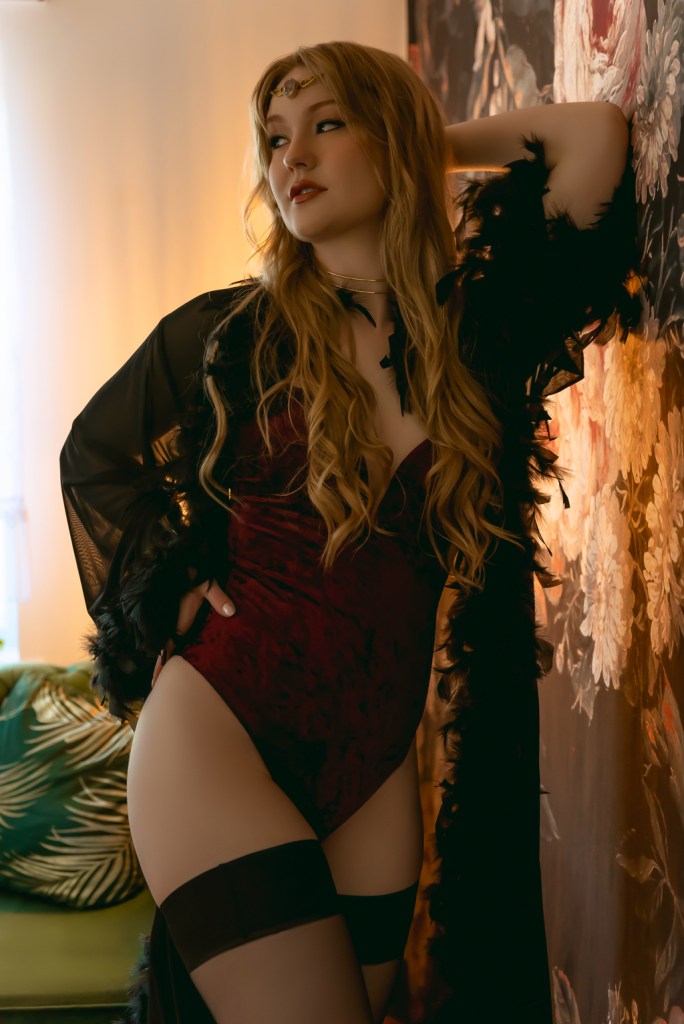
So, they hesitate when you give an instruction or feel doubtful about it. Reassuring them becomes part of my role, and I do this easily by showing them the back of the camera as we go along.
The moment they see that first image and realise they look fantastic, their posture immediately changes, and they follow my directions more confidently.
But in the example of the blind woman, for that session, I had to be very descriptive, as she couldn’t see me demonstrate the poses. I had to use adjectives to describe the feelings I wanted captured. At some point, I asked her to raise her hand and point her toes like a graceful ballerina.
When it came time to choose her images, I described each one again, using some of the scenarios I had used to describe the poses. It was definitely one of the longest viewing appointments I’ve had, but it was so worth it.
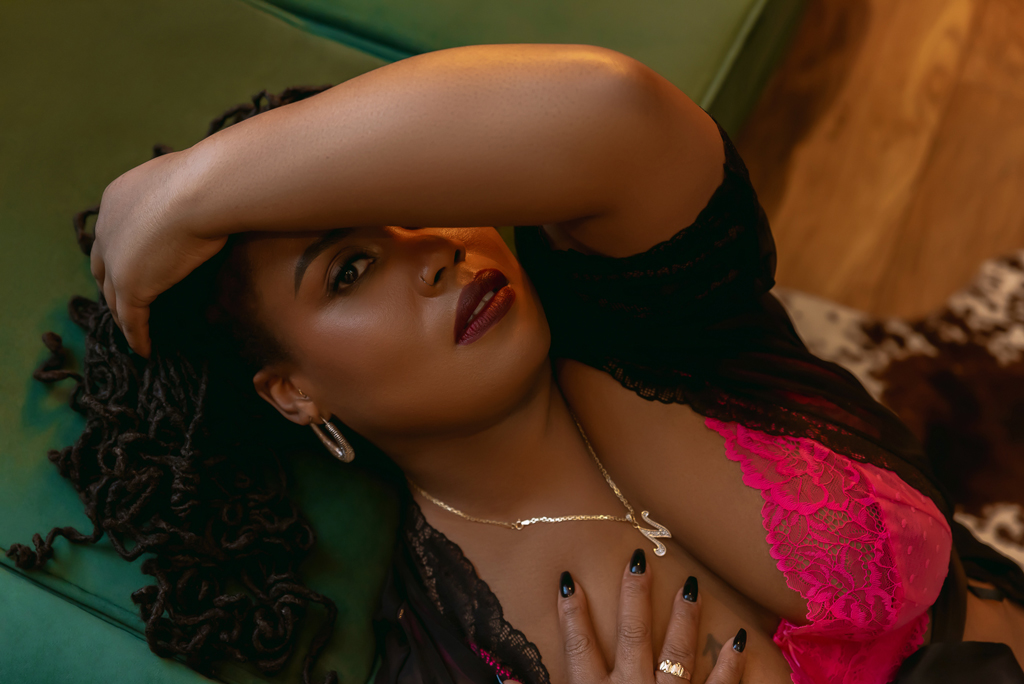
Boudoir photography has always been perceived as performative and associated with a male gaze. How do you navigate the line between objectifying and empowering?
I believe viewing boudoir images out of the context of the meaning it holds for the person in them can make them seem male-gaze-driven. Because of the world we live in, where women’s bodies are oversexualised, put a woman in anything that shows off her figure, and it’s assumed to be for a man. It’s as if we cannot find pleasure within ourselves for ourselves alone.
How about the idea that a woman wants to see herself as sexy, powerful, and in control of her body? Not to perform for anyone, but because it feels good to know she can look just as good as any “most beautiful woman” in a magazine or billboard.
When you look good, you feel good. And when you feel good about yourself, your sense of self-worth increases, and you make better choices for yourself and those around you. For me, that’s the reason for doing this.
At my studio, the images always belong to my client (I don’t mean the copyright, by the way). They can choose to keep them private, or they can permit me to share them by signing a photo release.
And how do you help your clients relax and open up in front of the camera?
Before the shoot starts, it begins with me and my reasons for doing boudoir photography. I genuinely want to see more women feel comfortable in their bodies — accepting them for what they are and growing in confidence. This filters into everything else I do.
I actively listen during consultations to build an experience based on their interests and reassure them that they’re in safe hands. I’ve also created a helpful preparation guide and send check-in emails that answer questions and remind them they’re not doing it alone.
During the shoot, it’s all about providing a clean, comfortable studio and ensuring the energy in the room is right and free of judgment. I’m keenly aware that they’re still very nervous at that point, even though they’ve made it to the studio.
I play their favourite songs as hair and makeup are being done, and we chat about things I know they care about. Once we begin the photoshoot, I guide them through the poses. When I show them those first few shots, they immediately relax — and from there, it becomes fun.
What advice would you give a photographer who is interested in boudoir photography?
I’d say, examine your intentions. Why do you want to do boudoir photography? Certain genres gain popularity over time, but it isn’t always for everyone. It’s fine to experiment or dabble to figure out what you like but always honour your calling.
For me, it’s about purpose and what you want your work to say about your legacy. So be intentional about what you choose to specialise in.
Once you’re doing boudoir from a genuine place of care, I believe you’ll naturally work towards creating a safe space. If you want to work with mostly women, take the time to understand the issues that affect women and how stereotypes and patriarchy impact us. Then, ensure you create a safe space in your studio that helps counter those things.
If you would like to see more work from Okoh’s Boudoir, do check out her website here.
Related Reading
- 9 boudoir photographers you should follow on Instagram right now [NSFW]
- Boudoir photography – the complete guide
- Essential Guide to Lighting and Studio Setup for Boudoir Photography
Follow AP on Facebook, Instagram, YouTube and TikTok.