The design of the earliest cameras very much reflected the processes they used. Here’s how it all began, as we explain the process behind the first photographs ever made.
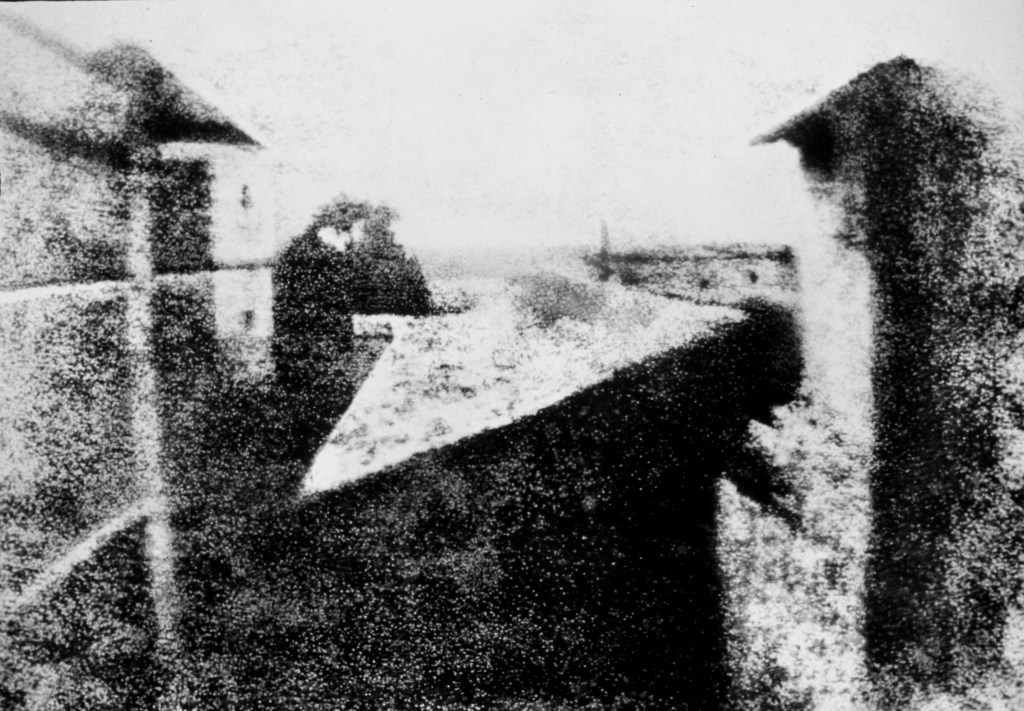
Niépce’s heliography process – 1822 onwards
- A pewter plate was coated with Bitumen of Judea and placed in the camera.
- An eight-hour exposure (some say longer) was made.
- After exposure, sunlight had hardened the bitumen and turned it white.
- The soft portions where less or no light had struck, were washed away with lavender oil.
- The base metal was darkened by treatment with iodine vapour.
- Thus the highlights appeared white and the shadows were rendered black, producing a direct positive image.
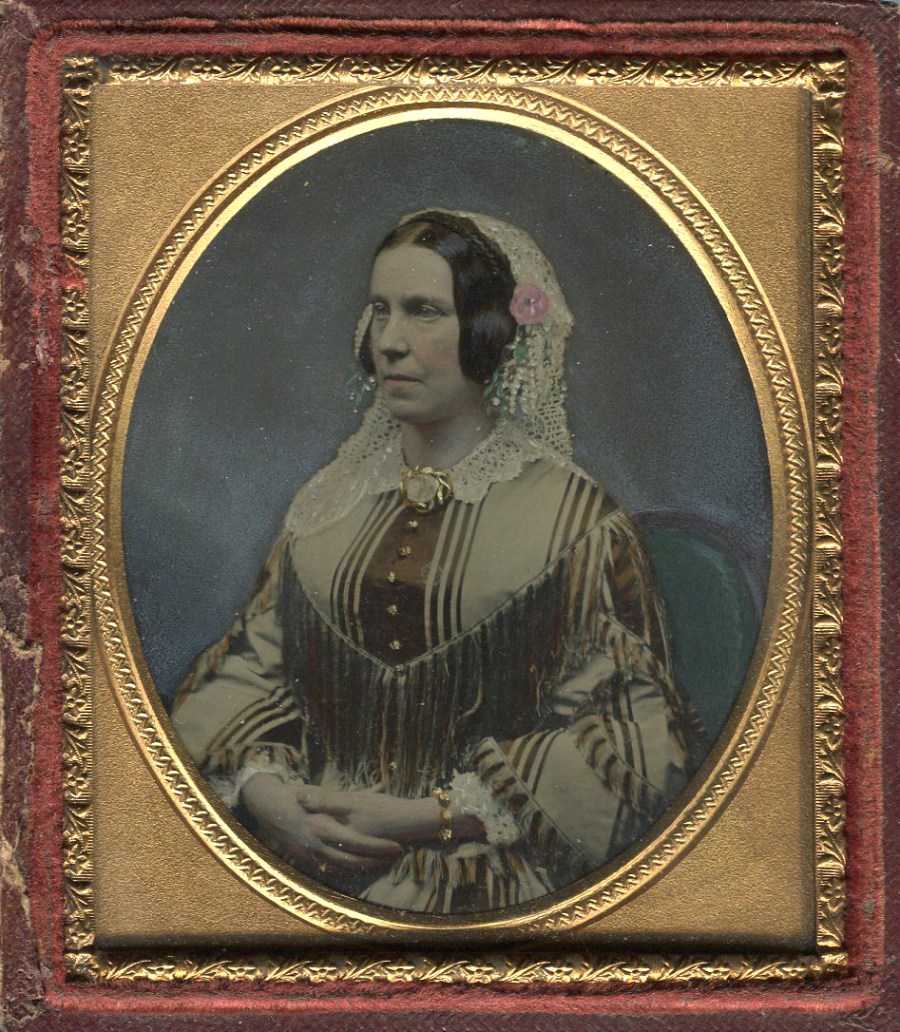
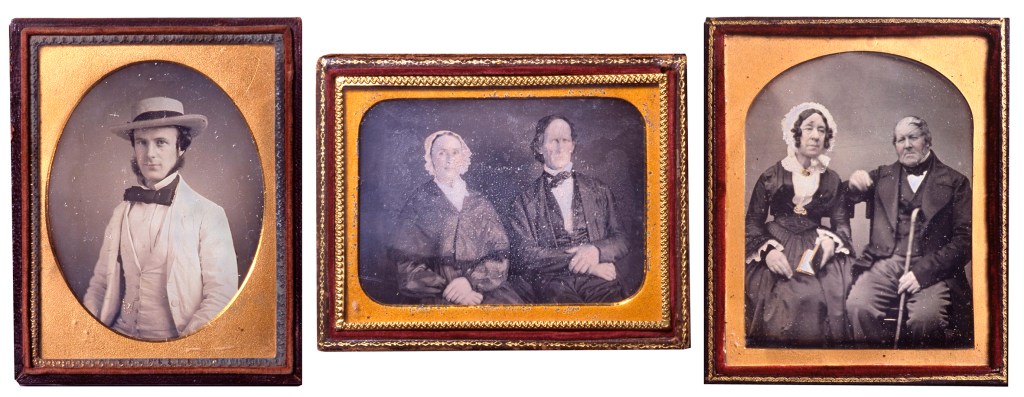
The daguerreotype process – 1840s onwards
- A copper plate was coated with silver.
- By the light of a candle, in an air-tight box, the plate was exposed to iodine crystals. The fumes combined with the silver on the plate to form a thin, light-sensitive layer of silver iodide.
• Exposure to bromine fumes then made it more sensitive. - The plate was placed in the camera and the exposure made by removing and replacing a cap over the lens. Exposure ranged from a few seconds to several minutes.
- After exposure, mercury was heated in a dish over a lamp in an air-tight box.
- The exposed plate was slotted face down into the box, allowing the mercury fumes to rise from the heated mercury and react with the silver iodide to form a white amalgam where light had struck the surface.
- After sufficient development, the plate was washed with a salt solution to remove the unaffected silver iodide.
- Thus a direct positive image was produced, the highlights represented by the white amalgam, while the unaffected polished silver that lay beneath the silver iodide layer remained to represent the shadows.
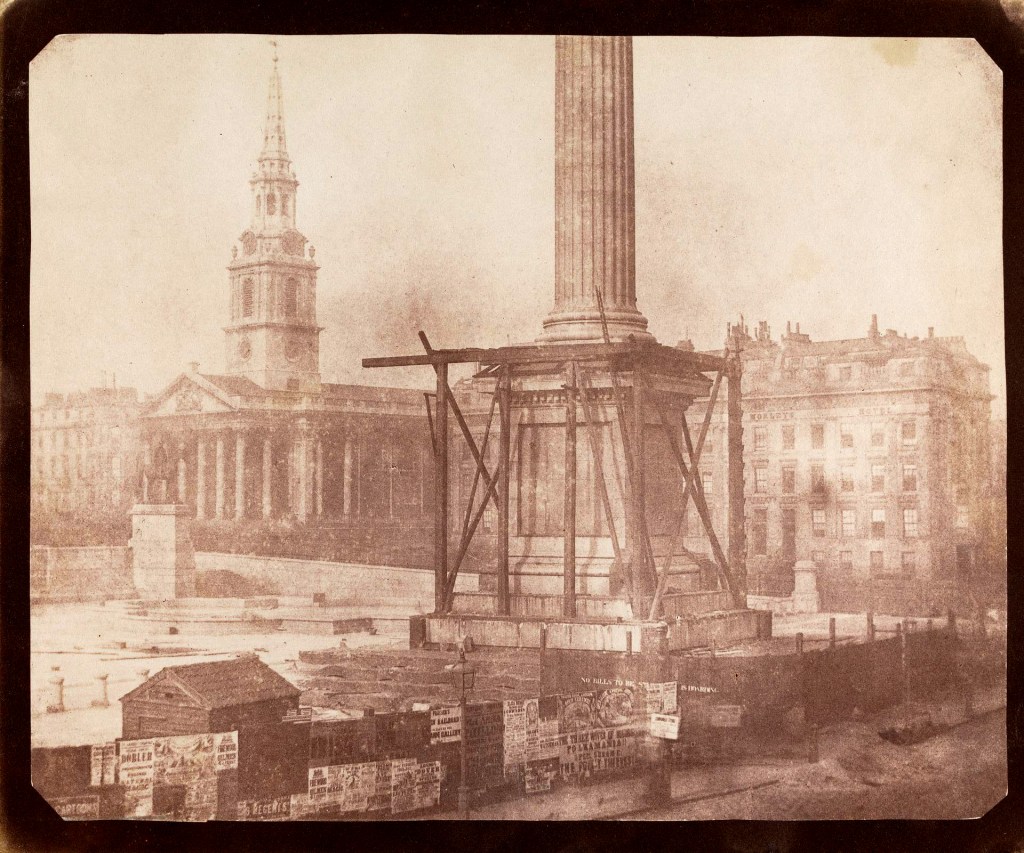
The Calotype process – 1840s onwards
- A sheet of paper was coated with silver nitrate and potassium iodide to make light-sensitive silver iodide.
- Before exposure it was brushed with silver nitrate and gallic acid to increase its sensitivity.
- The exposure was made.
- After exposure, the paper was again treated with silver nitrate and gallic acid which produced a negative image.
- The image was fixed with sodium thiosulphate.
- A positive image was produced by contact printing.
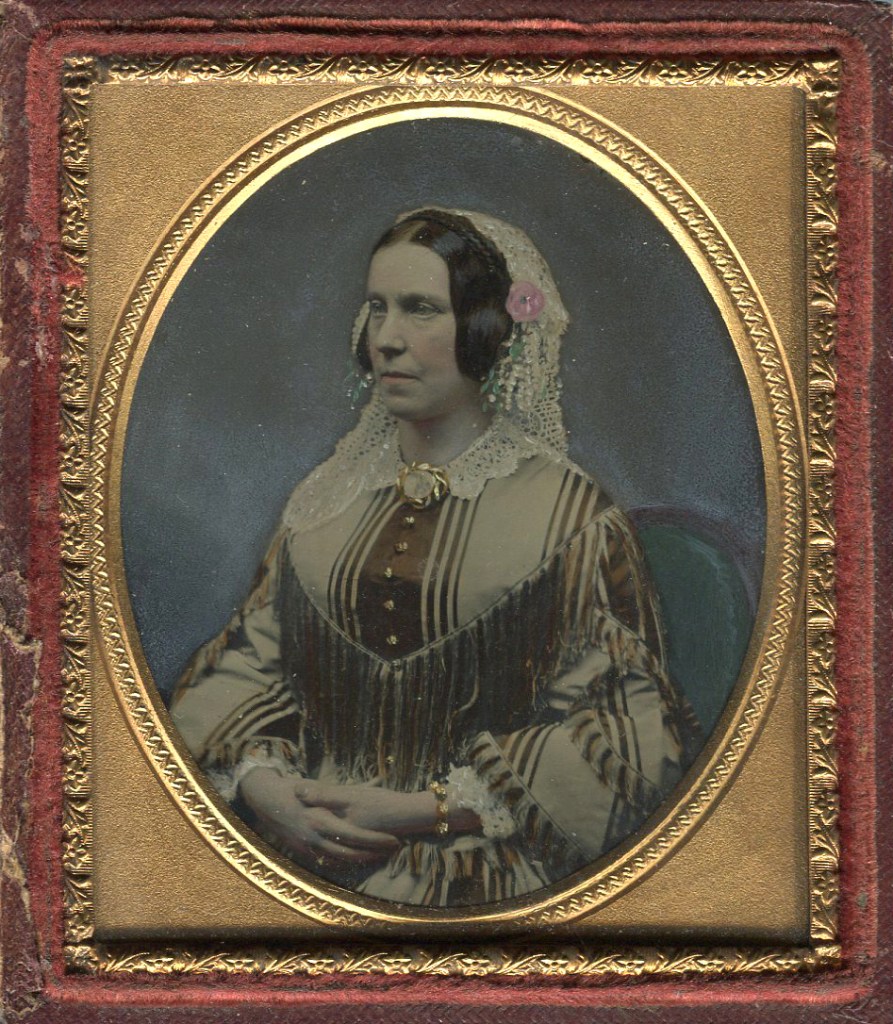
The wet plate process – 1851 onwards
- A glass pate was coated with collodion, a solution of cellulose nitrate in alcohol and ether.
- While still wet, the plate was sensitised with silver nitrate.
- The plate was placed in the camera still wet and exposed.
- Immediately after exposure the plate was removed and a developing solution, often containing iron sulphate, was poured over it and the image fixed with sodium thiosulphate or potassium cyanide.
- The plate was washed, allowed to dry and coated with varnish.
Related reading
Follow AP on Facebook, Instagram, YouTube and TikTok.