Fifty years ago, workshops in Britain were where carpenters made cupboards and where watches were repaired, but in 1976 Paul Hill and his late wife Angela used the word to describe The Photographers Place. Martin Parr thought it was 10 years ahead of its time. Here, Paul recalls its genesis and remembers those legends of photography who came to Derbyshire and influenced a generation of photographers.
During the early 1970s I balanced my freelance work for publications like The Guardian, The Sunday Observer and Financial Times with occasional part-time teaching when I was offered a full-time position at Trent Polytechnic, Nottingham in 1974.
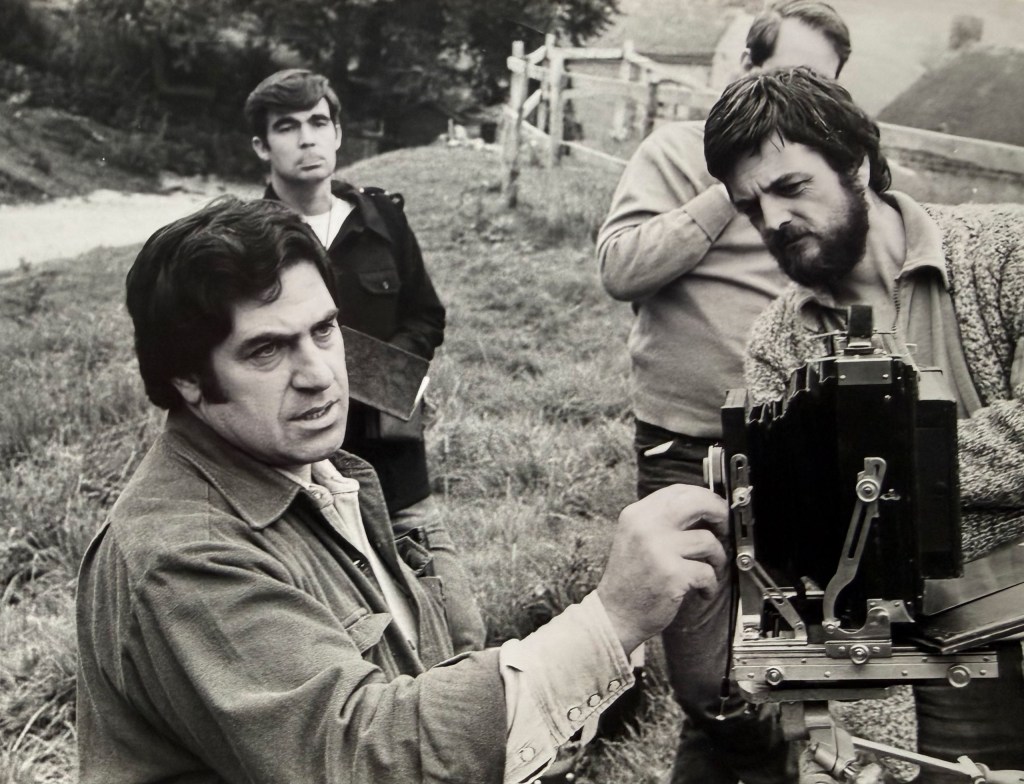
The previous year I had organised a Society for Photographic Education summer school for photography lecturers at the poly that we called a workshop which, believe it or not, was not a word used in photographic education in the UK then. We pinched the idea from the USA where workshops emerged as a response to the burgeoning interest in contemporary photography as a medium of self-expression over there.
I was a member at the time of Co-Optic who had as members the late Chris Steele Perkins, Larry Herman and Brian Giffin, Ron McCormick, Homer Sykes. Val Wilmer, Gerry Badger, Mark Edwards and Paddy Summerfield. Co-Optic organised one exhibition and three seminars and talked about organising American-like workshops but didn’t.
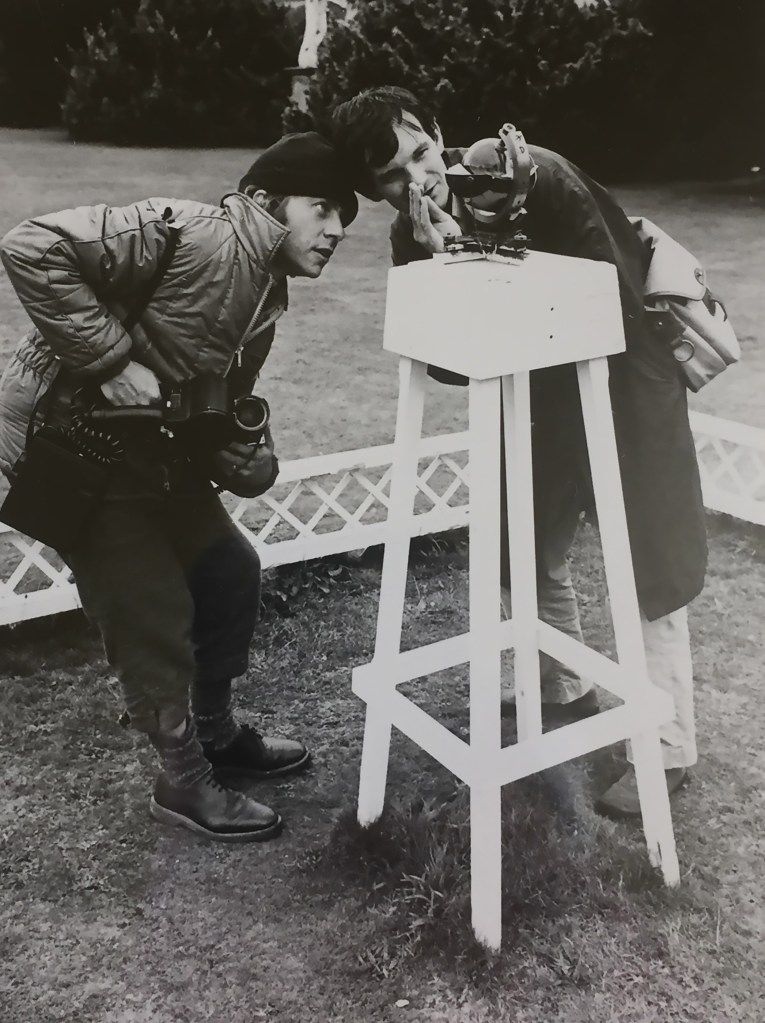
I was particularly interested in the workshop idea, and even booked on one in New York State, but for family reasons couldn’t go.
My new job in Nottingham meant a move from Wolverhampton where we had based our photography business. We had sold our house there very quickly, so we urgently had to find a new family home.
As we turned a corner on a single-track lane near Ashbourne in the Derbyshire Peak District there was the property we had arranged to view. But it was not what we were expecting from the estate agent’s description. There were two buildings and one was a wreck!
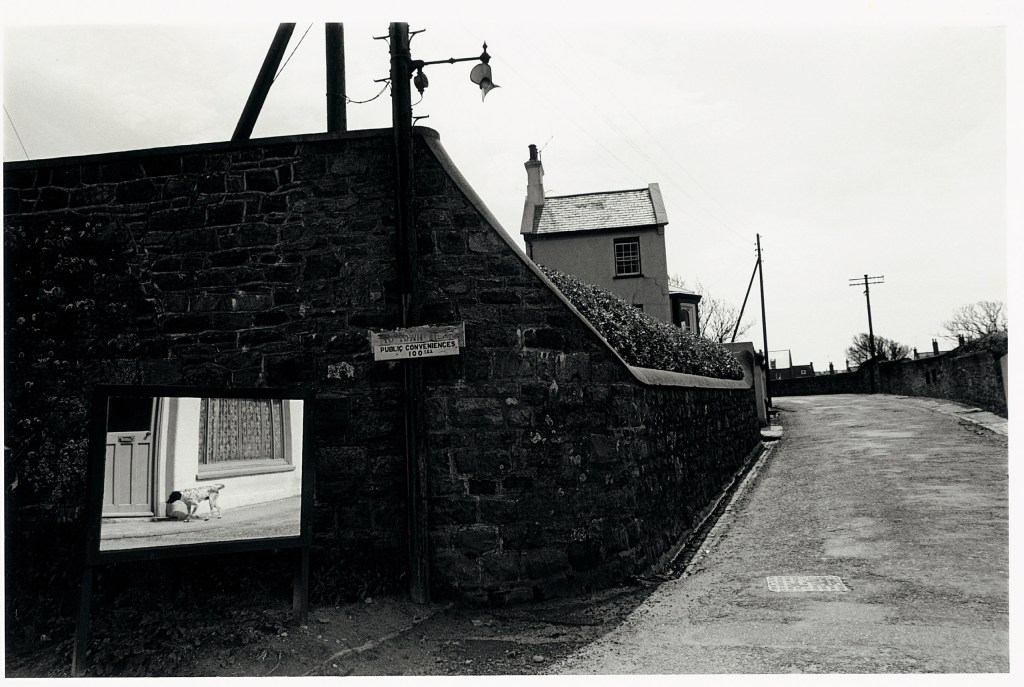
But it was Damascene moment. Maybe ‘the wreck’ could be turned into a place for workshops? If my new full-time job didn’t work out, perhaps I could turn it into an ‘alternative’ teaching space, studio and darkroom. In addition to my new job, I spent the next 2 years making ‘the wreck’ habitable with my brother, Mike.
So, in April 1976 we bought some ex-military bunk beds and chairs, big pots and pans for the kitchen and deep tanks for film processing to establish Britain’s first residential photography workshop.
We wanted it to be informal, relaxed but concentrated. We sought to emphasise sharing and positivity, as well as candour and commitment from all concerned – teachers and ‘students’. I ran the workshop programme whilst Angela did the meals and correspondence. Although she was an accomplished photographer in her own right, she realised that as she was a mum to our two kids and ran the village school taxi, she couldn’t get involved in the teaching – and she did not want anyone else in our kitchen!
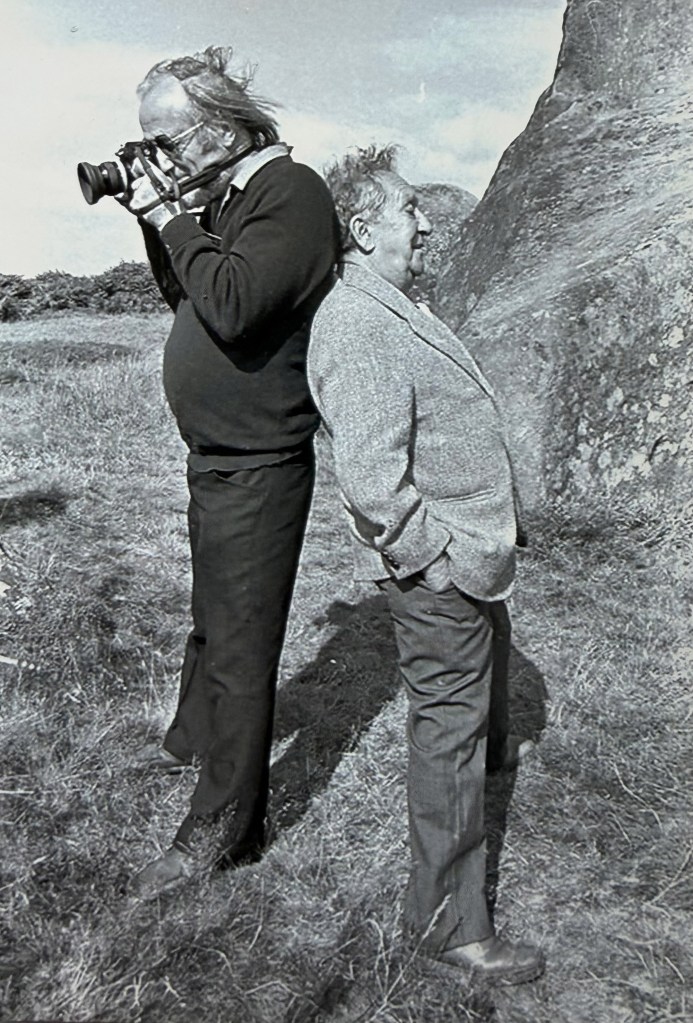
I heard that American Ralph Gibson was coming to the UK for a few weeks and my teaching colleague at Trent Poly, Nottingham, Thomas Joshua Cooper, also from the US, was free, so I approached them to lead the first one as they both had workshop experience on the other side of the pond.
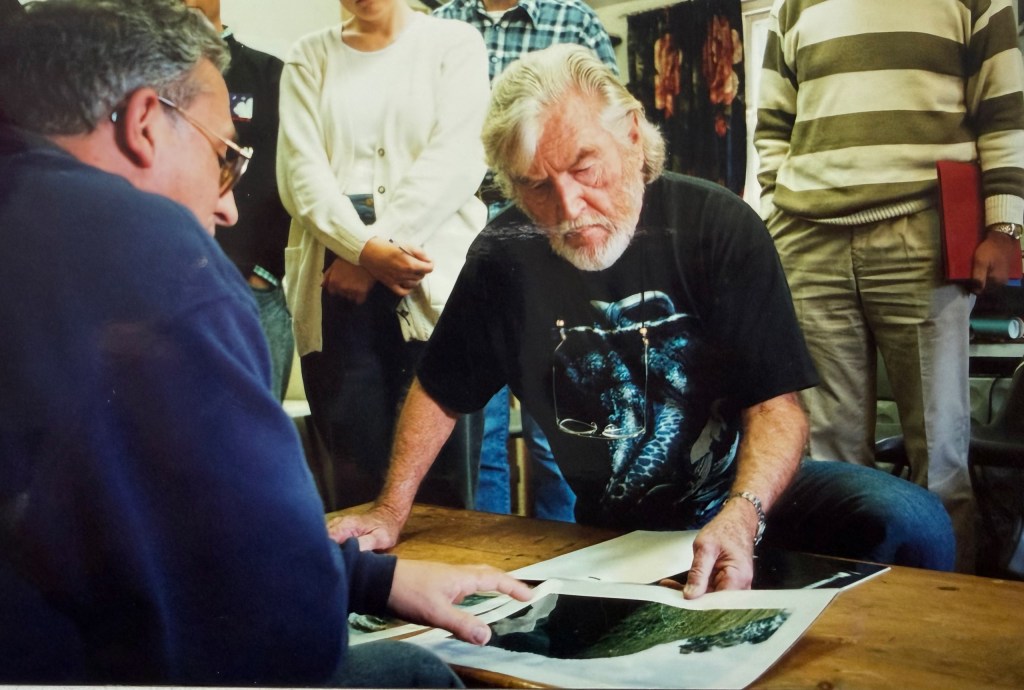
The first participants who arrived that Easter weekend were an eclectic mixture of professional and hobbyist photographers, lecturers, students, and curators eager to eat, slept and talk photography for 3 days. I would be the ring master and serve the meals and process their films for those who wanted quick feedback. Above all, participants over the years came to see what made their heroes and heroines tick.
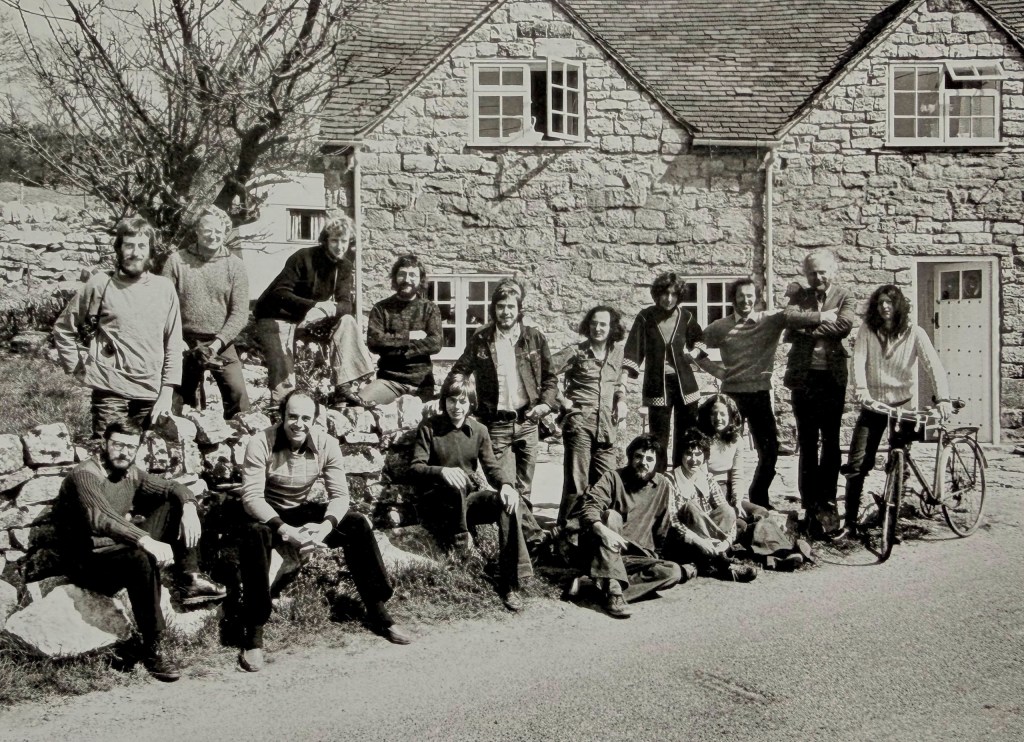
I was course leader of the Creative Photography course at Trent Poly at the time and soon realised I couldn’t do both, so I left higher education in 1978. I was now able to build up The Place and extend the workshop movement and my teaching methods beyond Derbyshire.
Photographers like Fay Godwin, Paul Graham, Gina Glover, Mike Ware, Roger Taylor, Sheila Rock, Pat Booth and other future ‘stars’ came as ‘students’ to learn from leaders like Charles Harbutt, Lewis Baltz, Paul Caponigro, Cole Weston, John Blakemore, Raymond Moore, David Mellor, Val Williams, Mari Mahr, Bill Jay, Aaron Siskind, Jo Spence, Hamish Fulton et al. But it was never a ‘them and us’ situation. Over the years I had some great young helpers who were destined to have impressive careers too, like Tom Sandberg, Andy Earl, Deborah Baker, Greg Lucas and Mike Harper.
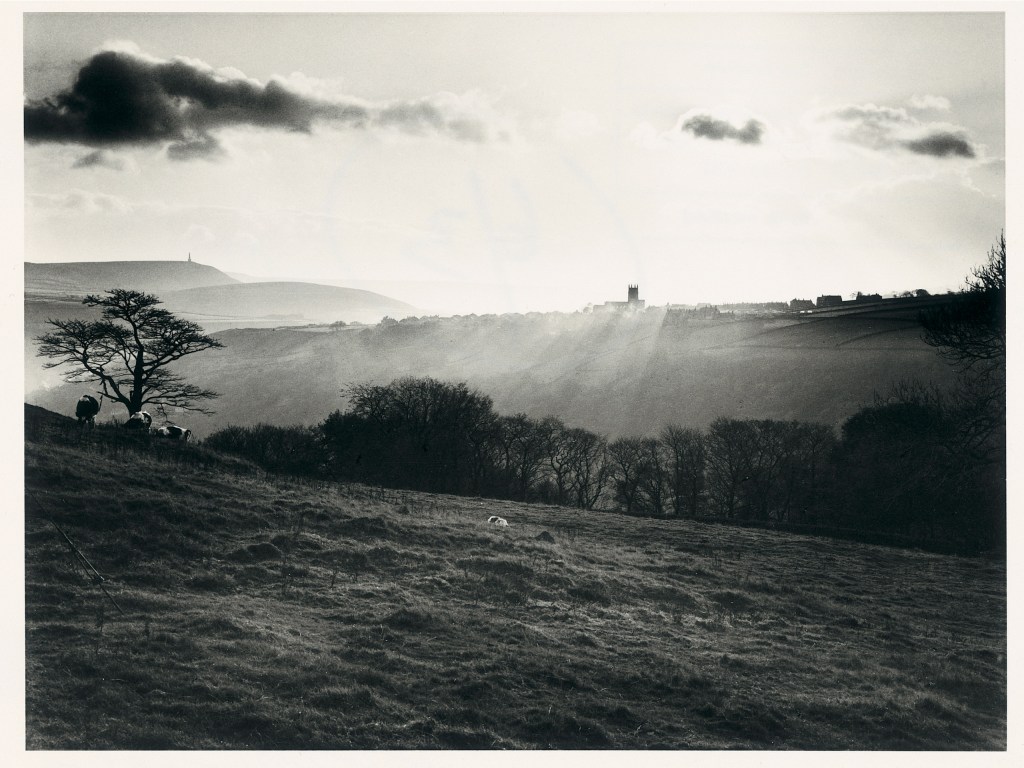
The ‘master classes’ were the most successful although we did run some Beginners sessions. As The Place got better known we were approached by photographic groups and courses from around the country, so we customised our teaching to suit their needs.
Groups such London Independent Photography, and those associated with Ffotogallery, Cardiff, Cambridge Darkroom, Untitled Gallery, Sheffield, Brewery Art Centre, Kendal, Picture House, Leicester and photo students from University of the Arts, St Martins and Sir John Cass Schools of Art, London, Sheffield, Manchester and Humberside Polytechnics, just to mention a few. We even organised a workshop for Mensa!
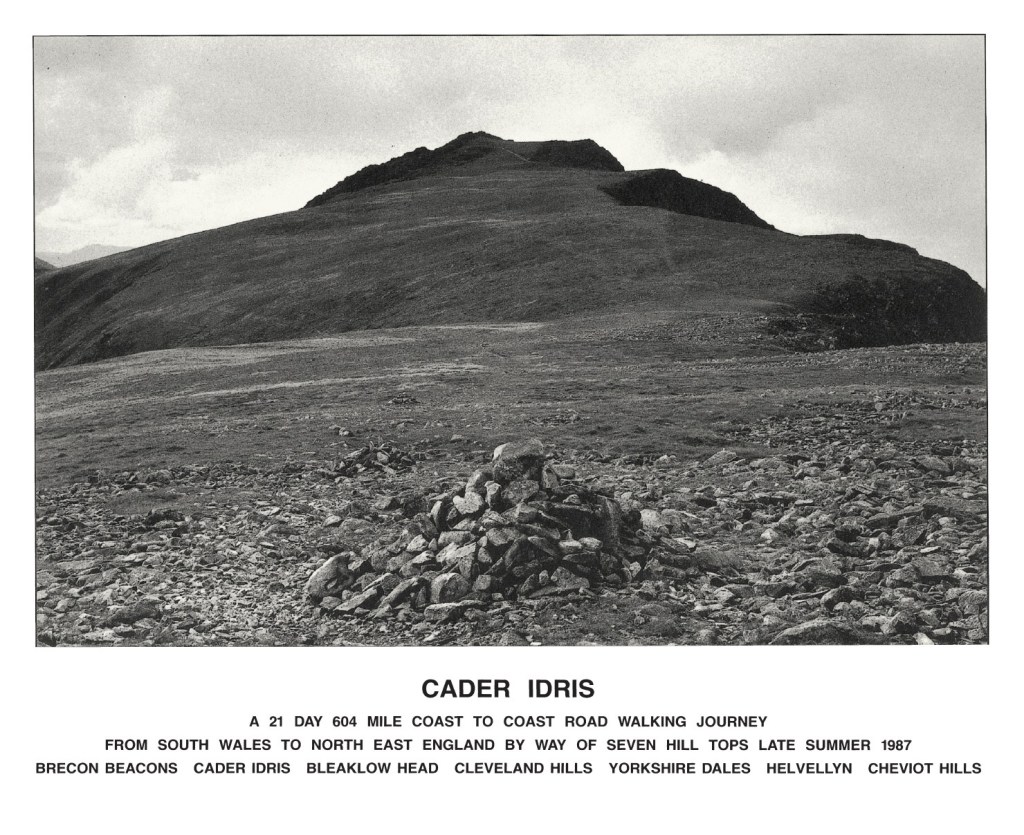
We took our workshop philosophy and methodologies to the Arles Festival in France in 1982, and photography centres and universities in Oslo, Stockholm, Gothenburg, Uppsala, Coimbra, Dublin and to the amazing Venezia ’79 – la fotografia where I taught alongside Lee Friedlander, Ernst Haas, Duane Michals, Arnold Newman, David Hurn, Helmut Gernsheim, Lucas Samaras, Marc Riboud, Lisette Model amongst others.
Contemporary photography was a minority pursuit then and couldn’t be easily defined as most of the practitioners were professional photographers who were doing personal projects ‘on the side’.
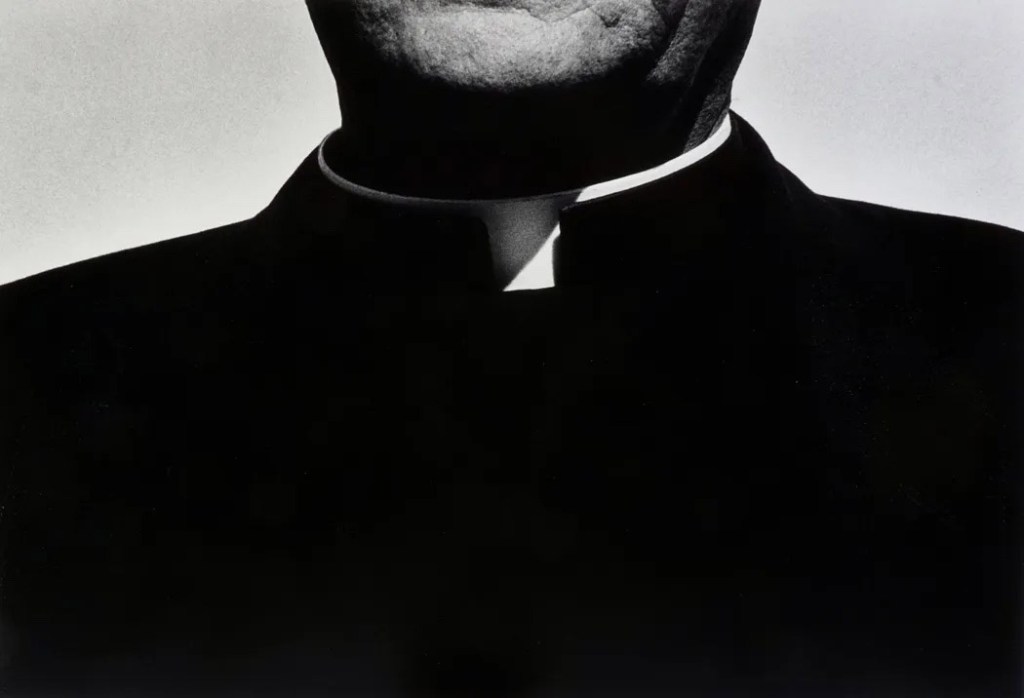
Until The Photographers Gallery started in London in 1971 photographs on gallery walls were a rarity and we stressed over whether we should put matts over the prints, use metal or wood frames, or mount them in Perspex boxes that turned out in my case to be world beating dust magnets! I exhibited at TPG in its first year and put my prints under sheets of glass attached to a wall painted black.
In the 1970s we coined the term independent photography to give personal work an identity, despite being as ambiguous as contemporary. But that moved our diverse practices away from traditional applications where photographs were used to illustrate text or sell stuff. In other words, photography that was ‘about things’ and not ‘of things’. Some wanted their images to transcend the information in front of the camera whilst others also wanted to be subjective but were keen to affect societal or political change. Aesthetes and activists.
It was also a time coloured by the activities and philosophies of the counterculture. I remember that about half the participants on our initial workshops practiced Transcendental Meditation. What the villagers and the sheep thought of meditators sitting cross legged and eyes shut in the fields around us I shudder to think.
During that period the Peak District National Park (the country’s first national park) and the county council were keen to push tourism, so we benefitted from being part of the marketing strategy that promoted, in our case, activity holidays. By accident we probably became another Peak National Park ‘attraction’.
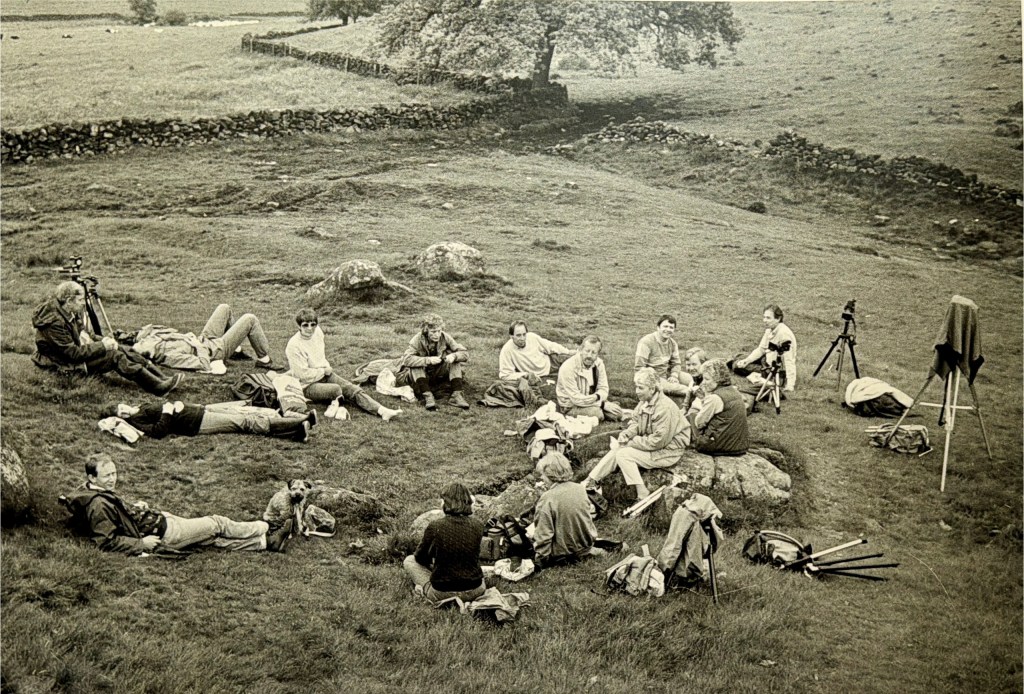
Local farming families diversified by doing B&B and offering wonderful afternoon creams teas, so I would always ring up them up before going on the field trips – an integral and popular part of our informal teaching ‘formula’ – and book a couple of tables.
We were eager that those who joined our workshops would have a holistic and shared experience that went beyond photography, and I don’t just mean cream teas! Discussions ranged far and wide from philosophy to football, and many long-lasting friendships were made, and some even turned into marriages.
Timetables were reactive rather than prescriptive with leaders showing their work and critiquing participant as well as coming with some challenging exercises. For instance, Martin Parr and Brian Griffin asked participants to put tape over their viewfinders – point and shoot – whilst John Blakemore had people sit down with eyes shut in the landscape for ten minutes before taking a picture. I blacked out our study room so John, Paul Caponigro and Fay Godwin could demonstrate their printing methods. When you see photographers, you admire working in the field, or in the darkroom, you learn so much. When Fay saw Caponigro make a print it affirmed that she was ‘doing the right thing’.
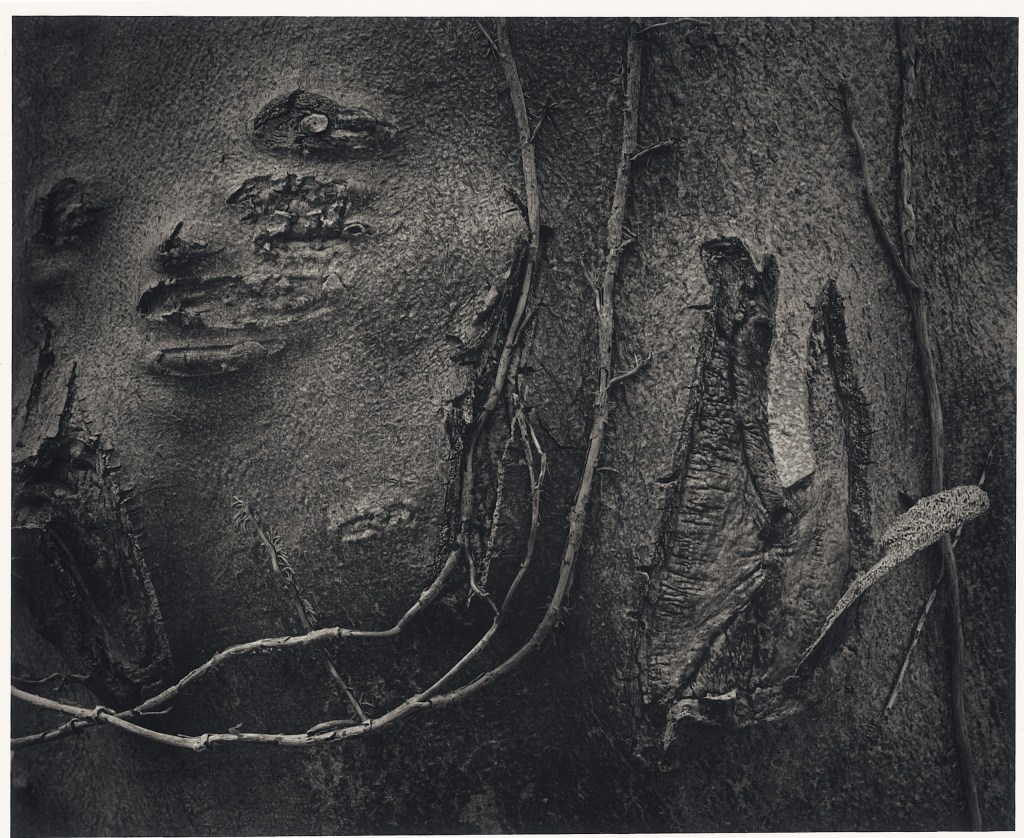
Paul Graham, recipient of the Deutsche Börse Photography Prize, a Hasselblad Award and Guggenheim Fellowship, credits a workshop with us in 1978 as being his sole bit of photographic education and where he discovered colour photography.
After a time, other similar ventures to ours started in the UK and Europe that had more luxurious accommodation and even wine with dinner!
I considered our hostel-like more hair shirt approach may be too basic, but one regular client – a successful businessman – advised us that to go ‘upmarket’ would be costly and exclude less well-off photographers. Most participants ‘mucked in’ and tolerated the shared accommodation. We had one who did a Western Roll (pre Flosbury Flop) onto the top bunk. I found out later that although I knew him as a photography teacher, he had been the British high jump record holder until recently. We were fortunate to have the odd well-heeled client who generously contributed to our bursary fund that helped talented students and cash strapped photographers to participate.
Workshop leaders were usually housed in a neighbour’s converted barn over the road. That neighbour was my friend the film star Alan Bates, a Derbyshire lad. I remember Ralph Gibson telling me he boasted to all his New York friends he had slept in the property of the star of Zorba the Greek, Women in Love and Gosforth Park when he did stints for me over the years.
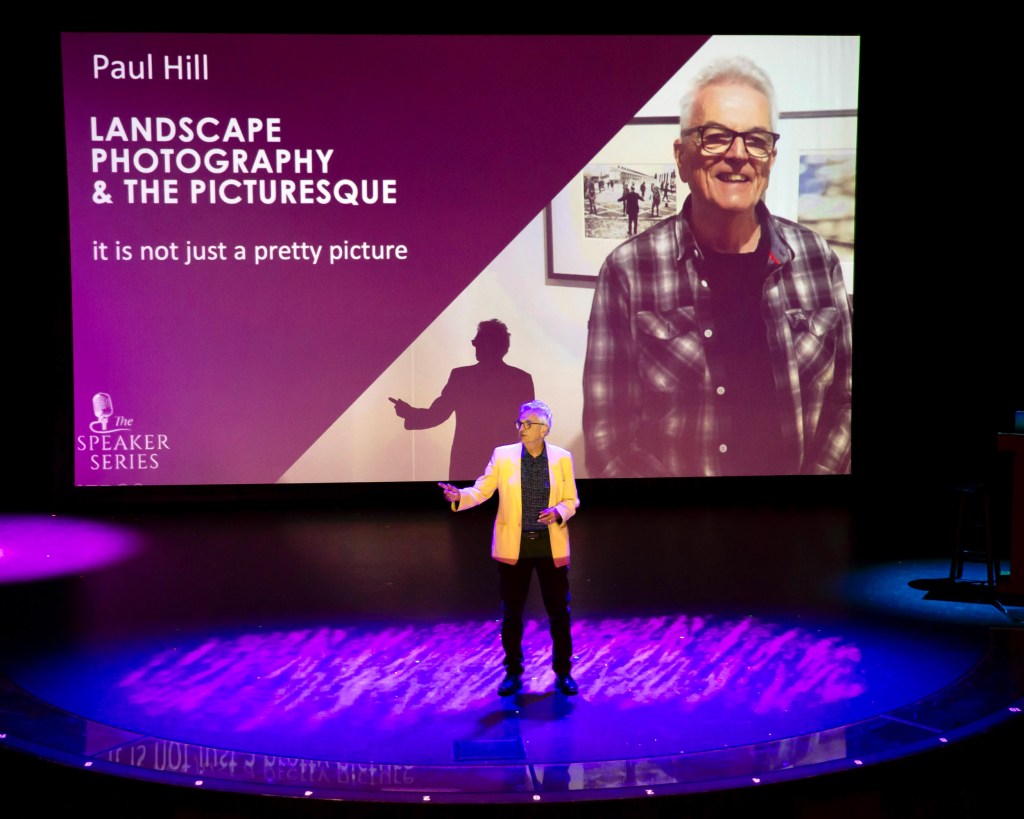
When my wife died two former MA students of mine, Nick Lockett and Martin Shakeshaft were instrumental in creating The Place #2 in 2009. We went peripatetic and did weekends in various locations in the Peak District. Nick and Martin had distinguished professional CVs and were now embarking on careers in higher education. The same ethos underpinned #2, but the digital revolution made practical assignments and feedback easier and meant we were able to take ‘the brand’ anywhere in the country. Maria Falconer FRPS, an AP contributor, and I joined up in 2011 and since then we have run photo workshops and retreats in France, Portugal, as well as around the UK, and on cruise ships from the invaluable South China Sea to Antarctica.
During most of the history of The Place, I kept a visitors’ book, and it has been an indispensable memory jogger for this article. What struck me looking at the names of the workshop leaders and participants that many who came to Derbyshire were now dead. So, flicking through the dozens of pages has been a bittersweet experience. Also, I found it surprising how many overseas participants we attracted.
On one page someone from Tehran wrote:’ The first Iranian to set foot in this place, I think’ and opposite it an Israeli penned: ‘It’s always nice to see someone doing his own thing – there is so much here I love a lot’.
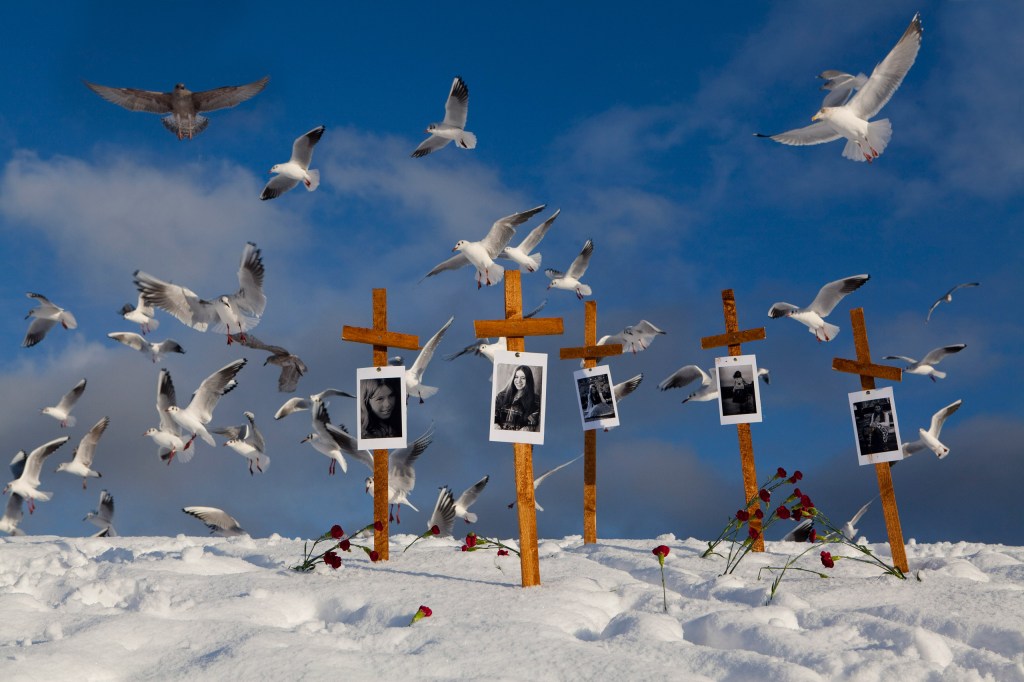
A Venezuelan put: ‘I would’ve liked a little bit longer. I didn’t feel like going’. Someone from Rio de Janeiro: ‘An experience which united all of us! Great FUN.’ And a photographer from New Jersey kindly wrote: ‘ You reach parts that other workshops do not.’
Well, that’s what we wanted to do. Create a photographic oasis where technique is in the service of ideas and collaboration replaces competition all within in a relaxed and reassuring environment.
Photography is not a sport. It is much more important than that, to misquote Bill Shankly.
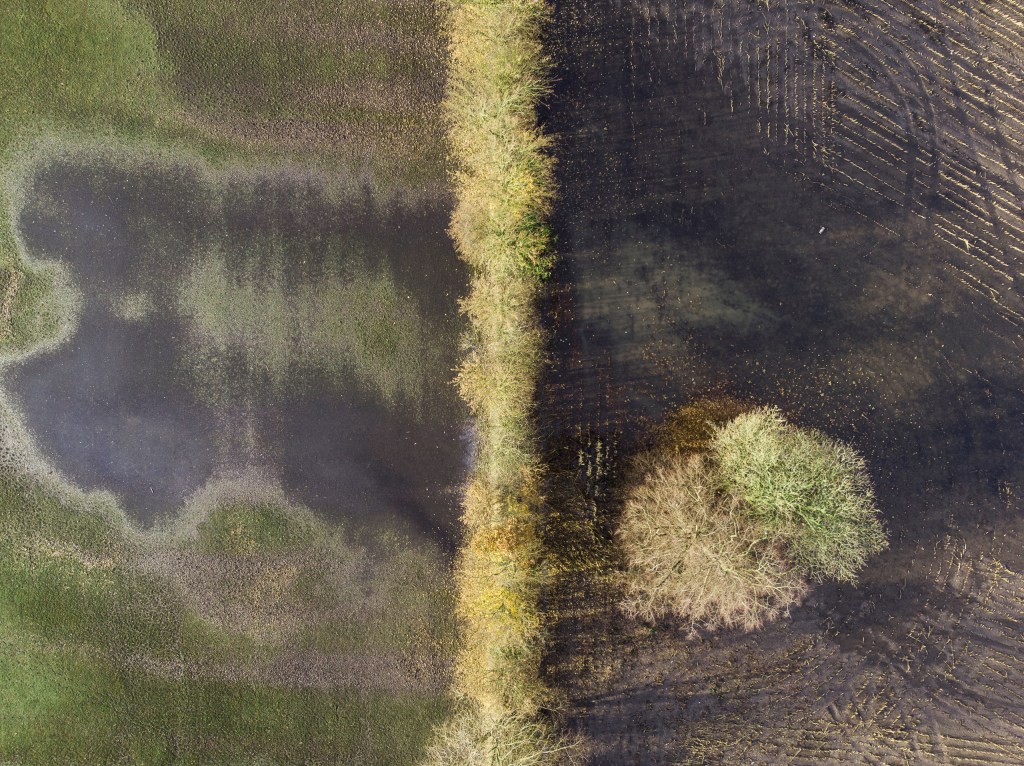
Memoriam: Angela Hill, Raymond Moore, Charles Harbutt, Cole Weston, Aaron Siskind, Tom Sandberg, Michael Harper, Martin Parr, Brian Griffin, David Mellor, John Blakemore, Fay Godwin, Lewis Baltz, Paul Caponigro, Bill Jay, Jo Spence, Mike Williams, Ken Baird, Valerie Lloyd, Richard Sadler.
Related reading:
- Meet SheClicks: a women-only photography group with over 15,000 members!
- The Landscape Collective: Setting up a photography group
- Love street photography? You should join this free community group!
Follow AP on Facebook, Instagram, YouTube, TikTok, and IRYS.