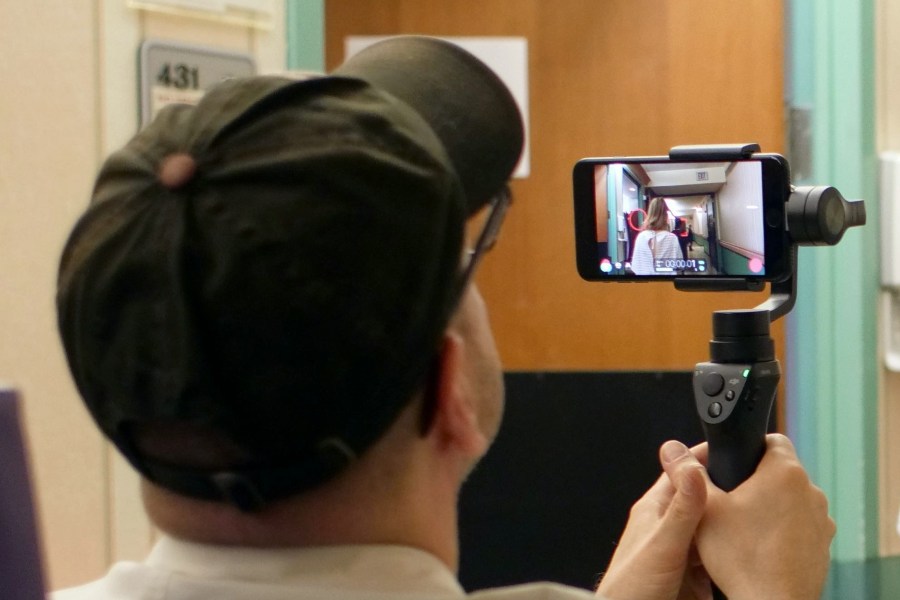
There was a time when the idea of using an iPhone for a serious, professional, honest-to-god film production would have seemed like a joke. But as the cameras on Apple’s smartphone have become better and better, with improved video resolutions, frame rates, codecs and all the rest, the filmmaking industry has started to take them seriously.
As such, professional productions across film, TV music and more have embraced the iPhone, and there have been some incredible and iconic uses of the phone. If you ever thought that the only way to make a professional-looking film was to spend thousands on a cine camera, here are a few potent reminders of what is possible even when the core of your rig is one of the most widely owned devices on the planet.
Here are a few of my favourites – the most iconic uses of the iPhone in pro filmmaking…
1. Searching for Sugar Man (2012): partly shot with an iPhone and the ‘8mm’ app
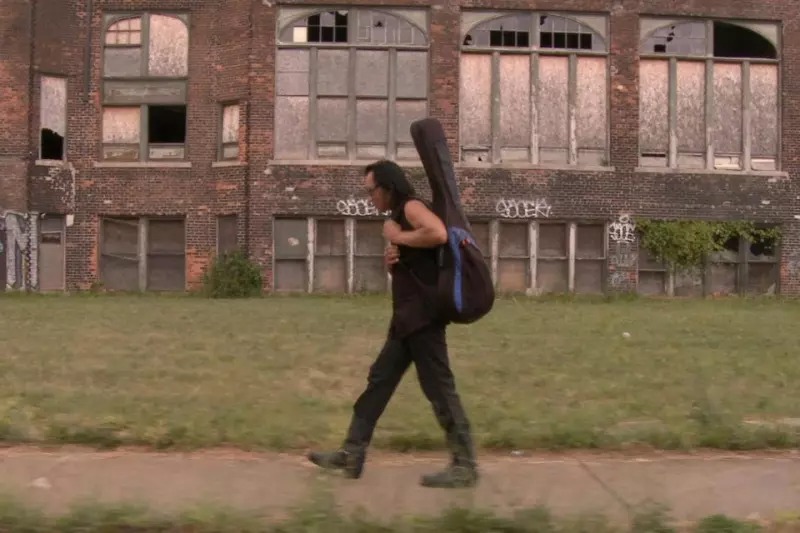
Malik Bendjelloul was nearing completion of his documentary Searching for Sugar Man, and he had a problem. He had run out of money. The film, which follows two avid music fans in their quest to find the elusive musician Sixto Rodriguez, was interspersed with stylised shots captured on Super 8 film, but Bendjelloul was facing the withdrawal of his financial backers, and with the film having spent years in editing, he simply didn’t have the cash to get the final film shots he needed.
Well, you know what desperate times call for, and so, Bendjelloul hit upon a solution. He grabbed his iPhone (annoyingly, history doesn’t seem to have recorded which one, but the timeline suggests it was probably an iPhone 4 or 4s), downloaded a $1.99 app called 8mm Vintage Camera, and recorded the final few shots on the phone, discovering with relief that the footage ‘looked basically the same.’
As such, when the film was released to high critical acclaim, it quietly crossed a milestone; at the 2012 Academy Awards, it won Best Documentary, and thereby became the first Oscar-winning film to feature footage shot on an iPhone.
Apple took notice. In a subsequent interview with the Guardian, the film’s producer Simon Chinn revealed that since the film’s release and awards success, he had ‘met the guy from iPhone’, which is a hilariously enigmatic phrase that I am now obsessed with (who is guy from iPhone? Tim Cook? Jony Ive? The spirit of Steve Jobs?). According to Chinn, the crew had been promised that if they wanted free iPhones in the future, all they had to do was call.
2. Tangerine (2015): shot on the iPhone 5s
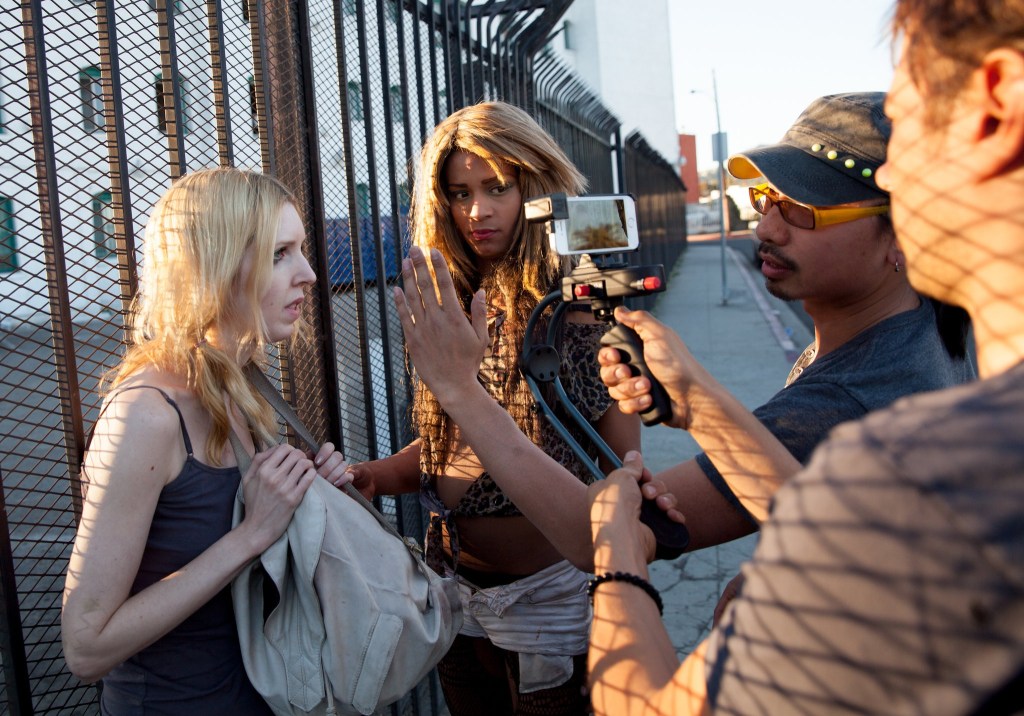
In 2024, filmmaker Sean Baker became Hollywood royalty by being the first individual to win four Oscars for the same film in a single ceremony – for the romantic drama Anora. Before that, however, he had been something of a guerilla filmmaker, putting together his projects with whatever equipment he had to hand. And almost ten years prior, Baker had gained accolades at the Sundance Film Festival with his film Tangerine, which he had shot entirely on three iPhone 5s handsets.
The iPhone 5s wasn’t even the best smartphone available at the time, equipped with just an 8MP camera (Baker took some flack from some quarters for not using the Sony Xperia Z2, which offered a beefier 21.7MP resolution). However, it proved perfect for Baker for a number of reasons.
‘[The iPhone’s] as close to a hidden camera as you can get,’ Baker explained in an interview. ‘In this kind of film you’re blurring the line between documentary and narrative – you’re capturing a lot of street life and first-time actors. It’s the best device at this time to use for that sort of thing.’
Tangerine, which tells the story of one Christmas Eve in the life of a transgender sex worker and was seen as a significant leap forward for transgender reputation on film. Its stars, many of whom were real transgender sex workers, had no real acting experience before Baker cast them.
There were also budgetary concerns – Baker admitted that the production had been simply unable to afford the kinds of high-end cinema cameras they might have wanted to use. They looked for ways to push the iPhone 5s further, downloading an app called Filmic Pro to unlock 24fps, and adding an anamorphic adapter to make use of lenses.
Of course, there were still limitations. Those who know their iPhone history are likely aware that if Baker had waited just one more generation, for the iPhone 6s, he would have had access to 4K footage! Nevertheless, Tangerine won a clutch of independent film awards, and paved the way for Baker’s subsequent Oscar glory.
3. Unsane (2018): shot on iPhone 7 Plus
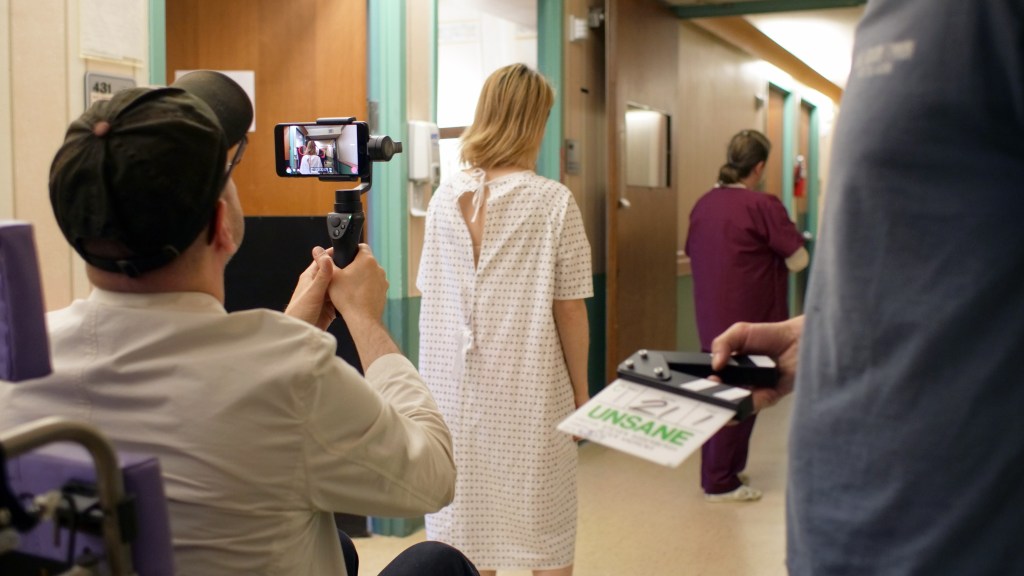
Steven Soderbergh, a prolific director who is perhaps best known for 2001’s Ocean’s Eleven and its sequels, is someone who is always looking for ways to reduce the considerable cost of making movies, whether that’s by selling streaming rights in advance of production, or opening up to foreign distributors when American ones won’t play ball. For his 2018 psychological thriller Unsane, he elected to see if he could save on production costs by embracing the consumer tech of the time, the iPhone 7 Plus.
In making the film, Soderbergh used three of the handsets, mounting them to the camera operator’s shoulder via a Shoulderpod accessory, and adding a few Moment clip-on lenses to create different looks. The crisp, flat look of the iPhone footage proved perfect for the intense claustrophobic feel of Unsane, giving the close-up shots a real uncomfortable intimacy.
The year before Unsane’s release, Soderbergh participated in a Reddit AMA (Ask Me Anything) while promoting his feature Logan Lucky, where he was asked by one user how to get started making films. His advice? ‘Get a script and an iPhone and start shooting. Seriously.’ Wise words indeed.
4. Motherboard (2024): shot on several generations of iPhone
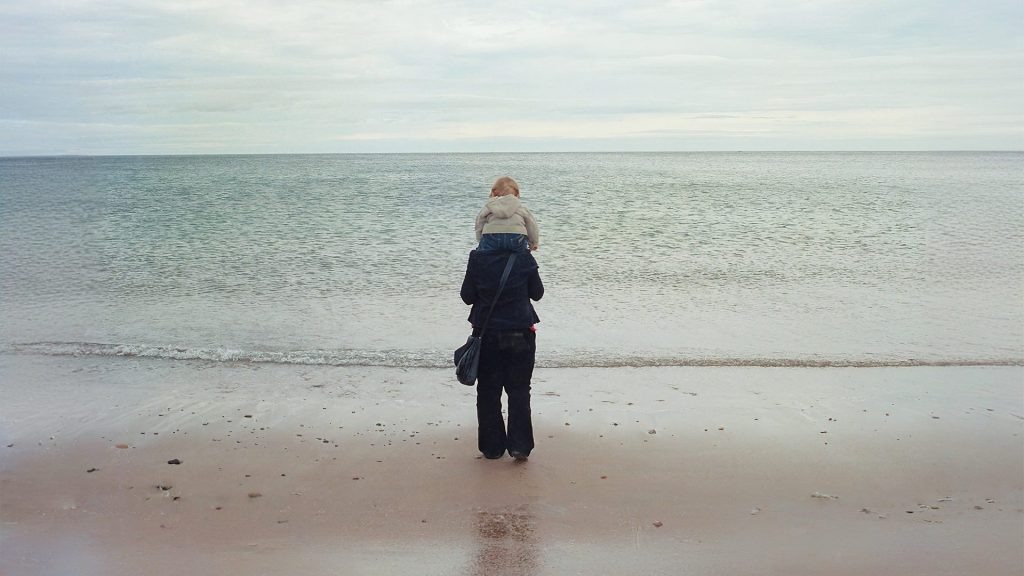
A powerful documentary that spans more than two decades, Motherboard is a portrait of motherhood shown through the same lens that many people in the modern day view it – an iPhone. Or several iPhones to be precise; as you’d imagine, over the years she is documenting her relationship with her son Jim, filmmaker Victoria Mapplebeck gets through a few generations of the handset – in an interview with Raising Films, she revealed that she started with an iPhone 6 and ended up with an iPhone 15.
Mapplebeck had some history with the iPhone – her 2019 BAFTA-winning short Missed Call was shot entirely on the iPhone X. With both that film and more so with Motherboard, the use of the iPhone provides an unparalleled feeling of emotional authenticity and rawness. It looks exactly like so much of the footage we capture, share and see of our friends and family. It draws you in with an intimacy that I just don’t think would have been achieved had Mapplebeck sprung for a more sophisticated video camera.
5. 28 Years Later (2025): shot on the iPhone 15 Pro Max
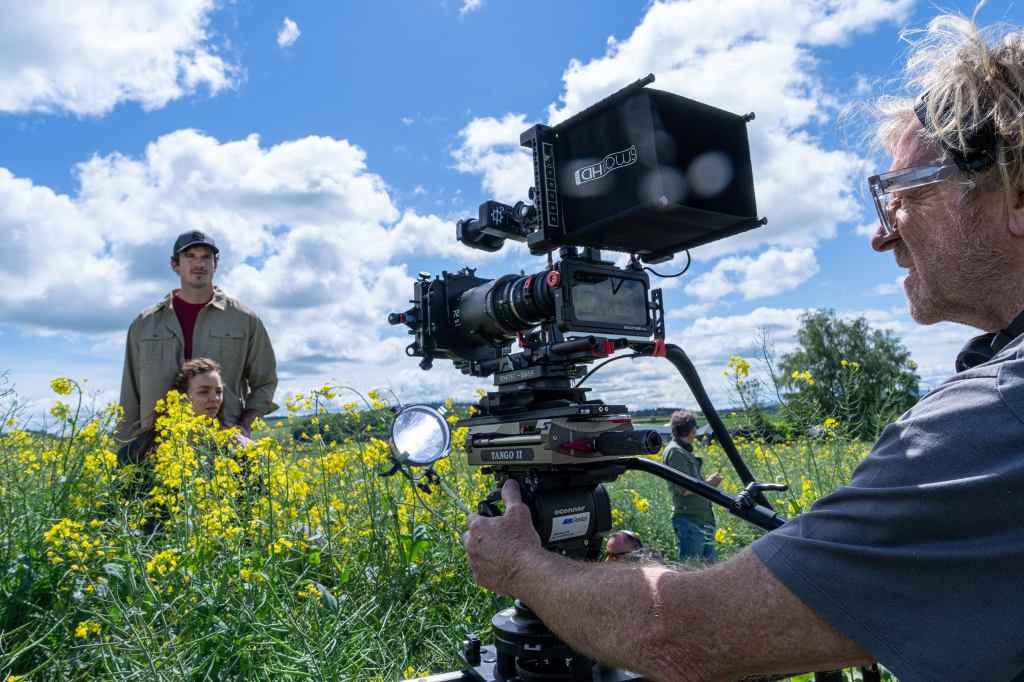
We discussed this briefly in our run-down of the most significant iPhones of all time, but it’s worth examining in more detail. Director Danny Boyle’s much-anticipated sequel to his 2002 fast-zombie sleeper hit 28 Days Later was shot almost entirely on the iPhone 15 Pro Max, with only drone and infrared shots achieved on other devices.
Of course, the process was a little more complicated than Boyle just pulling a phone out of a pocket and calling action. Boyle and company created their own bespoke lens adapter that could be used to attach cine-standard lenses to the phone, including anamorphic, spherical and zoom lenses. In an interview with Indiewire, cinematographer Anthony Dod Mantle revealed that they had Apple experts on set to help jailbreak the iPhones so that the crew could override the phones’ algorithms in situations like low-light shooting. And, for more complex bullet-time-style shots of gruesome infected kills, the production had a rig of as many as twenty iPhones, set up in a ring on 3D-printed rigs, to capture every angle of the action.
The reason for this was to do with the legacy of the series. When Danny Boyle filmed 28 Days Later in 2001, he used a cheap prosumer camcorder, the Canon XL-1. He did this partly because he wanted a small and manoeuvrable rig for the film’s intense action sequences, but also because the grainy digital video (DV) footage gave the film a realistic and visceral immediacy. It felt almost like found footage – if people had the time had been documenting a real outbreak, they would have used something like the XL-1.
Of course, two decades down the line, real people documenting real events would overwhelmingly use one device – their smartphone. So, by using iPhones for 28 Years Later, Boyle was able to retain that same feeling of contemporary realism he’d achieved at the turn of the century, updated for a modern audience. And hopefully this time, it won’t result in Letterboxd users joking that the film looks like it was ‘filmed on a pink motorola razr’.
Inspired to get shooting like Steven Soderbergh? Check out our guide to the best smartphones for video, or the best budget camera phones if your finances are tight. Our resident smartphone expert Amy Davies has also been hard at work testing the newest iPhones, so check out her iPhone 17 review and iPhone 17 Pro review to see how they perform.
Follow AP on Facebook, Instagram, YouTube and TikTok.