Traditionally, photo-editing software, including AI tools, has been used to help people to look slimmer and generally ‘beautify’ themselves – one thinks of the Liquify tool in Photoshop, for example, or popular apps such as YouCam Perfect.
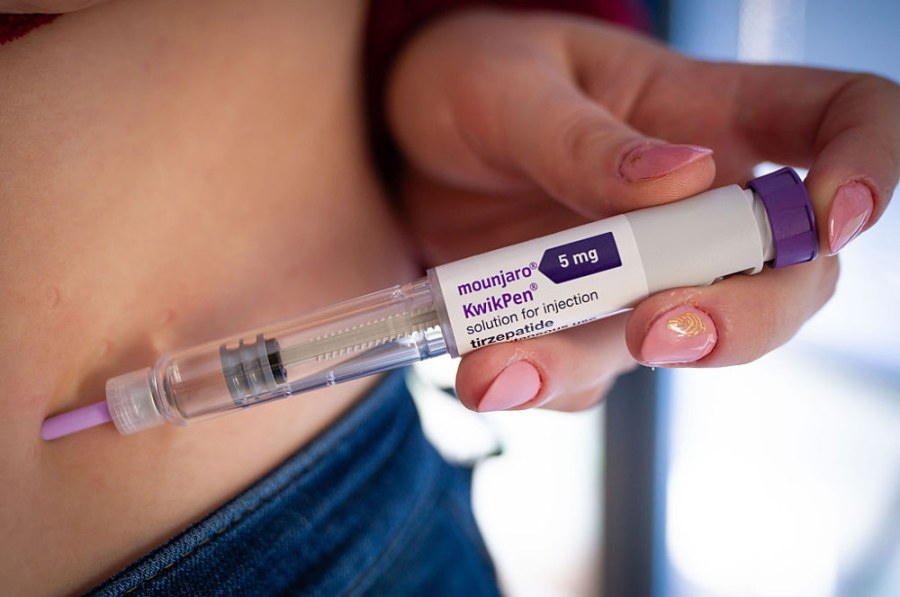
An investigation by ITV News in the UK has now revealed the opposite trend – people with otherwise healthy weights/BMIs are using photo-editing software and AI tools to make themselves look ‘bigger’ in order to get hold of powerful weight loss drugs such as Mounjaro.
It appears that some online pharmacies are merely asking for just one or two photos of a person before sending out weight-loss drugs, photos which can be easily edited to make the applicant look bigger and wider than they are.
Weight-loss drugs such as Mounjaro are only supposed to be made available to people with obesity, or very specific medical needs.
ITV News reporter Cree Summer Houghton decided to investigate rumours of the growing use of faked photos, and was amazed how easy it was to get weight-loss drugs just by sending in a heavily edited selfie.
‘I had used basic editing software to widen my waist, face, and body before uploading the images,’ she explains. ‘Within a week, three different companies had approved me and sent out three separate prescriptions. I also spoke to three women who had been accepted in the same way, sometimes with only a single edited image.’
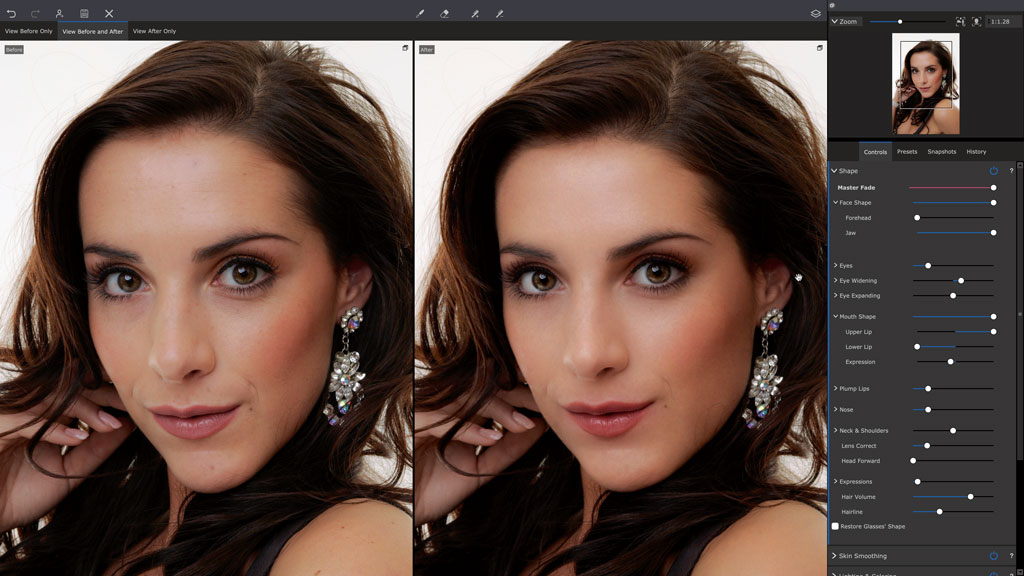
While the software and AI editing tools being used to bulk people up are not identified, it’s unlikely that the process involves a deep knowledge of Photoshop – one woman told Cree that it took her just five minutes to take a photo, edit it, and upload it.
This was confirmed when Cree subsequently responded to our query about the editing tools used. ‘We wanted to be careful about naming and showing exactly how we did it, as a duty of care… We used a popular photo-editing app and I have heard the same thing can be done with ChatGPT and other apps.’
Current government regulations require that online pharmacies obtain a video of anyone seeking to purchase weight-loss drugs, or arrange a live consultation beforehand, but it is clear that some pharmacies are by-passing this process to save on admin and get the money in faster.
Weight-loss drug loopholes
As well as worries about the recreational use of powerful weight-loss drugs, with the attendant negative health consequences, they can exacerbate the problems faced by people with eating disorders and similar mental health issues.
Roz Gittins, chief pharmacy officer at the General Pharmaceutical Council, said in response to the ITV story: ‘We have inspected all three of these pharmacies. Two were not meeting all of our standards, and one remains under investigation. To protect the public, we are taking action so they make improvements to meet our standards.’
When asked about the report on ITV news, the Secretary of State for Health and Social Care, Wes Streeting, commented: ‘we should be clear that weight-loss medication is not for everyday recreational use because people want to lose a few pounds. It is for people who are struggling with obesity, who meet clinical criteria… Zabeer Ahmed, one of our health ministers, who is himself a doctor, was out the other day warning about irresponsible use of weight loss medication.’