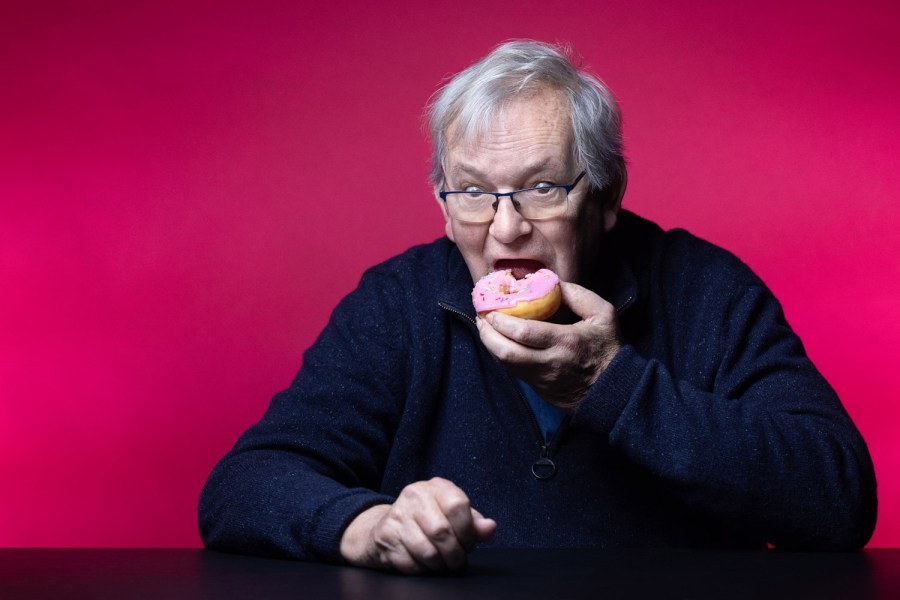
AP acting Features Editor Peter Dench pays a personal tribute to Martin Parr, a photographer who shaped him and reshaped how Britain sees itself.
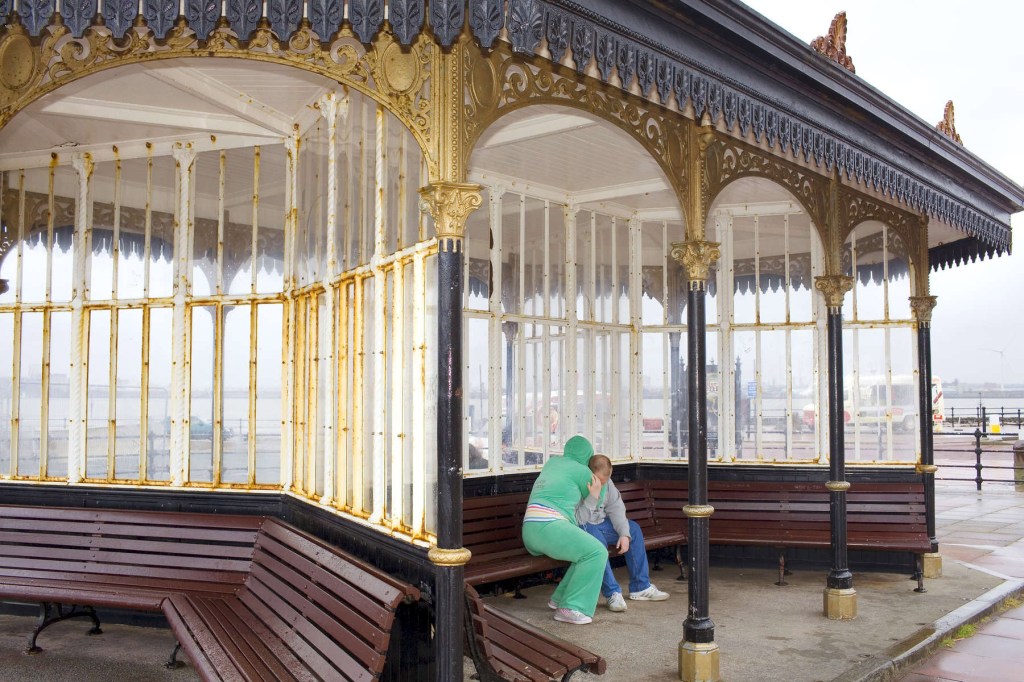
Global influence
Martin Parr. Rarely does a day pass in my professional life when he isn’t mentioned by, or to me. One of the world’s greatest photographers and behemoth of photographic history. News of his death at 73 has gone off like a flashbulb to the heart. Parr’s lens shaped how the British see ourselves: sunburnt, snacking, stubbornly human and often hilarious without quite intending to be. His work was a mirror we didn’t always want but needed.
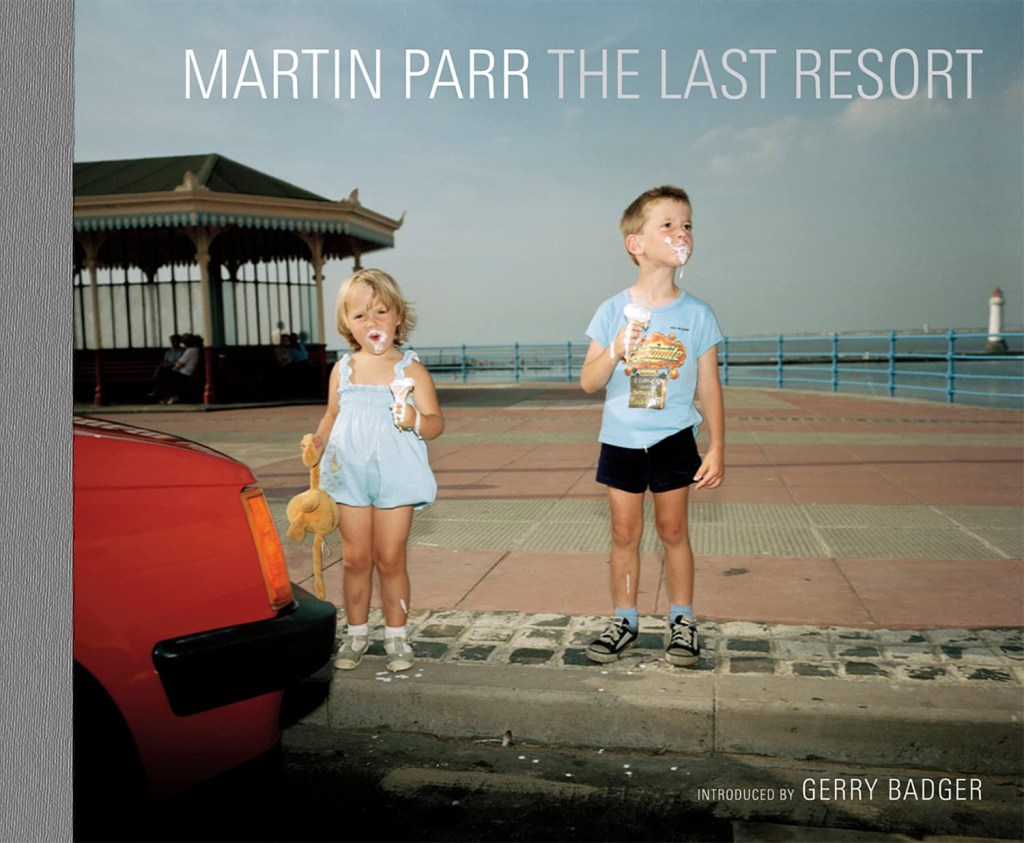
His influence was everywhere. It’s impossible to photograph in Britain, in colour, without seeing Parr parts everywhere in the everyday. His photography fuels debates from pub corners, college darkrooms to online forums and on me. Aged 18 I first discovered his book The Last Resort, his glorious, lurid, unapologetic dive into New Brighton. It was a revelation. I was studying photography, convinced that to become a success, you had to travel to the front line of a foreign war. Parr’s photographs demonstrated you could simply pop along to the local village fete, beach, grocer’s or even petrol station. You didn’t need bullets or borders. Britain was enough. Britons were enough.
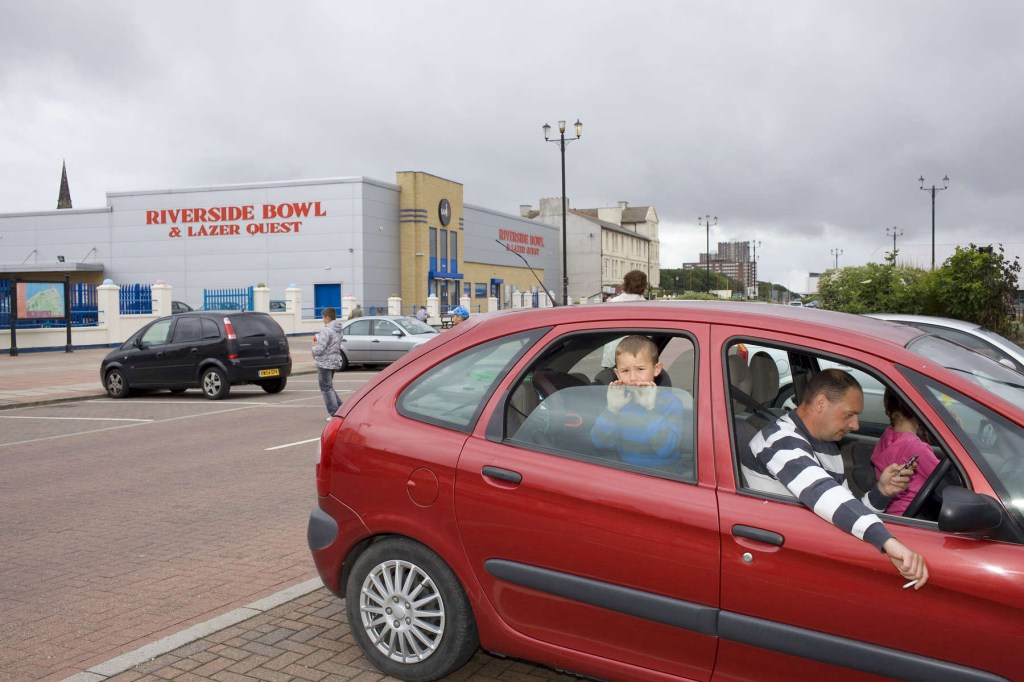
Colour that packs a punch
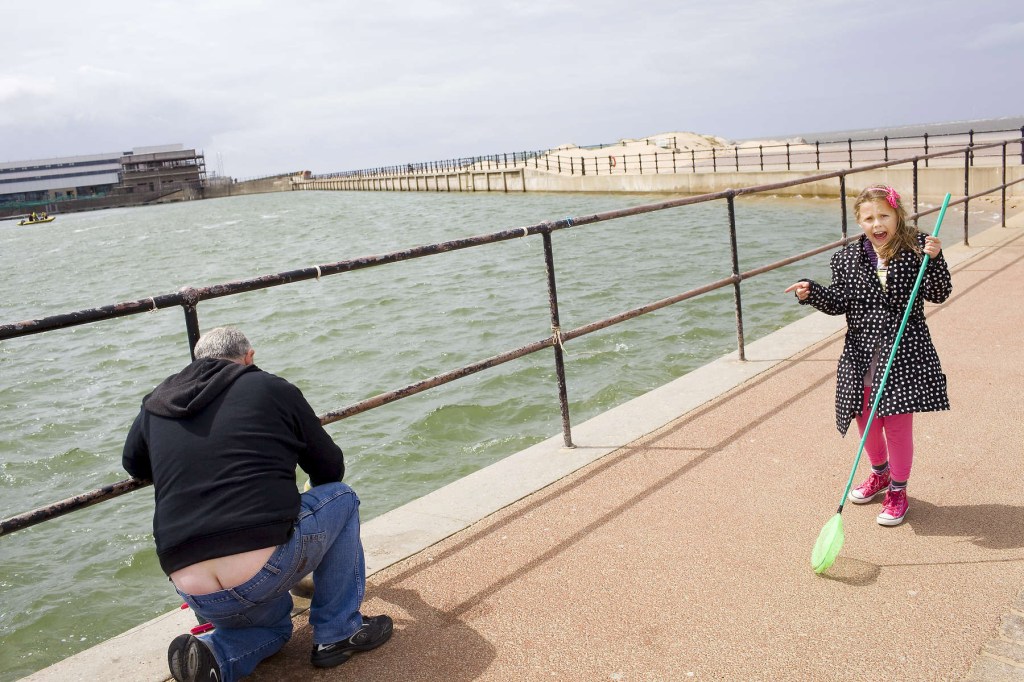
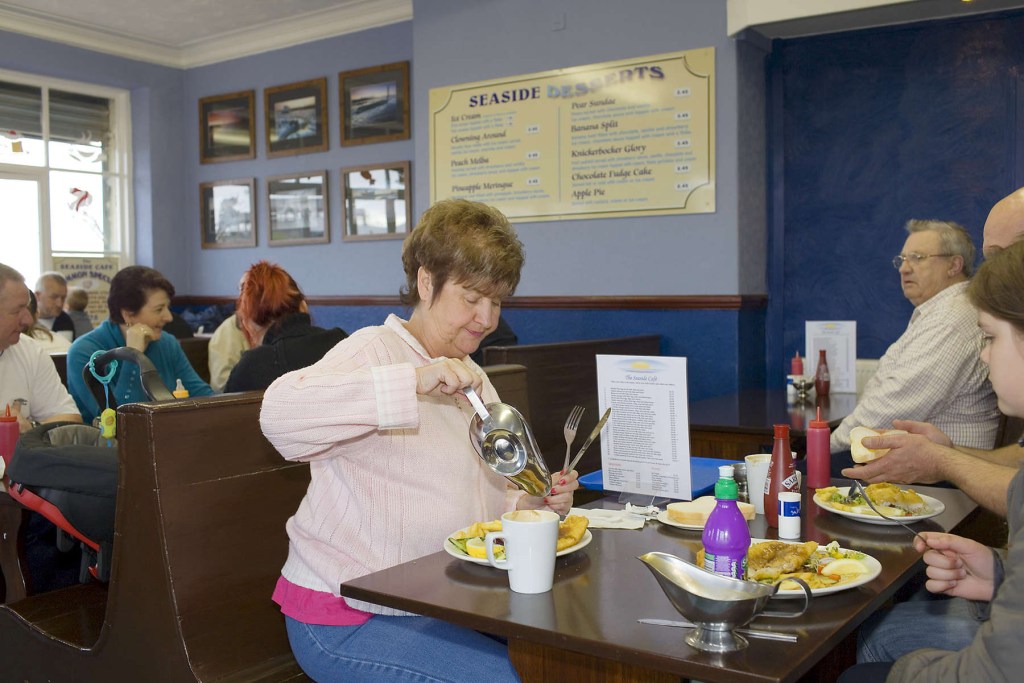
Parr’s colour was an assault on the senses. Bam! A saturated slap around the face. Anyone seeing The Last Resort for the first time it’s a kaleidoscope of suncream, chips, prams, chocolate bar wrappers and white shoes – so many white shoes. He understood that the English seaside was pantomime. A bit desperate, a bit joyful, beautifully ridiculous. He didn’t photograph it with sneering superiority but with an unflinching, anthropological eye. You felt he was in it, sandals on but no Speedos – he famously couldn’t swim. He blended in and also a presence impossible to ignore.
Following in Parr’s footsteps
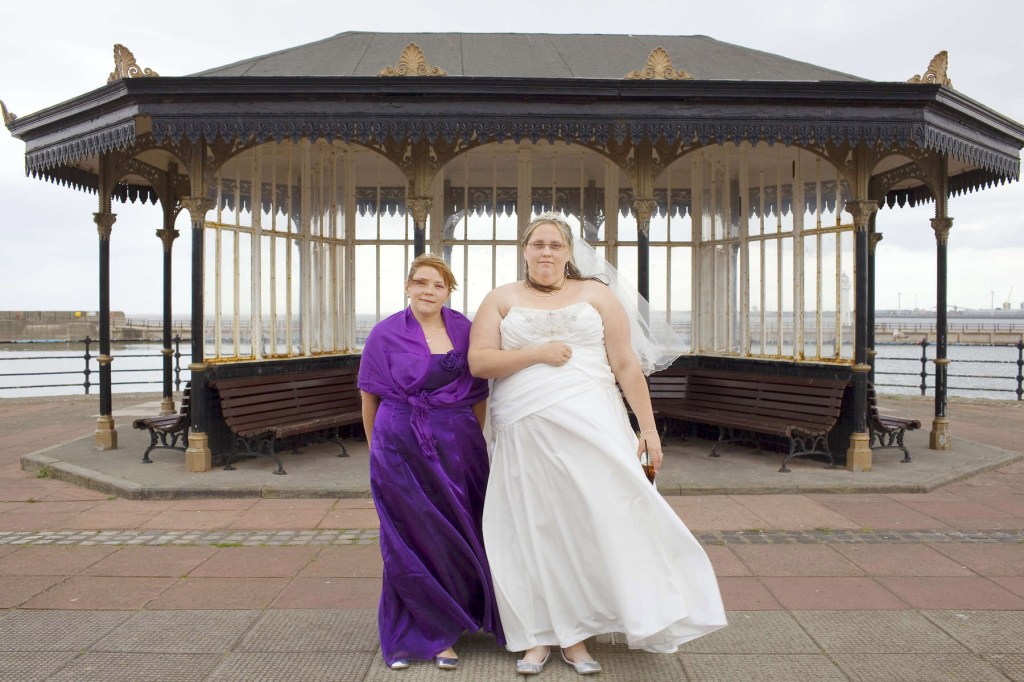
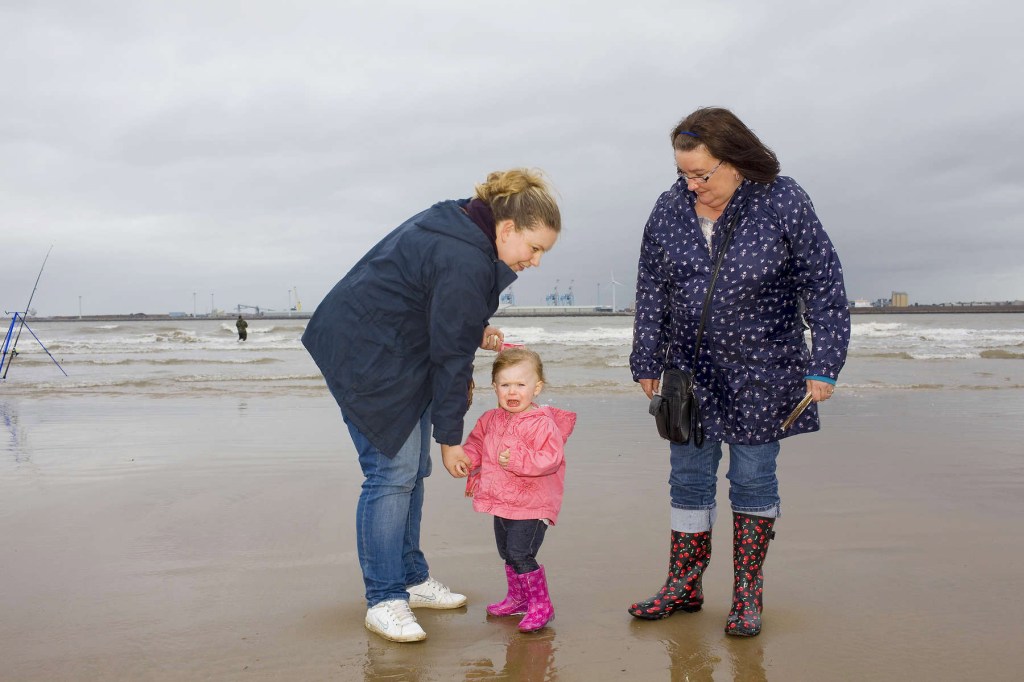
Twenty-five years after Parr self-published the first edition of The Last Resort, in homage, I made my own pilgrimage to New Brighton, romping in his footsteps with the 1998 Dewi Lewis edition under my arm. I crouched where Parr crouched to photograph two kids dribbling ice cream and squinted where he squinted. The railings had changed colour several times since he last focused on them. The ghosts of Parr’s frames resonated. Even when photographing my own scenes, I saw Parr everywhere: dogs with tired tongues, crying children, litter, waterproof headscarves. His vocabulary had become embedded. His images were my visual adolescence.
Split opinion
Back in the day Parr’s projects divided critics, they arguably still do. Was it affectionate or cruel? Humanistic or harsh? The answer, of course, is that it was simply honest and honesty is rarely tidy. He captured the world and Britain in particular and all its contradictions, from the cheap, the cheerful, the tragic, the aspirational and the self-deceiving. He did so with a clarity that was simultaneously funny and uncomfortable. That’s why he mattered and why he will continue to matter.
Lessons from a legend
His legacy is immense: Magnum president, collector extraordinaire, founder of the Martin Parr Foundation and creator of photobooks that reshaped whole genres. It’s the fearlessness I’ll remember. The relentless willingness to stand close, to confront the everyday and to record it before it slips away.
I emailed him once with my own New Brighton snaps. He wrote back, dry as ever: ‘Of course, now you could not shoot naked children the way I did then.’ It made me smile and reminded me to keep photographing what’s real today, because tomorrow may be too late. Martin Parr brightened Britain, often in ways we weren’t prepared for and for that, we owe him a great deal.
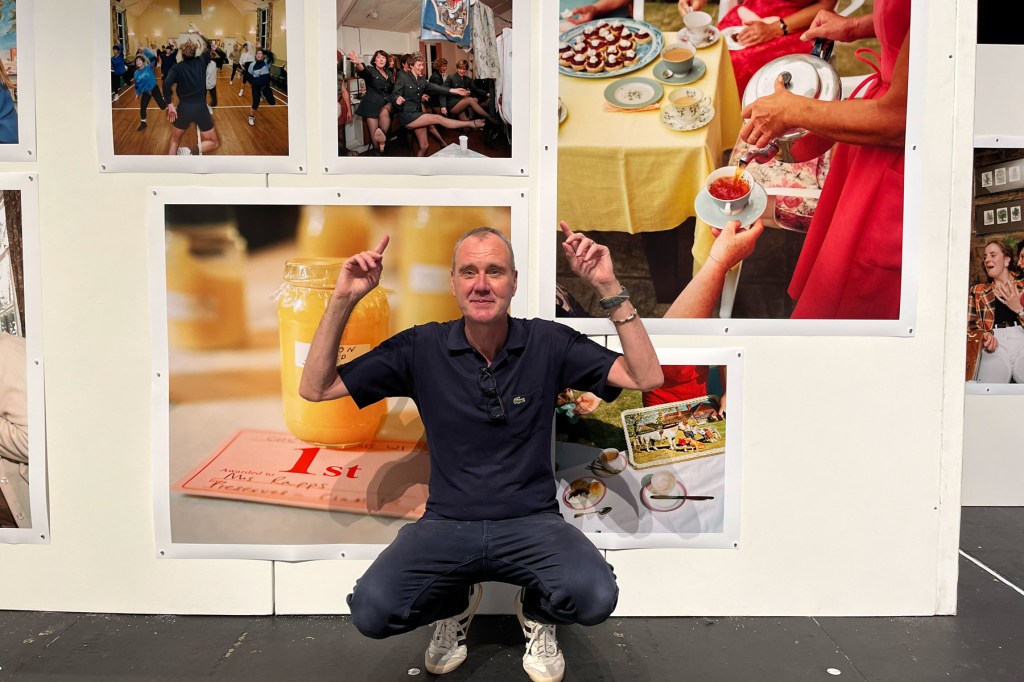
I exhibited alongside Martin Parr in the summer and last saw him in October sharing a curry at The Northern Eye Festival of Photography. He said, in his trademark matter-of-fact way, that with his cancer, he’d arrived in life’s departure lounge. I just wish his flight had been delayed.
Martin Parr (1952-2025) is survived by his wife Susie, his daughter Ellen, his sister Vivien and his grandson George. The family asks for privacy at this time.