Cocaine has never been more available or deadly. In his new book, Sangre Blanca, Danish photographer Mads Nissen follows the white powder across continents. What emerges is an uneasy link between Western pleasure and Latin American violence.
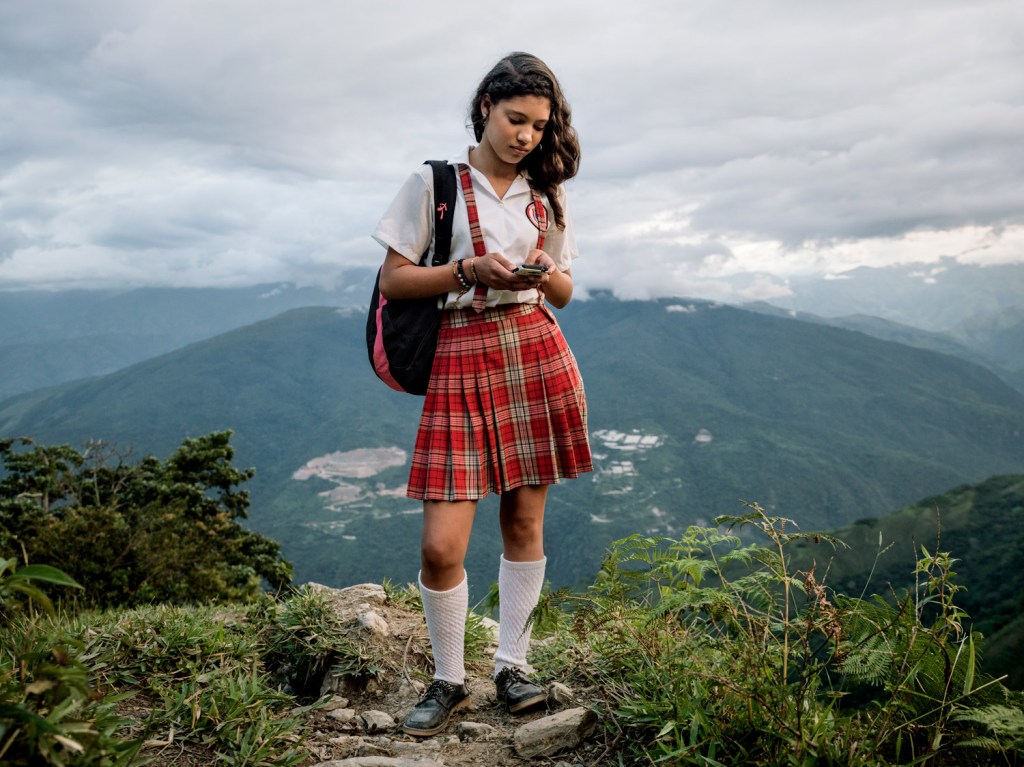
Twelve-year-old Alexandra Mazo walks down the mountain with her cellphone in hand after finishing her school day in Pueblo Nuevo, a village in Antioquia, Colombia, surrounded by vast coca plantations and armed groups, 2026. Image Credit: Mads Nissen

Follow the powder

Quite early in the Sangre Blanca (White Blood), Mads Nissen makes his position clear. This is a book about the consequences of cocaine over commodities. The photographs were shot between 2016 and 2025 across Colombia, Mexico and Europe. The recreational users are implicated alongside the powerful cartels and corrupt officials. The pages offer a visual and compelling case.
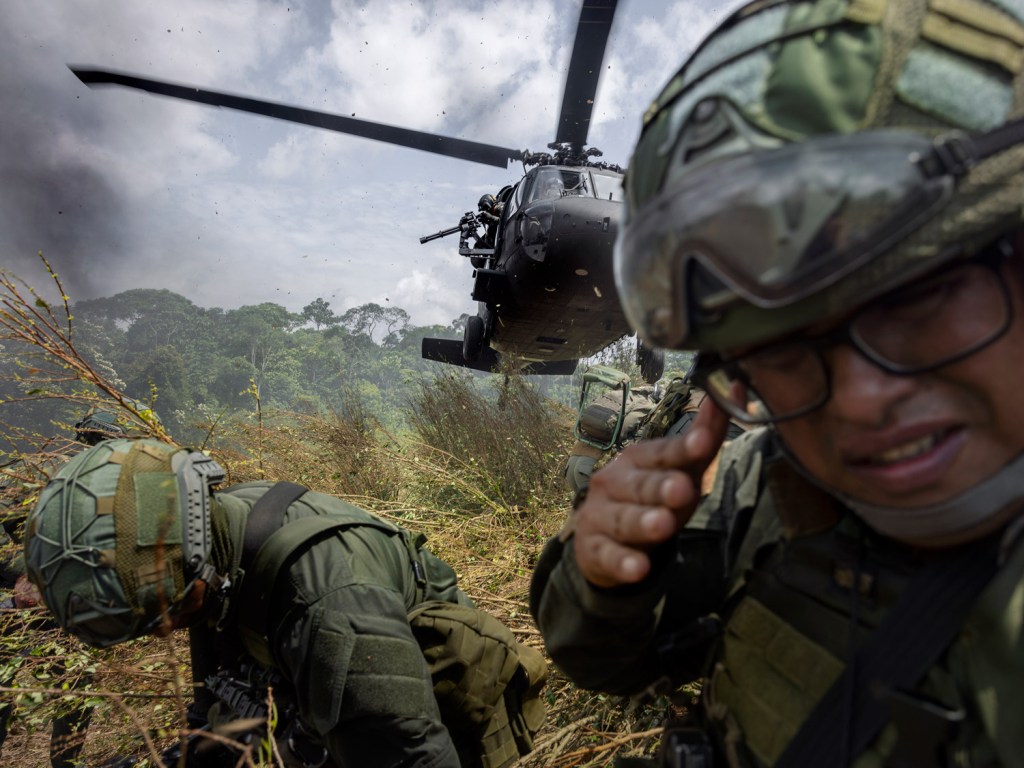
In the remote mountains of Putumayo, members of Los Comandos Jungla—an elite unit of Colombia’s anti-narcotics police—are dropped into a dense coca field. Guided by aerial surveillance from a Black Hawk helicopter, their mission is to find and burn down the hidden cocaine laboratories scattered across the jungle. But they need to act fast. The policemen are outnumbered and on unfamiliar ground. Any moment the farmers, or the well-organised militia Comandos de la Frontera (also known as CDF or La Mafia), can regroup and launch a counterattack when they see their business going up in flames, 2026. Image Credit: Mads Nissen

Time, access, consequence

Nissen is clearly a master of his craft and the book delivers the hallmarks of quality photojournalism – time, access and understanding. Cocoa farmers are photographed in Colombia’s neglected hinterlands, trapped in cycles of survival. Communities are captured riddled with tension and fear. There’s armed men, grief stricken families and a fascinating sequence of images of travellers taken by customs, anti-narcotics police, and investigators in South America and Europe revealing concealed cocaine capsules and packages.
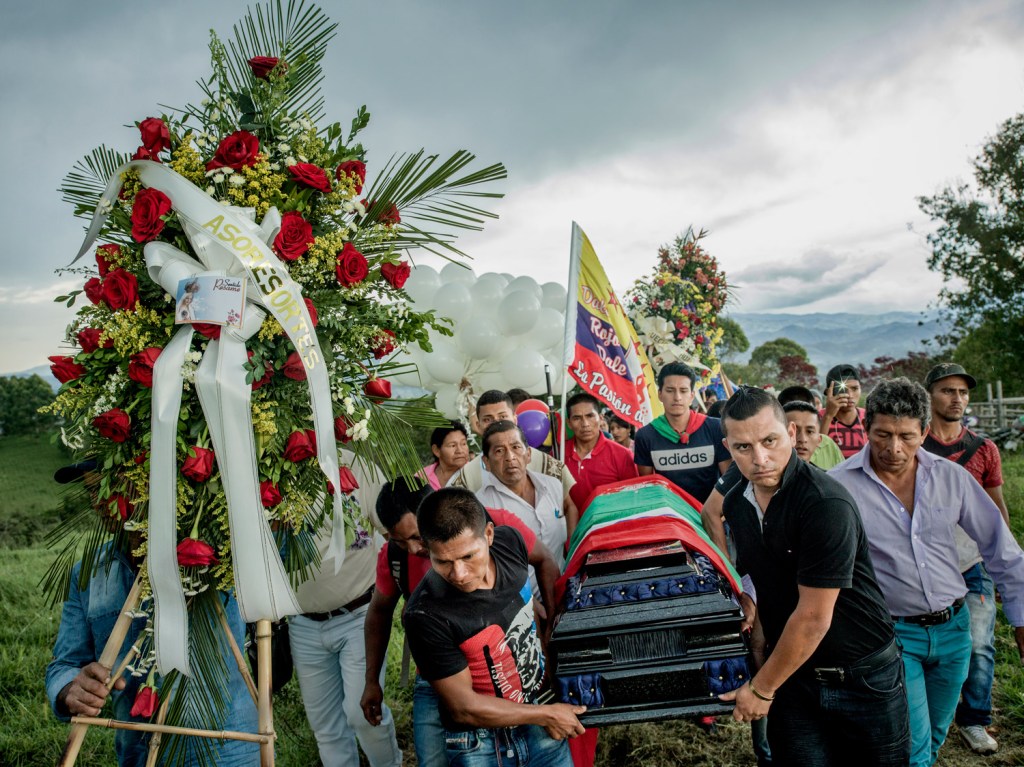
Surrounded by friends, family, and the entire community, Gerson Acosta is carried to his final resting place. At just 35-years-old, Acosta was already a governor and a respected Indigenous leader, known for his courage in standing up to armed groups attempting to take control of the Kite Kiwe ancestral territory. His defiance came at a high cost—he had received multiple death threats from a local paramilitary faction, a successor group of the far-right, drug-trafficking organisation AUC. On the afternoon of 19 April 2017, he was shot at close range outside his home. As the bullets were fired, Gerson managed to tell his 12-year-old son Daybi to run and escape. Timbío, Cauca, Colombia, 2026. Image Credit: Mads Nissen

Contrasting worlds

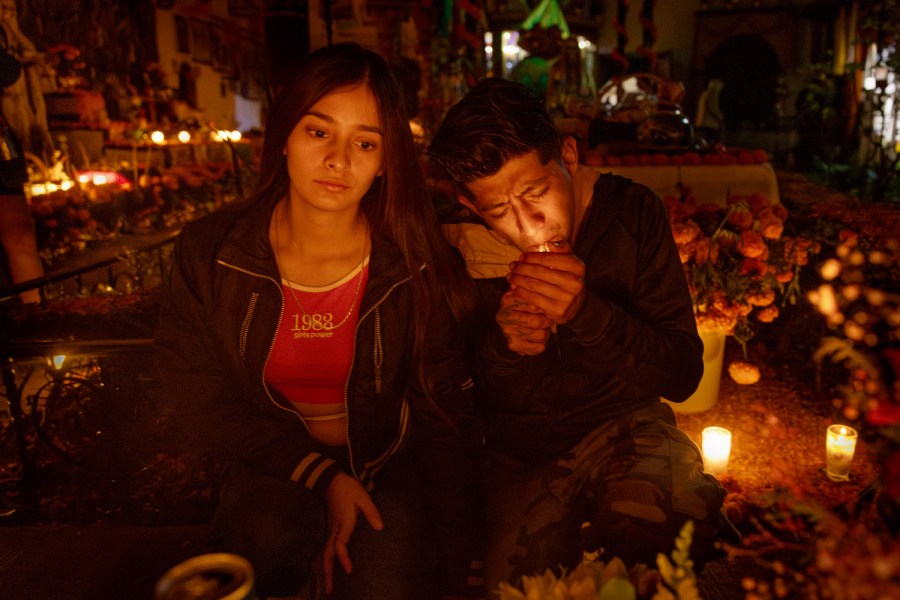
Almost jarringly, Nissen brings the viewer into Europe’s nightclubs and private spaces where cocaine is consumed with casual detachment bordering on wilful ignorance. The sequencing of the images is deliberate and effective, elevating the moral collusion between producer and customer.

An anonymous woman, 2026. Image credit: Mads Nissen

Sangre Blanca avoids sticking to the boundaries of a conventional reportage taking a more layered approach. The collaboration with Colombian artist Juan Arreaza introduces a counterpoint that is as unexpected as it is disorientating. Arreaza’s expressive paintings, some of which are created using chemicals sourced from cocaine labs, inject a symbolic voice that challenges the documentary authority of Nissen’s photographs. What these paintings do is help broaden the narrative from one of observation to reflection. It’s a risk that pays off.
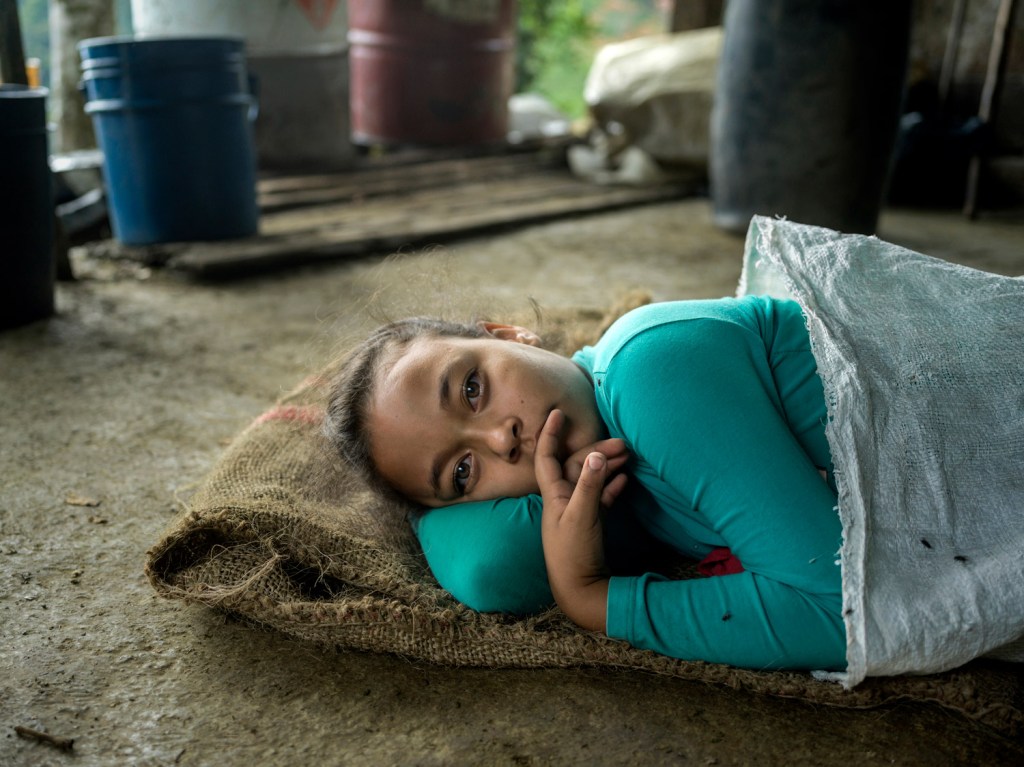
Diney Alexandra lies on the floor, taking a nap out of boredom at her father’s laboratory as the processing continues around her. It takes roughly 700 kilos of coca leaves along with substances such as cement (p. 32), ammonium, sulfuric acid, sodium permanganate, caustic soda, and large quantities of gasoline—to produce just a single kilo of coca paste. The aim of the entire process is to extract and isolate the leaf’s most desired and valuable component: the cocaine alkaloid. Antioquia and Cauca, Colombia, 2026. Image Credit: Mads Nissen

No easy villians

Nissen deploys his empathy with precision, resisting simplified stereotypes. Each of the book’s protagonists – farmer, addict, recreational user is depicted as part of a complex and tangled system. Spending time with the book there’s a notable insistence that everyone is trying to escape smoothing in some way, be it poverty, violence or boredom. It would have been easy to portray the cocaine industry as a criminal enterprise. What Nissen does, is hold a mirror up to global inequality and desires.
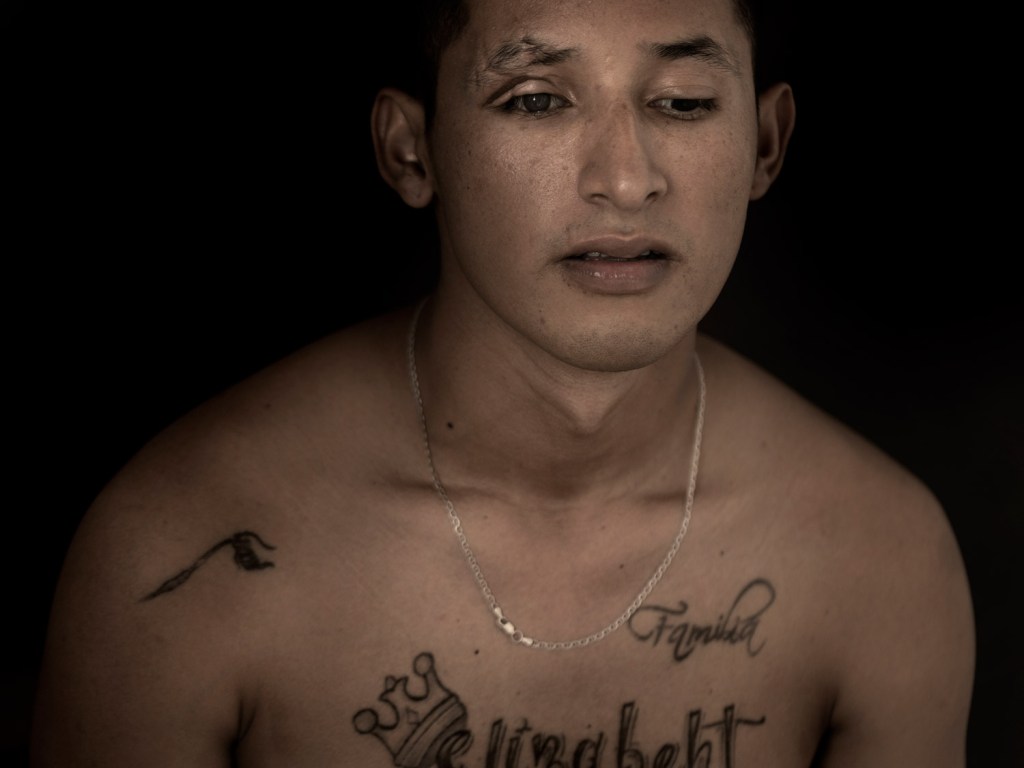
Twenty-five-year-old Jesús Bautista lost one leg and the sight in his left eye when he stepped on a landmine while fighting for the Colombian Army against a drug cartel in the Catatumbo-region, 2026. Image Credit: Mads Nissen

The multiple commissioned essays by journalists and anthropologists are informative but can dilute the visceral impact of the photographs. However, overall their inclusion leans towards the book’s ambition. It’s a small critique within a project that ultimately succeeds in scale and intent.
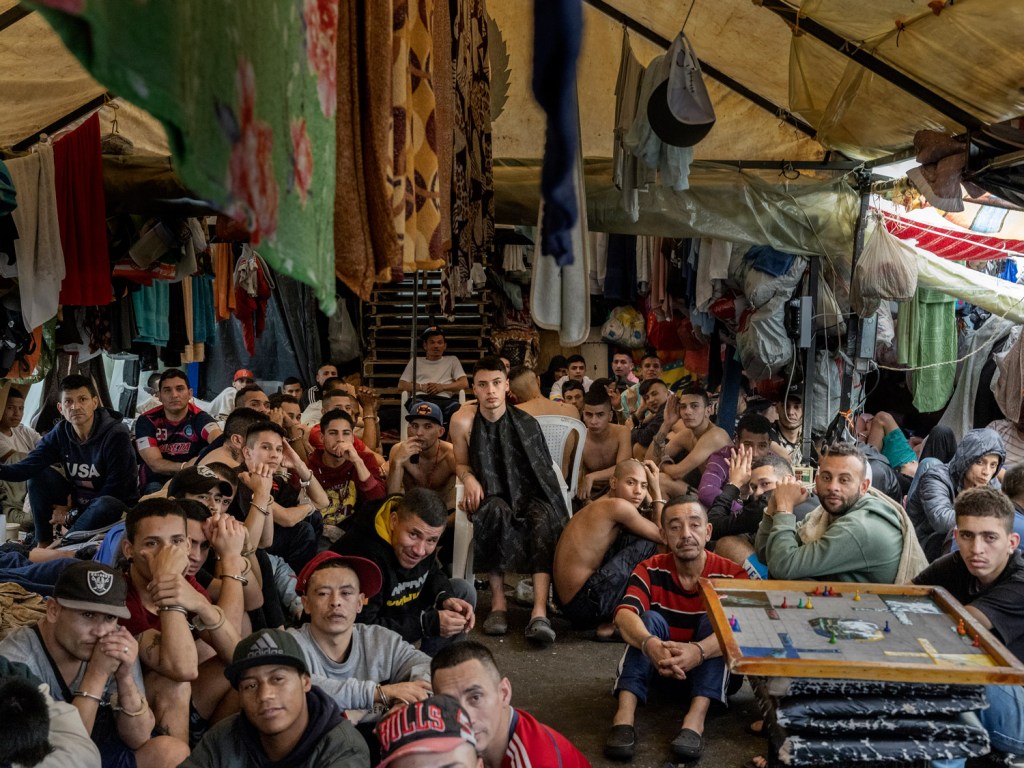
At the overcrowded detention centre inside the Kennedy Police Station in Bogotá, Colombia, a majority of the detainees are held for involvement in small-scale drug dealing,
turf wars, or street robberies committed to support their own addiction, 2026. Image Credit: Mads Nissen
At the overcrowded detention centre inside the Kennedy Police Station in Bogotá, Colombia, a majority of the detainees are held for involvement in small-scale drug dealing, turf wars, or street robberies committed to support their own addiction, 2026. Image Credit: Mads Nissen

Lasting impact

This success is built around refusing to let the viewer remain neutral. Sangre Blanca connects the geographic, economic and moral dots with distilled clarity. It’s a book that’s hard to ignore. While Nissen may not offer solutions, he does ask important questions that linger long after the final page. That is difficult to do and invaluable to see.
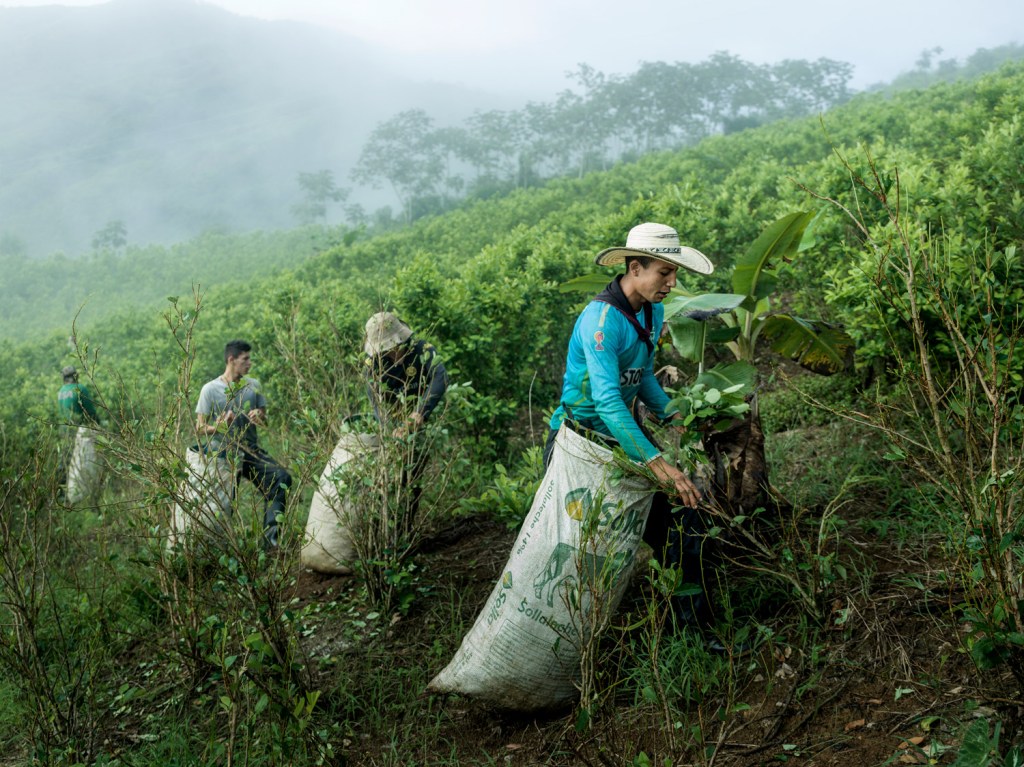
Nineteen-year-old Ariel Albeiro Muñoz, collecting coca leaves near the village of Pueblo Nuevo, Colombia, 2026. Image Credit: Mads Nissen

Sangre Blanca by Mads Nissen is published by GOST £45.00 available to order here

Published May 2026
199x 255mm
192 pages, 106 images
Hardback cloth cover
ISBN 978-1-915423-92-4

Related reading:

Follow AP on FacebookInstagramYouTube and TikTok.