Leica’s in-house tribute to its legendary M-series rangefinder cameras is a treat for both photography lovers and camera geeks alike, as Andy Westlake finds out. $60 / £45, Leica Camera AG, hardback, 272 pages.
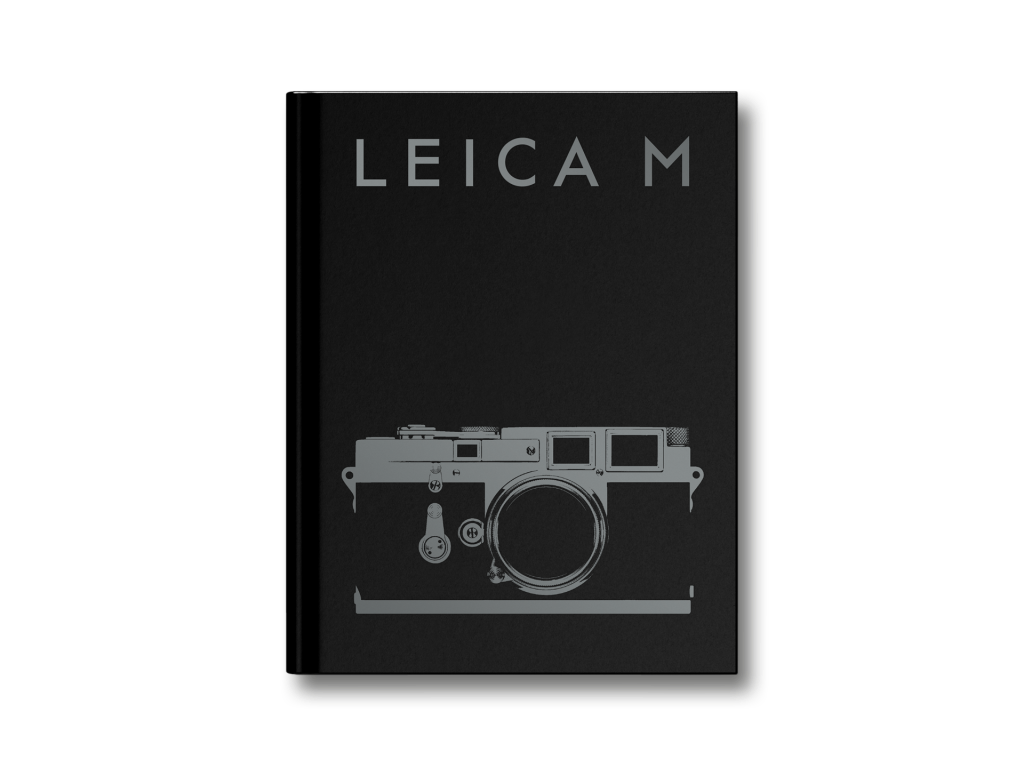
There is, perhaps, no camera design quite as distinctive and iconic as that of the Leica M rangefinder. It’s also ridiculously long-lived – the digital M11 that you can buy new today can trace its lineage directly to the original M3, which was released in 1954. To celebrate the M’s 70th anniversary, Leica has put together this beautifully produced book that’s packed full of both stunning photography and the history of the cameras. It really is a rare treat.
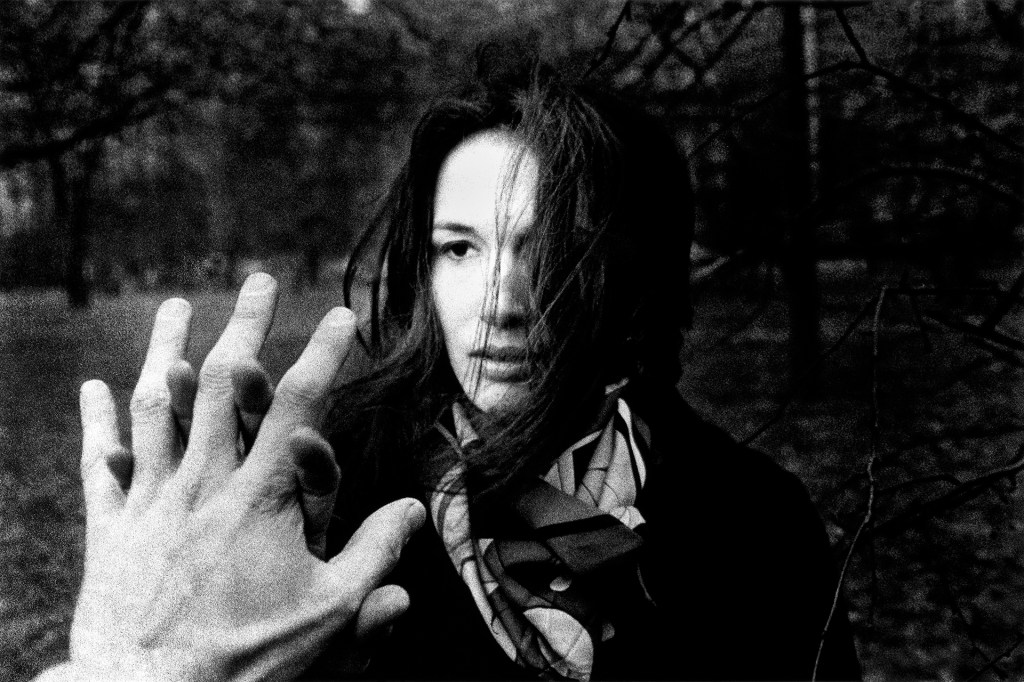
When I first picked up this book, I fully expected to be drawn into the story of how the Ernst Leitz Optical Works came to make the word’s first practical 35mm camera. It’s all here, too, with fascinating accounts of how the company continued to negotiate the camera market over the years and manage the transition from film to digital with what, let’s face it, should rationally be an obsolete camera design. And somehow, against the odds, maintain the Leica’s essence as a small, discreet, street-shooter’s camera.

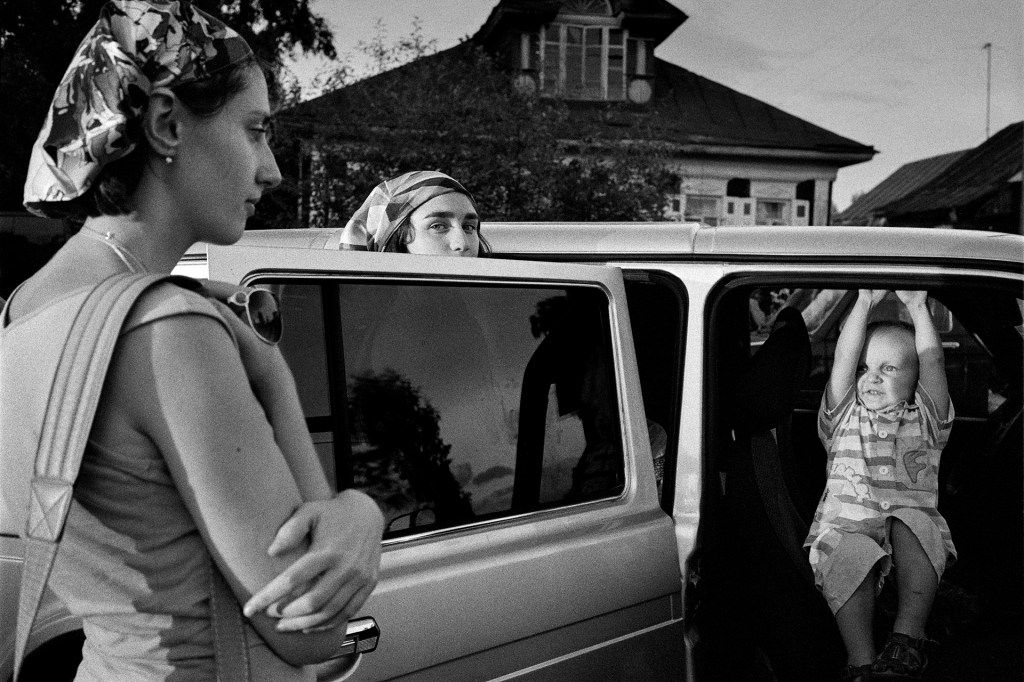
But in a way the cameras are just a sideshow here. Because Leica also innately understands that they are merely tools to create images, and the book is absolutely packed full of extraordinary photography. Some if it is familiar – the likes of Elliott Erwitt, Joel Meyerowitz and Ralph Gibson inevitably make an appearance – but a great deal of it was completely new to me. There are arresting and intriguing images from all around the world by perhaps lesser-known names: Alixandra Fazzini, Fulvio Bugani, Nicole Tung… I could go on.

Sadly, this isn’t an easy book to find – it’s published in-house by Leica, and available only from the firm’s own outlets. It’s not that easy to read, either, due to a distinctly small font. But if you can get your hands on a copy, it’s worth every penny.
Available online (limited availablity).
Related reading:
- 100 years of the most significant Leica Cameras from 1925-2025
- Like a Leica – copies, replicas, and fakes of the World’s most famous camera
- How the World’s first Leica camera came to be (and changed photography forever)
- Best Leica cameras to buy – unique quality, style, and cost
Follow AP on Facebook, Instagram, YouTube and TikTok.