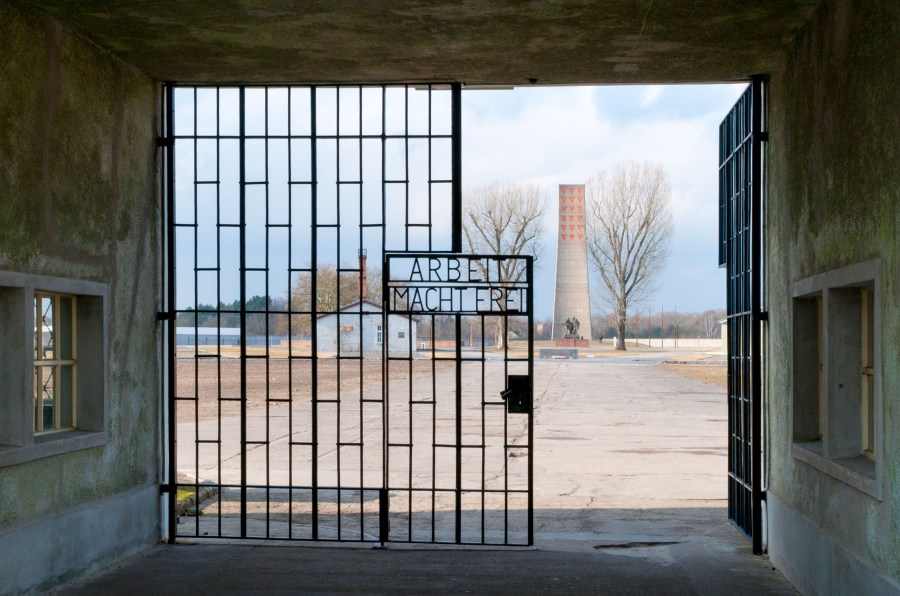
A recent surge in AI-generated images of the Holocaust on Facebook dishonours the victims and undermines genuine historical records, concentration camp memorials have warned.
German concentration camp sites have demanded that social media platforms such as Facebook and TikTok combat a recent surge of fake “photos” displaying Holocaust scenes.
In an open letter published ahead of Holocaust Memorial Day on January 27 — the 81st anniversary of the liberation of Auschwitz — some 40 German memorial sites, archives and museums warned that AI-generated images of camp prisoners were blurring the boundary between fact and fiction and risk fuelling denial of the Holocaust.
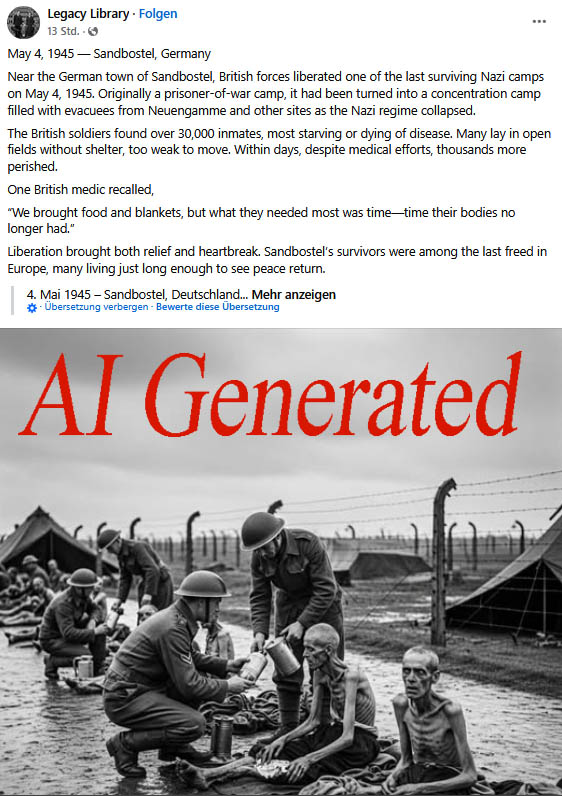
Young people in particular risked being misled because they were increasingly resorting to AI to inform themselves, the memorials said.
To the casual scroller, it’s difficult to tell whether the so-called “AI slop,” as AI-generated images and text spammed across social media are referred to, is genuine or not.
They include liberators gazing on lines of bodies stretching into the distance, roll calls in the snow, crying children behind barbed wire and prisoners with emaciated faces languishing in huts, often accompanied by AI-generated stories.
Closer inspection can unmask these deceptively sharp, well-posed and perfectly lit images. One, purportedly from Bergen-Belsen, shows a soldier kneeling over a dead prisoner who has three legs. In some images, victims share the same face. Hands are in the wrong place. Some faces in the background are computer-distorted.
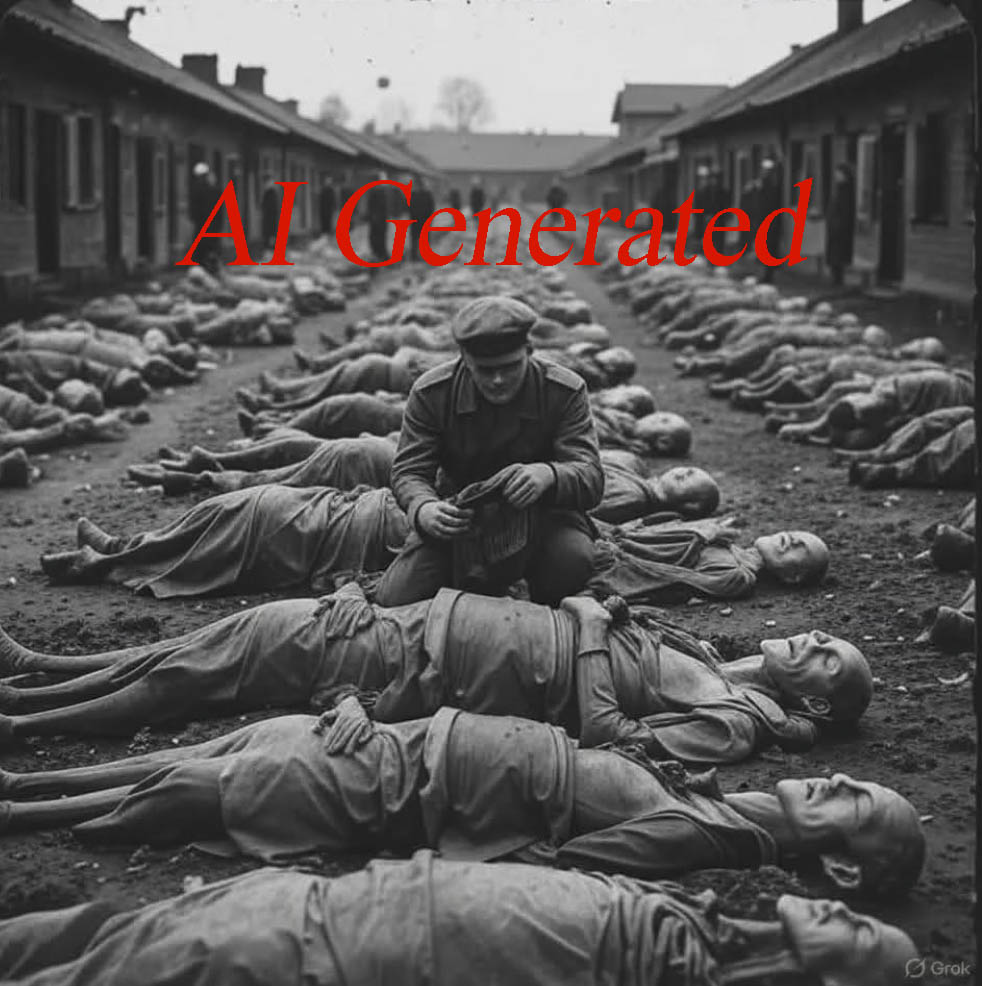
Their sheer quantity betrays them too, given that there are only a handful of genuine photos from inside Auschwitz during the Second World War.
The aim of the creators is to earn money through social media content monetisation programmes that reward images and text that generate a lot of clicks.
Such disregard for the victims is contemptible in itself, warn historians. But the wider impact is far more dangerous because fabricated images undermine the credibility of genuine ones. That will play into the hands of Holocaust deniers.
“There’s a lot of outrage about arousing empathy by creating fictional Holocaust victims and scenes with the sole aim of making money,” said Iris Groschek, a historian at the Neuengamme camp memorial in Hamburg. “The suffering of the victims must not be trivialised by emotionalised fiction.”
“But the further damage that results from this, namely the undermining of the work of research institutes, historians and memorial sites, and the replacement of historical facts with visually powerful fake images, is far more dangerous. It leads people to question the truth and opens the door to relativisation and denial and thus to historical revisionism.”

In an investigation last year, the BBC tracked many of the images to the accounts of a network of Pakistan-based content creators.
The Second World War is clickbait. Just ask AI. I typed the following question into ChatGPT: “To create content for Facebook, what is the most profitable historical period to cover?”
The helpful answer came in a split second: “Most Profitable Overall: World War II” and it gave the following reasons: “Huge, global audience (Boomers, Gen X, Millennials), extremely emotional stories (heroes, sacrifice, survival), endless content angles: battles, leaders, spies, home life, untold stories, strong monetisation: books, documentaries, merch, courses.”
The Dachau concentration camp memorial site near Munich told me it had found fake Holocaust images on Facebook accounts such as Whispers of History, Old Life Revisited, History Icon, History Timelines, Old is Gold, and Legacy Library.
Whispers of History’s intro says it “shares true, human stories from the darkest chapters of the past — moments of courage, loss, and dignity that history books often overlook.”
Facebook’s page transparency feature, which allows users to track the previous names of pages, shows that it was created in March 2024 and initially named Indah Setiani, before changing its name to History Teller last June and then Whispers of History last December.
Spotting the fakes
The historian Mareike Kelzenberg at the Sandbostel concentration camp memorial said images posted before 2023 weren’t AI slops because they weren’t technically possible to create before then. She said there were a number of ways to spot fakes:
1. check if the images are too sharp (although AI has started creating images that deliberately look grainy and blurred and hence more genuine)
2. the same faces recur in an image, for example with the same mouth etc
3. no source is stated for the image
4. the perspective is wrong
5. uniforms or buildings and other elements in the image are historically wrong
To illustrate how hard it can be, Kelzenberg also pointed out this website that invites people to test their skills in distinguishing genuine photos from AI images. “WhichFacelsReal.com”
The BBC quoted one Pakistani content creator who said a Facebook page with 300,000 followers could earn its owner $1,000 USD a month if it had “premium content” catered to higher-value audiences from the UK, US, and Europe.
The camp memorials have called on platform operators to make such images reportable as misinformation via internal reporting systems and to exclude accounts that spread such content from all monetisation programmes.
They also want the content always to be labelled as AI generated and removed if the labelling requirement is violated.
“AI fakes of Holocaust scenes are probably just the beginning of a bigger problem with historical photographs,’ said Uwe Neumärker, director of the Memorial to the Murdered Jews of Europe in Berlin.
The greatest danger was that people would no longer be able to distinguish between genuine documents and AI fakes. This called into question the authenticity of the entire culture of remembrance, he added.
Facebook’s parent company Meta, responding to the demands, told German television that it had deleted a number of accounts that had been reported to it for “unauthentic behaviour” and said users who breached its community standards were excluded from monetisation programmes. It added that spotting AI-generated content was technically challenging.
TikTok said it was testing technology to embed watermarks and metadata in AI content to label it as such.
Ultimately, say historians, the best way to avoid misinformation is to ignore social media and visit the camps which offer reliable facts about the genocide that killed six million Jews.
The AI slop trend has hit the memorial sites at a time of mounting hostility towards them from a surging far right keen to play down the Nazi era.
The Alternative for Germany party, which has surged in popularity in recent years and currently ranks a close second in the polls, has accused the memorial sites of waging a “cult of guilt”.
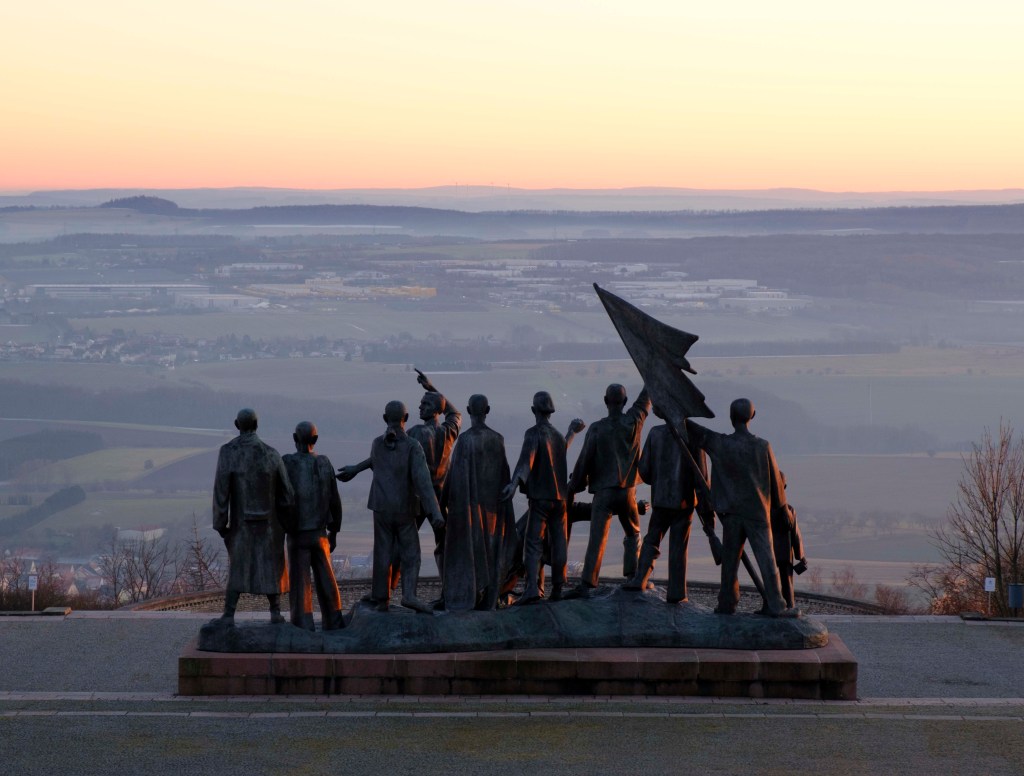
Their rhetoric is inciting violent neo-Nazis to vandalise concentration camps by daubing them with swastikas, make the Hitler salute, shout Sieg Heil, and disrupt tours by equating the crimes in Buchenwald to German suffering at the hands of the Allies, warned the director of the Buchenwald memorial site near Weimar, Jens-Christian Wagner.
He said Buchenwald, where 56,000 political prisoners, repeat offenders, Jehovah’s Witnesses, Roma and Sinti, homosexuals, Jews and prisoners of war were killed, was targeted about once a week.
In one case last year, pupils were spotted lying down in the ovens of the crematorium for selfies. One of the two boys was the son of a local AfD politician who exerted pressure on the school not to punish them, said Wagner.
Related stories:
- Generations: Celebrating the lives of legacies of Holocaust survivors
- How to use AI ethically
- This model earns £10,000 a month – but she isn’t real
Follow AP on Facebook, Instagram, YouTube and TikTok.