

March 30, 2016
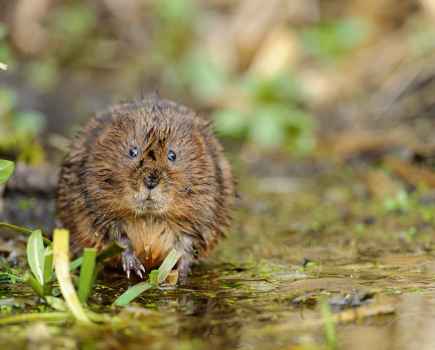
Shooting spring wildlife
Nature photographer Andrew Mason gives his advice for shooting spring wildlife.
Advertisement
Whether you’re new to wildlife photography or looking to improve your skills, we have plenty of tips and techniques to help you on your way.
We’ll also help you choose the best camera and the best lens for wildlife photography, whether you’re simply wondering which focal length to use or are looking for the best kit too.
For those already kitted out but looking for location ideas, we can also point you in the direction of the best spots to get great animal and nature shots.
If you’re a beginner, get started with our tips with our complete guide to wildlife photography, or have a go at creating black and white animal photos, or learn how to capture great bird shots in your own garden.
What is the best focal length for wildlife photography?
The best focal length depends on how close you can get to your subject. If you’re forced to keep your distance then a longer focal length will serve you much better, aim for somewhere around the 300mm or 400mm range.
How can I be an ethical wildlife photographer?
Opinions on how to behave as a wildlife photographer, wildly differ. Photographers can’t all be expected to be experts in animal behaviour but do have a duty of care. A deep love of nature is paramount, and every life form is treated with equal importance and put before any photographic pursuit.
If you’re asking yourself uncomfortable questions about whether your approach to photographing a subject is ethical, then it most likely isn’t.
What is the difference between nature and landscape photography?
Landscape photography tends to encompass whole scenes, capturing a much wider view, while nature photography focuses on much smaller elements, such as animals and plants.
March 30, 2016
Nature photographer Andrew Mason gives his advice for shooting spring wildlife.
March 29, 2016
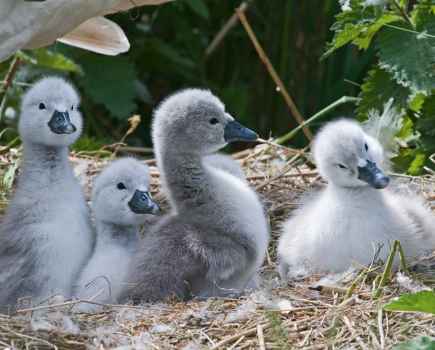
Wildlife photographer David Tipling tells us his top tips for photographing spring birds.
March 10, 2016
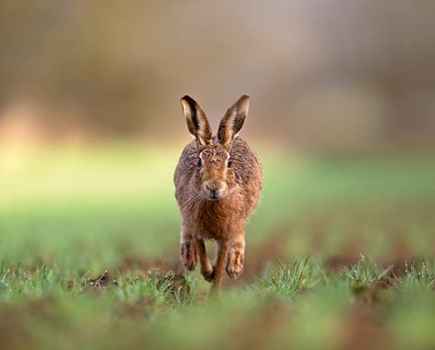
Good field skills are essential, says Paul Hobson, if you want to produce some great photographs of our British wildlife
March 1, 2016
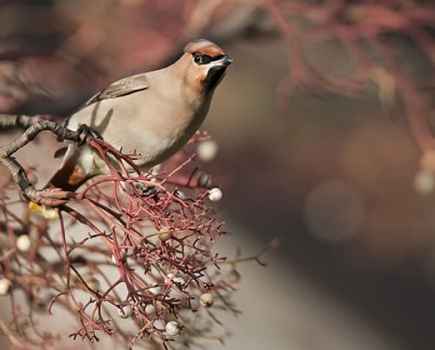
Waxwings are spectacular birds, thanks to their distinctive markings, and winter is the perfect time to photograph them, says Oscar Dewhurst
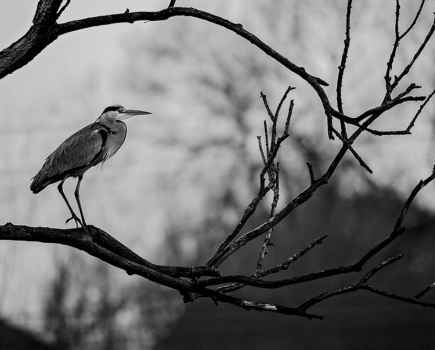
February 29, 2016
Adrian Clarke has dedicated much of his life to photographing the birds of Britain. He talks to Oliver Atwell about the techniques that help him capture the majestic beauty of these common creatures
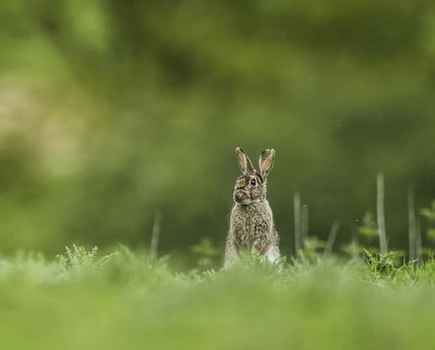
February 12, 2016
With stunning nature documentaries currently gracing our screens, wildlife photographer and cameraman Luke Massey gives his top tips on getting into wildlife photography
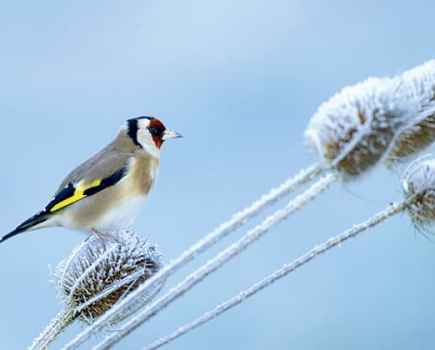
February 5, 2016
It’s easy to take pictures of birds in your garden, we tell you how to photograph garden birds, and what kit to use.
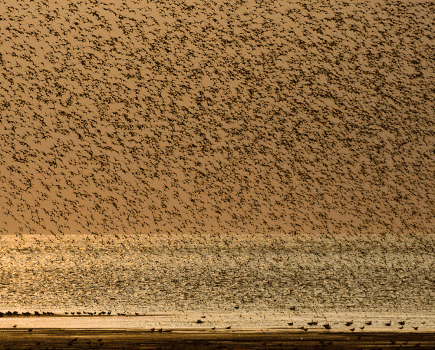
February 4, 2016
A knot roost is an impressive spectacle as the birds twist and pulse in the sky. David Tipling offers tips on how to capture it in this Wildlife Watch.
January 24, 2016
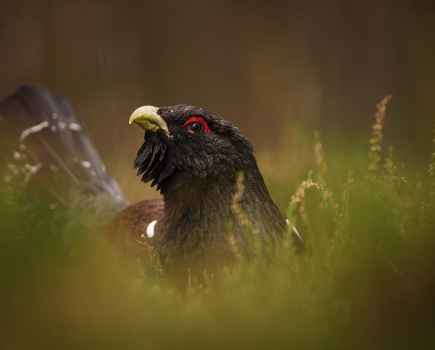
In this Wildlife Watch, Andrew Mason writes why photographing capercaillie, a famously shy bird with only a small population in Scotland, is well worth the effort.
January 16, 2016
December 23, 2015
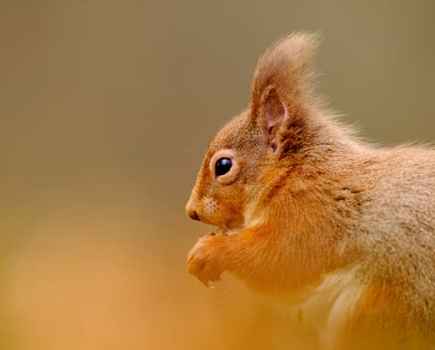
The red squirrel is one of the UK’s most photogenic animals and now is the perfect time of year to capture them, says Andrew Mason

Subscribe now and stay up to date with everything from cutting edge techniques and gear.
