From over 1,700 entrants, Tom Weller has been named the overall winner of the inaugural Canon Emerging Talent award, as part of World Sports Photography Awards competition, with a portfolio spanning Basketball to Winter Sports. As the only global sports awards dedicated solely to sports imagery, the Canon Emerging Talent Award showcases work from the world’s finest professional sports photographers aged under 30.
Weller’s winning portfolio sits alongside eight other standout collections from exceptional young photographers worldwide, covering a broad range of sporting events and disciplines. He shares more about his work and inspirations with me below…
When and why did you start taking photographs?
I became interested in photography at a very early age. It all started when I was about ten years old, and by the age of twelve I had already bought my first proper camera. Sport has always played a major role in my life. I played tennis, handball, football and went skiing.
When I was injured for a longer period of time, I started looking for a way to stay close to the action and support my team. So I simply began bringing my camera to matches and started taking photos. The response was consistently very positive, and I quickly discovered how much I enjoyed capturing the dynamics and emotions of sport.
Back then, one of my biggest goals was to photograph a handball Bundesliga game for FRISCH AUF! Göppingen, my local club here in Göppingen. Thanks to a colleague, I actually got that opportunity relatively early on. It was around that moment (I was about 14 years old) that I knew I wanted to become a sports photographer.
What draws you towards sports photography?
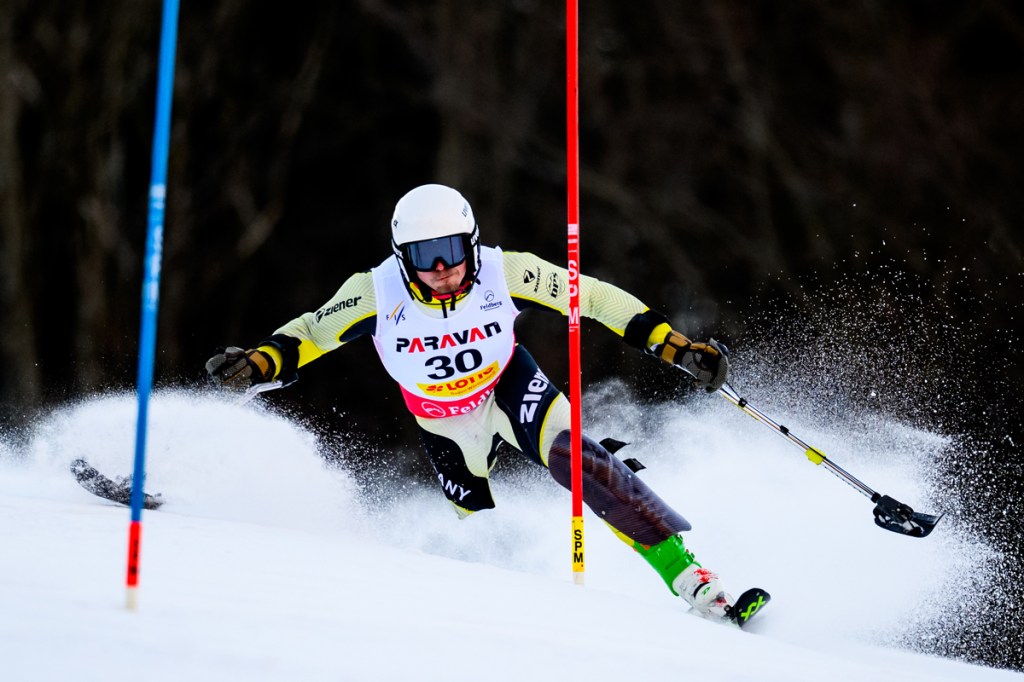
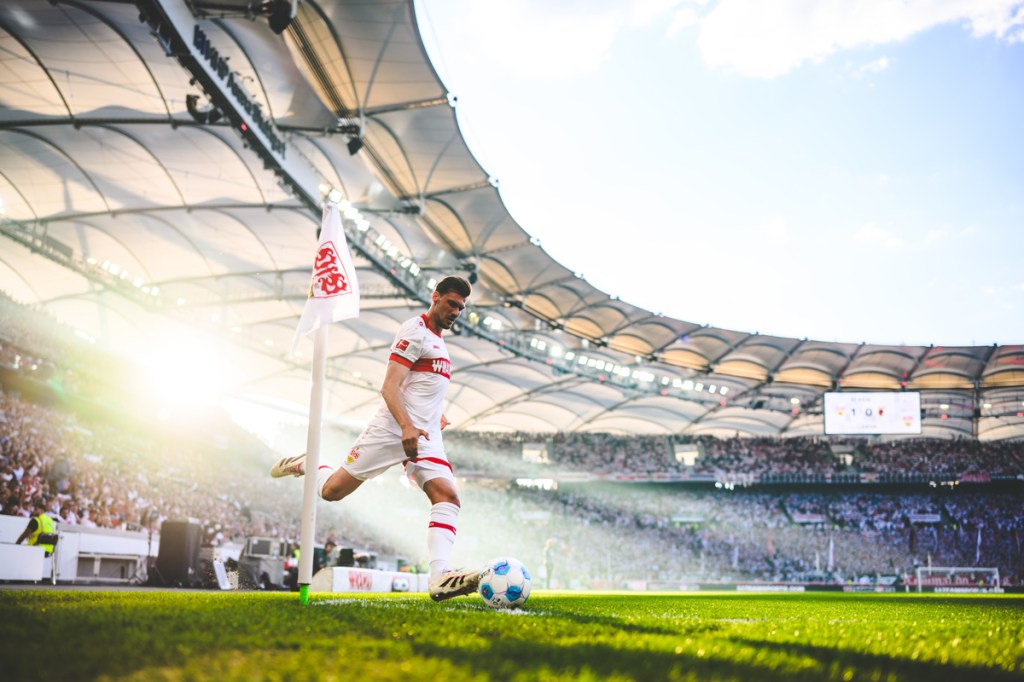
What fascinates me most about sports photography is the incredible dynamism that sport naturally brings. I find it fascinating to capture moments in a way that the human eye often cannot see.
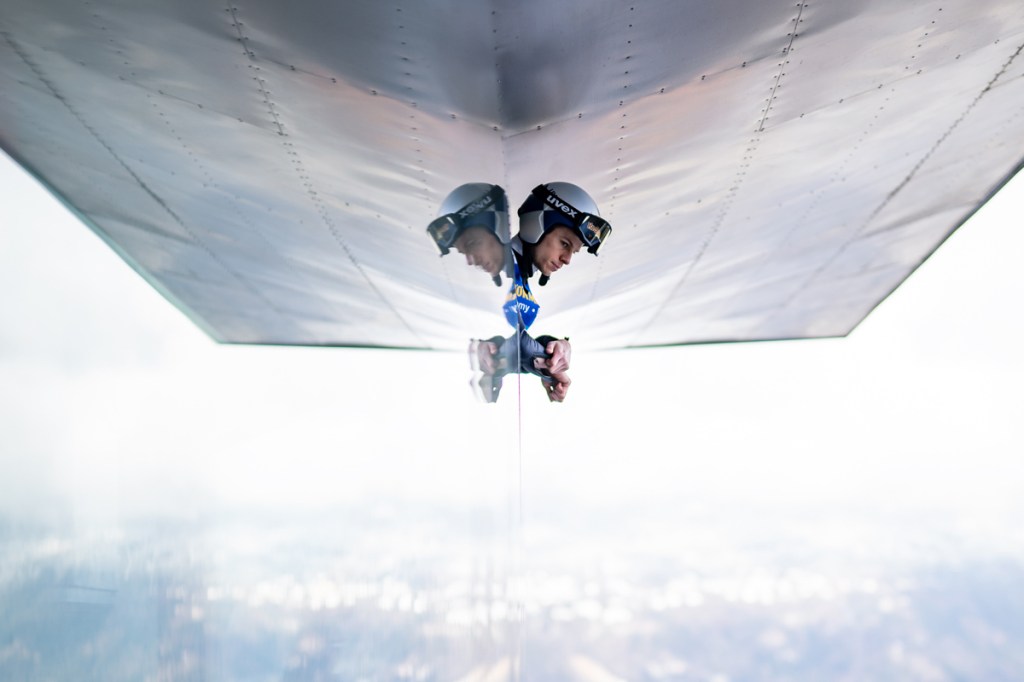
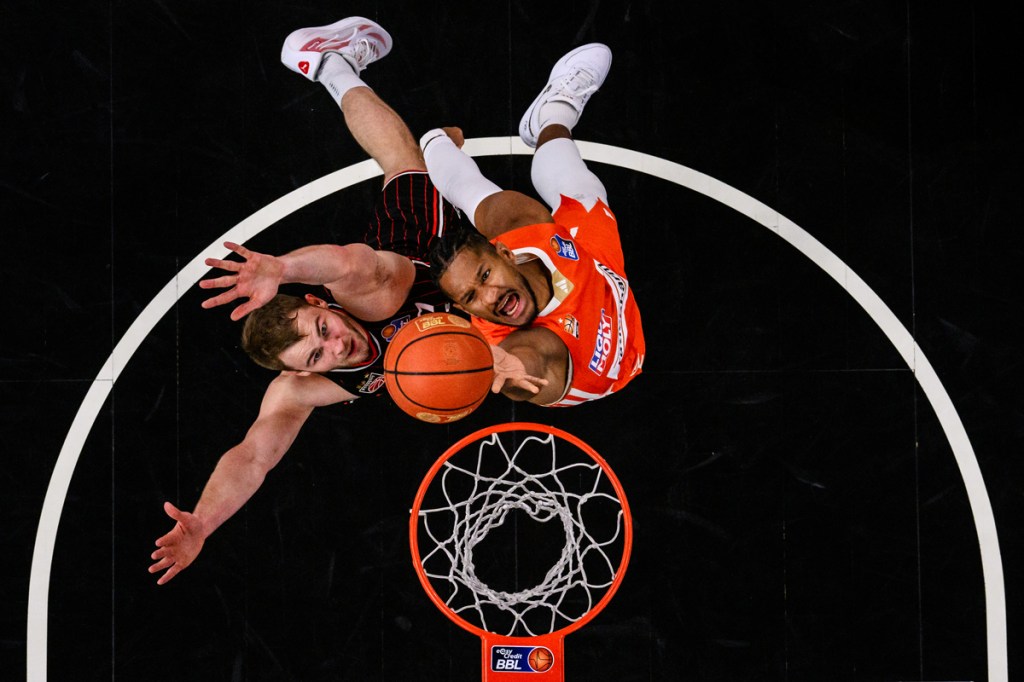
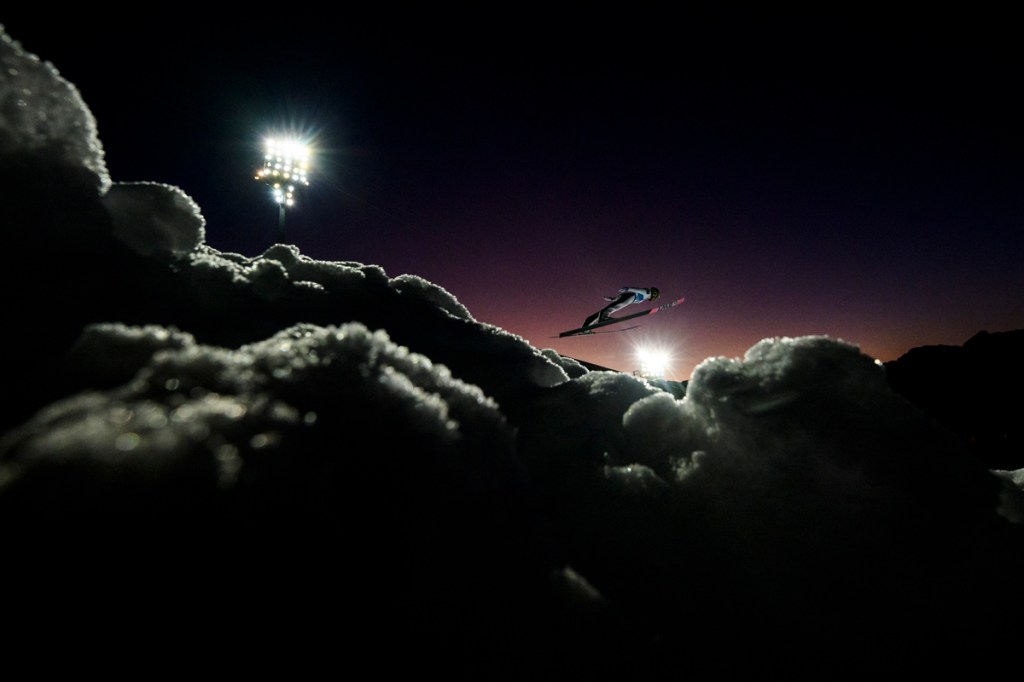
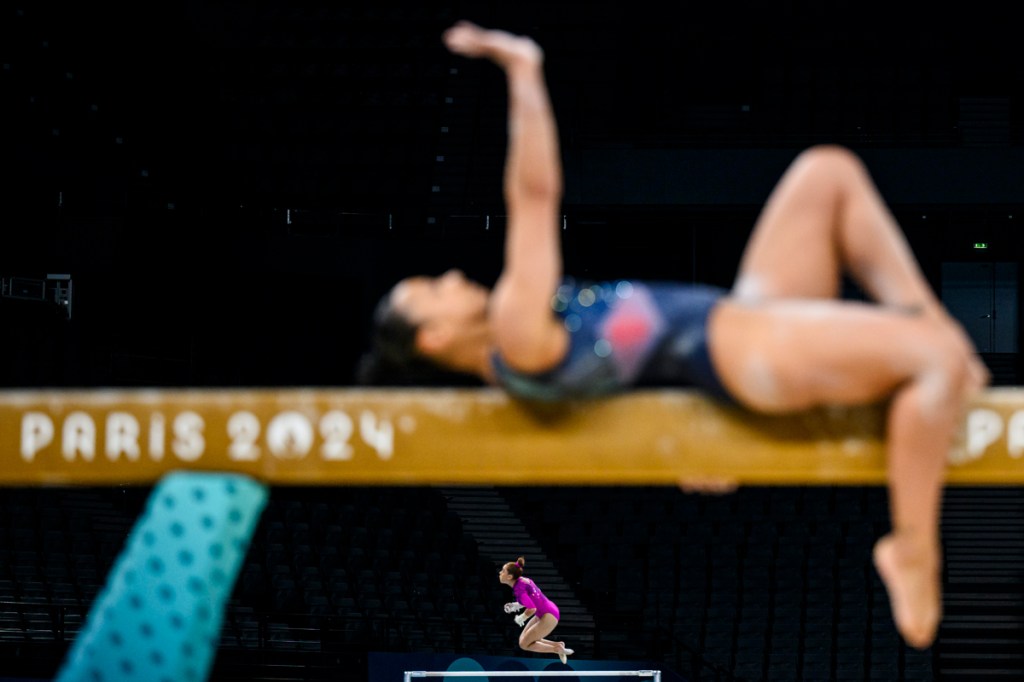
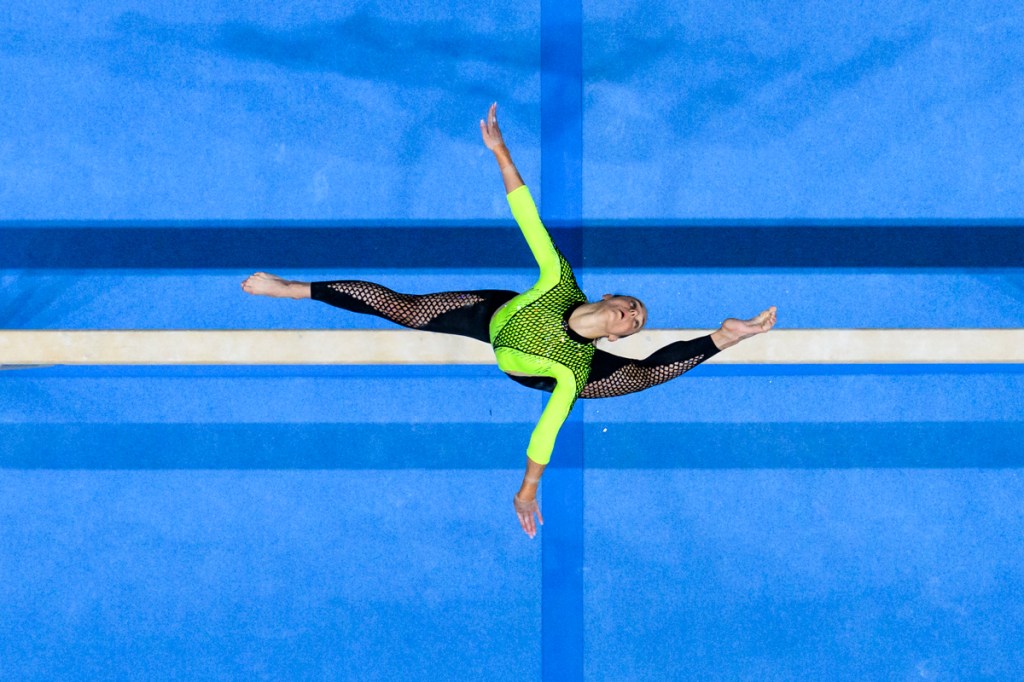
Through unique perspectives, creative shutter speeds, or the use of reflections, it is possible to photograph scenes in a way that creates a completely different visual impact. My goal is to produce images that offer the viewer a perspective on sport they would not experience either in person or on television.
This is exactly what makes sports photography so exciting for me: every event and every assignment comes with new challenges and offers the opportunity to capture unique moments in a distinctive way.
Tell us a little bit more about your photographic training (if any)?
I completed my A-Levels in Germany in a traditional academic setting. Afterwards, it quickly became clear to me that I did not just want to pursue photography as a hobby, but that I wanted to study it professionally and develop it into a career.
I therefore deliberately chose to study photojournalism in Hannover. It was important for me not only to focus on photography itself, but especially on the journalistic aspect behind it: learning how to tell stories through images.
This perspective has become a key part of my work today and continues to shape my daily approach to photography. I studied photojournalism in Hannover from 2017 to 2022.

Tell us more about your work, and winning the Canon Emerging Talent Award at the World Sports Photography Awards?
A photography award or recognition such as the Emerging Talent Award is always something very special. It is a great form of appreciation for the work you do on a daily basis. At the same time, however, it is not the main goal of my work. The focus for me is rather on consistently creating strong and creative images, satisfying my clients, and continuously discovering new and exciting subjects and perspectives.
If you stay open-minded and work creatively, the images that are suitable for competitions often come naturally. That is why I was even more delighted to win the Emerging Talent Award at the World Sports Photography Awards. It is a great honour to be mentioned alongside so many outstanding photographers and to receive this kind of recognition.
What kind of reaction has it had?
I received a great number of congratulations, including from international colleagues, which is likely also due to the global nature of the World Sports Photography Awards.
What I found especially rewarding, however, was the response from my personal circle. Many friends and people who have accompanied me along the way, and who don’t necessarily follow my daily work closely, reached out, called, or messaged me to say they had seen my work and were impressed by it. It was really nice to see that the images are also being noticed outside of a professional context.
Overall, I received a lot of very positive feedback, and I’m naturally very happy that the award generated such a strong response.
What has been your biggest photographic obstacle to date?
The biggest challenge for me in photography lies primarily in the external conditions on site. Very often, the positions for photographers are not ideal, the lighting is difficult, the angles are unfavourable, or access to certain areas is restricted. Despite that, you have to try to maintain a fresh and creative perspective in order to create strong, and ideally distinctive, images under exactly these circumstances. Images that stand out from those of your colleagues.
This challenge is a constant part of everyday work. On top of that, there is also a high level of personal expectation, especially at major events or finals. In those moments, the pressure naturally increases because you know the game or event only happens once, and certain key moments simply have to be captured.
At the same time, you also know exactly what kind of images are required. Delivering those reliably under the given conditions is the real challenge. If you stay focused and keep a clear head, it usually works well. Also because over time you build a strong trust in your own abilities.
Who are your biggest influences?
My biggest influences and sources of inspiration are primarily many colleagues with whom I regularly exchange ideas. I look at their work, discuss images with them, and follow how they develop new perspectives and viewpoints on sport. This exchange continuously inspires me and helps me draw my own conclusions and further develop my style.
An important role was also played by my first agency manager, for whom I worked as a photographer at the age of 16. He taught me a great deal about the fundamentals of a classic sports photograph and how a strong image should be composed.
In addition, my professors and lecturers during my studies had a strong influence on me. Each of them had their own perspective, which was very valuable, as it allowed me to learn a wide range of approaches, both in terms of what can work and what might not.
What equipment do you use?
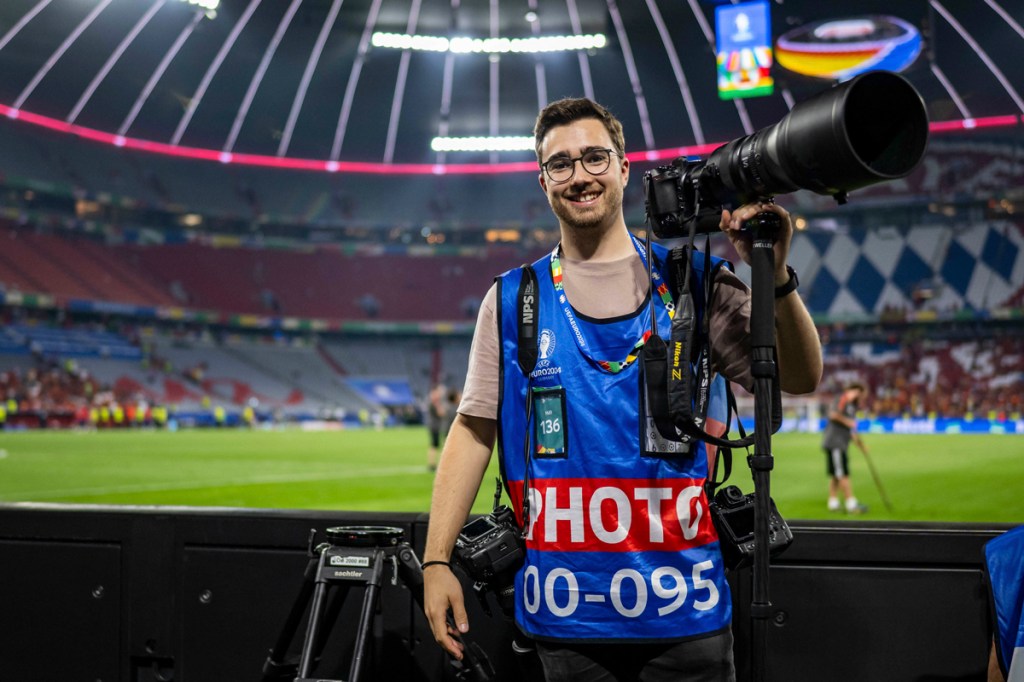
I work with mirrorless full-frame cameras and I really enjoy using fast, wide-aperture lenses. At sports events, my standard kit usually includes a 400mm f/2.8, a 70–200mm f/2.8, and often also a 35mm f/1.2.
In addition, I generally like working with prime lenses such as a 135mm f/1.8, an 85mm f/1.2, or a 50mm f/1.2. With these wide apertures, you can create a very distinctive look that gives the images their own visual style.
At the same time, flexibility is always important. With prime lenses you are naturally less spontaneous than with zoom lenses. That’s why a 24–70mm and a 14–24mm are also always part of my kit, allowing me to react flexibly in any situation.
What would be your dream equipment to work with?
I’m actually fortunate to already have everything I need for my daily work in terms of equipment, so I don’t really feel like I’m missing anything.
What has the been the highlight of your photography career so far?
As a sports photographer, my biggest goal has always been the Olympic Games. Much like the athletes themselves. When I first started out, I never imagined that I would ever reach this goal; it always felt very far away. That’s why I’m even more grateful today, and sometimes I still find it hard to believe that I have already had the opportunity to photograph four Olympic Games at the age of 26.
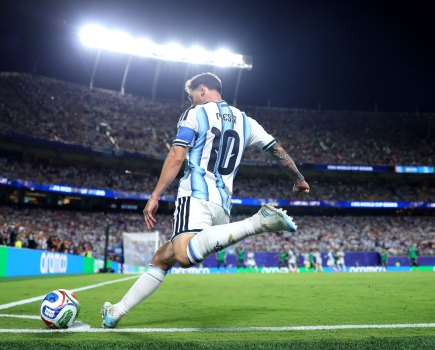
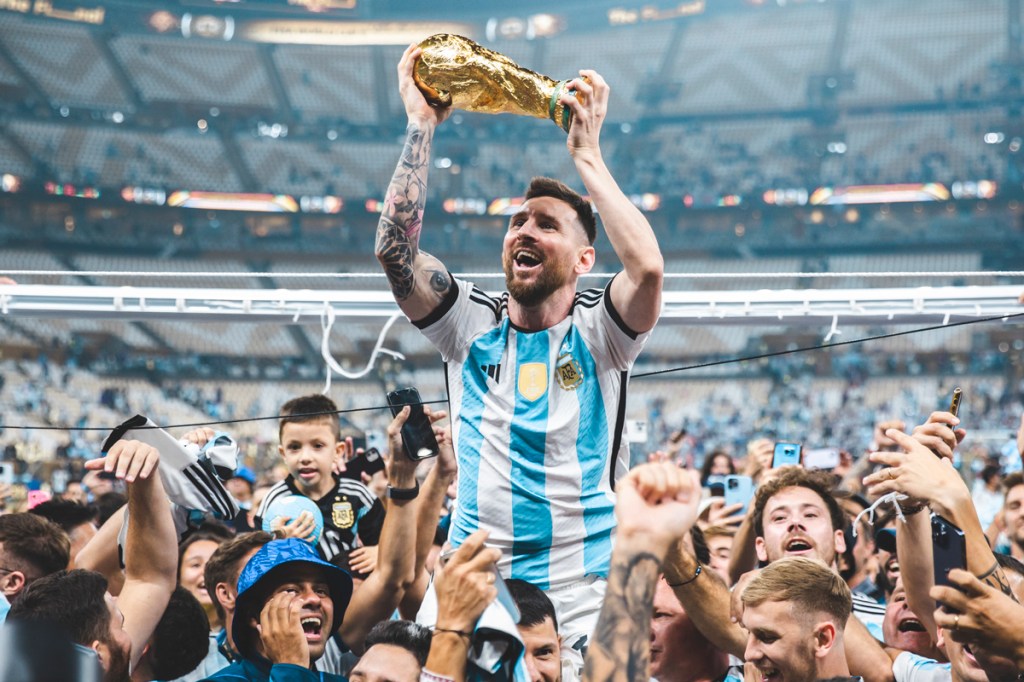
Another major highlight for me was the 2022 FIFA World Cup Final. The moment Lionel Messi lifted the World Cup trophy is something I will never forget.
At the same time, I am convinced that many more special photographic highlights are still ahead of me. There is still a lot to experience, and I’m really looking forward to that.
What are your hopes for your photography career in the future?
I hope that I can continue to maintain this open-minded and creative perspective in the future. Staying open, finding new perspectives, and constantly trying to see and approach things a little differently in order to set myself apart.
At the same time, I am convinced that photography technology will continue to develop very quickly. However, I still believe that good photographers will always be in demand, regardless of technological advancements.
Do you have a dream assignment?
I believe that every assignment and every project is exciting in its own way, regardless of what it is. Whether it’s a small local football tournament or a FIFA World Cup, every event comes with its own set of challenges.
That is exactly what makes it so appealing to me: constantly adapting to new situations and making the best out of them. That’s why I look forward to every challenge that lies ahead in the future.
What piece of advice would you give to other aspiring photographers?
My advice to aspiring photographers would be: just do it, do it, do it! Experiment, try things out, and test a lot.
Regularly seek feedback, whether from colleagues, friends, or family. This feedback is extremely valuable for your development. At the same time, it’s important to stay open to new ideas, different perspectives, and approaches.
You should not focus too much on what is supposedly “right” or on what you may have seen elsewhere, but instead find your own path in photography. The key is to maintain that creative and open-minded perspective on situations and events. I believe that this is what allows you to achieve a great deal.
Instagram: @wellertom.photos
About Weller’s winning portfolio, Richard Shepherd, Product Marketing Senior Manager, Imaging at Canon Europe, said “Tom Weller’s portfolio captures what struck me most about this inaugural competition: this is not a generation waiting to arrive. His work has a confidence and range that would stand out at any level, and he is not alone in that. These photographers are already here, driving the standard for all. Canon has always been part of the story of professional sports photography, and this award is our commitment to being there for the next chapter from the start.”
More of Tom’s sport photography:
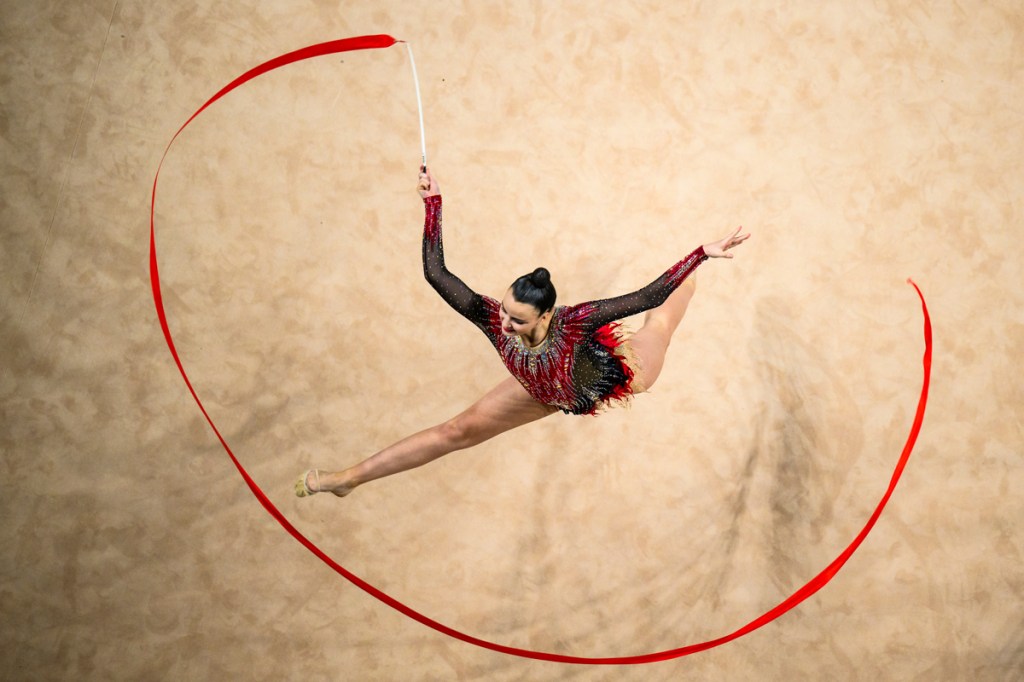
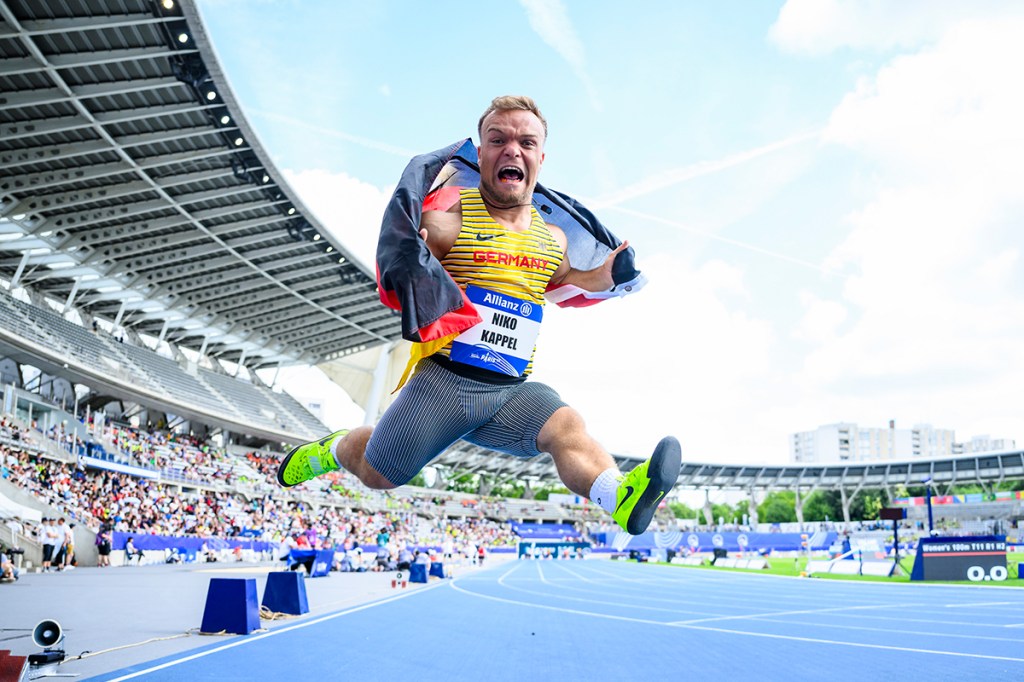
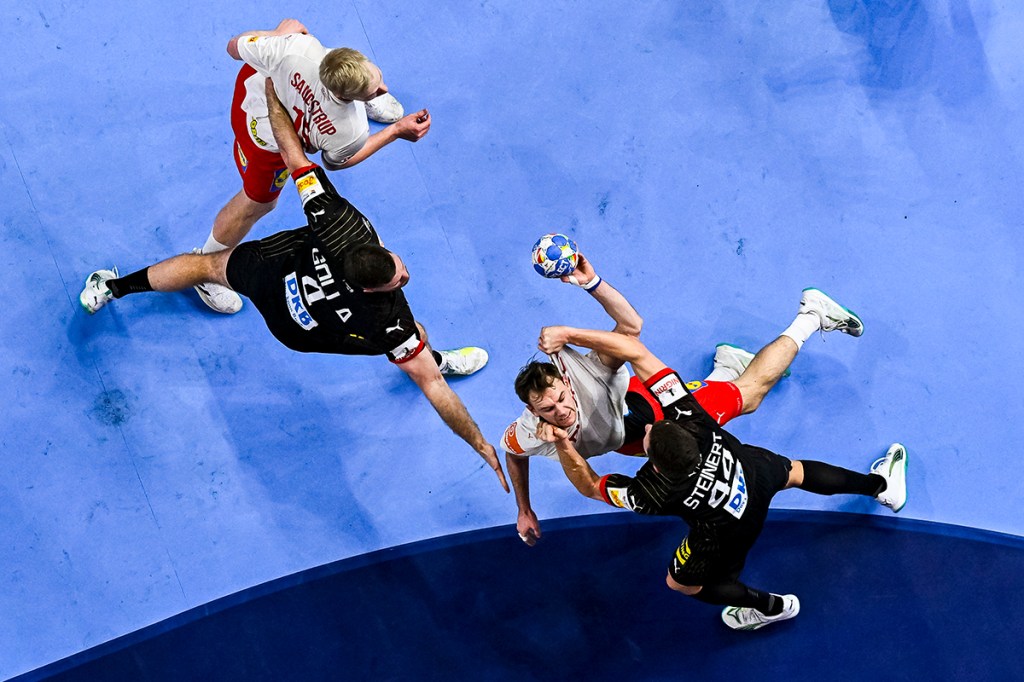
More emerging talent success stories
At the 2026 AP Awards, Nick Teo was announced as our Emerging Talent winner for this documentary-fashion work. Previous emerging photographer award winners include Ethan Parker, Aliz Kovacs-Zoldi and Tariq Sadu. Si Jubb and Ethan Parker recently spoke at our Festival of Photography: Documentary event.
More reading:
- Award winning photos share beautifully intimate moments of pregnancy and motherhood
- Getting outside with a camera is the best thing for your mental health
- These painterly landscapes will give you some much needed photo inspiration this Spring
- These fantastic wildlife photos by this young photographer document life in our fragile ecosystems
Follow AP on Facebook, Instagram, YouTube and TikTok.