When Thomas Joshua Cooper and I set out in 1974 to meet and interview the “movers and shakers” of 20th Century photography, we had no idea that the project would take four years and become a unique archive that is still in print.
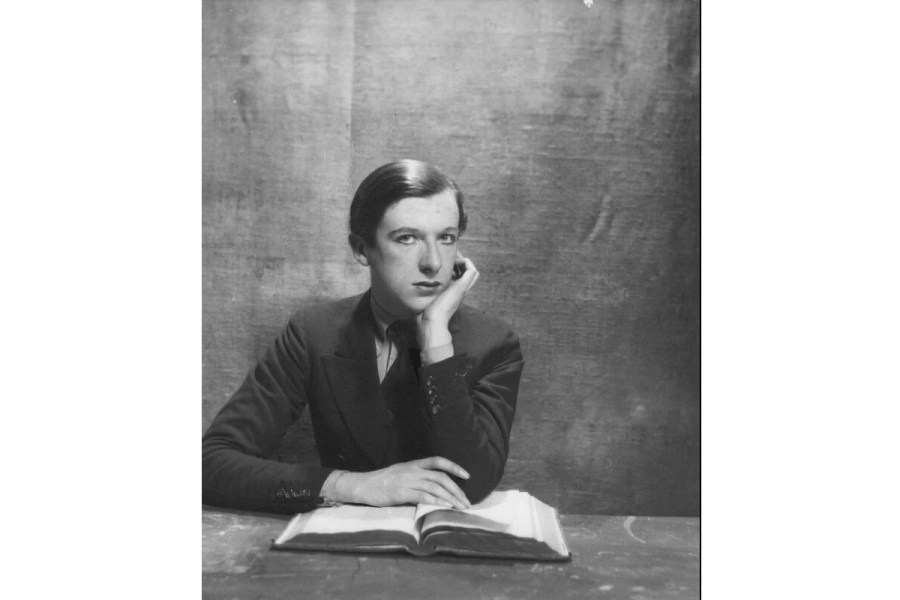
One of the interviews that took place, with the enigmatic and notorious photographer Cecil Beaton was perhaps one of the most interesting.
One of the agreements we made with the legends we interviewed was that they would be able to approve the final edited versions. This was mostly to guarantee accuracy. This had downsides on occasions, like when Helmut Gernsheim kept to our questions but rewrote the answers, which took away several revelations, and the interview’s spontaneity. However, it was a godsend when Brassai added a lot of wonderful extra content to a rather sparse interview caused when our interpreter didn’t turn up.
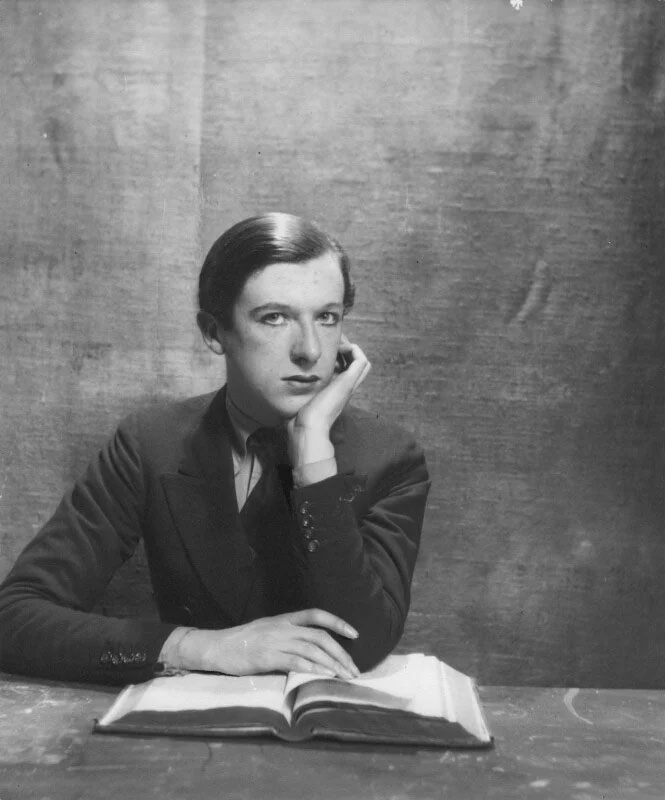
When we interviewed a rather frail 72-year-old Sir Cecil Beaton, he had just had a massive stroke, and it was a great surprise that he agreed. We had his assistant, the wonderfully indominable Eileen Hose, to thank for making it happen. Sadly his speech was mostly indecipherable, but Eileen seemed to instinctively know what he wanted to say. It was as if she was his eloquent vocal double.
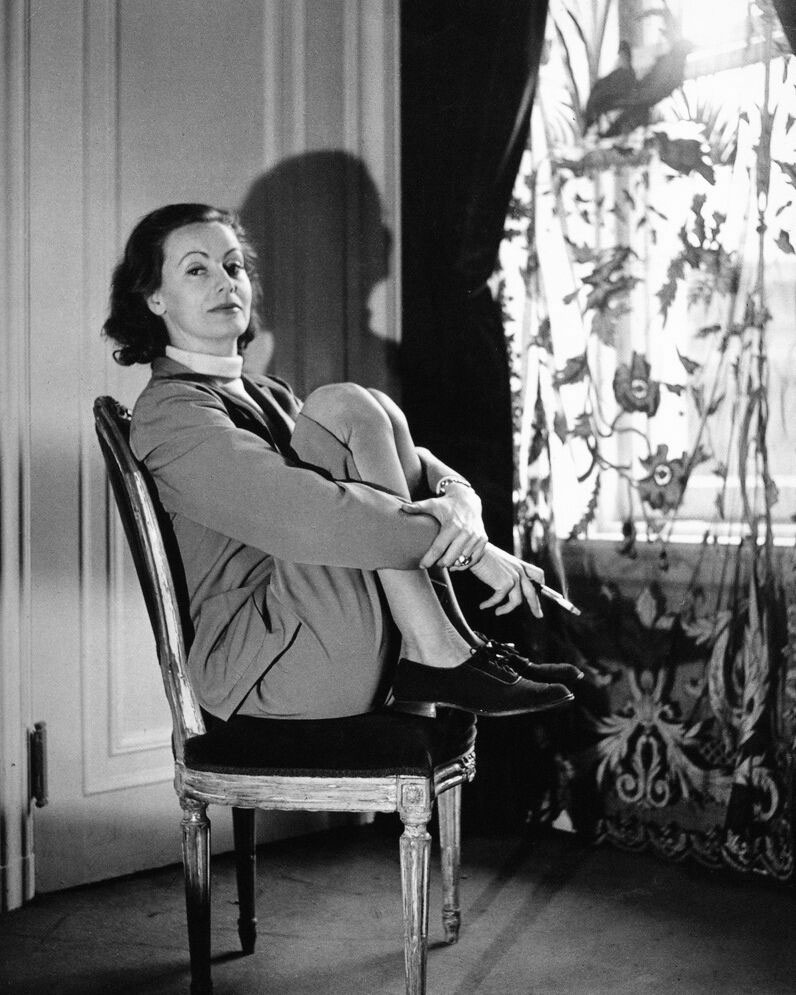
I had always been curious about the bi-sexual photographer’s relationship with the very famous, but reclusive film star, Greta Garbo. So, I asked him: “Did you propose to Greta Garbo?” He nodded. “Did she say ‘Yes’ “? He shook his head.
Eileen didn’t say a word, so the question and his response was not in the book……
In the thirties, how did you come to be commissioned to photograph the British Royal Family?
That was entirely due to good fortune. Princess Olga asked me to take some pictures of her at Buckingham Palace, where she was staying as a guest. Three days later, Queen Elizabeth, the present Queen’s mother, asked me if I would go and take some pictures of her. It was terribly overdue! I was longing for it. I had had nothing but rebuffs from Queen Mary, the wife of King George IV, but I was received with open arms by the Queen Mother, as she now is. Since then, I have photographed all of them.
What was it that you most enjoyed about photographing the Royal Family?
Well, photographing the Queen Mother was very exciting, because everything was open to one. There were the gardens, the cottages, the house, the rooms; everything was just there ready for my asking. And it was the same with other members of the family.
You’ve been well known publicly for being associated over a long period of time with one of the enigmatic characters of the twentieth century, Greta Garbo. Was it through photography that you two first met?
No. Absolutely not! I knew her pretty well before I dared to ask her to be photographed. She only said: “Will you take some pictures of me for my passport?”
Do you still keep in touch?
Yes.
Did you photograph people in a particular style right from the beginning?
Yes, right from the beginning. I had in mind that I wanted to do something completely different, completely new, something that would be completely absorbing. I did not want to make the people look like themselves, I wanted to disguise them
Were you affected by any surrealistic work that you saw at that time, or was your very individual style something that you came to through the theatricality of the settings that you were designing?
It was very surrealistic in approach, but it didn’t strike the Surrealists until about five years later, when it became much more salubrious to act in a professional way, unprofessionally!
One senses in your photographs a sense of humour about the whole process and also a sense of theatricality. Could you explain further?
I think that the sense of humour was very much based on keeping it quiet, not letting the public know about it, not letting the person know. It was that kind of humour I was using. I thought that the sense of theatricality was very important, but again, it must be played low, especially with some people.
Was this an implied social comment on the sham and superficiality that you saw in some of the personalities you photographed?
I think that’s putting it awfully bluntly, but I suppose you’re correct.
Further Reading:
- Topjaw creator’s secrets to success from foodie films to the Royals
- Uncovering unseen images from World famous fashion photographer Patrick Demarchelier [NSFW]
- Henri Cartier Bresson: The Other Coronation
Follow AP on Facebook, Instagram, YouTube and TikTok.