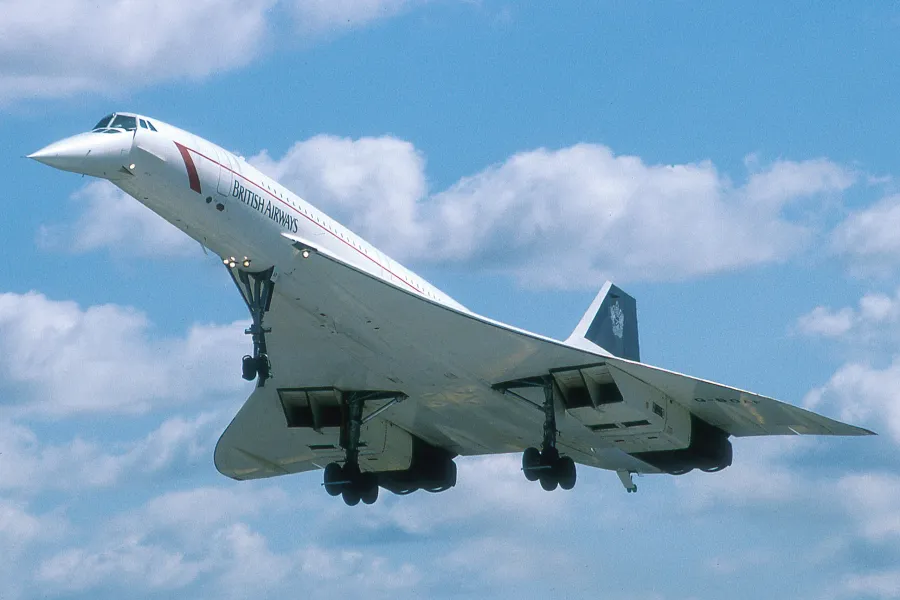
On January 21, 1976, Concorde made its first commercial flight.

The supersonic planes made nearly 50,000 flights, carrying more than 2.5 million passengers during its time with British Airways, before being grounded for good in 2003 after 27 years.

Able to fly at more than twice the speed of sound, Concorde could travel at speeds of 1354mph and was best known for its service between London’s Heathrow airport and New York’s JFK. You could travel between the two cities in just three hours – compared to around 8 hours for a regular flight.

Low passenger numbers, following a fatal Concorde crash in 2000, followed by a general slump in air travel after the September 11 attacks, were attributed to the demise of Concorde. It was also an extremely expensive way to travel, and with higher and higher maintenance costs, it became prohibitively expensive to run.

Eighteen out of the 20 Concorde planes that were built have been preserved and can be seen at various locations around the world, including Brooklands Museum in the UK and at The Museum of Flight in Seattle, USA.
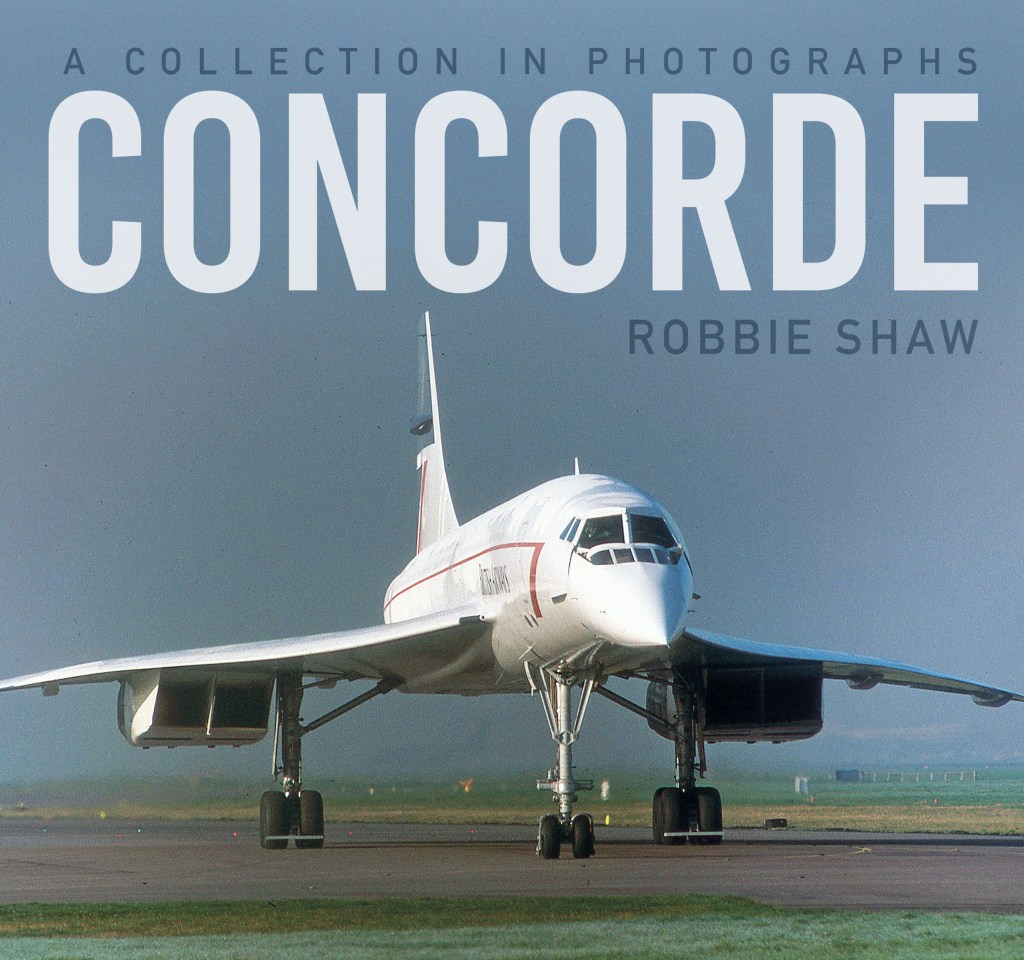
The cover of the book, Concorde: A Collection of Photographs, by Robbie Shaw

In the book Concorde, A Collection in Photographs, Robbie Shaw, a former air traffic controller and lifetime aviation enthusiast presents a huge variety of images from the history of the opulent aircraft.

Spanning a period which covers early test flights in the 1960s right up to retirement day, it also covers both British Airways and Air France Concorde, showcasing the collaboration between the two nations that helped to realise one of the most famous aircraft of all time.

More than 140 colour photographs are included in the book, many of which have never been published before.

The book’s publisher, The History Press, has been kind enough to share some photos from the book with us – scroll down to relive some memories from a time gone by.

Buy the book, available now, ISBN: 9781803998466.
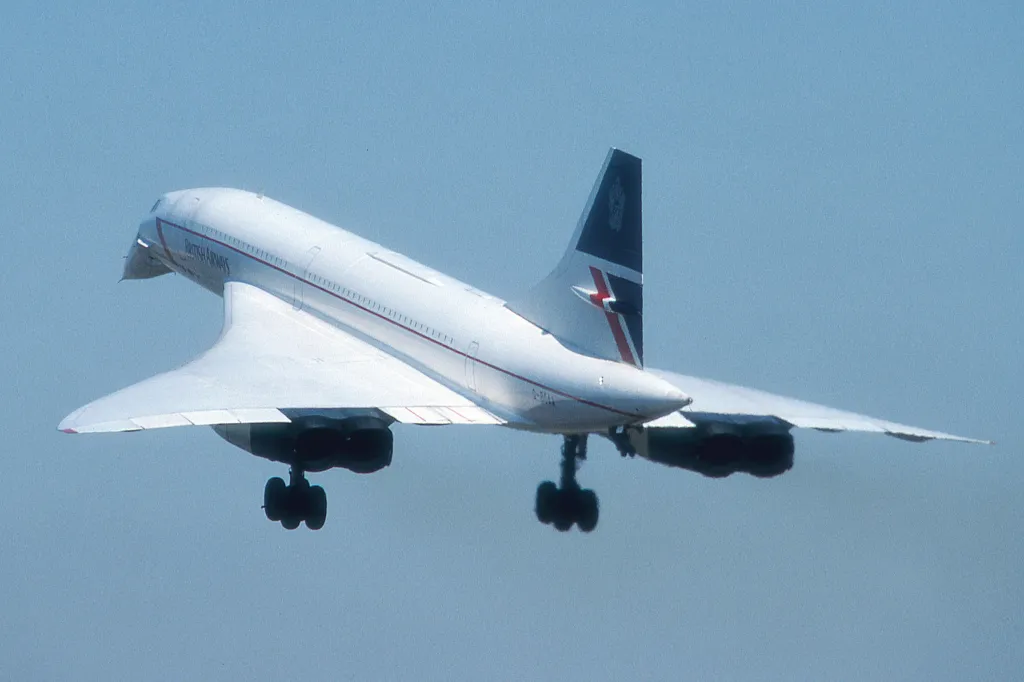
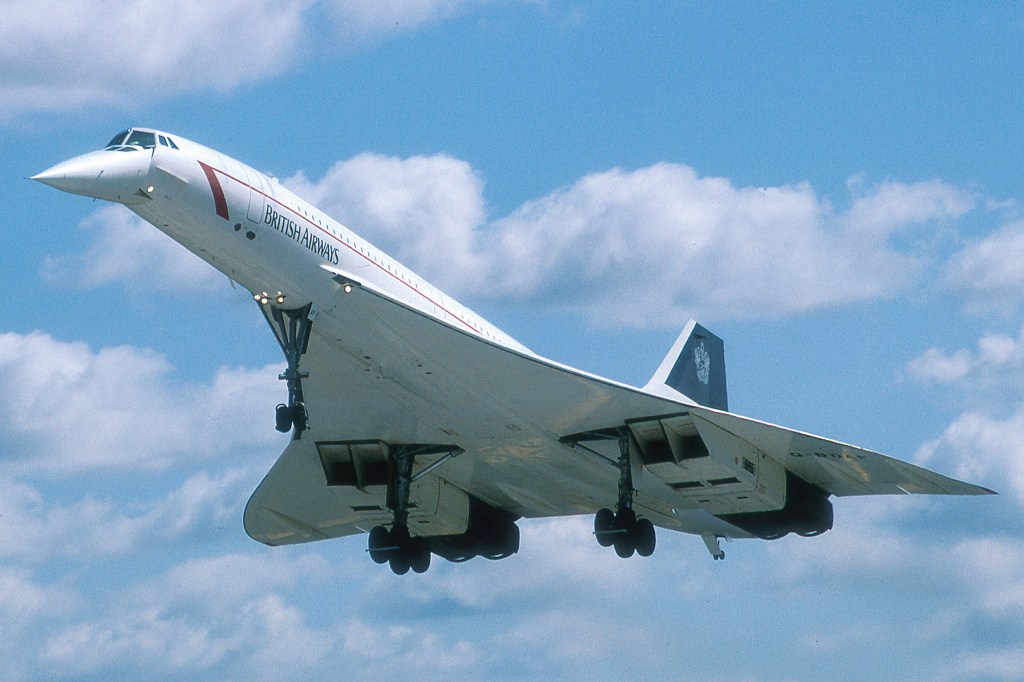
A dramatic three-quarters rear shot of G-BOAA about to land on 27L at Heathrow on 28 June 1993.
A dramatic three-quarters rear shot of G-BOAA about to land on 27L at Heathrow on 28 June 1993. Image: Robbie Shaw
G-BOAF on final approach to land at Fairford. Fairford is officially an RAF base, but is in fact operated by the US Air Force. It was once the home to KC-135 Stratotankers but in recent years plays host to Strategic Air Command deployments, including B-52s.
G-BOAF on final approach to land at Fairford. Fairford is officially an RAF base, but is in fact operated by the US Air Force. It was once the home to KC-135 Stratotankers but in recent years plays host to Strategic Air Command deployments, including B-52s. Image: Robbie Shaw
G-BOAG blasting off runway 27R at Heathrow on 6 November 1998.
G-BOAG blasting off runway 27R at Heathrow on 6 November 1998. Image: Robbie Shaw
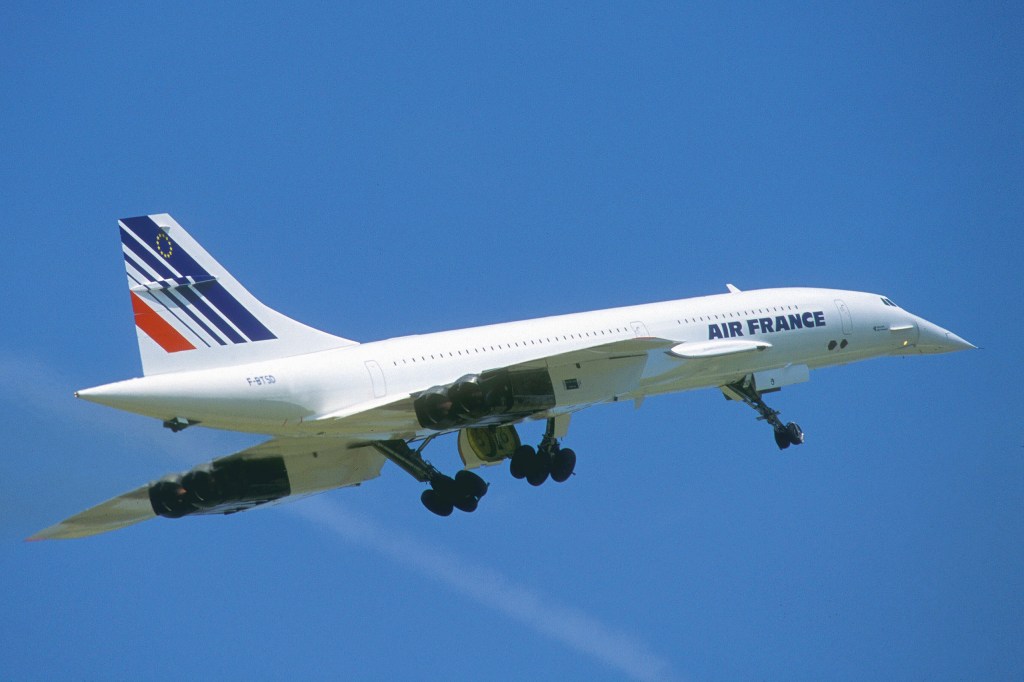
F-BTSD in standard Air France livery in June 2001. (Tom Singfield collection)
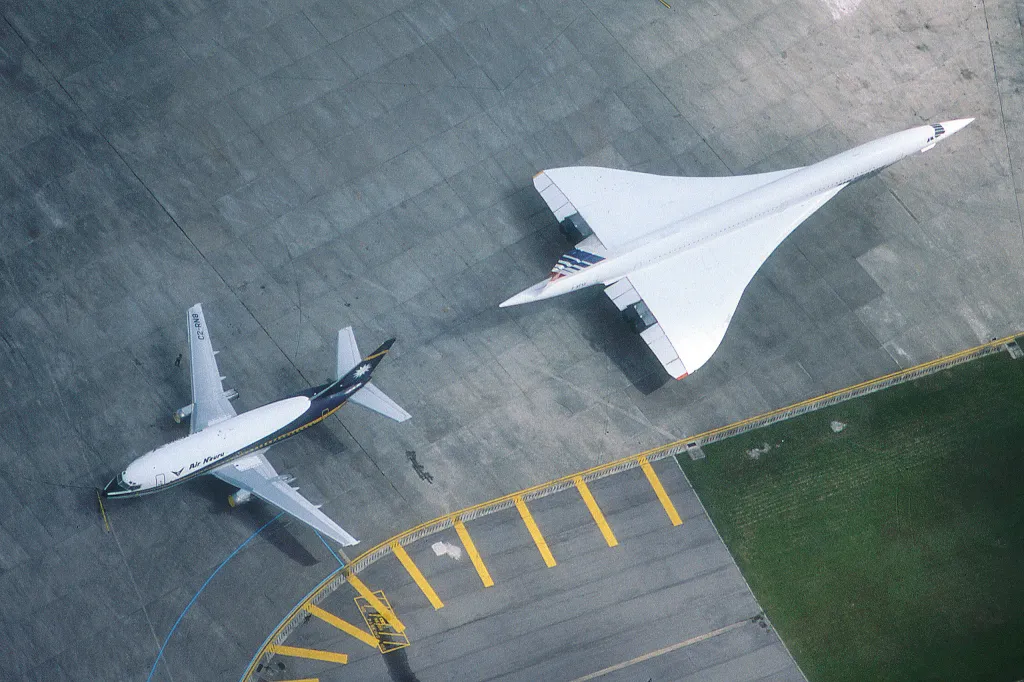
An interesting size comparison of Air France Concorde F-BTSD and an Air Nauru Boeing 737-200 on the ramp at Hong Kong’s Kai Tak Airport on 24 August 1987.
An interesting size comparison of Air France Concorde F-BTSD and an Air Nauru Boeing 737-200 on the ramp at Hong Kong’s Kai Tak Airport on 24 August 1987. Image: Robbie Shaw
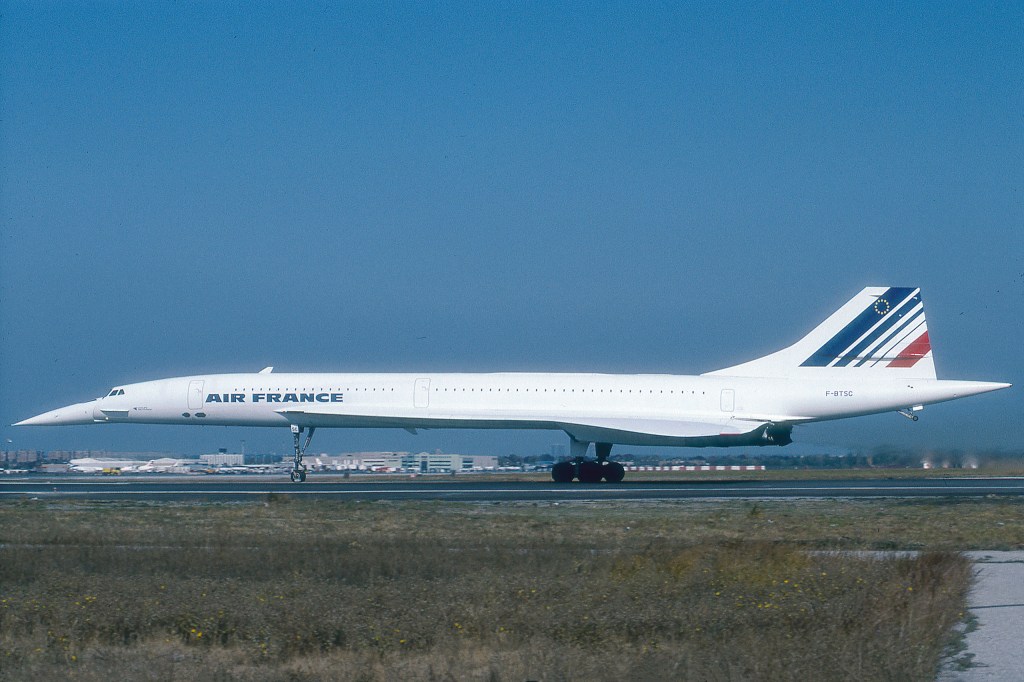
F-BTSC on its take-off roll at JFK’s runway 31L on 21 October 1994.
F-BTSC on its take-off roll at JFK’s runway 31L on 21 October 1994. Image: Robbie Shaw
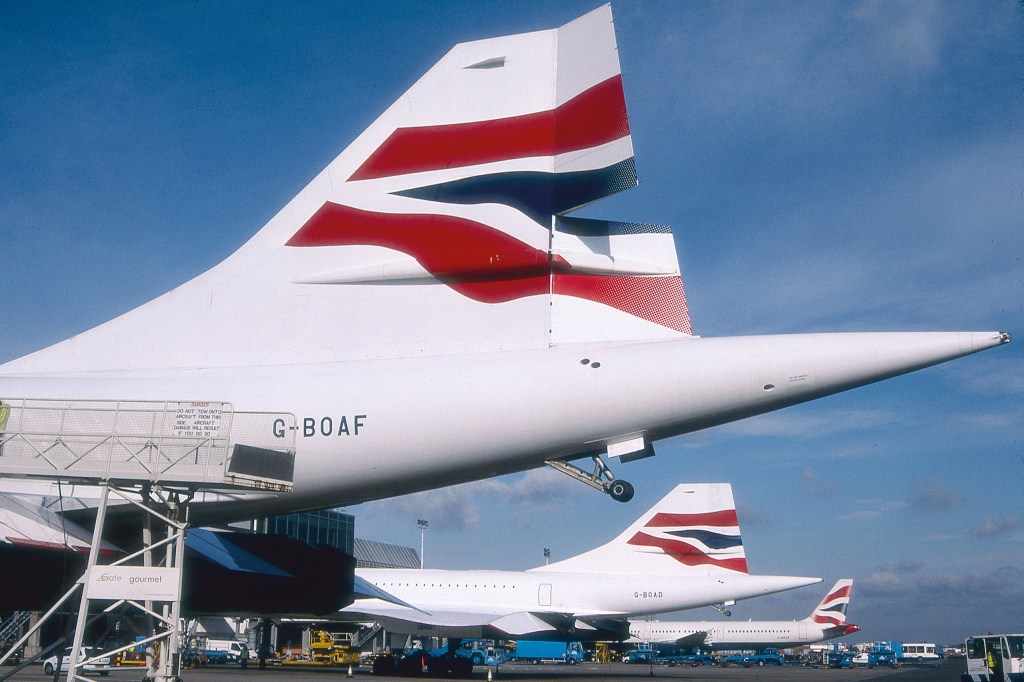
G-BOAF and G-BOAD at Heathrow’s Terminal 4 on retirement day, 24 October 2003.
G-BOAF and G-BOAD at Heathrow’s Terminal 4 on retirement day, 24 October 2003. Image: Robbie Shaw
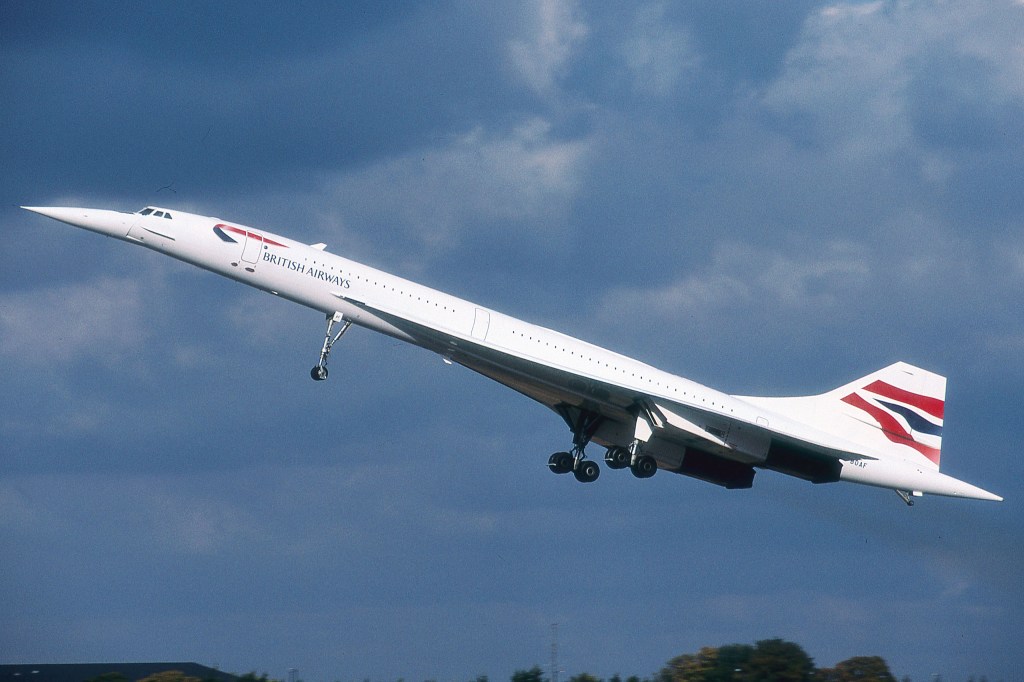
G-BOAF powering off runway 27R for a final Bay of Biscay supersonic run.
G-BOAF powering off runway 27R for a final Bay of Biscay supersonic run. Image: Robbie Shaw
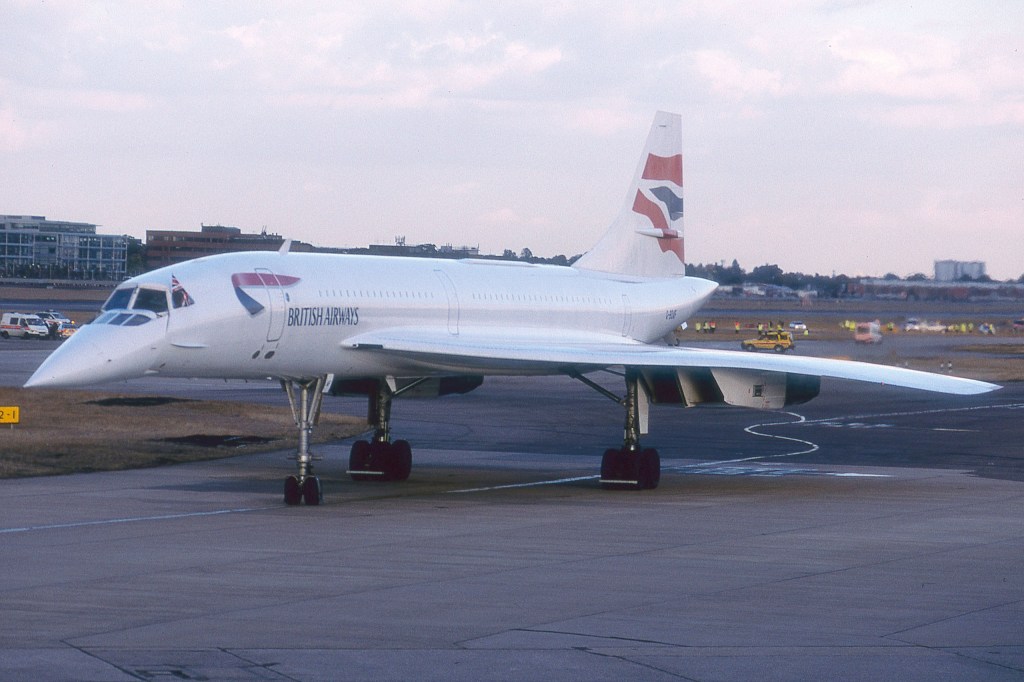
G-BOAF taxies in after a Bay of Biscay round trip.
G-BOAF taxies in after a Bay of Biscay round trip. Image: Robbie Shaw
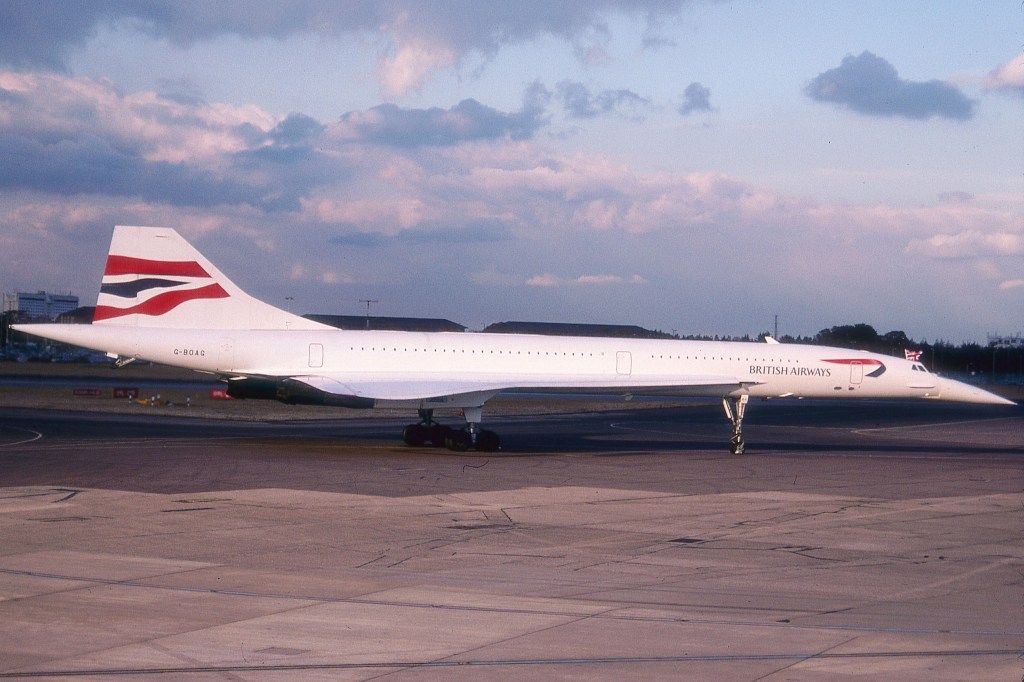
G-BOAG after landing from JFK for the last time as flight BA002.
G-BOAG after landing from JFK for the last time as flight BA002. Image Robbie Shaw

Follow AP on FacebookInstagramYouTube and TikTok.