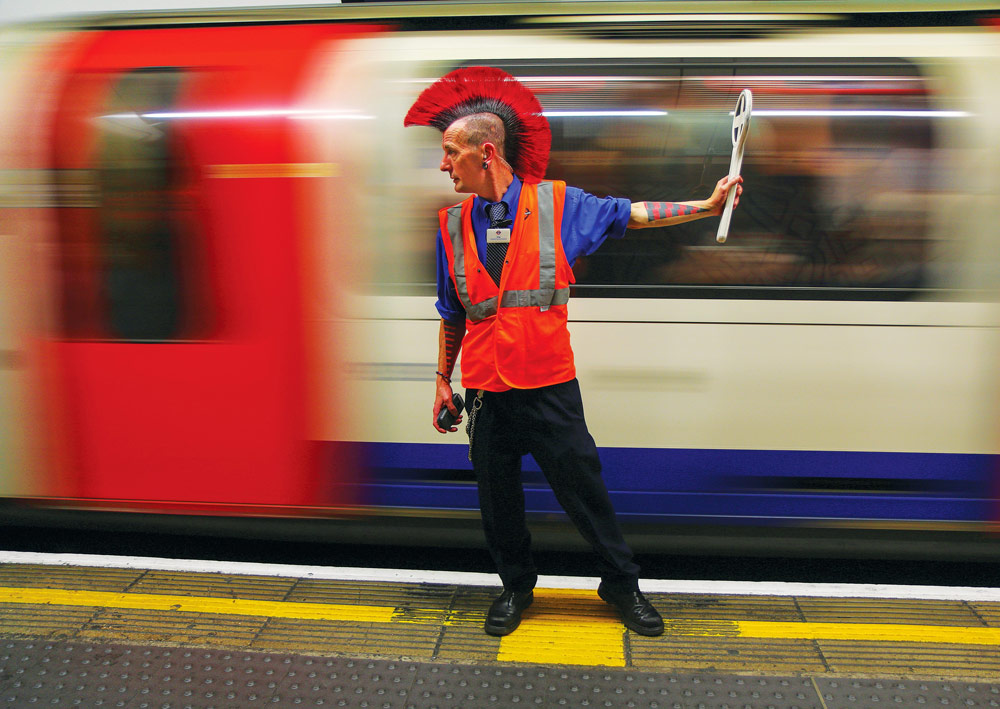
Accomplished street photographer Chris Porsz reveals the contradictory approach of UK railway and other public transport staff when it comes to DSLR and smartphone photography.
Without wanting to start on a downer, here’s something else we photographers should be worried about.
I am working on a street photography project, documenting everyday life across London, and railway stations are a vital part of that story. However as soon as my ‘fancy’ camera is spotted I am frequently (and frustratingly) challenged by staff who say it is ‘not allowed’ and asked to seek permission to shoot.
Over a decade ago. Amateur Photographer, along with the RPS, Liberty and personal heroes such as Martin Parr and Don Mc Cullin, ran a sustained campaign defending photographer’s rights. The magazine published guidance, and highlighted cases where photographers were wrongly challenged.
It obviously worked, as the Metropolitan Police later stated “members of the public and the media do not need a permit to film or photograph in public places and police have no power to stop them filming or photographing.”
This campaign also resulted in guidance that applies to all UK Network Rail-managed stations – basically, that non-commercial photography is generally permitted in stations and that no permit is usually required for handheld photography.
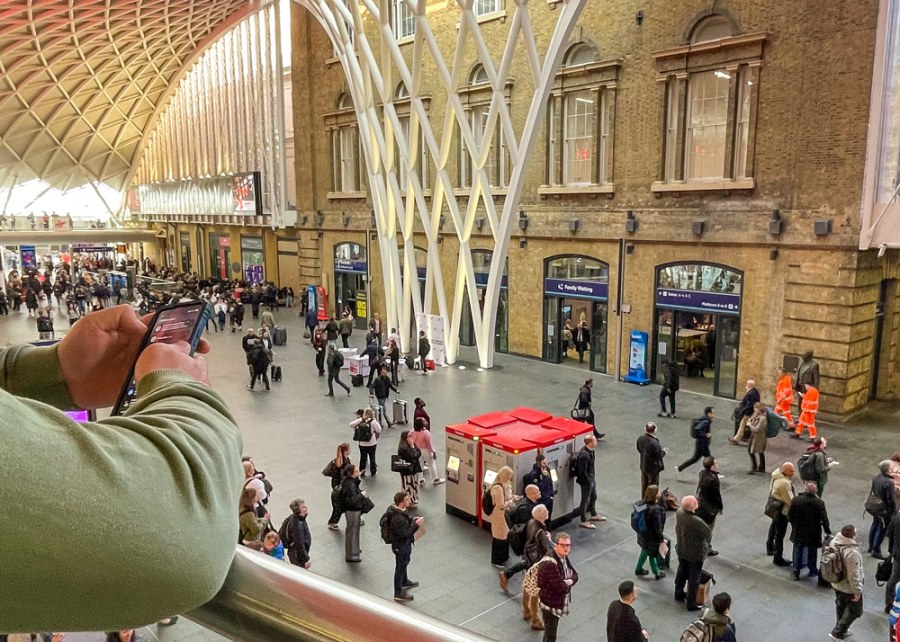
Getting cross at Kings Cross
However, at London Waterloo, Euston and Kings Cross stations, and around the UK, I have often been challenged with something like this – ‘you have a professional camera and need written permission.’
I know the easy answer is just to keep moving but sorry I can’t help myself. My polite riposte being ‘it’s my hobby, I am a minor amateur and those with malign intentions would not stand openly with a big camera around their necks but use a discreet and all powerful smartphone.’ Or words to that effect…
What is the experience of fellow photographers reading this article? I feel it reflects a big gap between modern photographic technology and outdated perceptions and rules. It is based not on what’s being photographed, but how ‘visible’ you look.
DSLRs (and mirrorless cameras) are certainly not banned, but they trigger a different category of attention. Phones blend in, while cameras stand out, so we are an easy and ‘justifiable’ target.
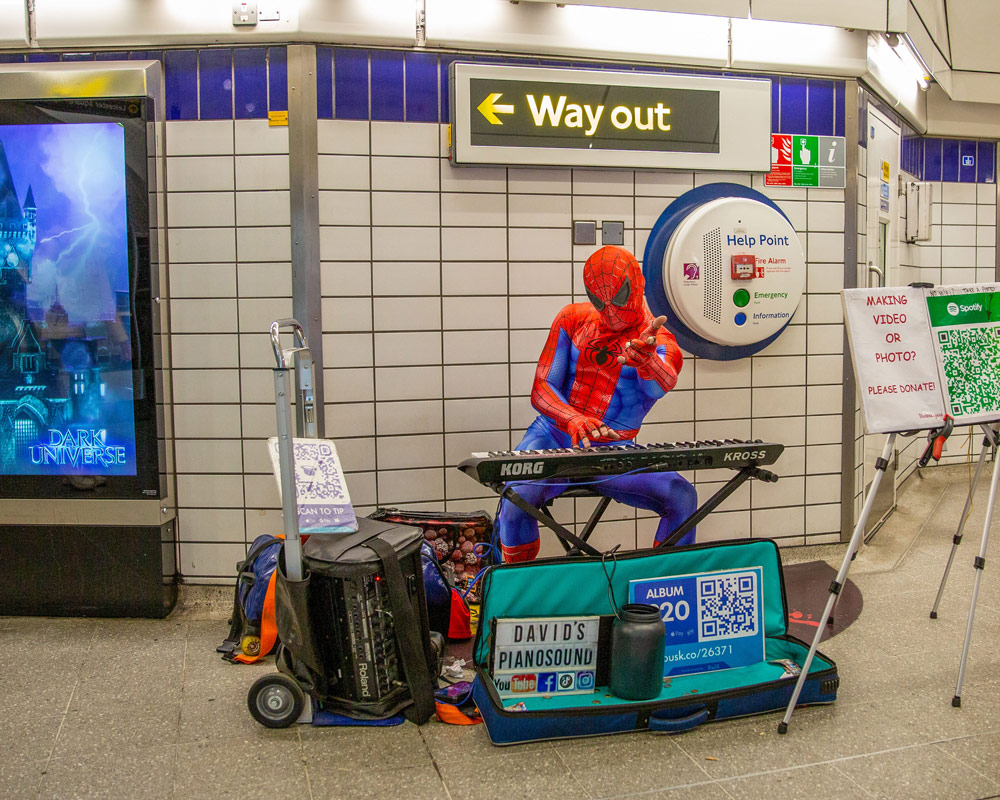
Time for another campaign?
All this feels like outdated thinking from railway staff. Clear, consistent rules from Network Rail would help ensure that genuine, non-commercial photography is allowed.
Apart from anything else, the current approach of challenging the occasional photographer may distract staff from spotting any serious potential security concerns that phone users could pose.
It’s time to normalise DSLR usage again. The more people visibly and calmly using ‘proper’ cameras, the less unusual it will appear, and the less staff will feel the need to intervene. This is exactly how Amateur Photographer helped street photography recover before – is now the time for another campaign?
About Chris Porsz
Chris is a highly accomplished and widely published street photographer, whose work regularly appears in the UK press and other prestigious publications, including international ones. He’s worked for the ambulance service for over 30 years, so manages to achieve all this while holding down a demanding ‘day’ job. Learn more about Chris’s prolific output, thoughts on photography and gear choice here.
Further reading
Chris Porsz: the inside story of the amazing street photography project ‘Reunions’
Complete guide to street photography
The views expressed in this column are not necessarily those of Amateur Photographer magazine or Kelsey Media Limited. If you have an opinion you’d like to share on this topic, or any other photography related subject, email: [email protected]
Follow AP on Facebook, Instagram, YouTube and TikTok.