‘Learning to see,’ is a well worn phrase in photography but if you could choose one photographer who embodies that, few would argue with Walker Evans (1903-1975). “Stare. It is the way to educate your eye,’ his often quoted advice, sets the tone for a substantial and thoughtfully constructed survey edited by David Company in the new book, Walker Evans: Now & Then.
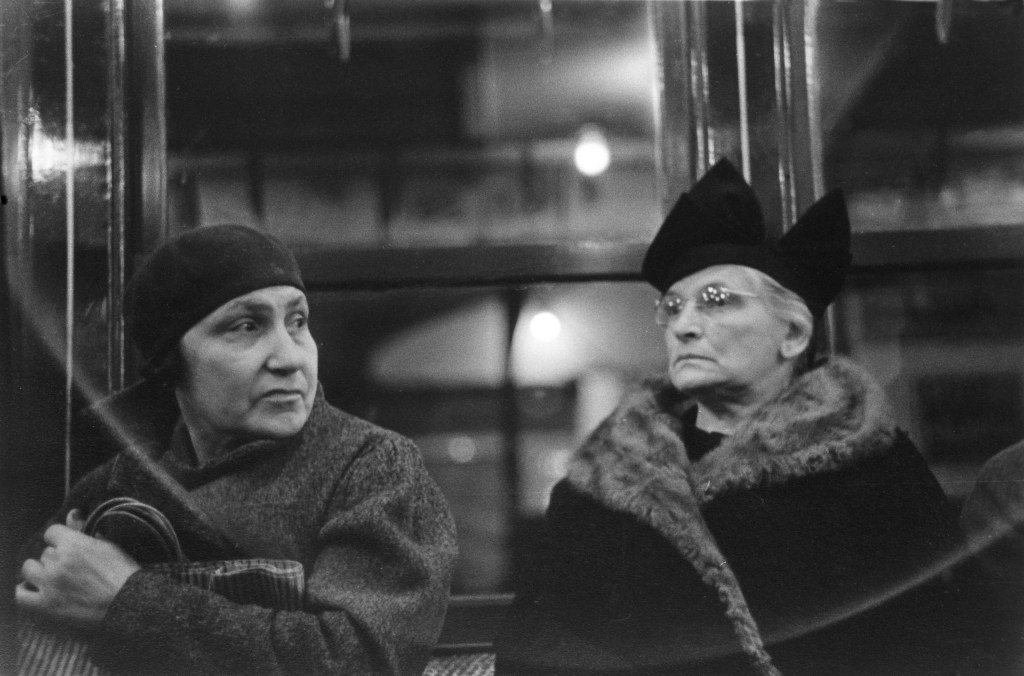
Naturally, Evans has been written about a lot and Campany doesn’t try to offer a radical reappraisal for the sake of it. Instead the book offers a concise, richly illustrated reminder why Evans is such a distinct figure in the history of photography and why his influence on contemporary practice continues to reverberate.
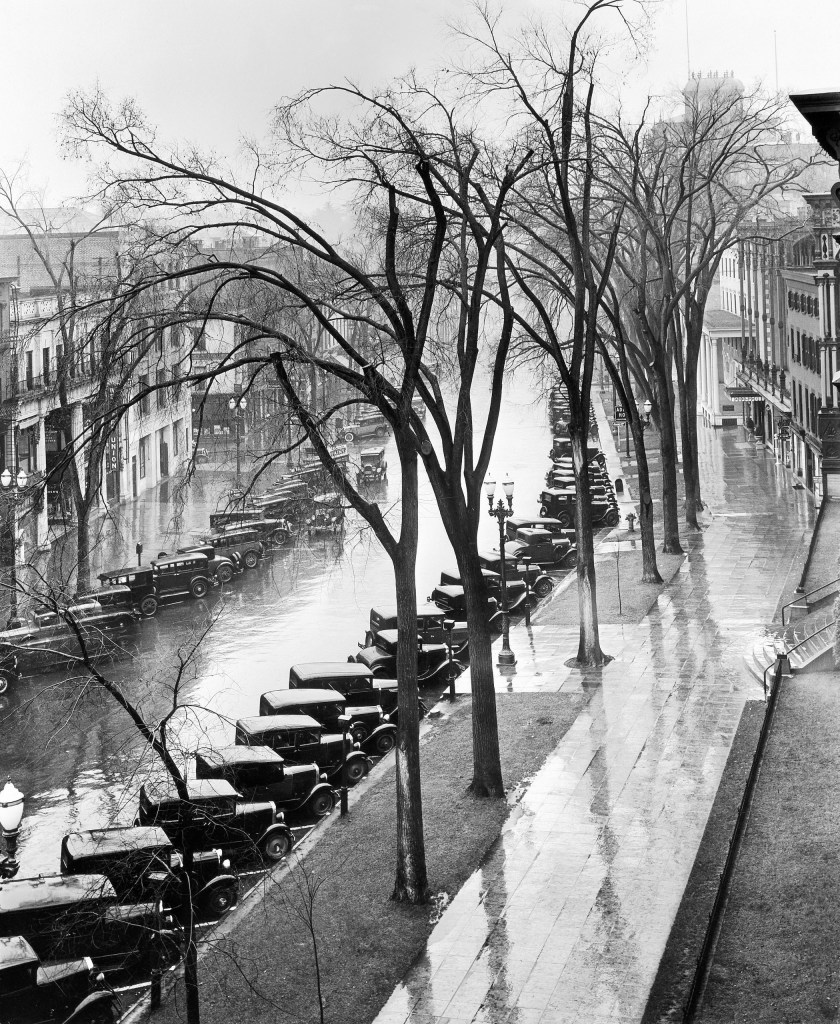
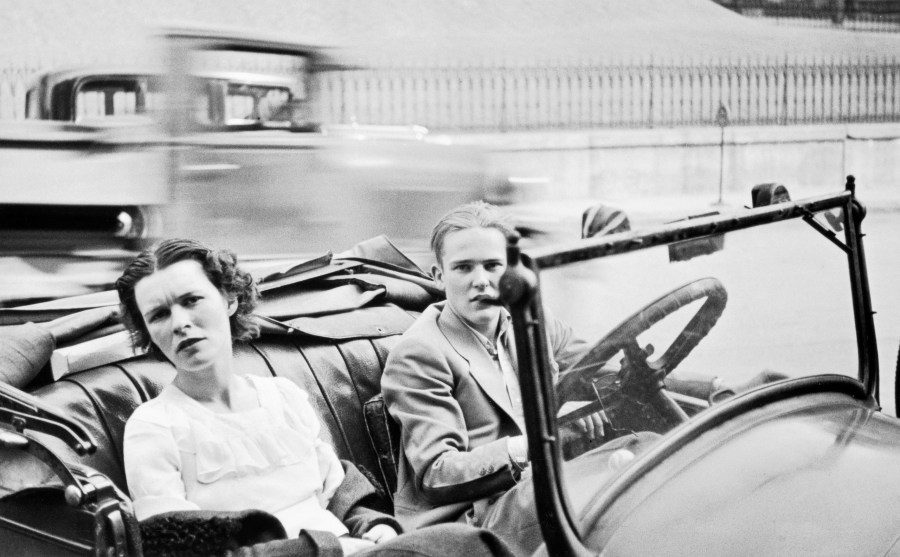
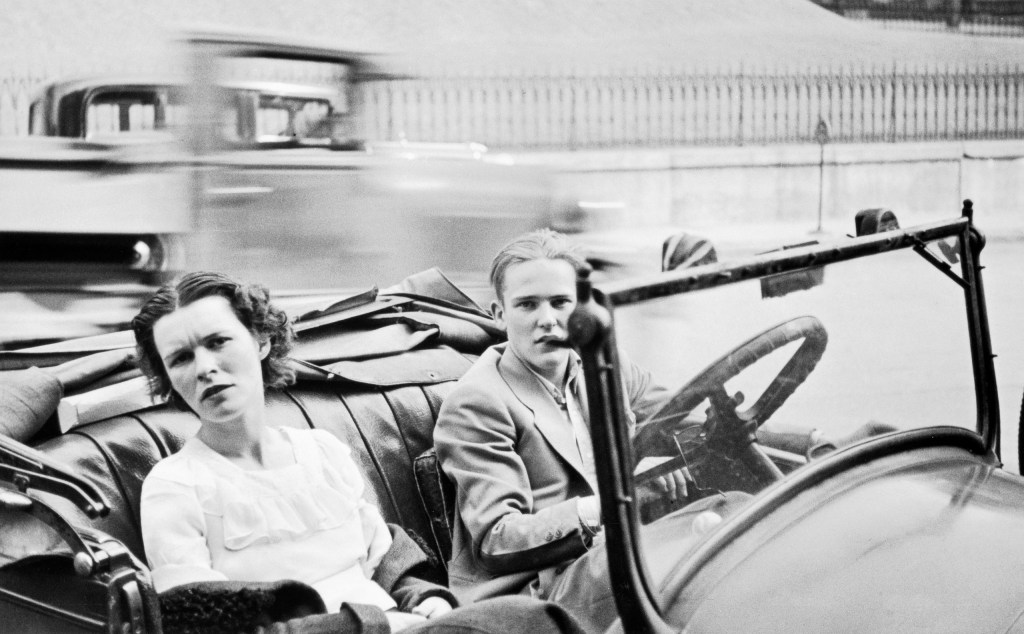
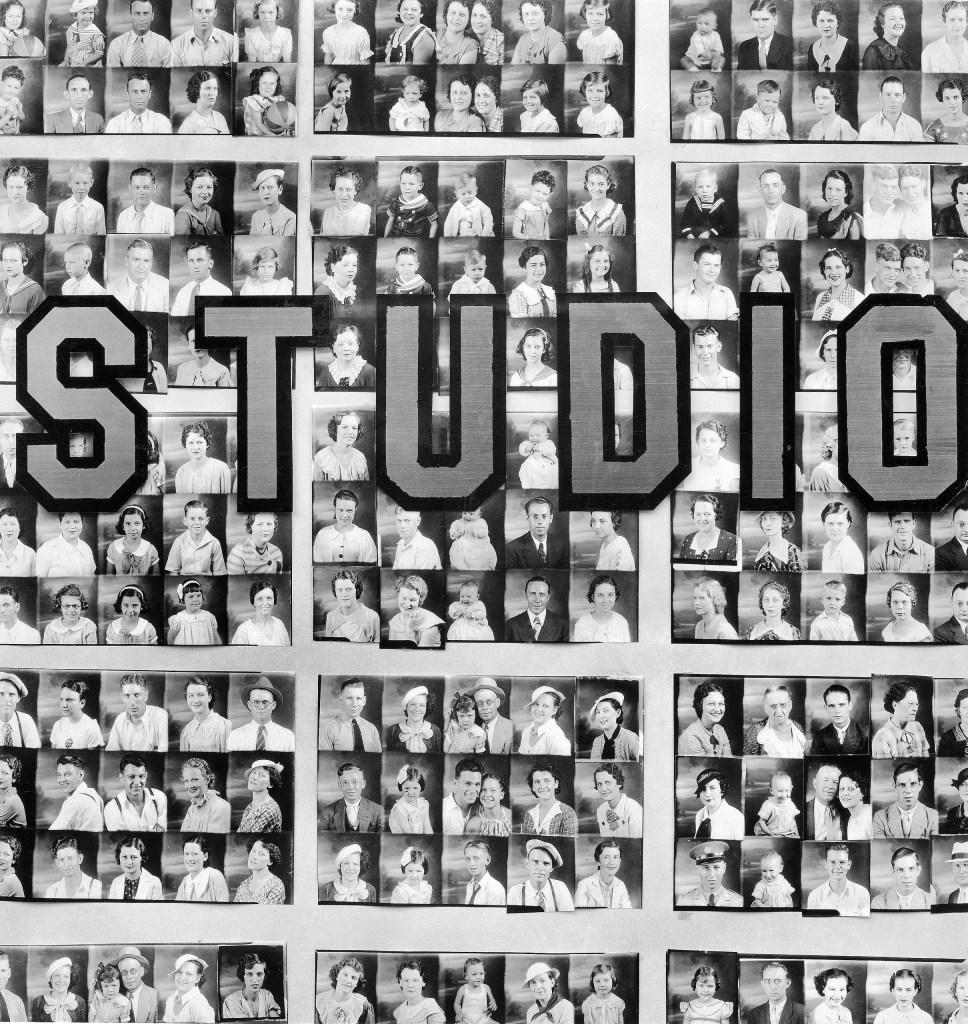
Working at his peak in the 1930s and beyond, Evans’s importance is easy to declare but hard to fully grasp. He helped define the ‘documentary style,’ a term he himself loosely used. A descriptive, direct way of photographing, loaded with meaning yet apparently neutral. His images that immediately come to mind were taken during the Great Depression in America – wooden stores, churches and farmhouses, stoic faces staring directly into lens. Often made in collaboration with writer James Agee, they have become visual DNA of the 20th Century. What Campany makes clear is that Evans was shaping how we understood the reality of that time.
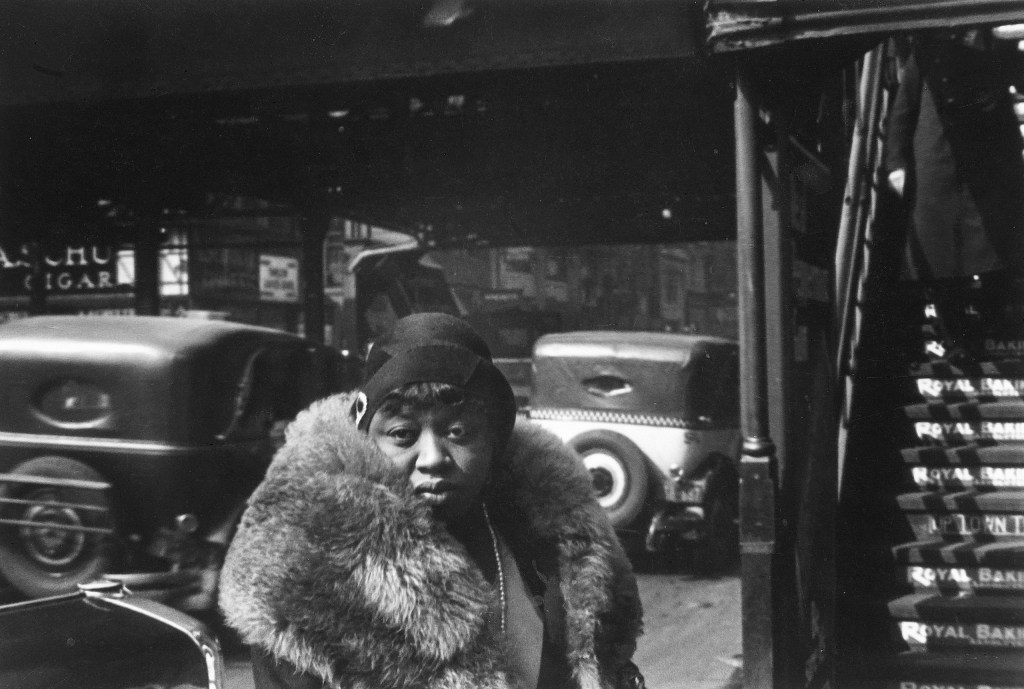
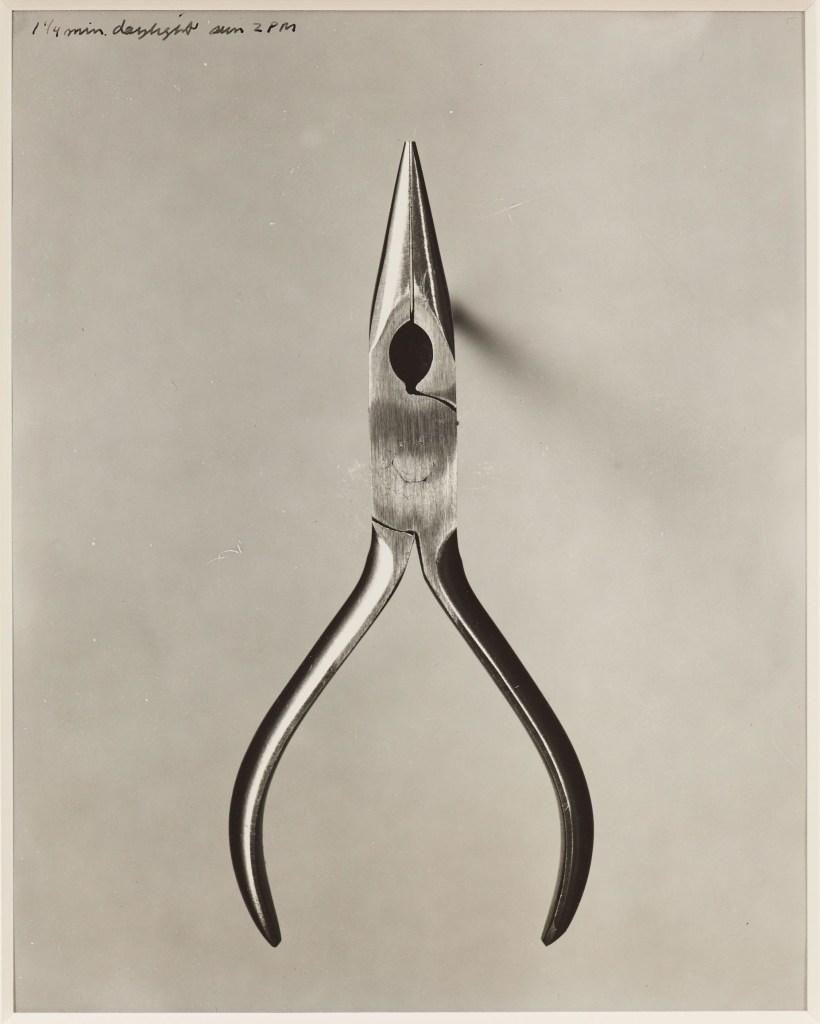
The book is helpful in broadly following a chronological and thematic structure. It moves from Evans’s early dalliance with modernist abstraction to his more mature work documenting the ordinary and everyday of America found in its architecture and citizens. This emphasis on the everyday is consistent. Evans elevates these often overlooked details through his ‘stare,’ and careful composition.
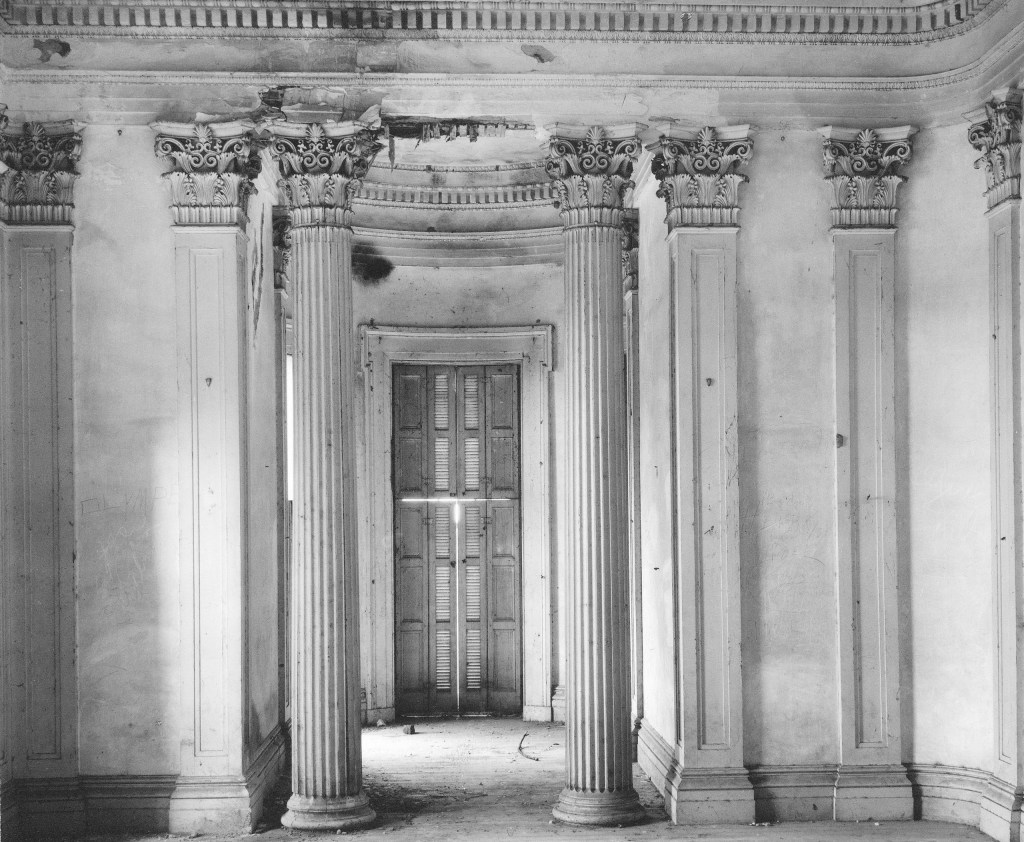
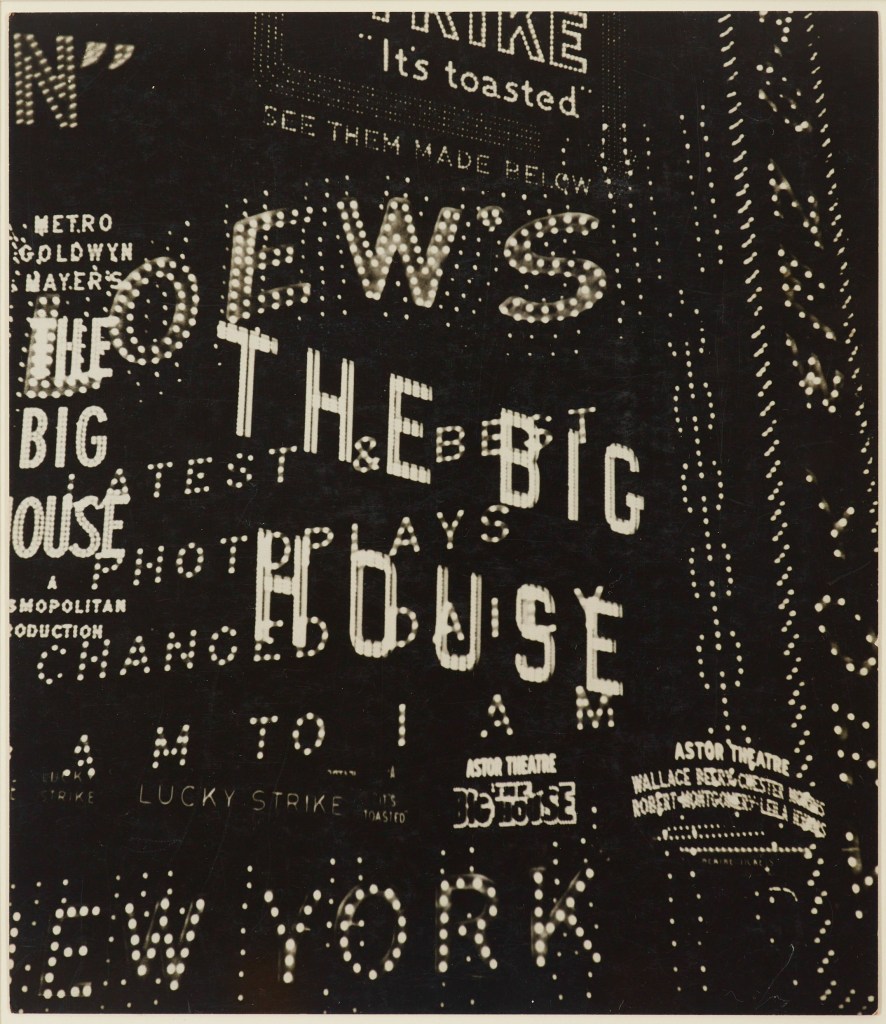
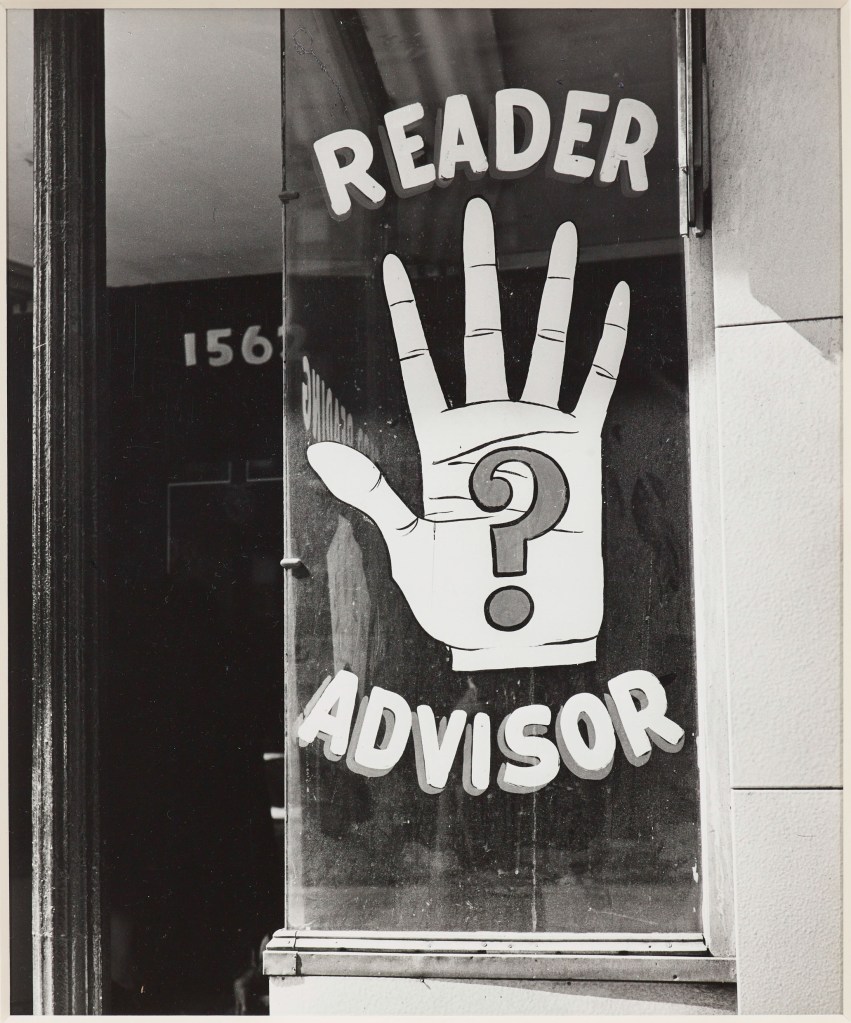
It isn’t revolutionary to photograph this way, many fledgling photographers often start out photographing surfaces and objects that can’t object. Yet, Evans’s work still feels strikingly contemporary. His photographs of fragmented text in the landscape and hand painted adverts arguably anticipate the Pop Art and postmodern movements. Images of shop windows and street scenes hint at the visual clutter and layered messaging of today’s image saturated culture.
Campany avoids rewriting Evans’s legacy but contributes to clarify it, arguing that Evans operated in the rich space between documentary and art. It’s not a new argument but delivered with clarity and precision. Evans explored how images function in society and how they are understood through sequencing, contextualisation and publication. Consequently it’s difficult to categorise Evans’s photography as art or journalism.
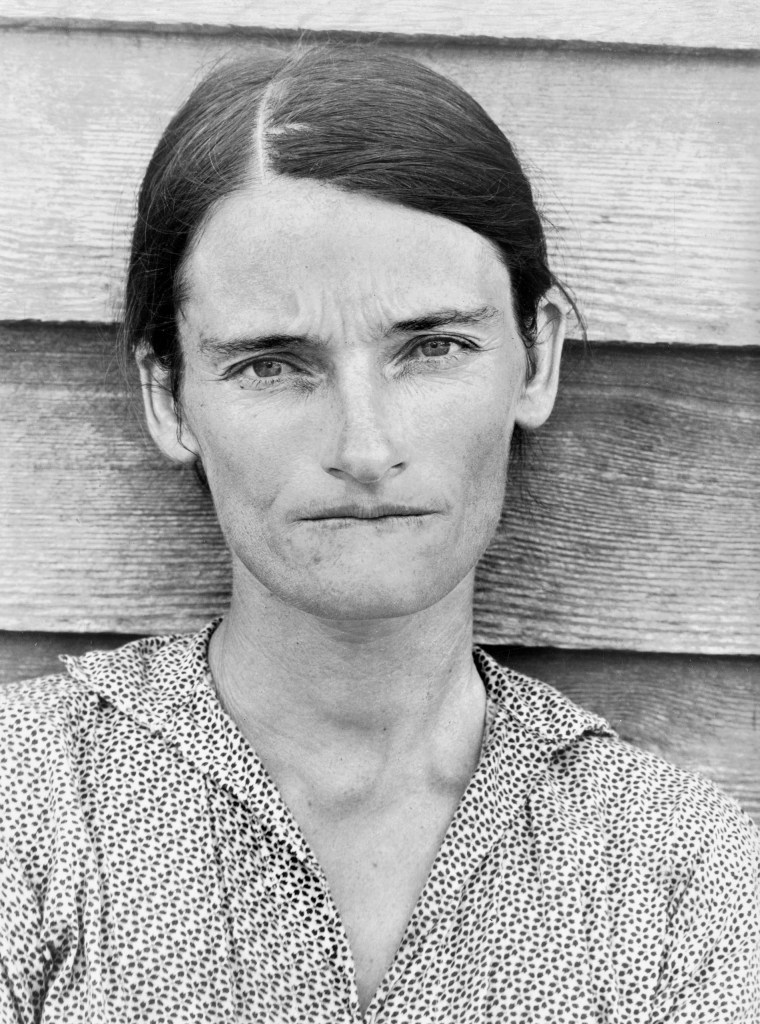
This investment and sensitivity to context by Evans in the editing, writing and design on the printed page, is a recurring theme in the book. Now and Then in Campany’s hands is treated as a carefully constructed object, deliberate sequencing allows images to ‘speak’ to each other across pages, echoing Evans’s landmark book American Photographs (1938), often cited as one of the most influential phonebooks ever printed.
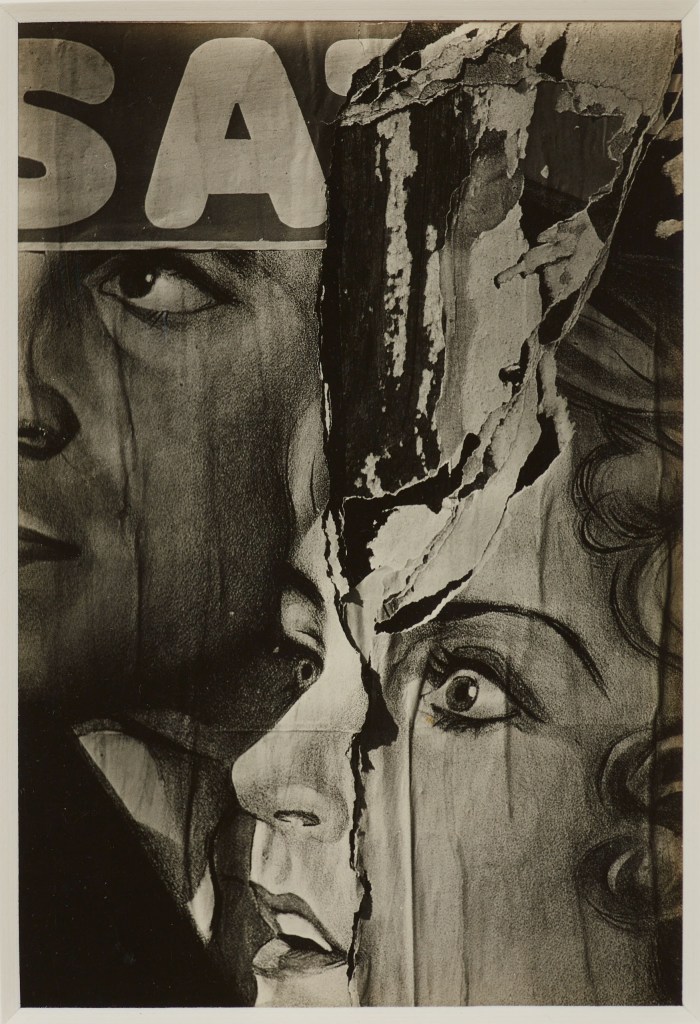
Now and Then has breadth but doesn’t bore. The iconic images are necessarily present and allow lesser known work to sit within them. For instance, there are photographs of Cuba which introduce a more overtly political aspect and his later experiments with Polaroid and colour exemplify Evans’s restless curiosity that extended well beyond his more famous epoch.
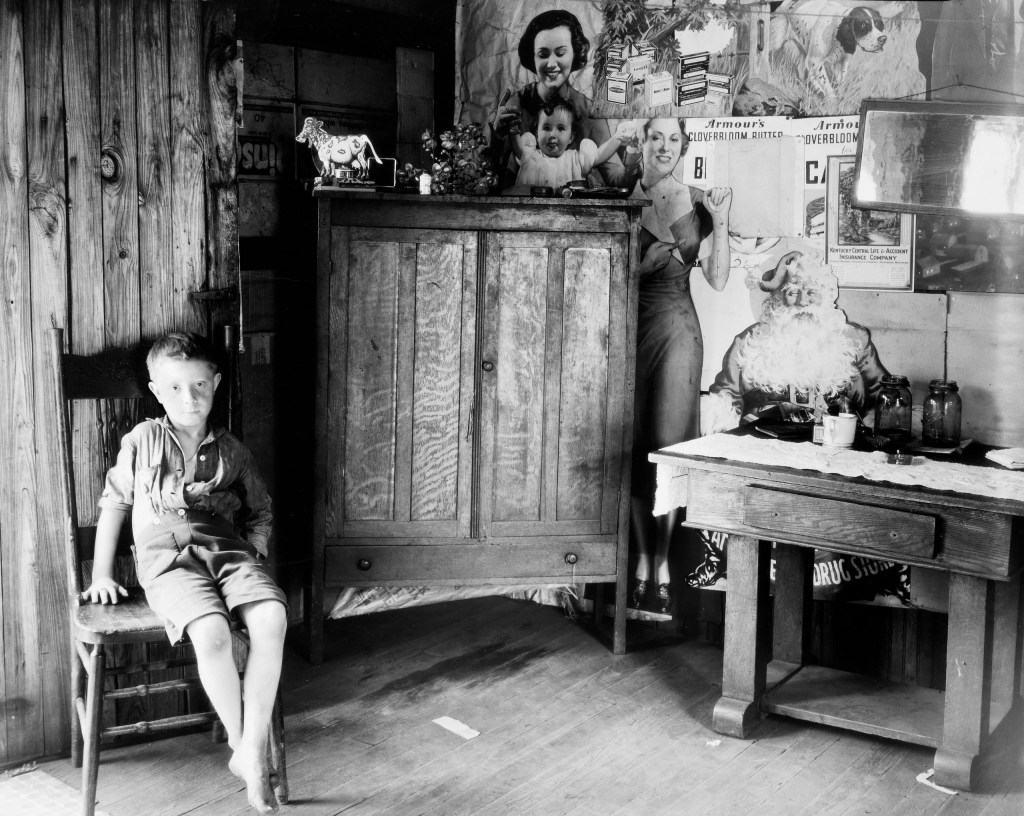
Campany highlights the importance of Evans as a thinker and how his engagement with literature and French writers such as Flaubert and Baudelaire shaped his photographic style. By photographing in a deliberately restrained way, precise and observational, allows meaning to emerge rather than be imposed. There’s space for ambiguity and interpretation. Perhaps it’s this restraint that has allowed Evans to endure. Patience is the new radical. The more time you spend looking at the images in this book, the more they reveal.
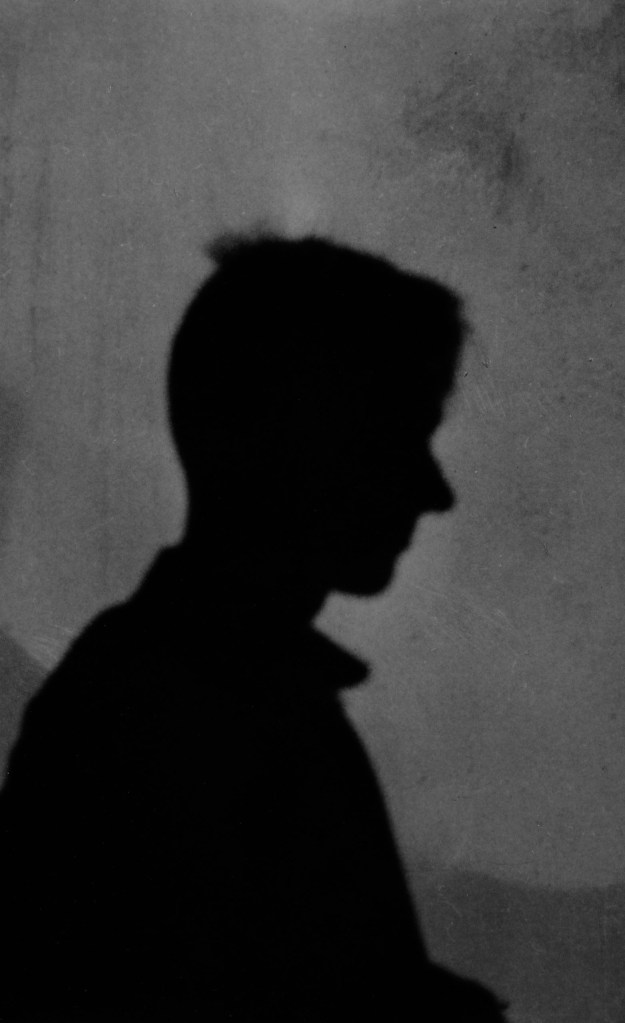
Walker Evans regularly appears in Greatest Photographers Ever lists and Now and Then does at times feel reverential. Campany does acknowledge the complexities and contradictions of the work but holds back from critical friction. That said, the book has a purpose, functioning as an introduction and a consolidation. Published in conjunction with a major exhibition, it brings together the eclectic strands of Evans’s legacy into a coherent whole. A comprehensive entry point for newcomers and for those already familiar with his work, the new combinations and text provides an opportunity to see it afresh.
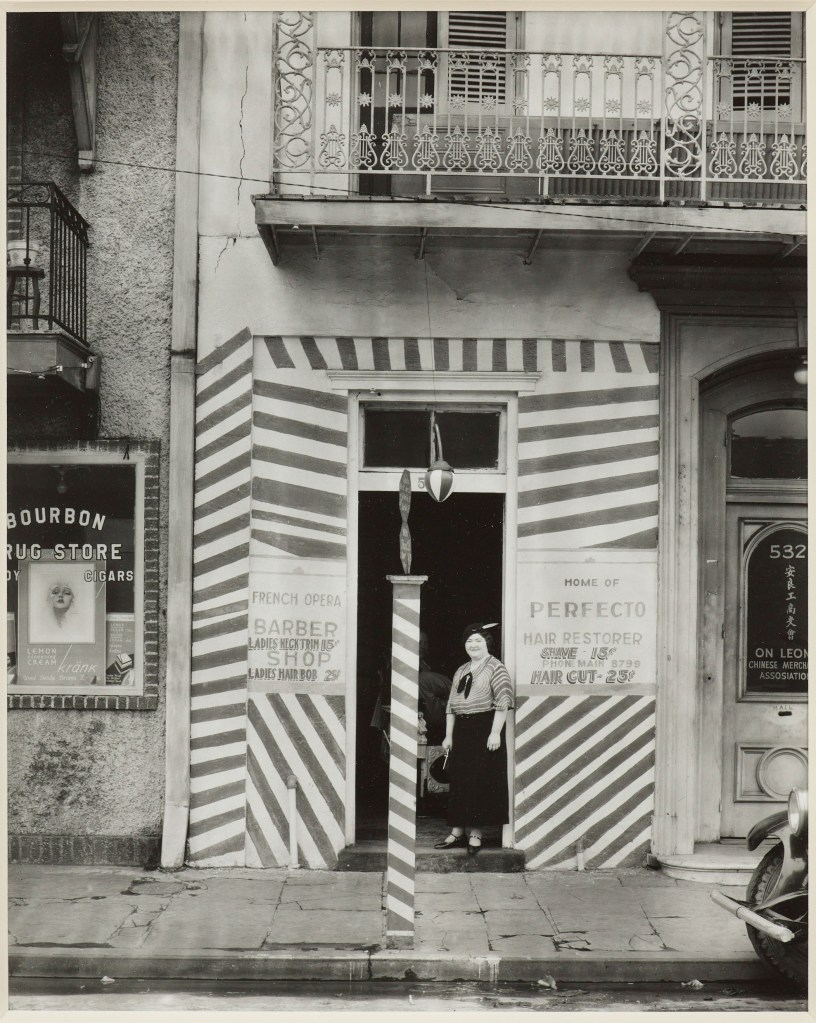
Alongside the images he made, Evans’s greatest achievement was how he taught us to look, focusing on what he described as the ‘poetry of the street’ and the complexity of everyday life played on it. Nearly a century on, Walker Evans: Now and Then reminds us of that and perhaps the real challenge is not finding new things to photograph but seeing what is already there with greater clarity and care.
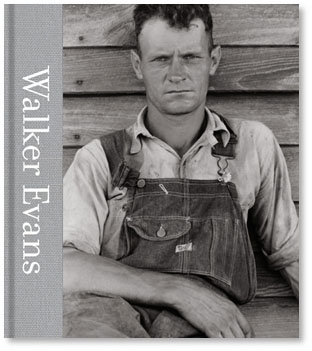
Walker Evans: Now & Then with texts by David Campany, Sara Ickow and Stephanie LaCava published by Fundaciòn MAPFRE and Thames & Hudson (English) is available to buy now. ISBN: 9780500031650
Related Reading:
- Would you back this photographer’s road-trip across America? Find out why you absolutely should
- These striking portraits by American photographer Catherine Opie are bold and beautiful
- Gritty portraits of ordinary American workers as seen by fashion ace Richard Avedon
Follow AP on Facebook, Instagram, YouTube and TikTok.